Car Alternator High Voltage Explained for Beginners
Dealing with car alternator high voltage can seem tricky, especially if you’re new to car repairs. This issue can cause problems with your car’s electrical systems, like dimming lights or even damaging sensitive electronics. But don’t worry! It’s a common problem, and figuring it out doesn’t need to be overwhelming. We’ll break down the basics in easy steps, so you can start understanding what’s happening. Get ready to explore the cause and effects of this issue with a simple, easy-to-follow guide.
What Causes High Voltage in Your Car’s Electrical System
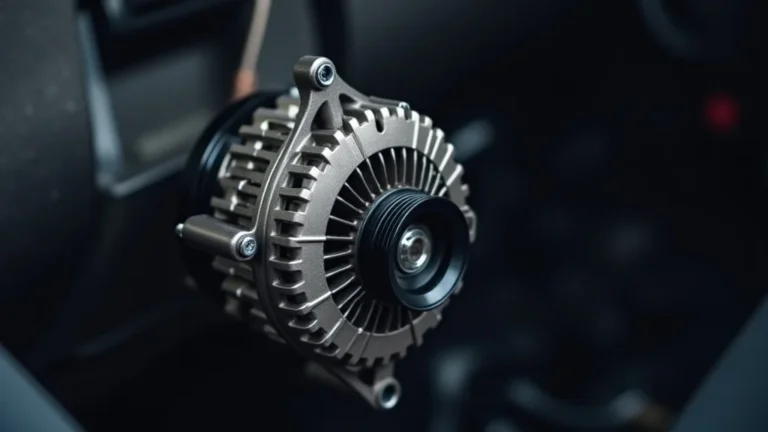
High voltage from a car alternator can occur for various reasons. The alternator is a generator that converts mechanical energy into electrical energy to power your car’s electrical systems and charge the battery. When the voltage output exceeds the normal range (usually around 13.5 to 14.5 volts), problems begin to appear. This overvoltage can damage the car’s electronics, causing them to malfunction. The voltage regulator, a critical component within the alternator, is often the primary suspect when high voltage is detected. However, other factors, such as faulty wiring or a failing battery, can also contribute to this problem.
The Voltage Regulator’s Role and Issues
The voltage regulator is like the brain of the alternator, ensuring the voltage output remains within a safe range. It does this by controlling the current flowing to the alternator’s rotor. If the regulator malfunctions, it might not properly limit the voltage, leading to high voltage output. Modern alternators often integrate the voltage regulator, making it harder to repair separately. When the regulator goes bad, the entire alternator may need replacing. Troubleshooting the voltage regulator involves checking its function with a multimeter to ensure it is maintaining the correct voltage range under different load conditions, such as when turning on lights or running the air conditioning.
Here are some key things about the voltage regulator:
- How it Works: The voltage regulator uses transistors to control the flow of current to the rotor. The rotor’s magnetic field strength dictates the amount of electricity the alternator produces.
- Common Failure Modes: Regulators can fail due to heat, age, or electrical surges. They might provide an unstable voltage, or fail to limit the voltage, resulting in a constant high voltage.
- Symptoms of Failure: Signs of a failing regulator include erratic electrical behavior, dimming or flickering lights, and battery overcharging.
Battery Health and Its Influence
A car’s battery is more than just a power source; it also helps stabilize the electrical system. A failing or damaged battery can make the alternator work harder, potentially leading to high voltage. If the battery can’t accept a charge, the alternator will try to force more current into it, leading to increased voltage. Checking your battery’s health is a good first step when troubleshooting high voltage issues. A simple load test can show if the battery can hold a charge, and if it cannot, it may need replacement. It’s often recommended to replace the battery if it is old or has experienced frequent discharge, as this can affect the alternator’s performance.
Wiring Problems and Connection Concerns
Faulty wiring can also lead to high voltage. Poor connections, corroded terminals, or damaged wires can create resistance in the electrical system, impacting the alternator’s output. These issues can disrupt the current flow and cause voltage fluctuations. Check the wiring connected to the alternator, battery, and other electrical components for any signs of damage or corrosion. Proper connections are essential for the efficient transfer of electricity. Loose or corroded connections can cause the alternator to work harder and the voltage output to spike, possibly leading to problems. Regular checks and maintenance of wiring can help prevent voltage-related issues.
Here’s a quick guide to common wiring issues:
- Corrosion: Corrosion on terminals increases resistance, reducing electrical flow and possibly causing voltage spikes.
- Loose Connections: Loose wires cause intermittent contact, which disrupts the electrical supply and can cause voltage surges.
- Damaged Wiring: Damaged insulation exposes wires and causes shorts, leading to voltage irregularities.
Identifying and Diagnosing Car Alternator High Voltage
Knowing how to identify high voltage is key to avoiding further damage to your car’s electrical components. The most basic and accessible tool for checking voltage is a multimeter. Using a multimeter will provide accurate readings and help confirm suspicions about the alternator’s performance. You can compare your readings with manufacturer specifications. Also, knowing what symptoms to look for can also help pinpoint the problem quickly. Being able to correctly identify the signs can save time and prevent you from replacing parts that are not necessarily the root cause of the problem.
Using a Multimeter to Measure Voltage
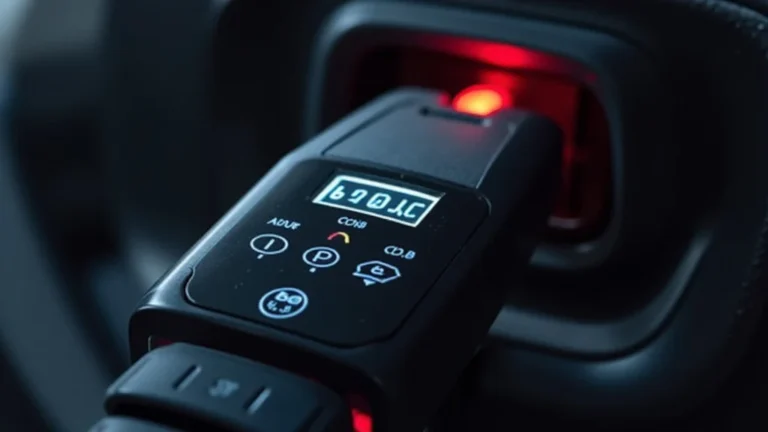
A multimeter is a handy tool for diagnosing electrical problems, including car alternator high voltage. When measuring voltage, it is essential to set the multimeter to the correct DC voltage setting (usually 20V DC is suitable for car voltage). Attach the red probe to the positive (+) terminal of the car battery and the black probe to the negative (-) terminal. The voltage should be around 12.6V with the engine off, indicating the battery’s state. Then, start the engine. The voltage reading should rise to around 13.5-14.5V. Any reading significantly higher than this range signals high voltage. Make sure to perform this test safely, avoiding contact with moving parts. Also, do not test voltage on an exposed circuit, as this is a safety hazard.
To use a multimeter correctly:
- Setting Up: Set the multimeter to measure DC voltage, which is usually indicated by a “V” with a straight line or “DC” next to it.
- Connecting Probes: Connect the red probe to the positive terminal of the battery and the black probe to the negative terminal. Ensure the connections are firm.
- Reading the Results: With the engine off, you should see around 12.6V. Start the engine; the reading should increase to 13.5-14.5V. If the reading is too high, there’s likely a voltage issue.
Common Symptoms of High Voltage
Identifying the symptoms can help diagnose high voltage issues. These symptoms can be subtle at first, becoming more noticeable as the problem worsens. One of the most obvious signs is the dimming or flickering of lights. This happens because high voltage stresses the bulbs, causing them to burn brighter and burn out. Another symptom is overcharging the battery, which can lead to it overheating or even bulging. Electrical components may also fail prematurely. Knowing these signs lets you address the issue promptly before further damage occurs. Ignoring these symptoms can lead to more costly repairs and can even leave you stranded.
These are common symptoms to watch out for:
- Dimming Lights: Lights that get brighter, then dim, are often a sign of voltage fluctuations.
- Overcharging Battery: The battery gets hot and swells.
- Electrical Component Failure: Bulbs and other electronics burn out faster than normal.
Performing a Load Test
A load test is a quick method of checking the alternator’s performance. It involves turning on electrical accessories like headlights, the air conditioner, and the radio while the engine is running. The multimeter is used to monitor the voltage during this load. If the voltage drops dramatically or the alternator struggles to maintain the correct range when the load increases, it may indicate a problem. Load testing is useful because it simulates real-world driving conditions, revealing issues that might not be apparent under normal circumstances. This test will help you determine the alternator’s ability to maintain sufficient voltage under a load.
Fixing Car Alternator High Voltage Issues
Once you’ve identified that your car has a car alternator high voltage problem, fixing it is essential to prevent damage to electrical components. The actions to take depend on the cause. However, there are some fundamental steps and procedures you can follow. Depending on the level of technical knowledge and experience, repairs may be done at home or by a professional. Understanding these steps can prepare you to either tackle the repairs yourself or communicate effectively with a mechanic. If the problem is not addressed, it could lead to the breakdown of electrical systems.
Checking and Replacing the Voltage Regulator
The voltage regulator is often the source of high voltage issues. If you have experience with car repairs, the voltage regulator can sometimes be
Inspecting and Repairing Wiring
Inspecting the wiring is a vital step in fixing high voltage issues. Start by visually inspecting all the wires connected to the alternator, battery, and other electrical components. Look for signs of damage like worn insulation, corrosion, or loose connections. If you find any damaged wiring,
Battery Testing and Replacement
The car battery plays a key role in the electrical system and can contribute to high voltage problems. If your battery is old or damaged, it might not be able to accept a charge properly, which can make the alternator work too hard, leading to high voltage output. Performing a load test on the battery is an easy method to assess its health. If the battery fails the load test or shows other signs of degradation,
Preventing Future High Voltage Problems
Keeping your car’s electrical system in good shape helps you avoid high voltage issues. Regular maintenance, such as checking and cleaning the battery terminals and inspecting the wiring, can prevent many common problems. Addressing small problems early can often stop them from becoming major issues later. By being mindful of your car’s electrical system, you can reduce the chances of encountering high voltage and enjoy worry-free driving. These preventive measures are important for both preserving your vehicle’s lifespan and avoiding unexpected repair costs.
Routine Maintenance Practices
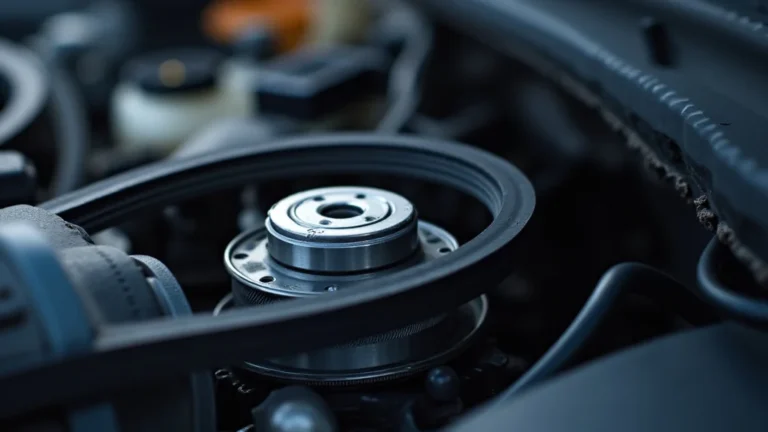
Regular checks and maintenance are the keys to a trouble-free electrical system. This involves regular checks of various components, not just looking for obvious problems, but also monitoring how they are performing over time. Clean and inspect your battery terminals for corrosion regularly, using a wire brush and a solution of baking soda and water to remove any buildup. Check the alternator belt for wear and replace it if necessary. Worn belts can lead to inefficient charging and cause voltage problems. Inspect all wiring connections for tightness and signs of damage. Making these checks a habit as part of your overall car maintenance routine will minimize the chances of problems such as high voltage.
Choosing Quality Electrical Components
The quality of your car’s components can influence the car’s electrical system. When replacing parts like batteries and alternators, choose components from reputable brands. These components are usually manufactured to tighter specifications and are more durable. This can reduce the likelihood of electrical issues. Be sure that the replacement parts match the original specifications. Proper component compatibility guarantees that the electrical system operates at its optimum levels. Although quality parts sometimes cost more, they often last longer and reduce the need for more frequent repairs.
Monitoring for Early Warning Signs
Being attentive to the early warning signs of electrical issues can help prevent major problems. Look out for the first symptoms of high voltage. These symptoms might include flickering lights, slow cranking, or a burning smell. Make sure that you recognize these warning signs. If you notice any of these symptoms, address them quickly. Addressing issues quickly can prevent them from becoming more extensive and costly. Regular inspections and immediate attention to potential problems will keep your car’s electrical system in good condition and ensure its long-term reliability.
Here’s an example of how you can approach finding and fixing car alternator high voltage:
- Symptom: The headlights are flickering at night.
- Diagnosis: The driver notices the lights flickering. They use a multimeter to check the voltage, finding readings of 15V.
- Action: The mechanic finds a faulty voltage regulator and replaces the alternator.
- Result: The lights stop flickering and the voltage returns to normal.
Another real-world example:
- Problem: The battery keeps dying, and the car won’t start.
- Investigation: The car owner jumps the car and has a mechanic check the electrical system. The mechanic tests the alternator and finds that it is overcharging the battery.
- Solution: The mechanic replaces the voltage regulator.
- Outcome: The battery holds a charge, and the car starts reliably.
| Component | Common Issues | Potential Symptoms |
|---|---|---|
| Voltage Regulator | Failure, instability | Erratic electrical behavior, dimming lights |
| Battery | Overcharging, damage | Overheating, bulging battery |
| Wiring | Loose connections, corrosion | Voltage surges, electrical failures |
Frequently Asked Questions
Question: What is the typical voltage range for a car alternator?
Answer: A car alternator typically produces voltage between 13.5 to 14.5 volts when the engine is running.
Question: What happens if the alternator voltage is too high?
Answer: High voltage can damage your car’s electrical components like lights, sensors, and even the battery.
Question: How can I test the alternator’s voltage?
Answer: Use a multimeter set to DC voltage to measure the voltage across the battery terminals with the engine running.
Question: Can I fix a high voltage issue myself?
Answer: Simple steps like checking wiring and cleaning terminals can be done at home, but replacing the alternator might need a mechanic.
Question: How often should I have my car’s electrical system checked?
Answer: It’s a good idea to have your electrical system checked during regular car maintenance, like every oil change or service.
Final Thoughts
Understanding and dealing with car alternator high voltage doesn’t have to be complicated. The core idea is to know what is normal, identify when something is wrong, and address the issue before it causes extensive damage. By recognizing the symptoms, like dimming lights or an overcharged battery, you’re already one step ahead. Diagnosing the problem with a multimeter will help pinpoint whether it is indeed high voltage from the alternator. Remember that things like the voltage regulator, battery health, and wiring are key factors. Regular checks and maintenance are the best way to prevent issues. If you notice signs of high voltage, don’t delay – get it checked out. Take action, and you can keep your car’s electrical system running smoothly.