Car Alternator Failure Symptoms: What You Need To Know
Figuring out car alternator failure symptoms can feel tough if you’re not a car expert. It’s something many drivers face, and it’s easy to feel lost. Don’t worry! This guide makes it simple. We’ll walk you through the most common signs, so you can spot the problem before it leaves you stranded. You’ll learn the key indicators and what to do, all in easy-to-follow steps. Let’s start with the basics.
Early Warning Signs of Alternator Trouble
Knowing the early warning signs of an alternator problem helps avoid bigger headaches down the road. Catching these hints early can save you from a dead battery and the need for a jump start. These signals often start subtly, and people tend to ignore them. However, they’re like small alarms that your car is sending out. They’re telling you something is off, like a flickering light or a strange noise. Ignoring these early signs could lead to a sudden breakdown, which nobody wants. Recognizing these indicators and addressing them swiftly is key to keeping your car running smoothly.
Flickering or Dim Headlights
One of the first signs of alternator trouble can often be seen in your headlights. If they start flickering or getting dimmer, particularly when the engine is idling, the alternator might not be supplying enough power. The headlights are directly connected to the car’s electrical system, and the alternator is responsible for keeping that system charged. When the alternator begins to fail, it can’t provide a steady power supply, causing the lights to fluctuate. This could mean they shine less brightly or even dim completely at times. This can be especially noticeable at night when the lights are crucial for safe driving. Dim headlights could be one of the more common car alternator failure symptoms.
- What to watch for: Keep an eye out for headlights that brighten and dim on their own, especially when you accelerate or use other electrical components like the radio or air conditioning.
- Why this happens: The alternator isn’t generating enough power to keep up with the car’s electrical demands.
- What to do: If you notice this, it’s best to have a mechanic check your charging system as soon as possible.
Battery Warning Light Illuminates
The battery light on your dashboard is the most obvious sign that something’s amiss with your charging system. This light can look like a battery, or it might just say “BAT” or “CHG.” When it lights up while you’re driving, it’s a signal the alternator isn’t charging the battery properly. The light may come on at first, then go off, only to reappear later. If you see this light, it’s time to act. It signals the car’s electrical systems aren’t functioning the way they should. Ignoring this light could lead to a dead battery and your car not starting. It is one of the more easily spotted car alternator failure symptoms.
- What to watch for: The battery light glows even when the engine is running.
- Why this happens: The alternator isn’t sending enough electricity to the battery to keep it charged.
- What to do: Get your car checked immediately, but avoid driving long distances.
Strange Noises Coming from the Engine
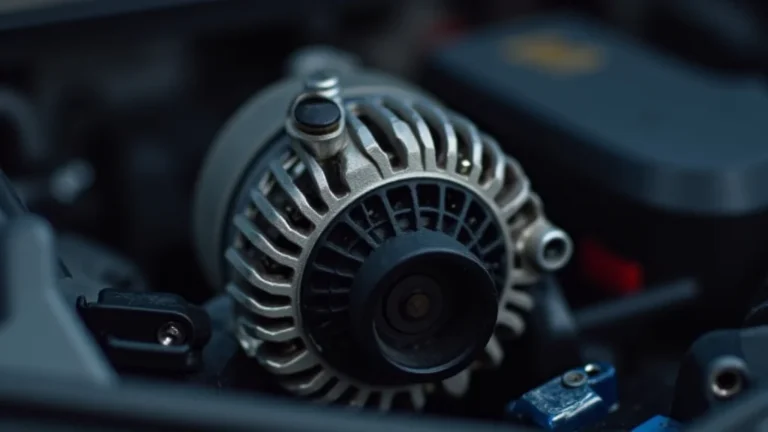
Sometimes, your ears can tell you something is wrong before your eyes or the dashboard lights do. A failing alternator can sometimes produce strange noises. These noises usually sound like a whining, growling, or clicking sound. These are clear indicators of potential damage. A worn bearing or a failing diode can cause this sound. The noise often changes with the engine’s speed, becoming louder as you accelerate. It’s often heard from the front of the car, where the alternator is located. Recognizing and addressing these sounds can prevent further damage to the alternator. Strange noises are one of the more subtle car alternator failure symptoms.
- What to watch for: A whining, grinding, or growling sound that gets louder as the engine runs faster.
- Why this happens: Worn bearings or other internal problems in the alternator can cause these sounds.
- What to do: Get your car inspected by a mechanic. They can identify the problem.
Common Electrical Issues Tied to Alternator Failure
Problems with your car’s electrical system can be a sign of a failing alternator. These issues can disrupt the usual function of your car, from the radio to power windows. When the alternator fails, it cannot properly supply power to all the electrical components. This causes a wide range of issues. Knowing these problems helps identify alternator issues before they turn into major problems. These electrical issues might seem small at first, but they can quickly lead to a car that doesn’t start or can’t run properly. Being familiar with these problems can save you time and money by alerting you to a potential issue.
Power Window Problems
Power windows that move slowly or not at all can signal an alternator problem. Power windows need a steady supply of electricity to operate correctly. When the alternator isn’t producing enough power, the electrical system struggles to keep up. This can result in slow window movement or the windows failing to operate at all. Sometimes, a window might only work occasionally or struggle when other electrical devices are in use, like the air conditioning. This suggests the alternator can’t handle the car’s power demands. Power window issues are a clear sign of trouble with your car alternator failure symptoms.
- What to watch for: Windows that move slower than normal, hesitate before moving, or stop working altogether.
- Why this happens: The alternator can’t provide the power the windows need.
- What to do: Check the alternator and other electrical components with a professional.
Radio and Other Electronic Component Malfunctions
Your car’s radio, stereo system, and other electronic components can malfunction due to alternator failure. These devices need a steady electrical current to work properly. When the alternator fails, the power supply becomes inconsistent. This inconsistency can cause the radio to cut out, display errors, or have static. The sound quality may also be poor. Other electronic components like the air conditioning, interior lights, or even the car’s computer system can also be affected. A malfunctioning radio or stereo can be one of the more frustrating car alternator failure symptoms.
- What to watch for: Radio cutting out, static, or other electronic components that don’t work correctly.
- Why this happens: The alternator can’t supply enough power for all the electronic components.
- What to do: If you notice any of these issues, have your car’s electrical system checked.
Difficulty Starting the Car
A failing alternator makes it harder to start your car. The alternator charges the battery, which is crucial for starting your engine. When the alternator fails to charge the battery properly, the battery slowly loses its power. This can lead to a sluggish start, where the engine struggles to turn over. In extreme cases, the battery may not have enough power to start the engine at all. If your car won’t start, the problem is often the battery. However, a failing alternator prevents the battery from charging. Difficulty starting is one of the most serious car alternator failure symptoms.
- What to watch for: The car struggles to start, with the engine turning over slowly or not at all.
- Why this happens: The alternator isn’t charging the battery enough to start the engine.
- What to do: Test the battery first, then have the alternator checked.
Testing and Diagnosis of Alternator Problems
Checking and diagnosing alternator problems can help you know what’s wrong with your car. Simple tests can identify if your alternator is working properly or if it needs repair. These tests often involve checking voltage and amperage levels in your car’s electrical system. Understanding how to check for alternator problems lets you decide if you need to go to a mechanic. Early detection saves you from more serious problems. It also can help prevent inconvenient breakdowns.
Voltage Testing with a Multimeter
Using a multimeter to test the voltage is one of the most common methods for diagnosing alternator issues. A multimeter is a simple tool that measures the voltage, current, and resistance in your car’s electrical system. Testing the voltage shows if the alternator is charging the battery correctly. You can test the battery voltage when the engine is off and running. You’ll need to know the correct voltage for your car battery. If the voltage is too low, the alternator isn’t charging. A voltage reading within the proper range suggests the alternator is working well. A multimeter is a useful tool to help you identify car alternator failure symptoms.
- What to do: Connect the multimeter to the battery terminals and check the voltage with the engine off, then running. The voltage should be higher when the engine is running.
- What to expect: With the engine off, you should see around 12.6 volts. When running, the voltage should rise to around 13.5 to 14.5 volts.
- If the voltage is low: The alternator may not be charging the battery adequately.
Load Testing the Alternator
Load testing the alternator involves putting a load on the car’s electrical system to see if the alternator can handle it. This is usually done with the car’s headlights, radio, and air conditioning turned on. A load test checks the alternator’s ability to maintain a consistent voltage under different conditions. If the voltage drops significantly when you turn on these electrical components, the alternator is likely failing. Load testing gives a good idea of how the alternator performs when the car’s electrical systems are working. This can confirm if the alternator is part of the car alternator failure symptoms.
- What to do: Turn on your headlights, radio, and air conditioning. Then, check the voltage at the battery terminals.
- What to expect: The voltage should remain relatively stable, not dropping significantly.
- If the voltage drops: The alternator may not be able to handle the electrical load.
Visual Inspection of the Alternator
A visual check of the alternator can reveal obvious problems, like loose or damaged wires, or a broken belt. You can often spot these issues without any special tools. Check the alternator belt for cracks, wear, or incorrect tension. A loose belt can cause the alternator to fail. Inspect the wires and connections for corrosion or damage. Also, listen for unusual sounds. Visual inspections don’t always uncover all problems. However, they can help you spot immediate issues. Conducting a visual check of your alternator can also assist in spotting car alternator failure symptoms.
- What to look for: Loose or broken wires, a damaged belt, or any signs of physical damage to the alternator.
- Why this is helpful: It helps to identify visible issues that could be causing the problem.
- What to do: Replace the belt if it’s worn or damaged. Check and repair any loose or damaged wires.
Steps to Take When You Suspect Alternator Failure
If you think your alternator is failing, you need to take action quickly. Taking action stops the problem from getting worse. It helps to prevent unexpected breakdowns or getting stranded. Knowing what to do can help you avoid major inconveniences. Following these steps helps you to solve your car problems safely and efficiently. These tips can help you handle car alternator failure symptoms.
Safety First: Pull Over and Turn Off Electronics
When you start noticing signs of alternator failure, like dimming lights or electrical issues, it’s vital to prioritize safety. Find a safe place to pull over, like a parking lot or the side of the road with a wide shoulder. Turn off all unnecessary electronics, like the radio, air conditioning, and any other devices. These electrical components can put extra strain on the alternator, which is already failing. Reducing the load can help the alternator last a little longer. This will help you get to a repair shop. When experiencing car alternator failure symptoms, safety is the priority.
- Why this is important: Reducing the electrical load on the alternator can help prevent further damage and possible breakdowns.
- What to do: Turn off the radio, air conditioning, and any other electrical components that aren’t necessary for driving.
- Where to pull over: Find a safe place to stop, such as a parking lot or the side of the road with a wide shoulder.
Get Professional Help: Visit a Mechanic
Because alternators are vital, you should see a mechanic. They can diagnose the exact issue. They have the right tools and expertise. Trying to fix the alternator yourself can be tricky. It can be time-consuming and can cause more damage. A mechanic can quickly identify the problem. They can assess the extent of the damage and perform the necessary repairs or replacements. Finding a reliable mechanic who specializes in electrical systems is best. They can give you advice about your car’s electrical systems. Early professional intervention can prevent further damage to the car. Your mechanic will be able to solve the car alternator failure symptoms.
- Why professional help is important: Mechanics have the knowledge and tools to diagnose and repair alternator problems correctly.
- What to do: Find a trustworthy mechanic who is experienced with car electrical systems.
- What to expect: The mechanic will test the alternator and other parts of the electrical system to find the cause of the problem.
Consider Battery Health: Get It Checked
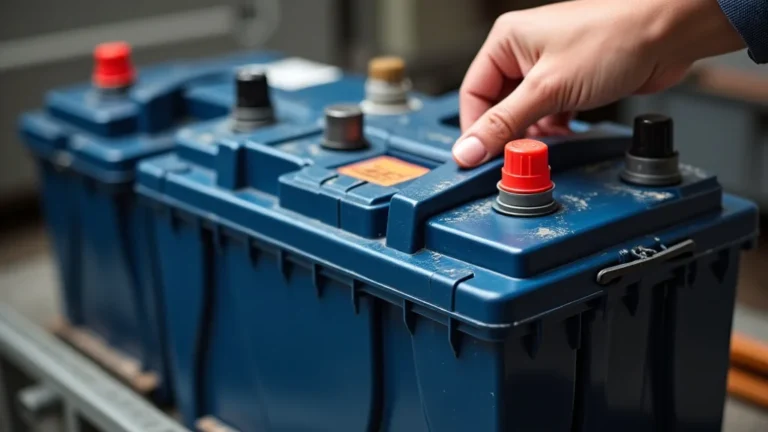
During the alternator test, it’s wise to consider the condition of your car’s battery. A failing alternator can harm the battery. If the alternator has damaged the battery, you might also need to replace the battery. A mechanic can check the battery’s health and determine if it needs replacing. Always consider the battery when you are finding the car alternator failure symptoms. A dead or weak battery can look like an alternator problem. If the battery is old or damaged, it might not hold a charge. This is also important if you need to solve this car problem.
- Why this is important: The battery and alternator work together. Both may need replacement.
- What to do: Ask your mechanic to test the battery’s health.
- What to expect: The mechanic will check the battery’s voltage and ability to hold a charge.
Frequently Asked Questions
Question: What is an alternator’s main job?
Answer: The alternator’s main job is to provide electricity to the car’s electrical systems while the engine is running and to charge the car’s battery.
Question: Can I drive my car if the alternator is failing?
Answer: It’s risky to drive with a failing alternator, as it can leave you stranded. Drive only if necessary and for a short distance.
Question: How often should the alternator be replaced?
Answer: Alternators usually last several years, but their lifespan depends on use and care. Have it checked if you notice any car alternator failure symptoms.
Question: What is the average cost to replace an alternator?
Answer: The cost varies based on the car’s make and model. The cost usually ranges from several hundred dollars to over a thousand.
Question: Can I charge my battery with a charger if the alternator is bad?
Answer: Yes, you can charge the battery, but the alternator still needs repair. The battery will discharge again if the alternator cannot charge it.
Final Thoughts
Spotting car alternator failure symptoms early can save you a lot of trouble. You can prevent a sudden breakdown by paying attention to the signals your car sends. Dimming headlights, a battery warning light, and strange noises are all important signs. When you notice these things, testing your car’s electrical system becomes a priority. If you see these signs, get help from a mechanic. A mechanic can fix your car quickly. Knowing the early warning signs and taking quick action helps keep your car reliable. Your car will continue to run smoothly.