Car Alternator Draining Battery: Causes and Simple Fixes
Dealing with a car alternator draining battery can be frustrating, especially if you’re not a car expert. It’s a common problem that can leave you stranded. Don’t worry, you don’t need to be a mechanic to figure this out. This guide will explore the main culprits and offer straightforward, easy-to-follow steps to troubleshoot the issue. We’ll start with how your car’s electrical system works.
Your Car’s Electrical System: A Quick Look
Your car’s electrical system is a network of components working together to power your vehicle. Think of it like a body with a heart (the battery), veins (wires), and muscles (the alternator and other electrical parts). The battery provides the initial power to start the car, but it’s the alternator’s job to keep the battery charged while the engine is running and supply power to all the electrical accessories. When the system malfunctions, problems arise. To solve the problem of a car alternator draining battery, it’s important to comprehend how the components work.
The Battery: The Starting Point
The car battery is a rechargeable storage device that provides the initial burst of power needed to start your engine. It’s like the heart of your car’s electrical system, pumping energy to the starter motor and other components when you turn the key. The battery stores chemical energy and converts it into electrical energy. It’s typically a 12-volt lead-acid battery. Regular battery checks are very important for preventing problems.
- Battery Composition: Most car batteries are lead-acid batteries. They have lead plates submerged in a sulfuric acid solution (electrolyte). When the battery discharges, the lead plates react with the acid, creating a flow of electrons. When the battery is charged, the process is reversed.
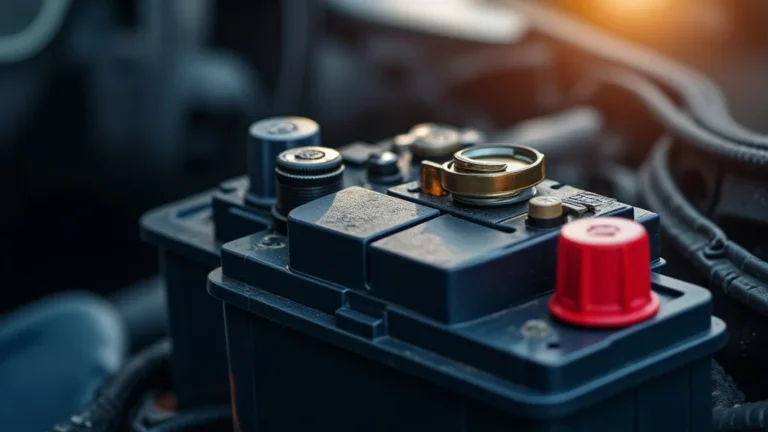
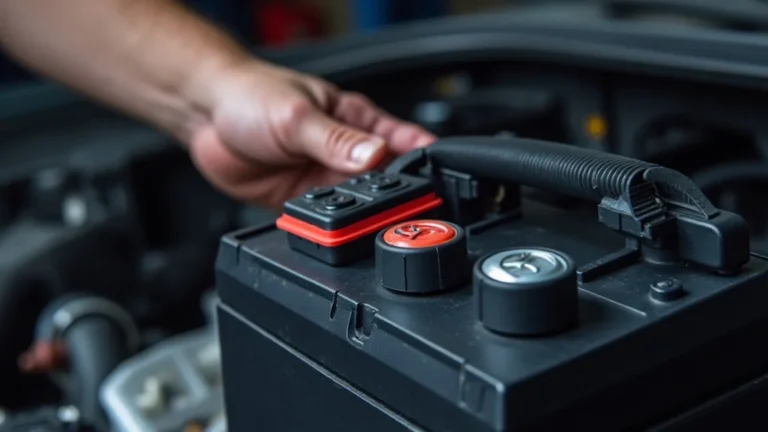
- Battery Terminals: The battery has two terminals, a positive (+) and a negative (-). The positive terminal connects to the starter and other electrical components, while the negative terminal connects to the car’s chassis (ground). Corrosion on these terminals can disrupt the electrical flow, leading to starting problems.
- Battery Lifespan: The typical lifespan of a car battery is three to five years, but it can vary based on usage, climate, and maintenance. Extreme temperatures, frequent short trips, and leaving lights on can shorten the battery’s life.
A weak or old battery can cause many problems. It might not have enough power to start the engine, especially in cold weather. Battery issues are often the first thing people notice when there’s an electrical problem. Regular battery maintenance, like checking the terminals for corrosion and ensuring the water level (if applicable) is correct, can help extend its life and prevent issues. You can have your battery tested at most auto parts stores for free.
The Alternator: Keeping Things Running
The alternator is the car’s power generator. It converts mechanical energy from the engine into electrical energy. This electrical energy not only powers the car’s electrical components but also recharges the battery while the engine is running. The alternator contains a rotor, a stator, and a regulator. The rotor spins, creating a magnetic field that interacts with the stator, which produces electricity. The regulator controls the voltage output of the alternator to prevent overcharging the battery.
- Alternator Components: The alternator includes several key parts. The rotor is a spinning electromagnet, the stator is a stationary coil of wires where electricity is produced, the rectifier converts AC to DC, and the voltage regulator controls the output voltage.
- Alternator Output: A healthy alternator should produce between 13.5 and 14.5 volts to charge the battery. Anything less might not charge the battery sufficiently, while anything more can damage it.
- Alternator Problems: Alternator problems include worn brushes, a bad rectifier, or a failing voltage regulator. These issues can cause the alternator to not charge the battery effectively, leading to a car alternator draining battery.
If the alternator fails, the battery will eventually die, because it is no longer being recharged. The car might start initially if the battery is charged, but it will stall once the battery runs out of power. Often, a warning light on the dashboard, typically a battery-shaped symbol, will illuminate to indicate an alternator problem. If you notice these signs, it’s time to test the alternator.
The Wiring and Fuses: The Electrical Pathways
Your car’s wiring system acts like the roads that transport electricity from the battery and alternator to all the car’s electrical components, such as lights, radio, and the engine control unit. Fuses act like safety valves, protecting the electrical components from damage if there’s a surge of power. They are designed to blow, breaking the circuit, if too much current flows through them. Understanding the function of these parts can help you find and fix the problems with a car alternator draining battery.
- Wiring: Wiring harnesses connect various electrical components. They can be damaged by wear and tear, corrosion, or physical damage. Damaged wires can create shorts, causing the battery to drain or other electrical issues.
- Fuses: Fuses protect electrical components. When a fuse blows, it means too much current was flowing through the circuit. Replacing a blown fuse is often a simple fix.
- Relays: Relays are switches that use a small amount of electricity to control a larger electrical load. They are often used for high-current circuits, such as the starter motor or headlights. A faulty relay can cause electrical problems and drain the battery.
Problems with wiring or fuses can cause many issues, including a car alternator draining battery. Shorts in the wiring can create a direct path from the battery to ground, causing it to drain quickly. Blown fuses often indicate a problem in an electrical circuit, and relays can cause problems when they stick in the “on” position, drawing power continuously. A thorough visual inspection of the wiring and fuses is a good starting point to address problems.
Common Causes of a Car Alternator Draining Battery
Several issues can cause a car alternator draining battery. These causes fall into two primary categories: problems within the charging system (alternator, voltage regulator, and related components) and electrical drains from other components, even when the car is off. Identifying the underlying cause is key to solving the issue. Let’s look at the main factors that you should check.
Faulty Alternator
One of the most common reasons for a car alternator draining battery is a problem with the alternator itself. Over time, the internal components of the alternator can wear out or fail. This can result in insufficient voltage output, which means the alternator is not charging the battery properly while the car is running. Alternators can fail due to various problems. For instance, the brushes inside the alternator wear down, preventing proper contact with the rotor. This stops the alternator from generating electricity.
- Worn-Out Brushes: The brushes inside the alternator make contact with the rotating parts, transferring electrical current. They wear out over time, leading to reduced charging capability. If the brushes are worn out, the alternator will not generate enough power to charge the battery, leading to a car alternator draining battery.
- Bad Voltage Regulator: The voltage regulator controls the voltage output of the alternator. If the regulator fails, it might overcharge the battery (damaging it) or not charge it enough.
- Diode Failure: The rectifier inside the alternator converts alternating current (AC) to direct current (DC). If the diodes fail, the alternator’s charging ability diminishes.
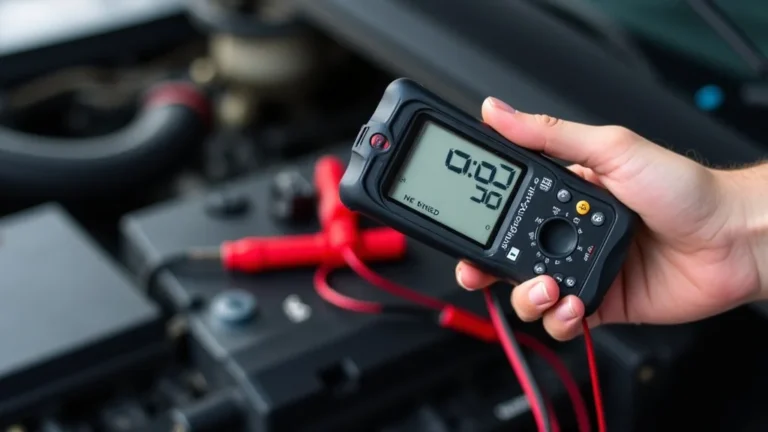
To confirm that the alternator is faulty, you can use a multimeter to test the voltage output. With the engine running, you should measure between 13.5 to 14.5 volts at the battery terminals. If the voltage is lower than this range, the alternator might be failing. Another test involves disconnecting the battery’s negative cable while the car is running to see if the engine stays running. If the engine stalls, the alternator is likely the problem.
Parasitic Battery Drain
Even when the car is off, some electrical components continue to draw power, known as parasitic drain. A healthy electrical system should have a minimal parasitic drain, typically around 50 milliamps (0.05 amps). If the drain is significantly higher, it will cause the battery to discharge over time, leading to a car alternator draining battery situation. Parasitic drain can be caused by various factors, including faulty lights, malfunctioning components, or wiring problems.
- Interior Lights: Lights left on accidentally, such as the dome light or trunk light, can drain the battery overnight. Always ensure all lights are turned off when you leave the car.
- Faulty Relays: Stuck relays can keep a circuit energized even when the car is off, draining the battery.
- Radio or Stereo Problems: An aftermarket stereo or a malfunctioning radio can draw power.
To test for parasitic drain, use a multimeter. Disconnect the negative battery cable and connect the multimeter between the negative cable and the negative battery terminal. The multimeter will measure the current drain. If the reading is higher than 50 milliamps, it suggests a parasitic drain. To find the source, start by removing fuses one at a time, checking the multimeter reading after each fuse is removed. The fuse that causes the reading to drop indicates the circuit with the drain.
Wiring Issues and Shorts
Wiring problems and shorts can lead to a car alternator draining battery by creating unintended electrical paths. Worn or damaged wiring can cause shorts, which allow electricity to flow in an uncontrolled manner, causing the battery to discharge rapidly. Shorts can also occur because of physical damage or due to corrosion. Shorts are one of the most frustrating problems to find. They can happen almost anywhere in the car’s electrical system.
- Corroded Wires: Corrosion on wires and terminals increases resistance, which affects the flow of electricity. It can cause shorts and result in the battery draining.
- Damaged Insulation: Wires with damaged insulation can create shorts by allowing the bare wires to touch.
- Loose Connections: Loose wires or connections can increase resistance and cause problems with electrical components.
To identify wiring issues, perform a visual inspection of the wiring harness for any signs of damage, corrosion, or loose connections. Pay close attention to areas where wires pass through the car, such as near the firewall or under the dashboard. Use a multimeter to test for continuity, which indicates whether there is an unbroken electrical path. If you find a wire with a break or exposed metal, it needs to be repaired or replaced.
Step-by-Step Troubleshooting for a Car Alternator Draining Battery
If you’re facing a car alternator draining battery, a methodical approach is the best method to find the problem. This guide will provide clear steps for diagnosing and fixing the issue. By following these steps, you can explore the root cause of the problem and avoid costly repairs. Get ready, as the first step is to check the battery’s condition.
Step 1: Battery and Alternator Testing
Before exploring other components, start by checking the battery and alternator. This will establish whether these parts are functioning correctly. Testing the battery helps rule out a faulty battery as the cause, while checking the alternator confirms its charging capabilities. If your battery is the original, it’s likely to blame. Batteries typically last three to five years.
- Battery Load Test: A load test assesses the battery’s ability to hold a charge under stress. This test can be done at most auto parts stores for free. The test simulates the engine starting. A failing battery will show a low voltage drop or fail to hold the charge.
- Alternator Voltage Test: Use a multimeter to check the voltage output of the alternator. Start the car and set the multimeter to DC voltage. Place the probes on the battery terminals. The voltage should read between 13.5 and 14.5 volts. Lower readings indicate a problem with the alternator.
- Alternator Diode Test: Check for any AC voltage leakage coming from the alternator by setting your multimeter to AC voltage. Place the leads on the battery terminals. A reading of more than 0.5 volts AC suggests a failing diode.
These tests are fundamental to understanding the state of your charging system. If the battery fails the load test, it needs to be replaced. If the alternator fails the voltage test, it needs inspection or replacement. If both pass, move to the next steps to identify and fix the car alternator draining battery problem.
Step 2: Checking for Parasitic Drain
After testing the battery and alternator, investigate for parasitic drain. This involves measuring the current draw from the battery when the car is off. High parasitic drain means something is consuming power unnecessarily, causing the battery to drain. A multimeter is a useful tool. This test helps identify components that might still be drawing current, even when the car is off, contributing to a car alternator draining battery situation.
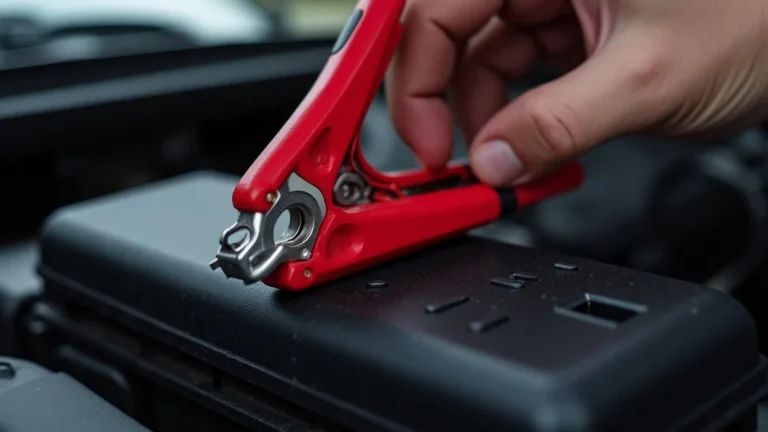
- Disconnecting the Negative Cable: Start by disconnecting the negative battery cable. This isolates the battery from the vehicle’s electrical system.
- Setting Up the Multimeter: Set the multimeter to measure DC current (amps). Connect one probe of the multimeter to the negative battery terminal and the other probe to the negative battery cable.
- Reading the Current Drain: A normal parasitic drain is around 50 milliamps (0.05 amps). If the reading is higher, there is a drain.
If the reading is above 50 milliamps, it signifies a parasitic drain. To identify the source, you can start removing fuses one at a time. After removing each fuse, check the current drain again. When you remove a fuse and the current drain drops to normal levels, the circuit related to that fuse is the source of the drain. Replace the fuse, and then explore the electrical components and wiring in that circuit.
Step 3: Visual Inspection of Wiring and Connections
A good visual inspection of the car’s electrical components and wiring helps identify problems such as shorts, loose connections, or damage. Inspecting wires for damage, corrosion, or incorrect routing is essential. These problems can lead to electrical issues, including a car alternator draining battery. If you look carefully, you can often find the problem.
- Checking Wires: Carefully examine all visible wires for any signs of damage, such as cuts, fraying, or melted insulation. Damaged insulation can cause shorts.
- Inspecting Connectors: Check all connectors and terminals for corrosion or loose connections. Corrosion can disrupt the electrical flow, and loose connections can cause intermittent problems.
- Following Wiring Paths: Trace the wiring paths, especially near areas of movement or exposure to the elements, such as the engine bay or under the dashboard.
Pay close attention to wiring near the battery and alternator, as these components are frequently involved in charging system problems. Look for any wires that might be touching metal components, as this could cause a short. Replace any damaged wires or connectors immediately. Repairing loose connections is often as simple as tightening them or cleaning the contacts.
Step 4: Isolating the Problem Circuit
When you identify a parasitic drain using the multimeter, the next step is to isolate the problem circuit. Once you have located the circuit with the drain, you can then investigate the components within that circuit to find the culprit. This process helps pinpoint the specific component causing the problem, which often leads to car alternator draining battery problems. Knowing which circuit is causing the problem simplifies the work to be done.
- Fuse Box Location: Locate your car’s fuse box, which is usually found under the dashboard, in the engine bay, or in the trunk. The owner’s manual will show you the layout.
- Fuse Removal: Begin by removing the fuses one at a time from the suspect circuit. After removing each fuse, check the multimeter to see if the drain has stopped.
- Identifying the Component: Once the drain has stopped, the component associated with the removed fuse is the likely cause. This could be a light, a relay, or another electrical device.
Once you’ve found the circuit, look for the component causing the drain. Check the component’s wiring and connections for any obvious problems. Test the component to verify that it is working correctly. It might need to be repaired or replaced. Finding the specific faulty component will solve the car alternator draining battery problem.
How to Prevent Car Alternator Draining Battery Problems
Preventing a car alternator draining battery issue involves regular maintenance and awareness of your car’s electrical system. Consistent checkups and proactive measures can minimize the risk of problems. Regular maintenance of a car’s electrical system will help keep the battery charged and maintain the electrical components in good working order. Here are a few things you can do to avoid problems.
Regular Maintenance Tips
Regular maintenance is a great way to prevent problems related to the car alternator draining battery. Performing these tasks regularly will help keep your car’s electrical system in good condition. These maintenance steps can save time and money by preventing major problems from occurring.
- Check Battery Terminals: Inspect your battery terminals for corrosion regularly. Clean any corrosion you find to ensure good electrical connections. Corrosion can build up over time and affects the electrical flow. Use a wire brush and a battery terminal cleaner to remove corrosion.
- Inspect Wiring: Regularly check the condition of your car’s wiring. Look for any signs of damage, such as cuts, fraying, or melted insulation. Damaged wiring can cause shorts, leading to battery drain.
- Test the Battery and Alternator: Schedule periodic battery and alternator tests. Auto parts stores often provide these tests for free. Testing these components will detect any potential problems.
Following these steps helps to maintain a healthy electrical system. By doing this, you’re more likely to avoid the problems associated with a car alternator draining battery. If you do these things, you will most likely be able to avoid electrical issues.
Driving Habits for Battery Health
Your driving habits have a significant impact on your battery’s lifespan and the performance of your car’s electrical system. Understanding these habits and changing them to protect your car’s battery can help avoid problems like a car alternator draining battery. Driving habits that promote battery health involve managing the way you drive, especially in how you treat your car’s electrical system.
- Avoid Short Trips: Short trips don’t give the alternator enough time to fully charge the battery. Frequent short trips can lead to a partially charged battery, making it more prone to discharge.
- Limit Accessory Usage: Be mindful of using electrical accessories, especially when the engine is off. Accessories such as the radio, headlights, and AC drain the battery quickly.
- Check Electrical Systems: Before turning off the car, check that all electrical components are turned off. Lights left on can drain the battery overnight.
Adopting these driving habits is a key step towards maintaining the health of your car’s battery and preventing problems. Taking good care of your driving habits can extend the life of your battery, which will avoid a car alternator draining battery issue.
Regular Professional Checkups
Professional checkups can help maintain the health of your car’s electrical system and address any potential problems early. A qualified mechanic can accurately diagnose and repair issues. Regular professional inspections, such as the electrical system, can prevent major problems like a car alternator draining battery. Getting your car checked by a professional is sometimes the best way to keep your car running properly.
- Annual Inspections: Get a complete electrical system inspection done annually. A mechanic can test the battery, alternator, and wiring to make sure everything is in good working order.
- Address Warning Lights: Never ignore the warning lights on your dashboard. They often signal a problem, such as a charging issue. If the battery light or any other electrical warning light comes on, get it inspected immediately.
- Ask for Repairs: Promptly address any electrical problems identified by your mechanic. This prevents minor issues from turning into major problems that can cause a car alternator draining battery situation.
Following these measures can help to maintain the health of your car’s electrical system. Regular professional checkups provide a safety net for potential electrical problems, ensuring a long life for your car’s battery.
Frequently Asked Questions
Question: What does it mean when the battery light comes on?
Answer: When the battery light comes on, it usually means there is a problem with the charging system. It could indicate a faulty alternator, a loose connection, or a drained battery.
Question: Can a bad starter drain the battery?
Answer: A bad starter typically does not drain the battery directly when the car is off. But, if the starter is failing, it can strain the battery during starting, which can reduce its lifespan over time.
Question: How can I tell if my alternator is bad without a multimeter?
Answer: You can try starting the car, then disconnecting the negative battery cable. If the car stalls, the alternator may not be charging the battery and is likely the problem. However, this is not a definitive test.
Question: What causes a car battery to drain overnight?
Answer: The most common causes are parasitic drain from electrical components (like lights, radios, or faulty relays) or a faulty alternator that isn’t charging the battery properly.
Question: Can I jump-start a car with a bad alternator?
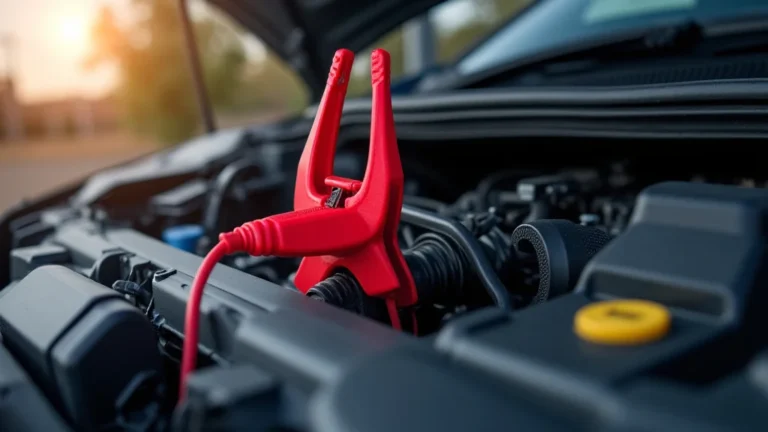
Answer: You can jump-start a car with a bad alternator, but the car will likely die again once the jump-starter is disconnected. The alternator cannot recharge the battery, so the car will use only the battery’s stored power.
Final Thoughts
Dealing with a car alternator draining battery can feel like a major problem, but you can explore and fix it. From understanding the basics of your car’s electrical system to following step-by-step troubleshooting, you’re well-equipped to pinpoint the source of the issue. Whether it’s a worn-out alternator, parasitic drain from a faulty component, or wiring troubles, a systematic approach is key. Remember, you don’t need to be a mechanic to troubleshoot and fix these issues. Regular maintenance and careful driving habits will help extend the life of your battery and prevent future problems. With the right approach, you can keep your car running smoothly. Now you can get started, and if you get stuck, always consult a qualified mechanic.