Car Alternator Clicking Noise: Simple Fixes for a Common Problem
Hearing a car alternator clicking noise can be a bit stressful, especially if you’re not a car expert. This sound often signals a problem, but don’t worry! It’s a pretty common issue that many car owners experience. This guide will make things easy to follow, giving you clear steps to figure out what’s causing that clicking. Get ready to explore the possible causes and learn how to fix them, without any complicated jargon.
What Causes That Clicking Sound?
When you hear a car alternator clicking noise, it is often related to the electrical system or the starting process. Many components can produce this sound. Sometimes, a clicking is normal, like when a relay switches on and off. Other times, it means something is going wrong. Understanding the source of the clicking is essential to correctly diagnose and fix the issue. We’ll explore various possibilities, starting with the most frequent and straightforward issues and moving to more complex scenarios.
Common Culprits of the Clicking
The clicking sound from your car can come from several components. The starter motor, the battery, or even a faulty relay can produce this. A starter motor issue usually involves a distinct single click when the key is turned. However, repeated clicking may indicate a lack of power. A weak battery, especially in cold weather, often results in clicking sounds as the starter tries to engage. Relays, which are electrical switches, can also click as they cycle on and off, but a rapid, rhythmic clicking can suggest an electrical problem. Checking each of these elements is a necessary step towards finding the source of the issue.
- Starter Motor Issues: The starter motor is responsible for turning the engine over to start the car. A malfunctioning starter can cause clicking sounds. If the starter solenoid is not getting enough power or is failing, it will click but not engage the engine.
- Battery Problems: A weak or dead battery is a frequent cause of clicking sounds. When the battery doesn’t have enough power, it can’t provide the necessary current to start the engine. The clicking you hear is often the starter motor solenoid trying to engage, but failing.
- Faulty Relays: Relays are electrical switches that control high-current circuits using a smaller current. They help manage the flow of electricity to different components. When a relay is failing, it may click repeatedly as it attempts to switch on and off.
- Alternator Issues: While less common, the alternator can sometimes produce a clicking sound, especially if it’s struggling to charge the battery.
The starter solenoid is a small, but very important, part of the starting system. It acts like a switch, using electricity to connect the starter motor to the battery. When you turn the key, the solenoid receives a signal and pushes a gear called the pinion gear toward the engine’s flywheel, starting the engine. If the solenoid has worn contacts, or if it isn’t getting enough power, it can cause a clicking sound. This is often the first thing people check when they hear a clicking sound. A faulty solenoid means the starter can’t do its job, leaving you stranded. Replacing the starter motor can be a solution, but sometimes just fixing the solenoid might do the trick.
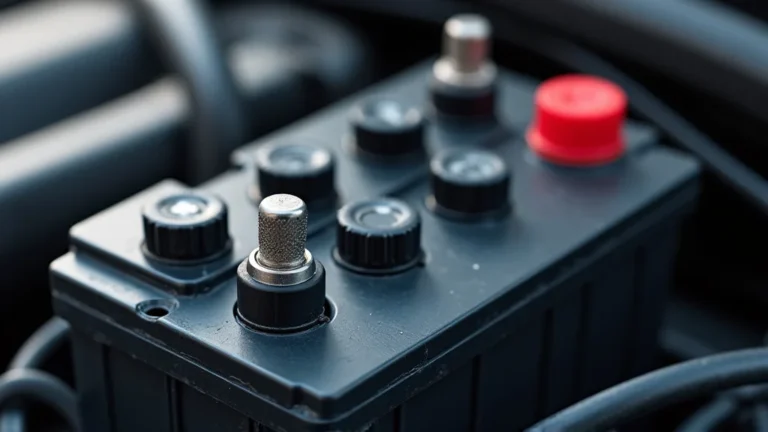
Car batteries, like any other batteries, can lose their ability to hold a charge. Over time, or with frequent use, the internal components of the battery may deteriorate, reducing its capacity. Another common problem is parasitic drain, where small electrical components, like interior lights or the radio, use power even when the car is off, slowly depleting the battery’s charge. In cold temperatures, batteries struggle to deliver the required power. This is because the chemical reactions inside the battery slow down. A jump start or charging the battery can often temporarily fix this problem, but if the battery is old or damaged, it might need to be replaced. Replacing the battery is an easy fix.
Relays are found in many car systems, like the fuel pump, headlights, and the starter. They’re like tiny, automated switches. They use a small amount of electricity to control a larger flow of current. When the relay receives a signal, it switches the circuit on, sending power to the component it controls. If the relay is faulty, it might not provide enough power or it can cause the clicking sound. This can lead to the component not working correctly. The good news is that replacing a relay is usually a simple and inexpensive task. Relays are often similar sizes, so it’s best to find the correct relay for the component.
The alternator is the heart of a car’s electrical system, keeping the battery charged and powering the car’s electrical components when the engine is running. If it’s failing, the battery might not get enough charge. This can create a variety of electrical problems. You might notice dim headlights, a slow-cranking engine, or warning lights on the dashboard. Although less common, issues like a failing diode in the alternator or a loose connection can sometimes create a clicking noise, too. Usually, alternators don’t make noises like clicking, so if you hear that, it’s worth checking out other components first.
Diagnosing the Clicking Noise
Diagnosing the car alternator clicking noise involves a systematic approach to identify the root cause of the sound. The first step involves listening carefully to when and how the clicking occurs. Does it happen when you turn the key, or does it happen at other times? Is it a single click, or a rapid series of clicks? Next, perform a visual inspection of the car’s components, checking battery terminals for corrosion and loose connections. Checking the battery’s voltage is critical, as a weak battery is a common problem. If the battery checks out, move on to checking the starter motor and relays. Accurate diagnosis can help avoid unnecessary repairs.
Step-by-Step Diagnostic Process
The diagnostic process can seem complex, but breaking it down into steps makes it easier to follow. Start by noting when the clicking happens. Does it occur when you turn the key to start the car, or at other times? This is crucial for narrowing down the possible causes. Next, perform a visual inspection of the battery, including its terminals and cables. Look for any corrosion or loose connections that could interrupt the electrical flow. Use a multimeter to measure the battery’s voltage, both when the car is off and when you try to start it. A low voltage reading indicates a weak or dead battery. If the battery seems to be in good condition, check the starter motor. Listen carefully for the sound near the starter, using another person to turn the key. If the click comes from the starter, this points to an issue there. Also, inspect the relays by identifying their location in the fuse box and ensure they are properly seated.
- Listen Carefully: Pay attention to the sound.
When you hear the clicking sound, note whether it’s a single click or a rapid series of clicks, and when it happens. This can give you an important clue about where the problem is. For example, a single click often indicates a problem with the starter motor, while a rapid series of clicks suggests a low battery or relay issue. Sometimes, you might notice the clicking is associated with a specific action, like turning on the headlights or the AC. This information will help narrow down the possible causes.
- Visual Inspection: Check for obvious problems.
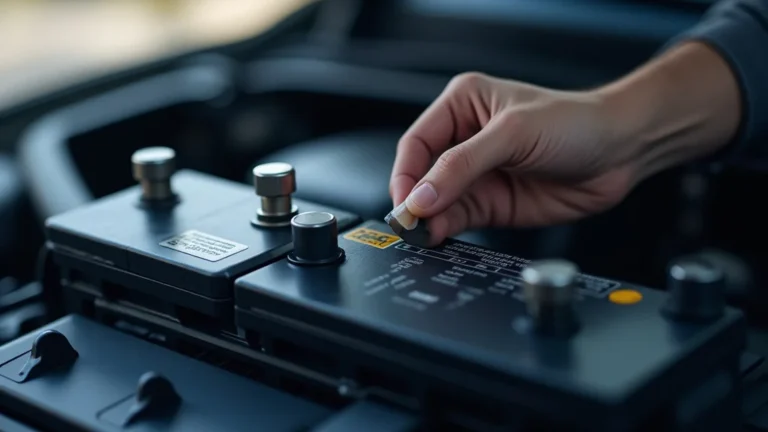
Start with the battery. Look for any signs of corrosion on the terminals. Corrosion creates a barrier that prevents the smooth flow of electricity. Also, check the battery cables to ensure they are securely connected to the terminals. Loose connections cause intermittent electrical problems. Check the fuses and relays. Fuses are there to prevent electrical surges from damaging components. Relays can be easily checked. Locate the fuse box in the car, and check the condition of the fuses, especially those related to the starting system or other electrical components. Then, replace any blown fuses. If you see any signs of damage like melted wires or burned components, it means there’s a serious electrical issue.
- Battery Voltage Test: Use a multimeter to check the battery’s voltage.
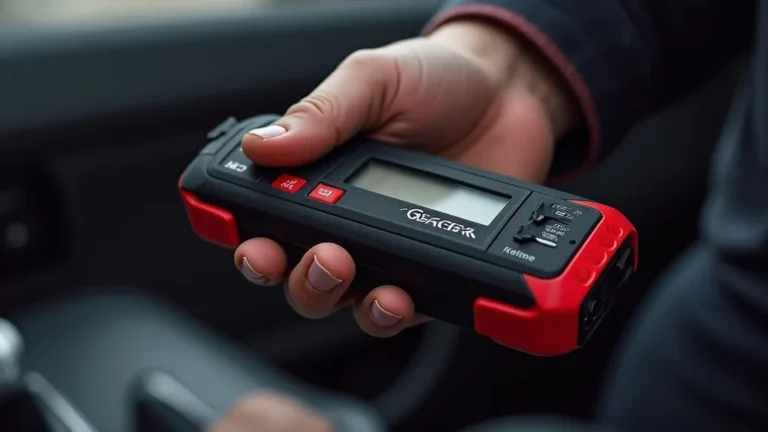
A multimeter is a handy tool to measure the voltage of your car’s battery. Connect the red probe to the positive terminal and the black probe to the negative terminal of the battery. With the car off, you should get a reading around 12.6 volts, or higher. If the voltage is lower, this suggests a weak battery. When you try to start the car, and the voltage drops drastically below 9.6 volts, this confirms that the battery can’t provide enough power to start the engine. You can also test the battery under load, which better simulates the starting process. Many auto parts stores offer free battery testing. This will give a more accurate picture of the battery’s condition.
- Starter Motor Test: Try to isolate the starter motor.
Locating the starter motor can be challenging, but it’s usually near the engine. When the starter motor is the problem, a single, sharp click often comes from it. If you have another person to help, let them turn the key while you listen closely for the sound. If you hear the click from the starter, the problem might be with the starter solenoid or the starter motor itself. Sometimes, you can give the starter a gentle tap with a hammer while the car is trying to start. This might help free a stuck component. If the starter motor doesn’t make any sound, you will need to check other components. Use a test light or multimeter to check for voltage at the starter. This can help rule out issues in the wiring or the starter relay.
- Relay Inspection: Test the relays, if possible.
Relays are like electrical gatekeepers, managing the flow of electricity to different parts of your car. They can cause a clicking sound when they are failing. Locate the relay box, usually in the engine compartment or under the dashboard. You can test a relay by swapping it with a known working relay of the same type. For example, you might swap the starter relay with a similar relay from the horn or the lights. If the clicking sound disappears, the original relay was faulty. If you don’t have another relay to swap, you can visually inspect the relay for any signs of damage, such as burning or melting, which indicates that it has failed. Check that the relay is securely seated. Loose connections can also cause intermittent electrical problems. Also, you can sometimes use a multimeter to check the relay. This is more advanced, but it allows you to test the voltage and resistance of the relay.
The Impact of Low Voltage on Vehicle Systems
Low voltage is a frequent contributor to a car alternator clicking noise and can affect different systems in your car. It will disrupt the electronic control units (ECUs), which manage various functions of the car. Insufficient voltage will lead to erratic behavior in different components, such as the lights, the radio, or even the engine management system. A weak battery can cause problems for the starter motor, preventing it from properly engaging. The car’s computer systems depend on a consistent voltage level. Any drop can result in inaccurate readings from sensors, misfires, or even the failure of electronic devices. The long-term effects of repeatedly running a car with low voltage are also important, resulting in accelerated wear and tear on electrical components.
Systems Vulnerable to Low Voltage
A weak battery can cause many problems for your car’s systems. The car’s ECU monitors and controls various operations, such as the engine timing, fuel injection, and other features. A lack of sufficient voltage can cause the ECU to malfunction, potentially leading to performance issues and erratic behavior. The starting system is one of the most affected components, including the starter motor, which needs a sufficient electrical supply to crank the engine. Insufficient power can cause the starter motor to fail, leading to clicking noises and the inability to start the engine. The car’s electrical components, such as lights, radio, and power windows, may not function correctly. A dim or flickering lights, a malfunctioning radio, and slower window operation are all common symptoms of low voltage. The alternator is important for providing power to all the systems while the engine is running and recharging the battery. In case of low voltage, the alternator will have to work hard to recharge the battery. Prolonged low voltage can lead to early failure of the alternator.
- Engine Control Unit (ECU): The ECU controls many functions.
The ECU is the brain of your car, controlling various engine functions like fuel injection, ignition timing, and emissions control. It relies on a stable voltage supply to operate properly. A drop in voltage can disrupt the ECU’s performance, leading to a variety of issues, such as rough idling, poor fuel economy, and even engine stalling. Low voltage causes incorrect readings from sensors and affect the car’s performance. In some cars, the ECU can store fault codes related to low voltage. Diagnosing the ECU’s faults can lead to a deeper understanding of the underlying electrical issues. This will help you resolve the root cause of the problem.
- Starting System: The starter motor needs enough power.
The starting system, which includes the starter motor, solenoid, and related wiring, is highly sensitive to voltage fluctuations. The starter motor needs a high current to crank the engine and start the car. When the battery voltage is low, the starter motor may struggle to engage, resulting in clicking sounds or the inability to start the engine. The starter motor solenoid, which is a key component, might click repeatedly without engaging the engine. The solenoid acts like a switch, providing power to the starter motor. Low voltage hinders the solenoid’s function, causing it to click without engaging. Over time, recurring voltage problems can damage the starter motor and solenoid, which may need to be replaced. Proper diagnostics and maintenance of the battery will prevent these issues.
- Electrical Accessories: Lights, radio, and other accessories.
Low voltage can cause different electrical accessories to malfunction. Headlights may become dim, while interior lights might flicker or fail to turn on. The radio may cut out or behave erratically. Power windows and door locks may operate slowly or not at all. These issues indicate a lack of power to the different electrical components. Modern cars have many electronic features. They all depend on a stable power supply. Consistent low voltage will lead to component failure. Maintaining the proper voltage ensures that the car’s electrical systems are functioning correctly, providing a safer and more enjoyable driving experience.
- Alternator Function: Can cause the alternator to work harder.
The alternator produces electricity to charge the battery and power the car’s electrical components. When the voltage is low, the alternator works harder to keep the battery charged. This can strain the alternator, causing it to fail sooner. Low voltage can prevent the alternator from charging the battery fully, leading to a cycle of undercharging and more problems. The alternator’s efficiency decreases, and it may not be able to meet the car’s power demands. It also impacts the overall life of the battery. If the alternator is not working correctly, it can trigger the warning light on the dashboard. The dashboard light means there’s a problem with the charging system. Regular maintenance and checks of the alternator and battery can prevent this.
Solutions and Troubleshooting for Clicking Noise
Finding a solution for the car alternator clicking noise involves pinpointing the issue and taking the appropriate steps to address it. This may involve replacing a bad battery, swapping a relay, or fixing the starter motor. Always make sure to check the battery first, because it is the most common cause. When you get the car repaired, you can prevent future clicking sounds. If you are not comfortable working on your car, consider having a professional mechanic do the repairs. This guarantees a correct and safe solution to the problem, getting you back on the road safely.
Repair Strategies and Prevention
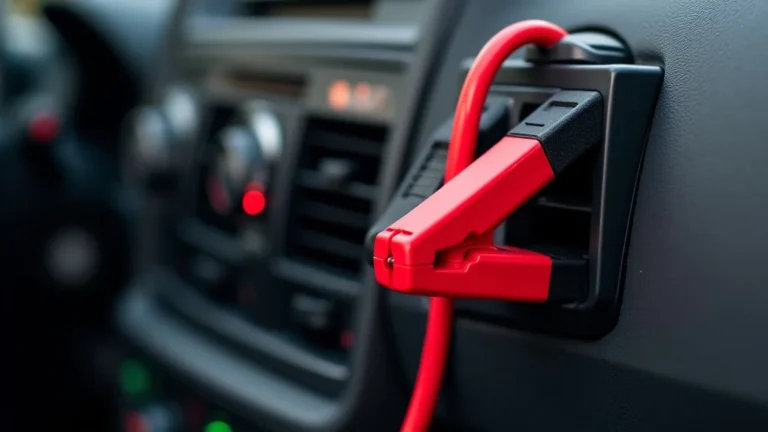
When you encounter a clicking noise, the approach depends on what is causing it. Start by checking the battery and its terminals for corrosion or loose connections. Clean the terminals and tighten any loose connections. A jump-start could be enough to get the car started and assess the battery’s condition. If the battery is old or repeatedly drains, it’s time to
- Battery Replacement: When to change the battery.
Replacing the battery is a frequently needed fix. If the battery is old, or you have to jump-start your car frequently, then replacing the battery is the right thing to do. Check the date on the battery; they usually last for three to five years. Another sign is when the battery fails to hold a charge or the voltage drops quickly, even when charged. If you have the car tested, and the battery fails the load test, it means it’s not holding enough power. When choosing a new battery, make sure it matches the specifications that your car requires. Consider getting a battery with a higher cold-cranking amps rating if you live in a cold climate, as this gives your car more power to start in cold weather.
- Starter Motor Repair/Replacement: How to resolve starter problems.
If the clicking sound comes from the starter motor, your action may depend on the problem. If the solenoid is the issue, it may be possible to
- Relay Swapping/
A faulty relay can easily be fixed. Start by identifying the faulty relay. Locate the fuse box, find a relay of the same type, and swap it. If the clicking stops, then you know which relay needs replacement. If you have similar relays, you can swap them to check. Make sure you match the type and the amperage rating of the original relay. You can find this information on the relay itself or in your car’s manual. The removal of the old relay is easy, and you can just pull it out. Insert the new relay into the same location. Once the relay is in place, restart the car. If the component that was not working is now functioning, then you have fixed the problem. If the clicking persists, then the relay was not the problem, and you will need to look for another cause.
- Professional Assistance: When to call a mechanic.
Sometimes, the car alternator clicking noise may need to be addressed by a mechanic. Complex electrical problems, or if you are not comfortable with car repairs, mean a professional inspection is required. A mechanic will have diagnostic tools and skills to find and fix the problem. They can accurately identify the source of the clicking noise. They can handle complicated repairs. They will also address the cause of the problem. A mechanic has experience with different car models. They can handle electrical issues and can offer advice on long-term maintenance. If you are not comfortable, always consult a professional for your car’s health and safety.
| Component | Possible Problem | Solution |
|---|---|---|
| Battery | Dead or weak | Charge or replace |
| Starter Motor | Faulty solenoid or motor | Repair or replace |
| Relay | Malfunctioning | Replace |
| Alternator | Failing to charge | Test and replace if needed |
Frequently Asked Questions
Question: Why is my car clicking but not starting?
Answer: The most common cause is a weak or dead battery. The clicking noise is usually the starter motor solenoid trying to engage, but failing due to lack of power. However, it could also be a problem with the starter motor itself or a faulty relay.
Question: Can a bad alternator cause a clicking sound?
Answer: It’s less common, but yes, a failing alternator can sometimes cause a clicking sound, especially if it’s struggling to charge the battery. However, the clicking sound is generally related to the battery or starter motor.
Question: How do I test my car battery for problems?
Answer: You can use a multimeter to measure the battery’s voltage. A reading of around 12.6 volts when the car is off is normal. A significant drop in voltage when you try to start the car indicates a problem. Also, most auto parts stores offer free battery testing.
Question: Is it safe to jump-start a car with a clicking noise?
Answer: It can be a good starting point, but it’s important to understand the root cause of the clicking. Jump-starting might help temporarily, but it won’t fix the underlying issue. If the car still clicks after the jump, you likely have another problem.
Question: How much does it cost to fix a clicking noise from the alternator?
Answer: The cost varies, depending on the cause. A simple fix, like replacing a relay, might cost only a few dollars. Replacing a battery could cost between $100 and $300. Starter motor repairs can range from $150 to $500. Alternator replacements are often more expensive, possibly ranging from $300 to $800.
Final Thoughts
A car alternator clicking noise can be a headache, but the good news is that it’s often a straightforward fix. It might be a weak battery, a faulty starter motor, or a relay needing