Can You Swap Lead Acid Batteries for AGM Ones?
Thinking about batteries and wondering can you
Choosing Between Battery Types
Deciding which battery is right for your needs starts with knowing the differences between the options. Lead-acid batteries have been around for a long time. They’re usually cheaper up front but can need more upkeep. AGM (Absorbent Glass Mat) batteries are a different type. They’re often seen as an upgrade, offering advantages that could be a good fit. AGM batteries are a popular choice for their efficiency and power capabilities, particularly in devices and vehicles. They’re a significant upgrade in terms of performance and require less upkeep. Considering factors like cost, lifespan, and use conditions will help you select the best battery type for the job.
Lead-Acid Battery Basics
Lead-acid batteries are like the workhorses of the battery world, known for their reliability. They use lead plates in a sulfuric acid solution. When the battery provides power, a chemical reaction occurs, generating electricity. This process can be reversed during charging. The common types are flooded, where the acid is liquid, and sealed, where the acid is gelled or absorbed. Lead-acid batteries have been a staple for decades, powering everything from cars to backup systems. The electrolyte is the key component that allows the chemical reaction that generates power to occur.
- Flooded Lead-Acid Batteries: These are the classic type, with liquid electrolyte. They’re often cheaper but require more maintenance, like topping off water.
- Sealed Lead-Acid Batteries: Sometimes called “maintenance-free,” these have gelled or absorbed acid, reducing the risk of spills and generally requiring less attention.
- Starting, Lighting, and Ignition (SLI) Batteries: Made to provide a burst of power for starting engines, not for deep cycling. These are common in cars and trucks.
- Deep-Cycle Lead-Acid Batteries: Designed to provide consistent power over a longer time, and can handle being discharged and recharged many times.
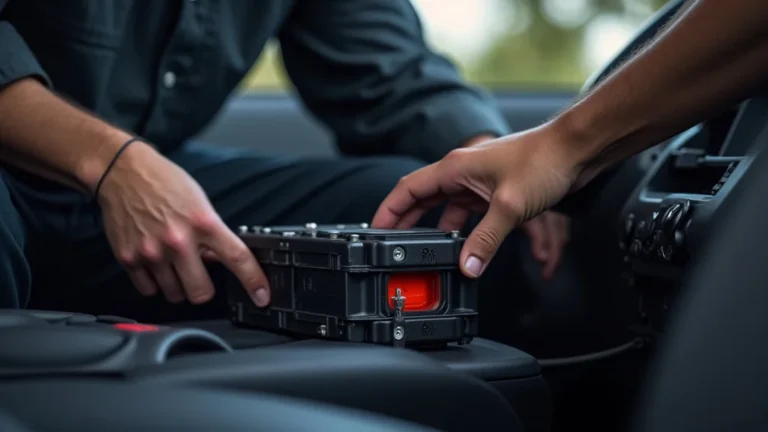
A car battery is a good example of a lead-acid battery. It provides the initial surge of power to start the car’s engine. After that, the car’s alternator recharges the battery as you drive. The battery provides a burst of power to start the engine, and the alternator recharges it as the car runs. This kind of battery isn’t made for deep discharge; repeatedly draining it completely can shorten its life.
AGM Battery Essentials
AGM batteries, on the other hand, are a more modern option. In an AGM battery, the electrolyte is absorbed by a special glass mat. This design has several benefits. The glass mat holds the acid close to the plates, making for efficient power delivery. AGM batteries are sealed, which means they won’t spill and can handle vibration better. They also charge faster and last longer than many lead-acid batteries. Because they don’t have liquid acid, they’re safer and more resistant to damage. Many people pick AGM batteries for applications where reliability and performance matter.
- Construction: The electrolyte is absorbed into a glass mat, which increases efficiency and safety.
- Sealed Design: They’re spill-proof and can be mounted in various positions.
- Vibration Resistance: The design makes them much better at withstanding bumps and shaking.
- Recharge Rate: AGM batteries can handle faster charging than flooded batteries, offering convenience.
Think about a motorcycle. AGM batteries are often a good fit because they’re better at handling vibrations and can be mounted at different angles. This makes them great for vehicles and portable power systems that need a reliable battery.
Checking Compatibility Before the Swap
Before you decide can you
Charging System Matters
The charging system in your device or vehicle is key to a successful battery swap. AGM batteries usually need a slightly higher charging voltage compared to traditional lead-acid batteries. If your existing charging system is not set up correctly, the AGM battery might not charge fully, or worse, it might be damaged over time. It is vital to check the charging voltage to make sure it aligns with the AGM battery’s needs. You might need to adjust the charging system or consider getting a smart charger. A compatible charging system will let your new battery function at its best, ensuring it charges correctly and lasts longer.
- Voltage Check: Verify the charging voltage of your device. AGM batteries often need slightly higher voltage than standard lead-acid.
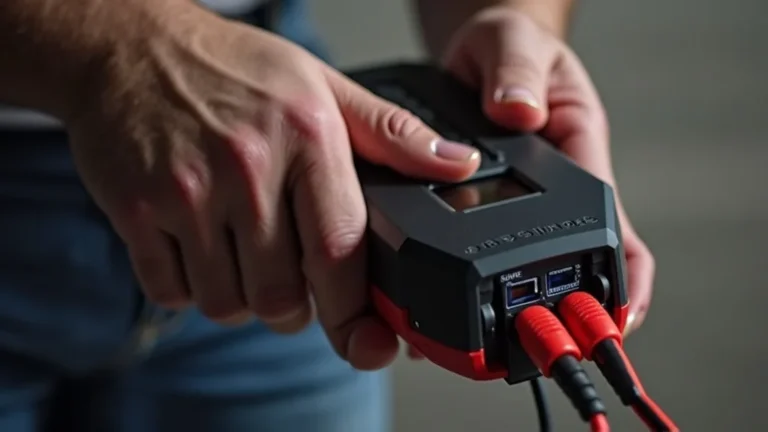
- Smart Charger: Using a smart charger will make sure the battery charges correctly, preventing overcharging and undercharging.
- Alternator Compatibility: For cars and vehicles, make sure the alternator can supply the right voltage.
- Charge Controller: For solar or other off-grid systems, you might need to adjust the charge controller settings.
Imagine you are upgrading your car battery. If you go from a lead-acid to an AGM battery, you have to be sure your car’s charging system provides the voltage the AGM battery requires. Otherwise, the new battery might not get fully charged, and its life will be cut short. Getting this correct is necessary for the best results.
Fit and Dimensions
Make sure the AGM battery will physically fit where your lead-acid battery goes. This involves checking the dimensions of the new battery, including length, width, and height. Measure the space in your device or vehicle and compare it to the battery specs. You may also need to check the terminals and make sure they match the existing connectors. The terminals must fit securely to ensure a good connection and to prevent any sparks or shorts. Confirm the battery can be held securely to avoid damage during movement or vibration. It seems simple, but getting the physical fit right is the first step toward a working replacement.
- Measure the space: Length, width, and height are essential to measure accurately.
- Check the terminals: Make sure the terminals on the new battery match the existing connectors.
- Secure mounting: Guarantee the battery can be held firmly in place.
- Ventilation considerations: Sealed batteries don’t produce gases in the same way, but make sure the area provides proper airflow.
Let’s say you’re replacing the battery in a boat. The compartment that holds the battery is usually limited in size. If the new AGM battery is slightly bigger, it won’t fit, and you will need to find another size or make adjustments. Also, ensure the terminals are in the correct place to match up with the boat’s wiring.
Making the Battery Replacement
The actual process of replacing a lead-acid battery with an AGM is pretty straightforward. You’ll need some basic tools and a bit of care. First, you’ll disconnect the old battery safely. Then, you’ll install the new AGM battery. Finally, you will connect everything back up, making sure all the connections are secure. Following these steps and taking safety precautions will help you do the job properly and avoid any problems. Take your time to make sure you do it right.
Step-by-Step Replacement
Here’s a basic guide for swapping your lead-acid battery for an AGM. This is general advice, so always refer to the specific instructions for your battery and device. Safety is first, so ensure you have the correct tools and work in a well-ventilated area. Working safely will protect you and the equipment.
- Gather Your Tools and Materials: You’ll need a wrench or screwdriver set, gloves, safety glasses, and the new AGM battery. A multimeter is helpful to check voltage.
- Prepare the Area: Park your vehicle on a flat surface and turn off the engine. If replacing a battery in a device, switch it off and unplug it if necessary.
- Disconnect the Old Battery: Starting with the negative (-) terminal, use your wrench or screwdriver to remove the cable. Then, remove the positive (+) terminal. Be careful to avoid touching the terminals together with your tools.
- Remove the Old Battery: Carefully lift the old battery out of its housing. It can be heavy, so lift with your knees.
- Clean the Terminals and Housing: Use a wire brush to clean the battery terminals and clean out any corrosion. Clean the housing where the battery sits.
- Install the New AGM Battery: Place the new AGM battery in the housing. Make sure it sits securely.
- Connect the New Battery: Connect the positive (+) cable first, then the negative (-) cable. Make sure the connections are tight.
- Test the System: Turn on the device or vehicle to make sure everything works correctly.
Remember, if you are not sure about any step, get help from someone with experience or consult the device manual. Safety is key, so never skip any necessary steps.
Safety First
Safety is the most important thing when you’re working with batteries. Batteries contain acid that can cause burns, so wear eye protection and gloves. Avoid working near open flames or sparks. The batteries produce hydrogen gas, which is very flammable. Make sure the area is well-ventilated. Always disconnect the negative terminal first and reconnect it last. This reduces the chance of short circuits. If you are not sure what to do, don’t do it. Get help from a professional.
- Eye Protection: Always wear safety glasses to prevent acid from getting into your eyes.
- Gloves: Wear gloves to protect your hands from acid burns.
- Ventilation: Work in a well-ventilated area to reduce the risk of inhaling fumes.
- Avoid Sparks: Don’t work near open flames or sparks. Batteries can release flammable gases.
- Order of Disconnection: Disconnect the negative terminal first and reconnect it last.
Think about a car battery. If you are changing it, make sure you wear safety glasses to protect your eyes. Also, ensure you disconnect the negative terminal before the positive terminal. This process will keep you safe while working on your car.
Maintaining Your New AGM Battery
Even though AGM batteries are low-maintenance, they still require some basic care to extend their lifespan. Following a few simple guidelines will help you get the most out of your AGM battery. Regular checks, proper charging, and avoiding deep discharges are key. Taking care of your battery ensures you get reliable performance and a good return on your investment.
Regular Checks
Although AGM batteries are sealed and don’t require the same maintenance as flooded batteries, it’s a good idea to check them periodically. Look for any signs of damage, such as swelling, cracks, or leaks. Also, check the terminals to ensure they are clean and free of corrosion. If you spot corrosion, clean the terminals using a wire brush and a solution of baking soda and water. Make sure the battery is securely mounted in place. A battery that moves around can get damaged more easily. By making these regular checks, you can identify and solve potential issues early.
- Visual Inspection: Check for any physical damage like swelling or cracks.
- Terminal Cleanliness: Keep terminals free from corrosion to ensure good contact.
- Secure Mounting: Make sure the battery is held in place firmly.
- Voltage Monitoring: If you have access, check the battery’s voltage to make sure it is holding a charge.
For a boat, make sure the battery is held firmly in place and check the terminals for any corrosion. Keeping these things in check will ensure the battery continues to work properly and avoid issues out on the water.
Charging and Usage
Use the right charging methods to keep your AGM battery in good shape. AGM batteries need specific chargers. It is essential to use a charger made for AGM batteries to ensure they are charged properly. Avoid overcharging or undercharging the battery. Overcharging can cause damage, and undercharging can shorten its life. Try not to completely discharge the battery. Repeated deep discharges can reduce the battery’s overall lifespan. Following the recommendations of the battery manufacturer will help to maximize your battery’s life.
- Use the Correct Charger: Make sure to use a charger designed for AGM batteries.
- Avoid Overcharging: Overcharging can damage the battery.
- Avoid Deep Discharges: Try to avoid completely discharging the battery, as it can reduce its lifespan.
- Follow Manufacturer’s Guidelines: Check the manufacturer’s instructions for charging and usage recommendations.
For an RV, if you are running an AGM battery to power lights and appliances, use a charger made for AGM batteries. Also, avoid draining the battery completely. Keeping an eye on your battery’s state and charging it properly will make it last longer.
Understanding the Difference in Lifespan
Knowing about the lifespan of AGM batteries compared to lead-acid is useful. AGM batteries can last longer than standard lead-acid batteries, especially if they are well-cared for. How long a battery lasts is usually measured in “cycles,” which means the number of times it can be charged and discharged. AGM batteries often can handle more cycles. The length of time an AGM battery lasts depends on many things, like how often it is used, how it is charged, and the conditions it’s used in. AGM batteries can offer an extended lifespan and better value in the long run. Even though they cost more at the start, they often have a longer lifespan, making them a wise option.
The average lifespan of a lead-acid battery is around 3 to 5 years. AGM batteries can last from 5 to 7 years. These are estimates; the real lifespan depends on how you take care of the battery and how you use it. AGM batteries generally offer a longer life cycle and are more durable. Their ability to handle deep discharges makes them a more reliable option, especially in applications where the battery is regularly drained and recharged.
| Feature | Lead-Acid Battery | AGM Battery |
|---|---|---|
| Lifespan | 3-5 years | 5-7 years |
| Maintenance | Requires regular maintenance | Low maintenance |
| Cost | Generally less expensive upfront | Typically more expensive |
| Vibration Resistance | Lower | Higher |
Frequently Asked Questions
Question: Can I just swap my old lead-acid battery for an AGM one without any changes?
Answer: Not always. You might need to change your charging system to ensure the AGM battery charges properly. Checking the charging voltage is key.
Question: Is it safe to use AGM batteries in my car?
Answer: Yes, but you need to make sure your car’s charging system is compatible with AGM batteries. If it’s not, you may need to make some adjustments.
Question: Can I mix lead-acid and AGM batteries in the same system?
Answer: No, you should not mix battery types in the same system as each needs different charging and maintenance settings.
Question: How do I know if my charger is compatible with an AGM battery?
Answer: Check your charger’s specifications. It should state that it’s designed for AGM batteries. If you are unsure, consult the charger’s manual.
Question: Do AGM batteries need any special care?
Answer: AGM batteries are low maintenance but benefit from regular checks for damage, ensuring the terminals are clean, and using the correct charging methods.
Final Thoughts
Now you have a better idea of whether can you