Can You Leave a Battery Charger On Overnight? A Simple Guide
A common question for anyone who uses battery-powered devices is: can you leave battery charger on overnight? It can be tricky, especially if you’re new to the world of batteries and chargers. You might worry about overcharging or damaging your devices. This guide will explore this topic step-by-step, making sure you feel confident and informed. We’ll cover everything you need to know, from different types of chargers to how to keep your devices safe. Ready to discover the answers?
Understanding Battery Chargers
Before exploring the question of can you leave battery charger on overnight, it’s helpful to understand how they work. Battery chargers convert alternating current (AC) from your wall outlet into direct current (DC) that your battery can store. They do this through a series of internal components, each with a specific job. Different types of chargers have evolved alongside advancements in battery technology. This includes everything from simple, older chargers to more sophisticated, modern ones.
Types of Battery Chargers
Battery chargers come in a variety of types, each with its own advantages and drawbacks. Choosing the right charger depends on the type of battery you’re using. Knowing the differences helps you to determine how to best charge your device safely. Many chargers have built-in safety features to prevent overcharging. However, it’s always good to be informed about the technology you are using.
- Trickle Chargers: These are simple chargers that provide a constant, low-level current to the battery. They were common with older battery types. They can potentially cause overcharging if left on for too long, but they are generally safe for overnight use on the correct battery types.
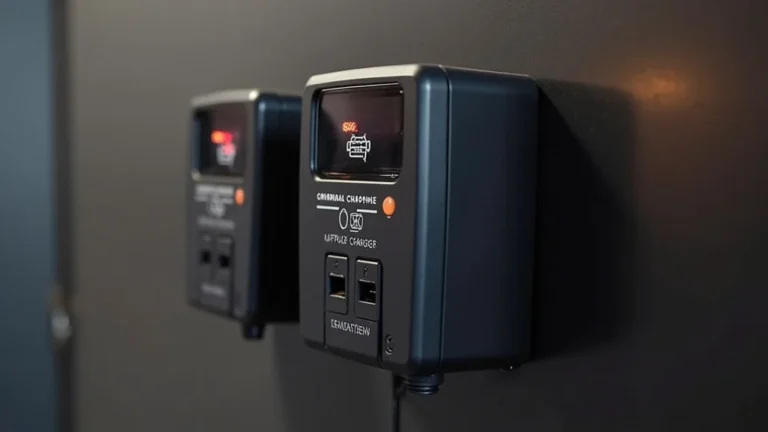
- Smart Chargers: Smart chargers are the most advanced type. They use microprocessors to monitor the battery’s voltage and current. They adjust the charging rate as needed, often with multiple stages. These chargers are designed to stop charging when the battery is full, making them safe for overnight use.
- Fast Chargers: Designed to charge batteries quickly, fast chargers deliver a higher current. They often incorporate safety features to prevent overheating and overcharging. However, some older fast chargers may not be safe for overnight use with certain battery types.
Battery Charging Stages
Most modern smart chargers use a multi-stage charging process. This process has several stages, each designed to optimize the charging process and protect the battery. The steps ensure the battery charges efficiently without causing damage. The stages may vary slightly between charger brands and battery types, but they generally follow a similar pattern. Understanding these stages is key to understanding how a charger protects the battery. Knowing these stages also allows you to make an informed decision on if can you leave battery charger on overnight for your device.
- Bulk Charging: In this initial stage, the charger provides the maximum current to quickly charge the battery. This stage is designed to bring the battery up to about 80% of its capacity.
- Absorption Charging: Once the battery reaches a certain voltage, the charger reduces the current. This stage allows the battery to absorb the remaining charge more safely and efficiently.
- Float Charging: After the absorption stage, the charger enters the float stage. It delivers a very low current to maintain the battery’s full charge without overcharging. This stage is key for smart chargers that can be left on for extended periods.
Can You Leave a Battery Charger On Overnight? Factors to Consider
The answer to the question, can you leave battery charger on overnight, is not always simple. It depends on several factors. These factors include the type of charger, the type of battery, and the specific device. Most modern smart chargers are designed to be left on overnight. However, older or less sophisticated chargers require more caution.
Charger Type and Technology
The type of charger plays a critical role in the safety of overnight charging. Smart chargers, as mentioned earlier, are the safest option. These chargers monitor the battery’s voltage and current and stop charging when full. They often switch to a maintenance or “trickle” mode to keep the battery topped up without overcharging. Older chargers, however, may not have these features. They might continue to charge the battery at a constant rate, potentially leading to overcharging and damage. This can be especially true for older devices that use basic chargers.
Battery Type and Chemistry
Different battery types, like lithium-ion, nickel-metal hydride (NiMH), and lead-acid, have different charging characteristics. Some battery types are more susceptible to damage from overcharging than others. Understanding the battery chemistry of your device is essential. Lithium-ion batteries, common in smartphones and laptops, are generally safe with smart chargers. NiMH batteries can be fine with smart chargers. Lead-acid batteries, often found in cars and motorcycles, require chargers designed for their specific needs.
Device Safety Features
Modern devices often incorporate their own safety features to prevent overcharging. Many smartphones, laptops, and other gadgets have built-in circuits that stop charging when the battery reaches 100%. Even if the charger is not a “smart” charger, the device itself can protect the battery. However, it’s still best to use a charger that’s appropriate for the device and battery. Always check the manufacturer’s recommendations for charging your specific device.
Risks of Leaving a Charger On Overnight
While many modern chargers and devices are designed for overnight charging, some risks are still present. These risks often stem from using the wrong type of charger or charging older devices. Understanding these risks will help you make a smart decision about whether can you leave battery charger on overnight is safe for your device.
Overcharging
Overcharging occurs when a battery receives more electricity than it can handle. This can happen if the charger doesn’t have the proper safety mechanisms. Overcharging can lead to several problems. It can reduce the battery’s capacity, make it overheat, and even cause it to leak or swell. In extreme cases, overcharging can be dangerous. It is important to know your battery’s needs. Ensure you are using the right charger and follow manufacturer guidelines. This is key to avoiding overcharging issues.
Heat Damage
Heat is a common byproduct of the charging process. Excessive heat can damage the battery. Leaving a charger on overnight can potentially increase the risk of overheating. This is especially true for devices that generate heat during charging. Smart chargers help to regulate this by adjusting the current and voltage as the battery charges. Ensure your charging environment is well-ventilated to help manage heat. This will also help to prevent potential damage. It is a good practice to touch the device and the charger to check for excessive heat. If it is hot to the touch, unplug it.
Fire Hazards
In rare cases, faulty chargers or damaged batteries can pose a fire hazard. Overcharging or short circuits can generate sparks or heat, potentially igniting flammable materials. Always use chargers that meet safety standards. Inspect the charger and the device for any signs of damage before charging. Never charge a device near flammable materials or in areas with poor ventilation. Regularly check your charger and the device for wear and tear. If you see any damage, replace the charger or have the device inspected.
Safe Charging Practices
To safely charge your devices overnight, follow some simple, yet helpful practices. These steps can reduce the risks associated with charging and help prolong the life of your batteries. These guidelines are great to consider when pondering if can you leave battery charger on overnight.
Use the Correct Charger
Always use the charger that came with your device or a charger specifically designed for it. Using the wrong charger can lead to overcharging or undercharging. It can also damage your battery. The charger should have the correct voltage and current ratings. It should also be compatible with your battery type. Check the device’s manual for specific charger recommendations. Using the correct charger is the first step towards ensuring safe charging.
Charge in a Safe Environment
Choose a safe environment for charging. Keep the charger and device away from flammable materials and liquids. Charge in a well-ventilated area to help dissipate heat. Avoid charging on soft surfaces like beds or couches, which can trap heat. Make sure the charger is plugged into a properly functioning outlet. This is all vital to charging your devices safely. The right environment minimizes the risks of overheating and potential fire hazards.
Regularly Inspect Your Equipment
Regularly inspect your chargers and devices for any signs of damage. Check the charging cable for fraying or damage. Ensure the charger itself doesn’t have any cracks or loose connections. If you notice any damage, replace the charger immediately. It is important to also check the device’s charging port for debris or damage. Damaged equipment can create hazards. Conducting regular inspections is a simple way to help prevent problems.
Scenarios and Case Studies
To better illustrate the concepts, here are some real-life examples. They highlight the practical implications of charging decisions. These scenarios show the different outcomes depending on how you handle your charging. They offer practical perspectives on whether can you leave battery charger on overnight is right for your device.
- Smartphone Overcharging: A user plugs their older smartphone into a generic charger overnight. The phone’s internal safety features work, preventing overcharging. The next morning, the phone is fully charged, but the battery life has slightly diminished over time due to the basic charger’s consistent output.
- Laptop with Smart Charger: A user leaves their laptop plugged in overnight using the original smart charger. The charger automatically stops charging when the battery is full, then enters a maintenance mode. This keeps the battery at 100% without causing any damage. The laptop’s battery health remains good.
Here are a few real-world examples:
- Case Study 1: A consumer repeatedly uses a third-party charger not designed for their smartphone. They find the battery overheats and degrades faster than expected. This leads to the battery failing before its expected lifespan. They learn the importance of using the correct charger.
- Case Study 2: An individual uses a smart charger to charge an electric toothbrush overnight. The smart charger prevents overcharging, and the toothbrush’s battery retains its capacity for years. This shows the benefits of safe charging practices.
- Case Study 3: A person leaves a device charging on a bed. During the night, the device overheats and malfunctions. They later learn to charge devices in open spaces with proper ventilation to reduce the risks.
Overnight Charging Best Practices
Following these practices helps ensure safe and efficient overnight charging. These practices help give you a clear answer to the question of can you leave battery charger on overnight.
Check the Charger and Device
Before leaving a device to charge overnight, give it a quick check. Examine the charger for any damage to the cable or the unit itself. Make sure the charging port on the device is clean and free of debris. Ensure the device is placed on a stable, non-flammable surface. These simple checks can prevent potential problems.
Use a Surge Protector
Using a surge protector adds an extra layer of protection. It can safeguard your devices from power surges that can damage chargers and batteries. A surge protector can also prevent damage from voltage fluctuations. They are relatively inexpensive and can provide peace of mind. Using one is a good habit. It is especially useful for older homes. They also safeguard your devices from electrical issues.
Monitor Battery Health
Monitor your battery’s performance over time. Note how long the battery lasts on a full charge. Check for any signs of swelling, overheating, or reduced capacity. Many devices have built-in tools that provide information about battery health. If you notice any issues, such as a rapidly draining battery, consult a professional. Monitoring your battery will allow you to maintain its peak performance.
Frequently Asked Questions
Question: Is it safe to leave my phone charging overnight?
Answer: Yes, in most cases. Modern smartphones use smart chargers that stop charging when the battery is full. This prevents overcharging and potential damage.
Question: Can overcharging damage my battery?
Answer: Overcharging can damage some battery types, but modern smart chargers prevent this. Older chargers and battery types are more vulnerable.
Question: What is a smart charger?
Answer: A smart charger uses microprocessors to monitor the battery’s voltage and current. It adjusts the charging rate as needed and stops charging when the battery is full.
Question: How can I tell if my charger is a smart charger?
Answer: Most modern chargers are smart chargers. Check the charger’s specifications or look for labels indicating it has safety features like overcharge protection.
Question: What should I do if my device or charger gets hot during charging?
Answer: If your device or charger feels excessively hot, unplug it immediately. Let it cool down and check for any signs of damage before using it again.
Final Thoughts
So, can you leave battery charger on overnight? The answer is generally yes, especially with modern devices and smart chargers. These chargers are designed with safety features that prevent overcharging. However, it’s essential to consider the charger type, the battery type, and device-specific recommendations. Using the correct charger, charging in a safe environment, and regularly inspecting your equipment are key practices. These practices are the foundation for safe charging. They also help extend the life of your batteries. Keep these tips in mind, and you can confidently charge your devices overnight. Stay informed and enjoy your battery-powered devices with peace of mind!