Can You Charge Gel Battery With Normal Charger Explained?
If you’re wondering, can you charge gel battery with normal charger, you’re not alone! Many people find charging gel batteries a bit tricky. It’s a common question, especially for those new to batteries. These batteries are different from standard lead-acid types, and using the wrong charger can cause damage. Don’t worry, though; it’s not as complicated as it sounds. This post will give you the details, step by step, so you can keep your gel battery running smoothly. We’ll go through everything you need to know. Let’s get started!
What Makes Gel Batteries Special?
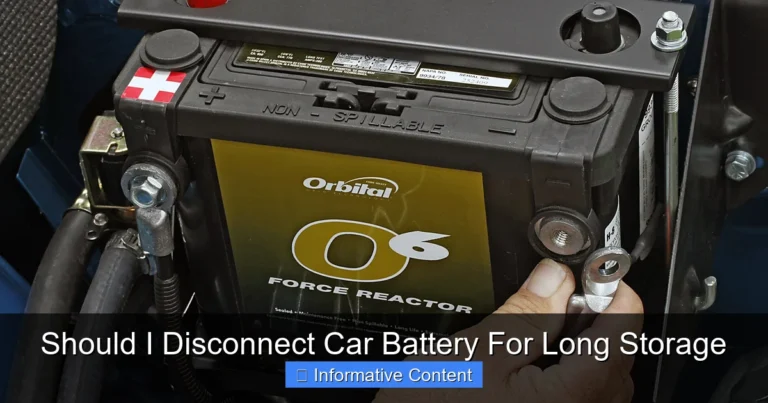
Gel batteries are a type of sealed lead-acid battery. They’re called “gel” because the electrolyte, which is the liquid inside, is a thick, jelly-like substance made by adding silica to the sulfuric acid. This gel keeps the acid from moving around freely. This design offers several advantages over traditional flooded lead-acid batteries. They are generally safer to use as they pose a lower risk of acid spills. The gelled electrolyte also helps them be more resistant to vibrations and shocks, which makes them suited for off-road vehicles. These characteristics make them a favorite in various applications.
Gel Battery Construction Details
Unlike flooded batteries where the acid is free-flowing, gel batteries have a gelified electrolyte. This means the sulfuric acid is mixed with a gelling agent, usually silica, to create a solid gel. The plates inside the battery are the same as in lead-acid batteries – lead and lead dioxide – but the gel prevents the electrolyte from stratifying. Stratification is when the acid concentrates at the bottom, which reduces performance and lifespan. The sealed design also means they don’t release gases during normal use, so they’re maintenance-free. These features make them a better option for devices with sensitive electronics.
- Sealed Design: Gel batteries are completely sealed, preventing spills and making them safe for use in various positions.
- Vibration Resistance: The gel electrolyte helps absorb vibrations, extending the battery’s life in tough environments.
- Maintenance-Free: They require no topping up with water, unlike flooded lead-acid batteries.
- Low Self-Discharge: Gel batteries hold their charge for longer periods when not in use.
- Temperature Tolerance: They tend to perform better in extreme temperatures compared to flooded batteries.
The construction of a gel battery directly impacts how it charges. The gel electrolyte is sensitive to overcharging, as excessive voltage can cause the gel to dry out and damage the battery. This is why using a charger designed specifically for gel batteries is essential. The right charger provides the correct voltage and current levels to protect the battery and maximize its lifespan. This highlights why it is important to know about can you charge gel battery with normal charger.
Why Gel Batteries Are Different
The key differences between gel batteries and other types of batteries lie in the electrolyte and construction. The gel electrolyte is more viscous and less susceptible to the effects of vibration and spills, which is not the case with standard lead-acid batteries. Gel batteries also have a lower self-discharge rate, meaning they lose power slower when not in use. They’re often used in applications where reliability and safety are key, like in medical devices and solar power systems. A further difference is in their charging requirements, making them stand out.
Here’s a simple table to compare:
| Feature | Gel Battery | Standard Lead-Acid |
|---|---|---|
| Electrolyte | Gelled (with silica) | Liquid sulfuric acid |
| Maintenance | Maintenance-free | Requires occasional water topping |
| Spill Resistance | High (sealed) | Lower (prone to spills) |
| Vibration Resistance | High | Lower |
| Charging Needs | Specialized charger needed | Can use standard or specialized chargers |
One of the primary differences that affects charging is the charging voltage. Gel batteries require a precise charging voltage to avoid damage, while standard lead-acid batteries are more forgiving. Overcharging a gel battery can lead to drying out the electrolyte, reducing its capacity. Understanding these differences is vital when considering can you charge gel battery with normal charger.
Common Uses of Gel Batteries
Gel batteries are frequently used in applications that demand safety, reliability, and extended life. Their sealed design and resistance to vibrations make them a popular choice for electric wheelchairs and scooters. They are also common in motorcycles and ATVs, where they endure rough conditions. In solar power systems, gel batteries are frequently used to store energy. They are also widely found in backup power systems and uninterruptible power supplies (UPS) to provide consistent power during outages. Gel batteries’ flexibility in diverse uses stems from their special design.
- Electric Vehicles: Electric scooters, wheelchairs, and golf carts.
- Motorcycles & ATVs: Rugged design withstands vibrations.
- Solar Power Systems: Energy storage.
- Backup Power: UPS systems and emergency lighting.
- Medical Equipment: Provides reliable power for devices.
For instance, in the medical field, gel batteries power vital equipment. They’re preferred because they provide reliable energy without leaking. Their resilience to temperature changes also makes them suited for outdoor equipment and remote locations. The applications highlight the unique traits of gel batteries, making them a suitable choice in different situations. These applications highlight the reason why it’s very important to ask yourself can you charge gel battery with normal charger.
The Risks of Using a Standard Charger
Using a normal charger with a gel battery can lead to problems. Standard chargers usually provide a constant voltage, but gel batteries need a different charging profile. This means that a standard charger might overcharge a gel battery, especially if it doesn’t have a specific charging mode. Overcharging can cause the electrolyte to dry out, causing damage to the battery’s capacity and overall lifespan. If the battery is damaged, it might not hold a charge or work at all. Understanding these risks is crucial when you are considering can you charge gel battery with normal charger.
How Standard Chargers Work
A standard charger delivers a constant voltage or a fixed charging rate to the battery. Many are designed for flooded lead-acid batteries and provide a charging voltage around 14.4 to 14.8 volts. When the battery is connected, the charger sends a steady flow of electricity to replenish the charge. This method can work well for traditional batteries. However, gel batteries are more sensitive to overcharging. This is why using a charger designed for gel batteries is better.
- Constant Voltage: Most standard chargers provide a fixed voltage output.
- Fixed Charging Rate: They might charge at a consistent current.
- No Special Settings: Typically, they lack specific charging modes for gel batteries.
- Basic Design: These chargers aren’t equipped with advanced protection features.
- Automatic Cut-Off: Some have a cut-off to prevent overcharging.
A standard charger’s lack of precise voltage regulation can cause problems for gel batteries. If the voltage is too high, it leads to overcharging, resulting in permanent harm. Because of the risk of causing damage to your battery, it’s worth investigating can you charge gel battery with normal charger.
Why Overcharging Is Harmful
Overcharging a gel battery is particularly harmful due to its construction. The gel electrolyte is prone to drying out if it’s exposed to excessive voltage or heat. This process reduces the battery’s ability to store energy. The battery’s lifespan is shortened significantly. Overcharging can cause the battery to bulge or even leak, creating a safety hazard. It is essential to prevent overcharging to maintain the battery’s functionality.
Here’s how overcharging damages a gel battery:
- Electrolyte Drying: Excessive voltage causes the gel to dry out, reducing its effectiveness.
- Reduced Capacity: Overcharging lowers the battery’s ability to hold a charge.
- Plate Corrosion: High voltage accelerates corrosion, shortening the battery’s life.
- Battery Swelling: Overcharging can cause the battery to swell or deform.
- Safety Hazards: Risk of leaking or even bursting.
If you suspect a gel battery has been overcharged, check for physical signs such as swelling or a strong smell. If you’re wondering can you charge gel battery with normal charger, remember that the right voltage is vital.
Signs of a Damaged Gel Battery
Identifying damage in a gel battery is important. Common signs include a reduction in performance. If the battery doesn’t hold a charge as long as it used to, or if it takes longer to recharge, it might be damaged. Physical signs of damage such as swelling, bulging, or leakage should be obvious. The battery’s casing might be deformed. If you notice any of these signs, it’s best to stop using the battery immediately and to check the condition of your charger. It is essential to ensure that you know can you charge gel battery with normal charger correctly.
- Reduced Capacity: The battery doesn’t hold a charge as long as it used to.
- Slow Charging: It takes a long time to recharge.
- Swelling or Bulging: The battery casing appears deformed.
- Leakage: Noticeable fluid leakage from the battery.
- Unusual Odors: A strong smell, often of sulfur, indicates damage.
If you see these signs,
Using the Right Charger for Gel Batteries
To safely charge a gel battery, you must use a charger specifically designed for this type of battery. These chargers have special settings that ensure the correct voltage and current levels. They usually offer a multi-stage charging process to fully charge the battery without causing damage. The charger adjusts the voltage during the charging process to protect the battery from overcharging. Always consult the battery’s manual for recommendations.
Features of a Gel Battery Charger
A dedicated gel battery charger is designed with specific features to protect the battery. It usually offers a multi-stage charging process, beginning with a bulk charge to rapidly replenish the battery. Then, it switches to an absorption phase, where the voltage is held at a specific level to complete charging without overcharging. Finally, a float phase maintains the battery at full capacity. This process prevents the problems associated with using standard chargers. This is very different from considering can you charge gel battery with normal charger.
- Multi-Stage Charging: Includes bulk, absorption, and float stages.
- Precise Voltage Control: Delivers the correct charging voltage.
- Current Limiting: Prevents excessive current flow.
- Temperature Compensation: Adjusts charging based on temperature.
- Reverse Polarity Protection: Prevents damage if connected incorrectly.
A good gel battery charger will extend your battery’s life. It prevents damage from overcharging and maintains the battery’s performance over time. This will ensure your battery is in great shape for a long time. So when considering your options, make sure to consider can you charge gel battery with normal charger.
Step-by-Step Charging Instructions
Charging a gel battery with the correct charger is straightforward. First, make sure you’re in a well-ventilated area. Connect the charger’s positive (red) clamp to the positive (+) terminal of the battery and the negative (black) clamp to the negative (-) terminal. Once the charger is properly connected, switch it on and select the correct charging mode if needed. Many gel battery chargers have an automatic mode, making the process simpler. During charging, monitor the charger’s display to check the progress. Allow the charger to complete its cycle, and disconnect it when finished. This process is very important to keep your battery healthy. But it’s also helpful to determine can you charge gel battery with normal charger.
- Preparation: Place the battery in a well-ventilated area.
- Connection: Connect the red (+) clamp to the battery’s positive terminal and the black (-) clamp to the negative terminal.
- Settings: Turn on the charger and select the gel battery charging mode.
- Monitoring: Watch the charger’s display to see the progress.
- Completion: Allow the charger to complete its cycle, then disconnect.
When you are finished, it’s safe to disconnect the charger. Always follow the charger’s instructions and the battery manual. This step-by-step approach will help you ensure proper charging. This helps you understand more about can you charge gel battery with normal charger.
Choosing a Charger
When selecting a charger for your gel battery, look for one specifically designed for this type of battery. Make sure the charger has a multi-stage charging process, including a bulk charge, absorption phase, and float stage. The charger should have precise voltage control and current limiting. It’s often helpful to choose a charger with temperature compensation to adjust charging based on the environment. The charger should also have safety features, such as reverse polarity protection, to prevent damage from incorrect connections. These features are critical in selecting the right charger.
Here’s a comparison table to help choose a gel battery charger:
| Feature | Standard Charger | Gel Battery Charger |
|---|---|---|
| Charging Profile | Constant voltage or current | Multi-stage (bulk, absorption, float) |
| Voltage Control | Basic | Precise, with voltage limits |
| Safety Features | Limited | Reverse polarity protection, overcharge protection |
| Compatibility | Flooded lead-acid only | Gel, AGM, and sometimes lithium batteries |
| Cost | Lower | Higher |
Investing in a high-quality gel battery charger is essential to protect your batteries and extend their lifespan. You must know what you need when you are considering can you charge gel battery with normal charger.
Troubleshooting Charging Issues
Even when using a gel battery charger, problems can arise. If the battery is not charging, check the connections to ensure they are secure and correctly connected to the battery terminals. If the charger is showing an error message, consult the charger’s manual. In some cases, the battery may be deeply discharged. If this is the case, you may need to use a special charger with a recovery mode, or you may need to
Common Charging Problems and Solutions
If your gel battery is not charging, several common issues could be to blame. One common problem is loose or corroded connections. Make sure that the charger’s clamps are securely connected to the battery terminals. A damaged charger can also be at fault. If the charger is faulty, it will not deliver power to the battery. Test the charger with another battery, or consult a professional. If the battery is old or deeply discharged, it may not accept a charge. In this instance, it may be time to replace the battery.
- No Charge: Check connections and the charger itself.
- Slow Charging: Inspect the charger and battery health.
- Error Messages: Refer to the charger’s manual.
- Battery Not Holding Charge: Test the battery and possibly replace it.
- Overheating: Stop charging immediately and check the battery and charger.
If you’re having trouble with your charging, start with a simple check. Make sure all connections are correct, and then check the battery and charger. Following these troubleshooting tips can help resolve problems quickly. And it’s important to understand this when you have questions like, can you charge gel battery with normal charger?
When to Replace Your Gel Battery
Sometimes, no matter how carefully you charge your gel battery, it needs to be replaced. If the battery no longer holds a charge, it is a sign that it is worn out. If the battery shows physical damage, such as swelling or leakage, it is definitely time to replace it. A battery that takes too long to charge or discharges very quickly is also near the end of its life. The amount of use and the environment can greatly affect a battery’s life. When these problems occur, replacement is the best option.
Consider replacing your gel battery when:
- Reduced Capacity: The battery can’t hold a charge.
- Slow Charging: It takes too long to recharge.
- Physical Damage: Swelling, leaking, or other damage.
- Age: The battery is older than its expected lifespan (usually 2-5 years).
- Performance Issues: It struggles to power devices effectively.
When replacing a gel battery, purchase a new one that matches the original specifications. Make sure you use the proper charger for the new battery, too. Proper battery care and recognizing the signs of failure will help you maintain the performance and safety of your devices. Therefore, it is important to understand when you may need to
Frequently Asked Questions
Question: Can I use a car battery charger for a gel battery?
Answer: Not all car battery chargers are suitable for gel batteries. Many car chargers are designed for lead-acid batteries and might overcharge a gel battery, which can damage it. Always use a charger designed for gel batteries to avoid harm.
Question: What happens if I overcharge a gel battery?
Answer: Overcharging a gel battery can lead to electrolyte dry-out, reduced capacity, and a shorter lifespan. It can also cause the battery to swell or even leak, creating a safety hazard.
Question: How long should I charge a gel battery?
Answer: The time it takes to charge a gel battery varies. It depends on the charger and the battery’s condition. Always follow the charger instructions, but typically it takes a few hours to reach a full charge. The charger will stop when the battery is completely charged.
Question: Can I mix gel batteries with other battery types in a system?
Answer: It is generally not advisable to mix gel batteries with other battery types in the same system. The different charging requirements and voltage characteristics can cause problems. Always use the same type of battery in a single system.
Question: How do I store a gel battery when not in use?
Answer: Store a gel battery in a cool, dry place and ensure it is fully charged. Check the charge level regularly and recharge it when needed. This helps maintain the battery’s health and extends its lifespan.
Final Thoughts
To sum up, when you’re asking can you charge gel battery with normal charger, the key thing to remember is that gel batteries need special care. Regular chargers, meant for lead-acid batteries, can cause damage by overcharging them. Gel batteries have unique characteristics, including a sensitive electrolyte that can dry out if given too much voltage. Always use a charger made for gel batteries. These chargers have features designed to charge safely, such as multi-stage charging. These steps help prevent problems and keeps your battery healthy. If you have any more questions about your gel battery, make sure to consult the product manual. By following these suggestions, you’ll be well-prepared to maintain your gel batteries safely and effectively!