Can Weak Battery Cause Car to Stall and What To Do
Figuring out why your car stalls can be tough, especially if you’re new to car problems. The question of whether can weak battery cause car to stall often pops up, and it can be tricky. Don’t worry, many drivers face this! This post aims to provide simple answers and solutions. We’ll explore the connection between your car’s battery and stalling. I’ll walk you through a step-by-step guide to help you find out if your battery is the problem, what to look for, and what to do next. Let’s start!
The Battery’s Role and Stalling Explained
Your car’s battery is its power source. It’s like the heart of your car’s electrical system, providing the necessary energy for all the electronics to function correctly. This includes the starter motor, which cranks the engine to get it running. When the battery isn’t working properly, a wide range of problems can occur. Stalling is when your engine suddenly stops, which can be unsettling, especially on a busy road. Many different things can trigger this, but a weak battery is one of the most common suspects. The battery’s power impacts every aspect of a car’s operation; therefore, maintaining its good condition is important.
How the Battery Works in Simple Terms
A car battery operates through a chemical reaction. It converts chemical energy into electrical energy to provide power to all your car’s electrical components. Inside the battery, you’ll find lead plates submerged in a sulfuric acid solution (the electrolyte). When the battery is in use, these plates react, producing electricity. This electricity then flows through the car’s circuits, powering everything from the headlights and radio to the all-important engine control unit (ECU). The ECU manages the engine’s performance, ensuring fuel and air mix properly. When the battery isn’t providing enough power, the ECU can malfunction, leading to stalling. Rechargeable batteries use this process, but a weak battery causes stalling.
- Lead Plates: These are the positive and negative plates submerged in the electrolyte. Their interaction is what generates the electrical current.
- Electrolyte: Usually a mixture of sulfuric acid and water, it facilitates the chemical reactions that produce electricity.
- Voltage: The “pressure” of the electricity. A car battery typically provides 12 volts when fully charged. Insufficient voltage can lead to issues.
- Amperage: Measures how much electrical current the battery can deliver, crucial for starting the engine.
The health of your battery depends on several things, including its age, how well it is maintained, and the conditions it is exposed to. Heat and cold extremes can degrade battery performance. Regular checks and testing can help you prevent problems. If the battery is old or damaged, its ability to provide the necessary power diminishes, increasing the chances of the engine stalling. If the battery is having trouble providing sufficient power to these systems, the engine may stall.
Why a Weak Battery Can Cause Stalling
A weak battery often struggles to provide enough power for everything your car needs to run, particularly when the engine is idle or under heavy electrical load. The primary culprit is the starter motor, which requires a substantial surge of electricity to crank the engine. If the battery is weak, it may not be able to deliver this surge, resulting in a stall, especially when combined with other electrical system demands like lights or the air conditioning. The battery also powers critical components such as the fuel pump and ignition system. Any reduction in battery power will impact these components, causing your car to stall.
- Insufficient Cranking Power: The starter motor needs a high current to start the engine. A weak battery can’t provide this, causing a stall or failure to start.
- Fuel Pump Issues: The fuel pump needs power to supply fuel to the engine. If the battery voltage drops, the fuel pump may not work properly, leading to stalling.
- Ignition System Malfunctions: The ignition system, which includes the spark plugs, needs enough power to create a spark. A weak battery can create a poor spark, causing the engine to misfire or stall.
- ECU Problems: The engine control unit (ECU) manages engine functions. A low voltage can cause the ECU to malfunction or reset, leading to a stall.
Additionally, a weak battery might struggle to keep all these components running when the car is idling. The demand for electricity is still considerable, and if the battery can’t keep up, the engine will stall. It’s also worth considering that other components, such as the alternator, which recharges the battery, might have issues, making the problems worse. The alternator’s job is to recharge the battery while the engine is running; a failing alternator might not do its job properly, meaning the battery slowly drains until it reaches a low level and the car stalls.
Detecting if a Weak Battery Is the Problem
Discovering whether a weak battery is the cause of your car’s stalling requires observation and some basic tests. These tests can help narrow down the problem and eliminate other possibilities. You can often perform some quick checks yourself without needing to visit a mechanic. It’s often helpful to keep a record of your observations to help diagnose the problem, especially if it happens infrequently. This section will guide you through the initial steps of the process to establish the connection.
Visual and Auditory Clues
Before testing the battery directly, you can gather important information simply by observing your car. Start by paying attention to the initial signs. For example, a slow engine crank when starting could be an indicator of a battery problem. Listen for any unusual sounds, such as clicking noises or a struggle to start. Also, examine the dashboard lights and how they behave when the car stalls. Sometimes, the car might seem to have electrical problems such as a dimmed light or a radio that turns off. These are indications that there may be a problem with the battery.
- Slow Engine Crank: If the engine turns over slowly when you try to start it, the battery might not be delivering enough power.
- Clicking Sounds: A clicking sound when you turn the key often indicates the battery is too weak to start the car.
- Dim Headlights: Notice if your headlights dim when you try to start the car. This can mean the battery is trying to power the starter motor and everything else.
- Dashboard Light Behavior: Observe the dashboard lights when the car stalls. If they flicker or dim, it can be a sign of a weak battery.
- Radio or Other Electrical Component Issues: If electrical components, such as your radio, turn off or act strangely when you try to start the car or when stalling occurs, this is a clear sign the battery might be weak.
Besides visual and auditory clues, note the frequency of the stalling. Does it happen only in the morning or when the engine is cold? Does it happen when you use a lot of electrical components at once? These patterns can provide valuable clues. In cold weather, batteries are less efficient. A weak battery is more likely to cause problems in colder temperatures. Similarly, the simultaneous use of high-power items, like headlights and air conditioning, can tax a weak battery and trigger stalling.
Battery Testing Methods
To confirm that your battery is the problem, you should conduct some tests. The first thing you can do is to check the battery’s voltage with a multimeter. This is a basic test that can be performed at home, but a load test is more revealing. This test measures the battery’s ability to supply power under a load. Load tests can often indicate the battery’s health. Furthermore, you can find the battery’s health by looking at its age. A battery that is three to five years old could likely be reaching the end of its life, which can lead to problems.
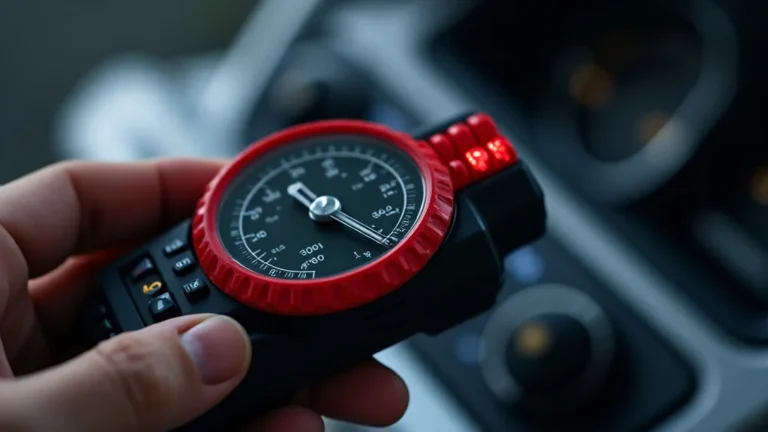
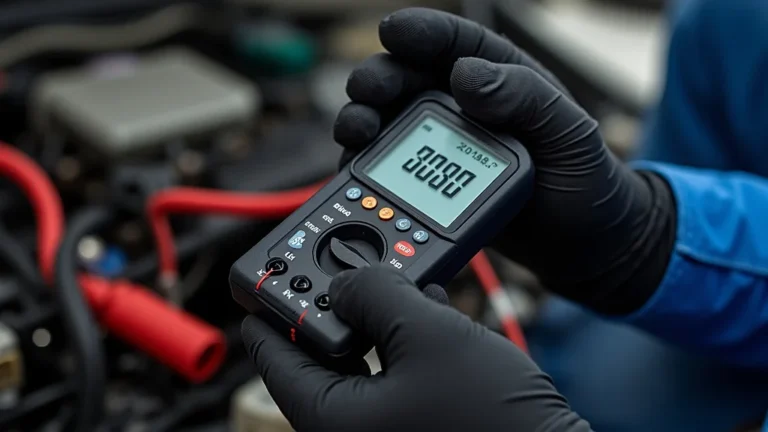
- Voltage Test with a Multimeter: With the engine off, check the battery voltage. A fully charged battery should read around 12.6 volts. A reading below 12 volts suggests the battery may be weak.
- Load Test: A load test simulates the demands placed on the battery when starting the engine. It measures how the battery performs under load, which is more reliable than a voltage test. This test will help you identify a weak battery.
- Battery Age: The average lifespan of a car battery is three to five years. If your battery is older, it might be the reason for stalling.
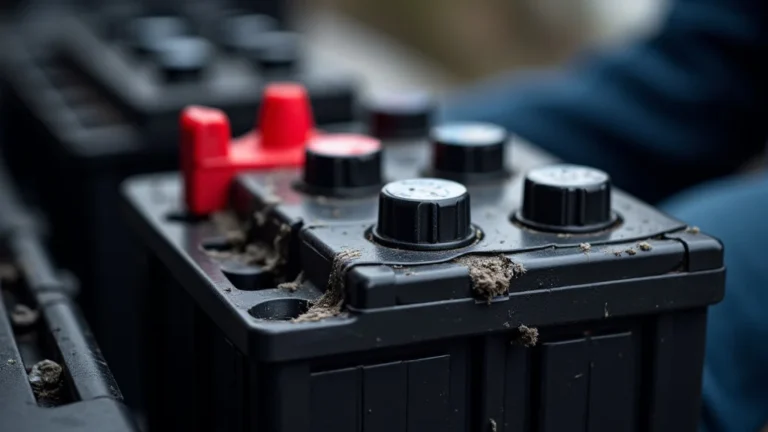
- Visual Inspection: Check the battery terminals for corrosion or damage. Look for any swelling or leaks in the battery case. Corroded terminals can limit the flow of electricity, contributing to stalling issues.
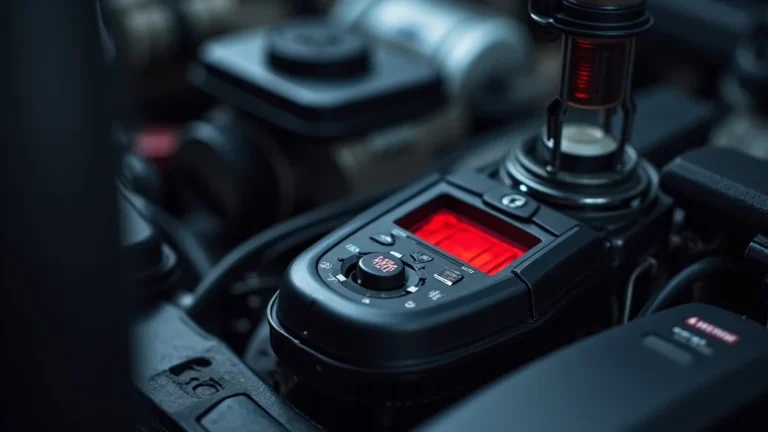
You can find battery testers at most auto parts stores. They are easy to use and can provide a wealth of information about your battery’s health. You can also visit a local auto shop. They typically offer free battery testing. Testing the battery is essential to determine whether it can properly deliver the power your car needs. If the tests confirm a weak battery, you have your answer. However, if the battery tests well, the stalling could be due to another component, such as the alternator, fuel pump, or ignition system.
Other Causes of Stalling and How to Check
While a weak battery is a frequent cause of stalling, it’s not always the only culprit. Many things can contribute to the issue. The fuel system, ignition system, and engine sensors all play important roles in the engine’s performance. Knowing how these systems work can help you understand the problem. Diagnosing the problem can often involve a process of elimination, checking different components to find the source. This is a systematic process of checking the car’s engine systems.
Fuel System Issues
Fuel system issues often lead to engine stalling. The fuel pump, fuel injectors, and fuel filter are essential in delivering fuel to the engine. If there’s a problem with any of these parts, the engine may not get the fuel it needs to run properly. Inspecting the fuel system can involve a range of checks and tests. You might need to check fuel pressure and make sure the fuel filter is not clogged. If the fuel supply is interrupted, the car will stall. This can be caused by a faulty fuel pump, a clogged fuel filter, or other problems.
- Fuel Pump Problems: The fuel pump delivers fuel from the tank to the engine. A faulty pump can cause stalling, especially under load.
- Clogged Fuel Filter: A clogged fuel filter restricts the fuel flow. This can starve the engine of fuel, causing stalling.
- Fuel Injector Issues: Fuel injectors spray fuel into the engine cylinders. Blocked or faulty injectors can cause an imbalance in the fuel mixture, leading to stalling.
- Fuel Pressure Issues: Insufficient fuel pressure can result in a lack of fuel. Test the fuel pressure to see if it is in the range specified by the car manufacturer.
The fuel pump is crucial in delivering fuel to the engine; a faulty pump won’t supply enough fuel, and the engine will stall. A clogged fuel filter can restrict fuel flow, while faulty fuel injectors can disrupt the fuel mix. If the engine isn’t getting enough fuel, it will cut out and stall. Testing the fuel pressure helps verify that the fuel system operates correctly. The fuel system issues can resemble battery problems, so checking them is a part of identifying the cause.
Ignition System Problems
The ignition system is responsible for creating the spark that ignites the fuel-air mixture in the engine cylinders. Several components can cause a malfunction. Spark plugs, ignition coils, and the crankshaft position sensor are critical parts. Problems with any of these can lead to the engine misfiring or stalling. Checking the spark plugs, ignition coils, and other parts will reveal any issues. If the ignition system is working, the engine will run smoothly.
- Faulty Spark Plugs: Old or damaged spark plugs can fail to ignite the fuel-air mixture. This leads to misfires and can cause stalling.
- Ignition Coil Issues: The ignition coils provide the high voltage needed for the spark plugs. A failing coil can result in an inconsistent spark.
- Crankshaft Position Sensor (CKP): The CKP sensor detects the position of the crankshaft. If it fails, the engine control unit may not know when to fire the spark plugs.
- Camshaft Position Sensor (CMP): The CMP sensor measures the position of the camshaft, helping the ECU control fuel injection and ignition timing.
A faulty spark plug can’t ignite the fuel-air mixture, which leads to misfires. Ignition coils provide the high voltage to spark plugs, and if they fail, the spark will be erratic. The CKP sensor determines when the spark plugs should fire. The CMP sensor helps manage fuel injection and ignition timing, and any issues will cause the engine to misfire. When there’s a problem with the ignition system, the engine may struggle to start or stall unexpectedly.
Engine Sensor Malfunctions
Various sensors monitor the engine’s performance. The information they send is used by the ECU to adjust the engine. Sensors can provide important information to keep the engine running smoothly. Issues such as a faulty mass airflow sensor (MAF), oxygen sensor, or throttle position sensor can cause issues with the engine’s performance. Faulty sensors can disrupt the engine’s operation, causing stalls. Checking these sensors with a diagnostic tool helps detect malfunctions.
- Mass Airflow Sensor (MAF): This sensor measures the amount of air entering the engine. A faulty MAF can lead to incorrect fuel mixture.
- Oxygen Sensor: The oxygen sensor monitors the exhaust gases, providing data for fuel mixture adjustments. A failing sensor may lead to stalling or poor performance.
- Throttle Position Sensor (TPS): The TPS measures the throttle valve position. A malfunctioning TPS can cause incorrect fuel delivery.
- Coolant Temperature Sensor (CTS): The CTS measures the engine’s coolant temperature. If it fails, the ECU might not adjust the fuel mixture correctly, leading to stalling.
A MAF sensor provides information to the ECU. If the MAF sensor malfunctions, the engine might stall. The oxygen sensor monitors exhaust gases. The TPS tells the ECU about the throttle’s position. The CTS monitors the engine coolant temperature. If these sensors aren’t working right, the ECU may not make the right adjustments. Using a scan tool can help identify sensor issues. You can identify problems and determine the cause of stalling problems by checking these components.
Step-by-Step Troubleshooting Guide
When your car stalls, a systematic approach is necessary to identify and resolve the problem. To make the process easier to follow, we will provide a series of steps to help you. These steps involve checking the battery, fuel system, and ignition system. This process requires patience. It’s often necessary to go through each step carefully. By following a methodical approach, you can identify and solve the problem and get back on the road safely.
Initial Inspection and Battery Check
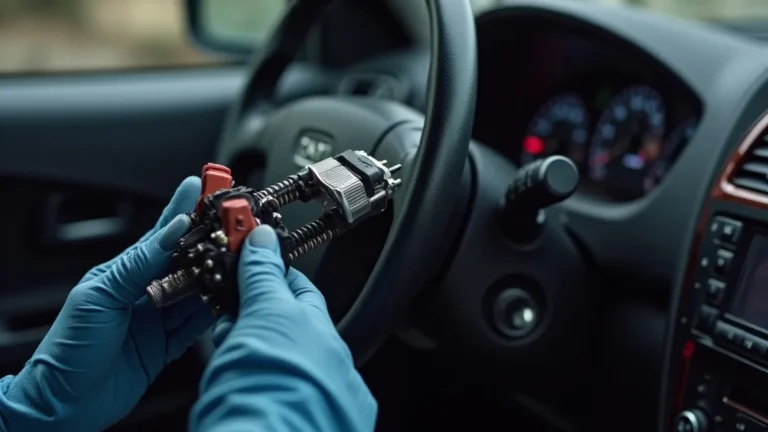
When the car stalls, you need to begin with a basic inspection. Safety first is important, so pull over to a safe area away from traffic. Turn on your hazard lights, and gather your tools. Start by examining the obvious. After checking the obvious, you can start the diagnostic tests. A thorough initial assessment can help you detect any signs of obvious issues. Then, test the battery to confirm the presence of any problems. If you have the tools, you can continue with tests of other components.
- Safety First: Pull over to a safe place. Turn on your hazard lights. Make sure your vehicle is secure before inspecting.
- Visual Inspection: Check for any obvious signs of issues. Look for loose wires, leaks, or anything unusual under the hood.
- Battery Check: Use a multimeter to check the battery voltage. A reading below 12 volts could suggest the battery is the problem.
- Load Test: If you have a battery tester, perform a load test to determine the battery’s ability to supply power under load.
- Terminal Inspection: Check the battery terminals for corrosion or loose connections.
Start with safety and perform a visual inspection. Check for any obvious damage or problems. Checking the battery voltage will provide an early clue. Battery tests and terminal inspection can provide valuable data. Corroded terminals reduce the flow of electricity. Loose connections also interfere with performance. These initial steps are the foundation of your diagnosis. They will help you find the problem and decide the best course of action.
Testing the Fuel and Ignition Systems
If the battery tests come back fine, the next step involves checking the fuel and ignition systems. A problem with either of these can also cause the car to stall. Checking the fuel system may require you to perform a fuel pressure test. Then, you can verify if the fuel pump is delivering fuel to the engine. Checking the ignition system involves inspecting the spark plugs, ignition coils, and other parts. These checks can help you rule out many of the common reasons for stalling. Testing both of these systems can provide a full overview of the issues.
- Fuel Pressure Test: Use a fuel pressure gauge to check the fuel pressure. Make sure the pressure falls within the car manufacturer’s specifications.
- Fuel Filter Inspection: Check the fuel filter for blockages or restrictions. Replacing it may be necessary if it’s clogged.
- Spark Plug Inspection: Remove the spark plugs. Look for wear, damage, or fouling. Replace them if necessary.
- Ignition Coil Test: You can test the ignition coils using a multimeter to check the resistance. Replace any defective coils.
- Check Crankshaft/Camshaft Sensors: Inspect these sensors for damage and functionality. The sensors are critical for engine timing.
Testing the fuel pressure and inspecting the fuel filter will help you figure out if fuel delivery is the problem. Checking spark plugs and ignition coils can help you determine the cause. These tests give you the information necessary to know the source of the issues. If everything checks out, it may be time to consult a mechanic. This can provide peace of mind while ensuring that any serious problems are addressed.
Advanced Diagnostic Methods
Sometimes, more advanced methods are needed to diagnose the cause of your car’s stalling issues. This is especially true if basic checks don’t provide a clear answer. These advanced methods can help identify issues that aren’t obvious. This can involve using a scan tool to read the car’s diagnostic codes or to monitor the car’s sensor readings in real-time. Also, checking for vacuum leaks is a good idea. Advanced diagnostic steps help confirm the source of problems and provide you with a more accurate diagnosis.
- Use a Scan Tool: Connect a scan tool to the car’s diagnostic port (OBD-II). Look for any stored trouble codes.
- Monitor Sensor Data: Using the scan tool, monitor real-time data from various sensors (MAF, O2 sensor, etc.)
- Check for Vacuum Leaks: Vacuum leaks can cause stalling. Check vacuum lines and intake manifold using a smoke machine.
- Check the Alternator: Check the alternator to make sure it’s charging the battery correctly.
- Professional Consultation: If the problem persists, or if you’re not comfortable with advanced testing, consult a mechanic.
Use a scan tool to determine any diagnostic codes. You can learn about the engine’s behavior by monitoring sensor data in real-time. Vacuum leaks can cause stalling, so check the vacuum lines. You can make sure your battery is charged by checking the alternator. If problems persist, it may be time to seek help. This can provide a complete and accurate solution to your problem. With these methods, you will find the answers and get your car running smoothly again.
Frequently Asked Questions
Question: Can a weak battery cause my car to stall while driving?
Answer: Yes, a weak battery can cause your car to stall while driving. It may not provide enough power for the fuel pump and ignition system, or the ECU may malfunction, all resulting in the engine shutting down.
Question: How do I know if my car’s battery is weak?
Answer: Some common signs of a weak battery include a slow engine crank when starting, clicking sounds, dim headlights, and the radio or other electrical components malfunctioning. A multimeter can also be used to check the voltage.
Question: What’s the best way to test my car’s battery?
Answer: The best way to test your car’s battery is to use a load test, which measures how the battery performs under load. A simple voltage test with a multimeter is a good start, but the load test provides more accurate information.
Question: Besides the battery, what else can cause my car to stall?
Answer: Other common causes of stalling include issues with the fuel system (fuel pump, fuel filter), ignition system (spark plugs, coils), or problems with engine sensors (MAF, O2 sensor).
Question: What should I do if my car stalls while driving?
Answer: Immediately turn on your hazard lights and safely pull over to a safe area. Then, try to restart your car. If it restarts, drive cautiously to a service station. If it does not restart, begin your troubleshooting process.
Final Thoughts
So, we’ve explored the relationship between a weak battery and stalling, and discussed the methods to know can weak battery cause car to stall. We talked about how the battery supplies power and what happens when it weakens. We’ve gone over the symptoms to look for. We also looked at the process to check your battery’s health and described a step-by-step troubleshooting guide. Remember, stalling can be a combination of things. It may not always be a weak battery. Remember to use the information and do some basic checks. If the tests indicate a weak battery, a new one may be the answer. If the problem continues, go to a qualified mechanic. You’ll be driving smoothly again.