Can Old Battery Damage Alternator and How to Prevent It?
Figuring out if can old battery damage alternator is a common worry for anyone with a car. It’s a tricky question because it involves understanding how your car’s electrical system works. Don’t worry, though. This guide will make everything super simple. We’ll break down the process step-by-step so you can learn exactly what to look for and how to keep your car running smoothly. Next, we’ll get into the details.
The Connection Between Your Battery and Alternator
Your car’s electrical system is like a team. The battery is the power source, like the team’s quarterback providing the initial energy. The alternator is the workhorse, like a team member that recharges the battery while the engine is running. When these two parts don’t work together properly, it can lead to problems. You might experience starting issues, dim headlights, or even a dead battery. It’s important to know the relationship between the two and how they affect each other. This is crucial for keeping your vehicle in top condition.
What the Alternator Actually Does
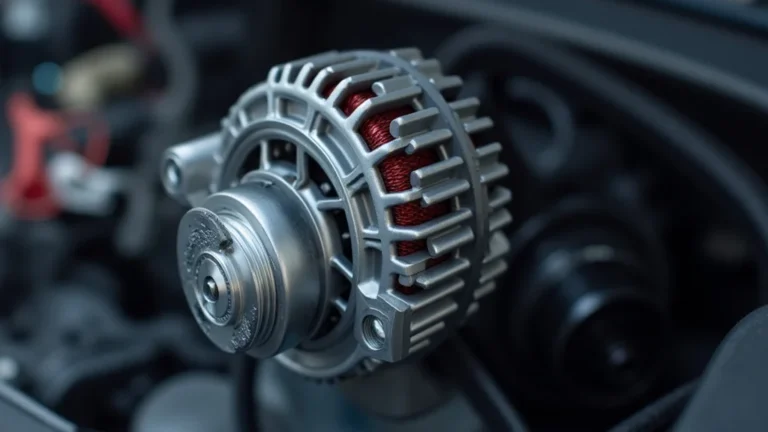
The alternator’s main job is to keep your car’s electrical system going. Think of it as a generator. When your engine runs, the alternator creates electricity to power all your car’s electrical components like the lights, radio, and air conditioning. It also recharges the battery. If the alternator isn’t working right, these components may malfunction or fail. A failing alternator can also cause the battery to drain because it isn’t getting recharged properly. This can leave you stranded.
- Generating Electricity. The alternator uses the engine’s movement to produce electricity. This energy feeds the car’s electrical systems.
- Charging the Battery. The alternator keeps the battery charged while the engine is running. It’s an ongoing process to prevent the battery from draining too quickly.
- Powering Accessories. All the extras in your car—like the radio, air conditioning, and lights—get their power from the alternator.
- Voltage Regulation. The alternator maintains a consistent voltage to prevent damage to the car’s electrical components.
How a Battery Works
The battery stores the electricity needed to start your car. It acts as a reservoir of power. When you turn the key, the battery sends a jolt of power to the starter motor, which gets the engine running. After the engine starts, the alternator takes over, keeping the battery charged and providing electricity for all the car’s electronics. The battery also helps to stabilize the electrical system, smoothing out any power fluctuations.
- Power Storage. The battery stores the electricity your car needs to start and run. It’s like a reserve tank for your vehicle’s energy.
- Starting the Engine. When you turn the key, the battery sends power to the starter, which turns the engine over.
- Providing Power When Needed. The battery provides power when the alternator is not running or can’t supply enough energy, like when the engine is idling.
- Stabilizing Voltage. The battery helps maintain a steady voltage level, protecting the car’s electrical components from damage.
How Can an Old Battery Damage the Alternator?
An old or failing battery creates a situation where the alternator has to work extra hard. When a battery is in poor condition, it can’t accept a charge properly. The alternator then tries to push more electricity into the battery. Over time, this extra work can cause the alternator to wear out faster, leading to a breakdown. This is why it’s so important to maintain your battery and address any signs of trouble promptly. Ignoring these problems can lead to costly repairs down the road.
The Overload Problem
When a battery is failing, its internal resistance increases. This means it offers more resistance to the flow of electricity. The alternator, trying to charge the battery, is forced to work harder. This excessive effort puts a strain on the alternator’s components, which can cause them to overheat and fail. This overload situation is a common cause of alternator damage. It is a slow process, but it can be very destructive over time. Ignoring battery problems can be a major issue.
- Increased Resistance. As a battery ages, its internal resistance increases, making it harder for the alternator to charge it.
- Overworking the Alternator. The alternator compensates for the battery’s resistance by producing more power, which can lead to overheating.
- Component Failure. Over time, the extra stress can damage the diodes, stator, and rotor inside the alternator, causing it to fail.
- Shortened Lifespan. Continuous overloading shortens the alternator’s lifespan, leading to earlier replacement.
Sulfation and Its Effects
Sulfation is a process where sulfate crystals form on the battery plates. This build-up reduces the battery’s ability to hold a charge. The alternator has to work harder to overcome this, putting additional strain on its components. Sulfation is often associated with batteries that are left discharged for extended periods, or that are not properly maintained. Regular maintenance helps to prevent or slow down sulfation. It is a key factor in extending the life of both the battery and the alternator.
- Reduced Capacity. Sulfation reduces the battery’s ability to store and deliver power, making it harder to start the car.
- Increased Charging Time. The alternator must work longer to try to charge a sulfated battery, putting extra stress on its components.
- Heat Generation. The process of trying to charge a sulfated battery can generate excessive heat within the alternator, accelerating wear and tear.
- Reduced Efficiency. Sulfation makes the charging process less efficient, requiring the alternator to work harder for minimal results.
Identifying Signs of a Problem
Knowing the warning signs can help you prevent costly damage to your car. Checking your car’s performance regularly can help you avoid serious issues. Watching out for these signals will help you to address potential problems before they get out of control. It will also help you understand the relationship between your car’s battery and its alternator.
Battery Trouble Indicators
Several signs indicate your battery may be in trouble. Slow engine starts are a common symptom. Dim headlights, especially when idling, can also be a signal of a failing battery. If your car needs a jump-start frequently, your battery is likely the issue. Bulging or leaking battery cases are critical warning signs. If you see any of these indicators, it’s best to get your battery checked immediately. These symptoms can be an early signal of a failing battery.
- Slow Engine Cranking. A struggling engine start can indicate the battery lacks the power to turn over the engine properly.
- Dim Headlights. Dimming lights, especially when the engine is idling, suggest the battery can’t provide enough consistent power.
- Frequent Jump Starts. If your car requires a jump-start regularly, this is a strong sign your battery isn’t holding a charge.
- Battery Leakage. Leaks from the battery case indicate damage and should be checked immediately.
Alternator Trouble Indicators
Alternator problems often manifest in a few distinct ways. Flickering or erratic lights, even with a new battery, are often linked to the alternator not supplying consistent power. A battery that goes dead after a recent jump-start suggests the alternator isn’t recharging it. Unusual noises, like whining or grinding, can come from a failing alternator. If you experience any of these signs, it’s a good idea to have your car checked. Addressing these problems immediately can prevent more serious damage.
- Flickering Lights. Flickering or inconsistent lights can be a sign the alternator isn’t producing a steady voltage.
- Dead Battery. If the battery dies shortly after a jump-start, this indicates the alternator isn’t charging it.
- Unusual Noises. Whining or grinding sounds from the alternator area can indicate mechanical failure.
- Burning Smell. A burning smell can indicate the alternator is overheating due to overworking.
Taking Preventive Measures
Taking care of your car’s electrical components can save you money and headaches down the road. Regular maintenance, such as checking your battery and alternator, is very important. This helps prevent problems before they start. Doing these things regularly can help you avoid costly repairs. It is also good for the overall health of your vehicle.
Regular Battery Maintenance
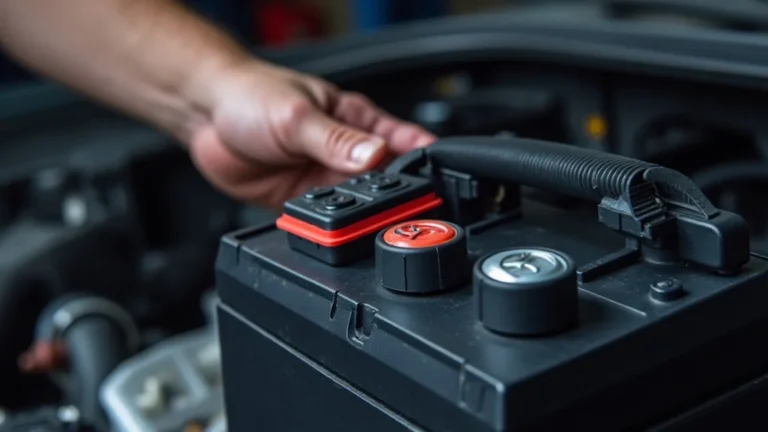
Regular maintenance is a great way to extend the life of your battery and prevent problems. Inspect your battery terminals for corrosion. Clean them with a mixture of baking soda and water if needed. Ensure the battery is securely mounted to avoid vibrations. Check the electrolyte level in flooded lead-acid batteries and top it off with distilled water if low. Perform these basic checks regularly to keep your battery working well.
- Clean Terminals. Keep the battery terminals free of corrosion to ensure good electrical contact.
- Check Connections. Ensure all battery connections are tight and secure to prevent power loss.
- Proper Mounting. Securely mount the battery to avoid vibrations that can damage it.
- Electrolyte Levels. Top off the electrolyte in flooded lead-acid batteries with distilled water as needed.
Regular Alternator Checks
Regular checks can help keep your alternator in good condition. Get your alternator tested during routine service appointments to monitor its performance. Listen for any unusual noises coming from the alternator area, which may indicate a problem. Look for any signs of a burning smell, which might show that the alternator is overheating. By staying aware of these things, you can catch potential issues early.
- Voltage Testing. Have your mechanic test the alternator’s voltage output.
- Listen for Noises. Pay attention to any whining or grinding sounds from the alternator.
- Look for Burning Smells. A burning smell indicates the alternator may be overheating.
- Inspect the Belt. Check the serpentine belt for cracks or wear.
Scenario Examples and Practical Results
Understanding how problems can unfold is a good way to see the importance of these tips. These examples will illustrate how the battery and alternator can impact one another. They also explain why regular maintenance is such a helpful practice.
-
Scenario: A car owner consistently ignores slow engine starts and dim headlights. The old battery eventually fails. Because the battery can’t hold a charge, the alternator is forced to work harder to provide power to the car’s electrical system.
Result: Over time, the extra strain damages the alternator’s diodes, causing it to fail. The owner now faces the cost of replacing both the battery and the alternator, resulting in a more expensive repair. -
Scenario: A car owner doesn’t check their battery terminals for corrosion. Corrosion builds up on the terminals, making it difficult for the battery to receive and deliver power efficiently. The alternator has to work harder to compensate for the loss of power.
Result: The increased load on the alternator causes it to overheat. Eventually, the alternator’s windings burn out. The owner needs to replace the alternator, and also the battery, to get their car running again.
| Component | Action | Potential Outcome |
|---|---|---|
| Battery | Failing to hold a charge | Increased alternator workload, potential for overheating |
| Alternator | Working harder to charge a failing battery | Premature wear and tear, potential failure |
Frequently Asked Questions
Question: How often should I test my car’s battery and alternator?
Answer: It’s a good idea to test your battery and alternator every six months, or whenever you get your car serviced. This helps you catch any potential problems early.
Question: Can jump-starting my car damage the alternator?
Answer: Jump-starting itself won’t damage the alternator, but if the alternator is already failing, jump-starting might not solve the issue. You should get the whole system checked to make sure everything is working as it should.
Question: What’s the average lifespan of a car battery?
Answer: A car battery usually lasts between three to five years, but this can depend on how you use your car and how you take care of the battery.
Question: How can I tell if my alternator is charging the battery correctly?
Answer: You can use a voltmeter to check the voltage while the car is running. The voltage should be around 13.5 to 14.5 volts. You should also get a professional test to be sure.
Question: Is it okay to use a battery charger on my car’s battery?
Answer: Yes, using a battery charger is fine, especially when the car sits unused. It helps to keep the battery charged and prevents damage. Just follow the charger’s instructions.
Final Thoughts
Understanding the link between your car’s battery and alternator is important for keeping your car in good condition. When an old battery starts to fail, it can put extra strain on the alternator, making it work harder to keep things running. This extra effort can cause the alternator to wear out more quickly, leading to costly replacements. Keeping an eye on your battery’s condition and paying attention to warning signs like slow starts or dim lights can help you catch problems early. Regular maintenance, such as cleaning battery terminals and checking the alternator’s voltage, can go a long way in preventing issues. By taking these steps, you can help protect both your battery and your alternator, ensuring your car runs smoothly for longer. Remember, a little care now can prevent big headaches later.