Can Jump Starter Start Motorcycle: Your Complete Guide
Figuring out if you can jump starter start motorcycle can be tricky, especially if you’re just starting. It’s a common question for new riders because a dead battery can ruin your ride! You might be worried about damaging your bike or using the wrong equipment. Don’t sweat it! This guide will break down everything you need to know, step-by-step, to get your motorcycle running again safely. We’ll cover everything from what a jump starter is to the specific process, so you’re totally prepared for any battery situation.
What Is a Motorcycle Jump Starter?
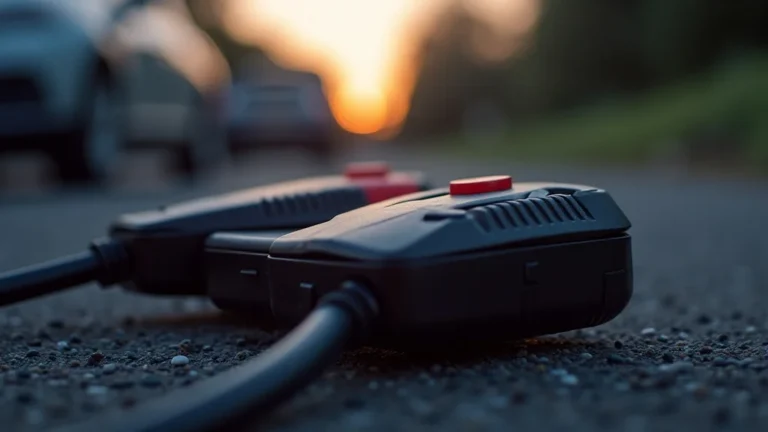
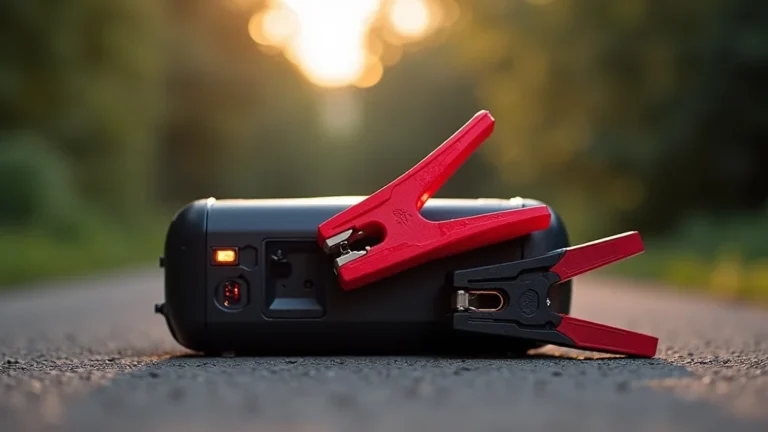
A motorcycle jump starter is a portable device that provides a boost of power to a dead or weak battery. Think of it like a mini-power station that you can carry in your backpack or under your seat. Instead of relying on another vehicle, like with traditional jumper cables, a jump starter offers a self-contained power source. This makes it super convenient if you’re stranded somewhere without another car nearby or if you don’t want to bother another person to give you a boost.
Key Features of Motorcycle Jump Starters
- Portability: Jump starters are usually compact and lightweight. You can easily carry them on your bike or store them at home. This portability is a huge plus, as it allows you to get back on the road quickly in case of a dead battery.
- Safety Features: Good jump starters have built-in protection against overcharging, short circuits, and reverse polarity. These features keep you and your motorcycle safe. These safety mechanisms are crucial to prevent damage to your motorcycle’s electrical system, or to you.
- Battery Capacity: Jump starters have different power capacities, measured in milliampere-hours (mAh). A higher mAh means more potential jump starts before you need to recharge the device. Consider the size of your motorcycle’s engine and how often you ride.
- Additional Features: Many jump starters include extra features, like USB ports for charging your phone, LED flashlights, or even a built-in air compressor. These extras can be handy on the road.
Most motorcycle jump starters are designed to be small and easy to manage. They typically fit in a saddlebag or a small compartment on your motorcycle. This means you have a reliable power source available without taking up much space or adding significant weight to your bike.
These safety features are usually built into the jump starter itself. They prevent the device from sending too much power, from short-circuiting the system, or from connecting the positive and negative terminals incorrectly, any of which can damage your battery or the motorcycle’s electronics. They provide peace of mind.
The battery capacity determines how many times you can use the jump starter before recharging it. For motorcycle use, you’ll want to pick a jump starter with sufficient power to start your specific engine size. If you ride often, or if you have a larger engine, choose a jump starter with a higher capacity to ensure it will reliably work when you need it.
The extra features add value to the jump starter. Having USB ports can be very useful for charging your phone or other devices. Some models even include an LED flashlight, which can be useful when working in low light conditions or during nighttime emergencies. These extra features make the jump starter a more versatile tool to carry with you.
How Motorcycle Jump Starters Work
Motorcycle jump starters store electrical energy in a battery. When you connect the jump starter to your motorcycle’s battery, the jump starter provides a surge of power that helps start the engine. They work in a similar way to car jump starters but are designed specifically for the lower voltage and current needs of motorcycles.
Once you connect it, the jump starter sends a jolt of power to the motorcycle’s battery. This jolt overcomes the battery’s weakness and provides enough power to start the engine. These devices are much safer and more convenient than carrying traditional jumper cables.
Can Jump Starter Start Motorcycle: The Step-by-Step Guide
Using a motorcycle jump starter is a straightforward process, but it’s important to do it correctly to avoid any problems. Following the proper steps will guarantee a smooth start. We’ll explore each step in detail so you can confidently use your jump starter. Remember safety first!
Preparing Your Motorcycle
- Safety First: Always wear eye protection and gloves. Work in a well-ventilated area, and make sure the motorcycle is stable. This is a must-do before you start.
- Turn Off the Ignition: Make sure the ignition is off, and that the key is removed. You do not want any power running through the electrical system before you start.
- Locate Your Battery: Find your motorcycle’s battery. The location will change, based on your motorcycle model. You can usually find the battery under the seat, or in a side compartment.
- Inspect the Battery Terminals: Check the battery terminals for corrosion or damage. Clean them if necessary with a wire brush or a battery terminal cleaner. Bad terminals can stop the jump start from working.
Safety is the most important thing. Protect your eyes and hands from any potential hazards like battery acid or sparks. Working in an area that’s open is essential. It’s also important that your bike is standing upright on a level surface.
This simple step prevents any accidental electrical surges. This also keeps the process safe. Removing the key ensures no circuits are unintentionally energized during the jump start process, mitigating any risks.
Knowing where your battery is will make the rest of the process easier. Consult your owner’s manual if you are unsure where it is located. Identifying the battery is essential for the next steps.
Corrosion on the battery terminals can cause issues. Removing corrosion creates a better connection and improves the chances of a successful jump start. Cleaning the terminals ensures that the jump starter can effectively transfer power to the battery. This ensures better conductivity and efficiency.
Connecting the Jump Starter
- Connect the Red (Positive) Cable: Attach the red (positive) clamp of the jump starter to the positive (+) terminal of your motorcycle’s battery. This terminal is usually marked with a “+”. Make sure the clamp has a firm grip.
- Connect the Black (Negative) Cable: Attach the black (negative) clamp of the jump starter to a bare metal surface on your motorcycle’s frame, away from the battery. This creates a ground connection. Do not connect the negative clamp directly to the negative terminal of your battery.
- Check the Connections: Double-check that both clamps are securely connected. Loose connections can prevent the jump starter from working, and could be a safety hazard.
- Turn On the Jump Starter: Turn on the jump starter according to the manufacturer’s instructions. Some jump starters have a power button, while others activate automatically when connected.
Connecting the positive cable first is very important. Always be sure it securely clamps to the battery terminal. This ensures that the flow of power is correct, and will help prevent short circuits.
This grounding method is a safety precaution. Connecting to the frame instead of directly to the negative terminal can help prevent sparks near the battery, reducing the risk of explosion or damage to your motorcycle’s electronics. A proper ground circuit is very important.
This is a quick check to ensure that the cables are securely attached. Loose clamps can result in sparks, which could lead to fire, or prevent the flow of power. Ensure a good connection to successfully start your motorcycle.
The jump starter should be turned on. Follow the instructions of your specific device. Many jump starters have an indicator to show if it is working and charging the battery properly.
Starting Your Motorcycle
- Attempt to Start the Motorcycle: Try to start your motorcycle. Turn the ignition key and try to start the engine. It might take a few attempts.
- If the Motorcycle Starts: Once the engine starts, let it run for a few minutes to charge the battery. Disconnect the jump starter cables in the reverse order of how you connected them (black first, then red).
- If the Motorcycle Does Not Start: If the engine doesn’t start, wait a few minutes and try again. If it still won’t start, the battery may be too damaged. The jump starter might not be strong enough.
- Check for Any Issues: After starting, check for any warning lights on the dashboard. Also, listen for any unusual noises from the engine.
Turn the ignition key as you normally would. The engine might start right away, or it may take a few tries. If it does not start after a few attempts, there might be other issues with your motorcycle that you need to address.
Allow the motorcycle to run. This allows the battery to get some charge back, which is good for the battery. Always remove the negative clamp first. Then you can remove the positive clamp.
It’s important to determine the root cause of the problem. If it doesn’t start after a few tries, there might be other issues with the battery or motorcycle. This might mean the battery has internal issues, or your jump starter isn’t strong enough for your bike.
Check the dashboard for warning lights. These lights might indicate electrical issues. Also, listen for unusual sounds. These steps can help identify any underlying issues in your motorcycle after the jump start.
Choosing the Right Jump Starter for Your Motorcycle
The right jump starter can save you a lot of hassle. There are several factors to consider. This way, you’ll be prepared for the best jump start experience. Finding a jump starter suited for your motorcycle depends on a few key factors.
Key Features to Consider
- Ampere Rating: The peak amps rating is an important figure. It shows how much power the jump starter can provide at the start. Choose one with a high enough amp rating for your motorcycle’s engine size.
- Battery Capacity: The battery capacity, measured in mAh, determines how many times you can jump-start your motorcycle before recharging the jump starter. Select one based on how often you ride and your needs.
- Safety Features: Look for safety features such as reverse polarity protection, overcharge protection, and short circuit protection. These protect both the jump starter and your motorcycle.
- Size and Portability: Consider the jump starter’s size and weight. You want one that’s easy to carry on your motorcycle or store at home. Check the dimensions and weight to make sure it will fit where you need it.
The ampere rating (amps) tells you the initial burst of power the jump starter can deliver. A higher number is usually better, as it gives you more power. Larger engines usually need higher amps to start them up. This feature is important to consider before purchasing.
The battery capacity tells you how long the jump starter will last. A higher mAh means you can get more jump starts before needing to recharge. Consider how often you ride. If you ride often, you’ll want a jump starter with a larger capacity.
Safety features are critical to prevent accidents and damage. Reverse polarity protection prevents you from connecting the cables incorrectly. Overcharge protection prevents damage to your motorcycle’s battery. Short circuit protection stops the device from overheating, or causing damage.
Consider the size and weight. A jump starter that’s compact is easier to carry on your motorcycle. You can keep it with you, or leave it in a saddlebag. If you plan to carry it, make sure the size and weight suit your needs.
Selecting the Right Capacity
The amp and mAh ratings are key specifications to consider. Knowing the right values will ensure that you have the appropriate jump starter for your motorcycle. These two aspects ensure your peace of mind.
- Engine Size Matters: Generally, larger engines require jump starters with higher amp ratings. Check your motorcycle’s engine size (e.g., 600cc, 1000cc) and choose a jump starter that can handle it.
- Consider Your Riding Habits: If you ride often and want to avoid recharging the jump starter frequently, choose one with a higher mAh rating. This will provide you with more jump start attempts before needing to recharge it.
- Check Reviews and Recommendations: Before buying, look at reviews and recommendations from other motorcycle riders. This will help you find a dependable jump starter.
Larger engines usually need more power to start. Smaller motorcycles can often start with a lower amp rating. Check your motorcycle’s specifications. A jump starter with a suitable amp rating will ensure it can deliver the power needed.
Frequent riders should choose a jump starter with a higher mAh. If you ride frequently, the jump starter will provide enough power for a long time. Having a higher mAh rating offers greater convenience and reliability.
Online reviews and recommendations can offer insights. Other riders’ experiences can help. You can learn about the performance and reliability. User feedback is a valuable resource.
Addressing Common Motorcycle Battery Issues
A dead battery is a common issue for motorcycle riders. Several problems can lead to battery failure. Understanding these issues will help you to prevent them and keep your motorcycle running smoothly. Taking the time to understand these issues will give you confidence.
Common Causes of Battery Problems
- Age of the Battery: Motorcycle batteries have a lifespan of about 3-5 years. Over time, batteries lose their ability to hold a charge. A battery at the end of its life might not have enough power.
- Cold Weather: Cold temperatures can reduce a battery’s performance. The chemical reactions that produce electricity slow down, reducing the battery’s ability to provide power. This is why motorcycles are harder to start in winter.
- Leaving Lights On: Leaving your lights or other electrical components on while the engine is off will drain the battery. The battery will discharge more quickly than it can recharge. This can leave you stranded.
- Parasitic Drain: Some electrical components can slowly drain the battery even when the motorcycle is off. This is called parasitic drain. Over time, this small drain can weaken your battery.
A battery that has lived past its lifespan may fail without warning. The internal components will degrade. Keeping an eye on the age of your battery can help you. You should plan to replace it before it fails.
Cold weather puts more stress on your battery. It can make starting your motorcycle difficult, or impossible. Extreme cold can make the problem much worse. Using a battery tender when it is cold will help your battery perform better.
It’s easy to forget to turn off your motorcycle’s lights. Leaving lights on can quickly drain the battery. Always check your lights and other electrical accessories. A discharged battery can lead to starting problems.
Even when the motorcycle is off, small amounts of power drain from the battery. This can be caused by the clock, alarm systems, or other electronic devices. Parasitic drain can make your battery run down slowly. Regular checks and maintenance are key.
Preventive Measures
You can take actions to avoid battery problems. Taking care of your battery will help you to avoid getting stranded. Keep in mind that a good battery will greatly add to your peace of mind.
- Regular Battery Maintenance: Check your battery terminals for corrosion and clean them as needed. Make sure the battery connections are tight and secure. Regular maintenance will improve the lifespan of the battery.
- Use a Battery Tender: A battery tender, or trickle charger, can keep your battery fully charged when your motorcycle is not in use. This prevents discharge and extends the life of the battery.
- Check Electrical Systems: Have your motorcycle’s electrical system checked by a mechanic. Look for any issues that might be causing parasitic drain or other problems.
- Proper Storage: If you are storing your motorcycle for an extended period, remove the battery and store it in a cool, dry place. Charge the battery every few months. This will help it stay in good condition.
Keeping the battery terminals clean and free from corrosion will improve their performance. Cleaning can improve electrical conductivity. Ensure that the connections are tight. This is a simple but important maintenance step.
If you don’t use your motorcycle for long periods, a battery tender is useful. Connect the tender to the battery. The device will maintain the charge. This helps avoid the damage that is caused by letting the battery discharge over time.
A mechanic can check for issues with the electrical system. This includes looking for things that might drain the battery. Regular checks can catch problems before they leave you stranded. It’s an investment in your motorcycle’s reliability.
When you store your motorcycle for the winter or other long periods, take extra steps to protect the battery. The steps ensure the battery remains ready. Charging it periodically keeps it ready. These steps will extend the life of your battery.
Jump Starting vs. Replacing Your Motorcycle Battery
When your motorcycle won’t start, you have two options: jump-starting or replacing the battery. Knowing when to use each can save you time and money. While a jump start gets you going, a replacement will address the underlying problem. It’s also important to know the difference between jump-starting and replacing.
When to Jump Start
- Temporary Fix: Jump-starting is a good choice if your battery has lost its charge due to a temporary issue, such as leaving the lights on. It can get you moving quickly.
- Quick Convenience: If you need to start your motorcycle immediately and don’t have time to replace the battery, jump-starting is the better option. It offers a quick fix in any situation.
- Troubleshooting: Use a jump starter to see if the battery can hold a charge. If the motorcycle starts but dies shortly after, your battery might be bad and need replacement.
Jump-starting is an immediate solution that gets you back on the road. This is the right choice if your battery is otherwise in good condition and just needs a boost. This is good when a small error, like leaving the lights on, has caused your battery to die.
If you have an event or appointment, jump-starting will get you on the move. Jump-starting is often a quick and simple solution. When you are stuck and need to get your bike running fast, it is a great choice.
A jump start can serve as a diagnostic step. If the motorcycle starts, it shows that the electrical system is functional. If the battery does not hold a charge, it is time for a replacement.
When to Replace Your Battery
- Battery Age: If your battery is more than 3-5 years old, it’s a good idea to replace it. Old batteries are more likely to fail. Replacing the battery prevents future starting issues.
- Frequent Dead Batteries: If you regularly need to jump-start your motorcycle, the battery is likely weak or damaged. Constant jump-starting can be a symptom of a larger problem. Replace the battery for reliability.
- Visible Damage: If your battery is swollen, leaking, or has other signs of damage, replace it immediately. These issues can be safety hazards. Replacing it ensures your motorcycle is safe.
A battery that has passed its lifespan is likely to be unreliable. Replacing it ensures that you have a reliable power source. Old batteries are often the source of starting problems. This is one of the best reasons to replace your battery.
If you are often stuck with a dead battery, you should replace the battery. Persistent problems usually mean that the battery is no longer reliable. Replacing it removes a source of potential problems.
If you see physical damage on the battery, replace it immediately. Damaged batteries can be dangerous. Ignoring them can lead to electrical failures. It’s important for safety.
Cost Considerations
| Factor | Jump Starting | Battery Replacement |
|---|---|---|
| Cost | Low (cost of jump starter, if you don’t already have one) | Moderate (cost of new battery) |
| Time | Quick (minutes) | Moderate (30 minutes to an hour) |
| Longevity | Temporary fix | Long-term solution |
Frequently Asked Questions
Question: Can I use a car jump starter on my motorcycle?
Answer: It’s possible to use a car jump starter, but you need to be very careful. Car jump starters typically deliver more power than motorcycle batteries can handle. Always check the voltage and current ratings to avoid damaging your motorcycle’s electrical system.
Question: How long should I let my motorcycle run after a jump start?
Answer: Let your motorcycle run for at least 15-30 minutes after a jump start to allow the battery to recharge. This helps ensure the battery has enough power to start the engine reliably on the next attempt. Longer rides will charge it better.
Question: Is it safe to jump start a motorcycle without a jump starter?
Answer: You can use jumper cables from another vehicle, but it’s important to follow the correct procedure. Connect the cables in the right order (positive to positive, negative to a ground point). Be careful to avoid sparks, and make sure both vehicles are turned off.
Question: How often should I replace my motorcycle battery?
Answer: The lifespan of a motorcycle battery is typically 3-5 years. The age will vary depending on your riding habits, climate, and how well you maintain the battery. It’s a good idea to replace it before it fails to avoid being stranded.
Question: What if the jump starter won’t start my motorcycle?
Answer: If the jump starter doesn’t work, ensure the clamps are connected correctly and that the jump starter is fully charged. If it still doesn’t start, the battery may be too damaged. It could also mean there might be another problem with the motorcycle, like a blown fuse or starter motor issue.
Final Thoughts
Knowing can jump starter start motorcycle opens the door to worry-free rides. You have all the information you need to bring your bike back to life. With the right equipment and knowledge, you can quickly deal with a dead battery. The steps are simple and safe. Remembering these details will make starting your motorcycle easy. With a little care and preparation, you’ll be able to ride with confidence. Carry a jump starter, perform regular maintenance, and always be prepared for anything. This knowledge will keep you on the road.