Can I replace lead acid with AGM Your upgrade guide

Featured image for can i replace lead acid with agm
Image source: c.pxhere.com
Yes, you can upgrade from lead-acid to AGM batteries, but it’s not a direct drop-in replacement without careful consideration. While AGMs offer significant benefits like being maintenance-free, more efficient, and better for deep cycling, you must ensure your charging system is compatible and account for potential size or weight differences to maximize performance and longevity. This guide details the essential steps for a successful and informed transition.
Ever found yourself staring at a tired old battery, maybe in your RV, boat, off-grid cabin, or even a backup power system, and wondered if there’s something better out there? You’re not alone. Many of us start with traditional lead-acid batteries because they’re familiar and generally get the job done. But as technology evolves, so do our options.
Perhaps you’re tired of checking water levels, dealing with corrosion, or simply wish your battery lasted longer and performed more reliably. That’s when the idea of upgrading often pops up. And for many, Absorbent Glass Mat (AGM) batteries enter the conversation as a strong contender. They promise a step up, but the big question always looms: Can I replace lead acid with AGM?
The short answer is usually yes, but it’s not always a simple drop-in replacement. There are important factors to consider, especially concerning your charging system, to ensure a successful and safe upgrade. Think of this post as your friendly guide, walking you through everything you need to know to make an informed decision and upgrade your power storage with confidence.
Key Takeaways
- Verify Charger Compatibility: Old lead-acid chargers can harm AGMs.
- Recognize Key Advantages: AGMs offer maintenance-free operation and deeper discharge.
- Confirm System Voltage Match: Ensure your new AGM battery aligns with existing voltage.
- Evaluate Cost Versus Value: Higher AGM upfront costs yield superior performance and lifespan.
- Size AGM Appropriately: Match or exceed capacity for optimal power delivery.
- Adjust Charge Settings: Set correct charging parameters for peak AGM health.
📑 Table of Contents
Understanding Your Current Lead-Acid Battery System
Before you even think about replacing lead acid with AGM, it’s crucial to understand what you’re currently working with. Knowing the specifics of your existing setup will save you a lot of guesswork and potential headaches down the line.
Types of Lead-Acid Batteries
- Flooded Lead-Acid (FLA): These are the most common and traditional types, requiring regular maintenance (adding distilled water). They’re usually the cheapest upfront.
- Gel Cell Batteries: These use a silica gel to suspend the electrolyte, making them spill-proof and maintenance-free. They charge slower than FLAs and AGMs.
- AGM Batteries: (Which we’ll dive into more!) These are also a type of VRLA (Valve Regulated Lead-Acid), but they differ from Gel in their internal construction and performance characteristics.
Understanding which type you have helps you gauge the level of upgrade AGM offers.
Key Metrics to Consider
Take a look at your existing battery. You’ll want to note a few things:
- Voltage (V): Most commonly 12V, but sometimes 6V or even 24V/48V systems.
- Amp-Hours (Ah): This indicates the battery’s capacity – how much energy it can store. You’ll want to match or exceed this with your AGM replacement.
- Physical Dimensions: Measure the length, width, and height. AGM batteries come in various sizes, and you need to ensure the new one fits your battery tray or compartment.
- Terminal Type: Note the type and position of your battery terminals (e.g., post, stud) to ensure compatibility with your existing cables.
Charging System Assessment
This is perhaps the most critical step. Your current charger, whether it’s a standalone unit, a vehicle alternator, or a solar charge controller, was designed to charge lead-acid batteries. AGMs have different charging voltage requirements than traditional flooded batteries. We’ll explore this in detail later, but for now, just know that it’s something you absolutely must investigate.
Why Consider AGM Batteries? The Benefits Unpacked
So, why are so many people looking to replace lead acid with AGM? AGM batteries offer a host of advantages that make them a compelling upgrade for many applications.
Superior Performance and Lifespan
AGMs excel in performance. They can deliver high bursts of current when needed, making them excellent for starting applications. More importantly for deep-cycle uses, they tolerate deeper discharges without significant damage compared to flooded batteries. This means you can use more of their rated capacity. They also have a lower self-discharge rate, meaning they hold a charge longer when not in use. With proper care, AGMs generally offer a longer overall lifespan than traditional flooded lead-acid batteries.
Maintenance-Free Operation
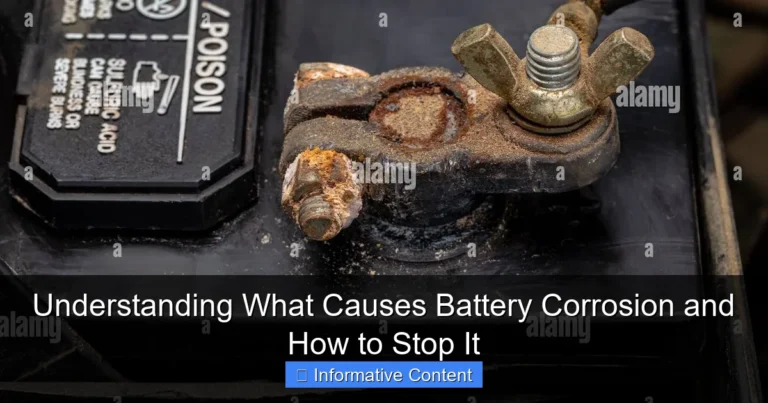
One of the biggest selling points! AGM batteries are sealed, so there’s no need to add distilled water, clean corrosion from terminals, or worry about spills. This makes them ideal for applications where maintenance is difficult or undesirable, like in boats, RVs, or remote off-grid systems.
Enhanced Safety and Durability
Because they’re sealed, AGM batteries release minimal to no hydrogen gas during charging, making them safer to install in enclosed spaces (though ventilation is always recommended). They are also spill-proof, even if tipped over, and their internal construction makes them highly resistant to vibration, which is a huge plus for vehicles and marine applications.
Versatility in Mounting
Unlike flooded batteries that must be kept upright to prevent electrolyte leakage, AGM batteries can be mounted in almost any orientation (sideways, end-up, etc.) without affecting performance, offering greater flexibility in installation.
Can I Replace Lead Acid with AGM? The Core Considerations
This is the question of the hour! Yes, you generally can replace lead acid with AGM, and for many, it’s a fantastic upgrade. However, there are a few core considerations that will determine how smooth and successful your transition will be.
Direct Replacement in Most Cases
Physically, if you match the voltage, amp-hour capacity, and dimensions, an AGM battery can often drop right into the same spot as your old lead-acid battery. The terminals are typically the same, so your existing cables should connect without issue. Where it gets tricky isn’t the physical fit, but the electrical compatibility.
Charging System Compatibility is Key
This is the biggest hurdle when you replace lead acid with AGM. Traditional flooded lead-acid batteries require a slightly higher charging voltage for optimal charging compared to AGMs. If you use a charger designed solely for flooded batteries, it might overcharge an AGM battery, leading to premature failure, or conversely, undercharge it, which also reduces its lifespan and capacity. For example, a “dumb” charger that simply pushes 14.4V constantly might be fine for a flooded battery but too high for an AGM that prefers around 14.2V for bulk charging and lower float voltages.
Size, Fit, and Weight
While AGMs are generally similar in size to flooded lead-acid batteries of equivalent capacity, they can sometimes be slightly heavier due to their denser construction. Always double-check dimensions and ensure your mounting location can handle the weight.
Cost Considerations: An Investment
One undeniable truth is that AGM batteries typically have a higher upfront cost than flooded lead-acid batteries. However, when you factor in their longer lifespan, zero maintenance, enhanced performance, and increased safety, the long-term value often justifies the initial investment. Think of it as investing in reliability and peace of mind.
The Crucial Role of Your Charging System
Seriously, if you take away one thing from this guide on how to replace lead acid with AGM, it should be this: your charging system needs to be compatible.
Why Standard Chargers Fall Short
A standard, single-stage charger designed for flooded lead-acid batteries typically outputs a fixed voltage that might be too high for an AGM’s float stage or too low for its bulk stage. Overcharging an AGM can cause it to “gas out” and dry out the electrolyte, leading to irreversible damage and capacity loss. Undercharging will lead to sulfation and reduced lifespan.
What to Look For in an AGM-Compatible Charger
You need a “smart” charger, also known as a multi-stage or multi-chemistry charger. These chargers typically have:
- AGM or VRLA Setting: A dedicated mode that adjusts voltage profiles specifically for AGM batteries.
- Multi-Stage Charging: They cycle through bulk, absorption, and float stages, delivering the correct voltage and current at each stage. Some even have a desulfation stage.
- Temperature Compensation: Some advanced chargers can adjust their voltage output based on ambient temperature, which further optimizes charging.
Solar and Vehicle Charging Implications
- Solar Charge Controllers: If you have a solar setup, ensure your solar charge controller has an AGM setting. Most modern MPPT (Maximum Power Point Tracking) and PWM (Pulse Width Modulation) controllers do.
- Vehicle Alternators: Your vehicle’s alternator is designed to charge its starting battery. While it can generally charge an AGM, it’s not optimized. For auxiliary AGM batteries in RVs or campers, consider installing a DC-DC charger. These devices take the alternator’s output and convert it into the precise multi-stage charging profile your AGM battery needs, protecting both your starter battery and your new AGM.
Making the Switch: Your Step-by-Step Replacement Guide
Ready to make the jump? Here’s a simplified guide to help you replace lead acid with AGM effectively.
1. Gather Information and Measure
As discussed, note your old battery’s voltage, Ah capacity, and physical dimensions. Take photos of the wiring configuration before disconnecting anything.
2. Select Your New AGM Battery
Choose an AGM battery with the same voltage and ideally the same or higher Ah capacity as your old one. Ensure the physical dimensions fit your space. Stick with reputable brands known for quality and reliability.
3. Upgrade Your Charging System (If Necessary)
This is non-negotiable for longevity. Invest in an AGM-compatible multi-stage charger. If you have solar, check and adjust your solar charge controller settings. For auxiliary batteries in vehicles, seriously consider a DC-DC charger.
4. Installation Tips
- Safety First: Always disconnect the negative (-) terminal first, then the positive (+) when removing the old battery. Connect positive first, then negative, when installing the new one. Wear gloves and eye protection.
- Ventilation: While AGMs are sealed, good ventilation is still advised for any battery installation.
- Secure Mounting: Ensure the new AGM battery is securely mounted to prevent movement, especially in mobile applications.
- Clean Connections: Ensure all cable connections are clean and tight for optimal power transfer.
5. Initial Charge and Monitoring
Once installed, give your new AGM battery a full charge with your new, compatible charger. Monitor its performance, especially during the first few cycles, to ensure everything is working as expected.
Comparing Lead-Acid (Flooded) vs. AGM Batteries
Here’s a quick overview to help solidify your understanding of the benefits when you replace lead acid with AGM:
| Feature | Flooded Lead-Acid (FLA) | AGM (Absorbent Glass Mat) |
|---|---|---|
| Maintenance | High (regular watering) | None (sealed, no watering) |
| Spill-Proof | No (contains liquid electrolyte) | Yes (electrolyte absorbed in mat) |
| Deep Cycling | Poor (damages quickly) | Good (tolerates deeper discharges) |
| Charge Rate | Slower acceptance | Faster acceptance |
| Vibration Resistance | Low | High |
| Lifespan (Cycles) | Shorter | Longer (with proper charging) |
| Cost (Upfront) | Lower | Higher |
Conclusion
So, can you replace lead acid with AGM? Absolutely! It’s an upgrade many find incredibly worthwhile, bringing enhanced performance, longevity, and peace of mind through maintenance-free operation. But it’s not just about swapping one box for another. The key to a successful transition lies in understanding your current system and, most importantly, ensuring your charging infrastructure is compatible with the new AGM battery.
By carefully assessing your needs, choosing the right AGM battery, and making the necessary adjustments to your charging system, you’ll unlock the full potential of this advanced battery technology. It’s an investment that pays off in reliability and convenience, allowing you to enjoy your off-grid adventures or simply have more dependable backup power. Happy upgrading!
Frequently Asked Questions
Can I directly replace my lead acid battery with an AGM battery?
In most cases, yes, you can directly replace a traditional flooded lead acid battery with an AGM (Absorbed Glass Mat) battery of the same voltage and capacity. They share similar operating voltages, making them largely compatible as a drop-in replacement in many applications, provided other system components are suitable.
What are the main advantages of using an AGM battery over a traditional lead acid one?
AGM batteries offer several significant benefits, including being completely sealed and maintenance-free, meaning no water topping-up is required. They also boast a lower self-discharge rate, better performance in cold temperatures, higher resistance to vibration, and can typically be discharged deeper without damage compared to standard flooded lead acid batteries.
Are there any downsides or considerations when switching from lead acid to AGM?
The primary consideration for an AGM battery is its higher upfront cost compared to a traditional flooded lead acid battery. Additionally, while they are more robust, AGMs are sensitive to overcharging, requiring a charger with proper voltage regulation to ensure their longevity and optimal performance.
Do I need a special charger for an AGM battery if I’m replacing a lead acid?
Yes, it’s highly recommended to use a charger specifically designed for AGM batteries or a smart charger with an AGM mode. While some lead acid chargers might work, many older or basic chargers can overcharge AGMs due to slightly different voltage requirements, potentially damaging the battery and shortening its lifespan.
How do I properly install an AGM battery to replace my old lead acid unit?
Ensure the new AGM battery matches the voltage and physical dimensions of your old lead acid battery for a proper fit. Disconnect the old battery’s negative terminal first, then the positive, and reverse the process for installation (positive first, then negative) with the new AGM, securing all connections tightly.
Is replacing lead acid with an AGM battery worth the extra cost?
For many applications, especially those requiring reliability, maintenance-free operation, or deeper discharge cycles, the benefits of an AGM battery often outweigh the higher initial investment. Their longer lifespan, improved performance, and reduced maintenance can result in a better total cost of ownership over time compared to flooded lead acid batteries.