Can Bad Ground Drain Battery? A Simple Guide to Fixes
If you’ve ever dealt with a car that won’t start, you might wonder if something is draining the battery. A common problem, especially for people new to cars, is whether can bad ground drain battery power overnight. This can be frustrating! Don’t worry, finding the issue isn’t as hard as it seems. We’ll explore the basics and give you a straightforward, step-by-step method to identify and solve this issue. First, we’ll start with the usual suspects.
What Causes a Battery to Drain?
A car battery provides the necessary power to start your vehicle and run its electrical systems. Many things can cause a battery to lose its charge, leading to starting problems. Parasitic drain refers to the electrical current flowing from the battery to a component when the car is off. This continuous drain slowly depletes the battery’s energy, making it difficult or impossible to start the car after a period of inactivity. This is a common issue that drivers face regularly. Pinpointing the source of this drain is crucial for preventing future issues and ensuring your car’s reliability. Several factors contribute to a drained battery.
Common Drain Culprits
Certain components and conditions commonly lead to battery drain. These are some of the frequent offenders and what to look for when trying to track down the source of the drain.
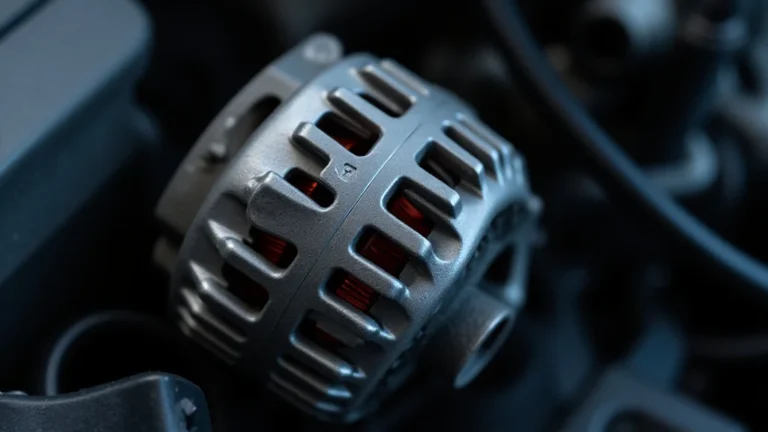
- Faulty Alternator: The alternator’s job is to recharge the battery while the engine is running. A broken alternator won’t charge the battery correctly and can even drain it. It could have bad diodes that allow a current to flow backward.
- Interior Lights: Accidentally leaving interior lights on is a very easy mistake. Even a small light can drain the battery, especially overnight. This is one of the most common causes of a dead battery.
- Aftermarket Accessories: Extra gadgets you add to your car, like a sound system or alarm system, can sometimes drain the battery if they’re not installed correctly.
- Parasitic Drain: Any electrical system that draws power when the car is off can cause parasitic drain. This includes things like the radio or the car’s computer.
An alternator is a generator that converts mechanical energy into electrical energy. It is a critical component of a car’s electrical system, responsible for keeping the battery charged and powering the car’s electrical components while the engine is running. Think of it like a miniature power plant specifically for your car. When the engine runs, the alternator spins, generating electricity that feeds the car’s electrical systems and recharges the battery.
Interior lights, including dome lights, map lights, and glove compartment lights, add convenience and visibility inside your car. They are usually connected to the car’s electrical system and powered by the battery. When these lights are left on, even for a short period, they draw power from the battery, leading to it getting drained. Newer cars often have automatic shutoff features to prevent this, but older models may not, making it easy to accidentally drain the battery.
Aftermarket accessories include a wide range of devices installed in a vehicle that weren’t originally part of the manufacturer’s design. This can be anything from upgraded stereo systems and navigation units to extra lights and security systems. While these accessories can improve the vehicle’s functionality or aesthetics, improper installation or wiring can lead to battery drain. For example, a poorly installed stereo might continue drawing power even when the car is off, slowly depleting the battery over time.
Parasitic drain refers to the continuous, low-level flow of electricity from the car battery to the vehicle’s components, even when the engine is turned off. It’s like a tiny leak of power. This drain occurs because various electronic systems in your car, such as the radio, security systems, and the car’s computer, continue to draw a small amount of power to maintain their settings and keep them ready for when you start your vehicle. Over time, this small drain can add up and deplete the battery, particularly if the vehicle isn’t driven frequently.
Understanding the Role of Grounding
The car’s electrical system needs a complete circuit to function correctly. Grounding provides this essential electrical connection. When this connection is poor, it can contribute to a lot of different problems. Understanding how grounding works is important for finding out if can bad ground drain battery power, and also for solving other car problems. The ground connection in your car is the return path for electrical current, connecting different components to the negative terminal of the battery. Think of it as the path electrical current takes to return to its source. A good ground connection ensures that electrical components work effectively.
What is Grounding?
Grounding is a fundamental concept in a car’s electrical system. It provides a common reference point for the electrical current to flow, completing the circuit. It’s essentially the pathway that electricity uses to get back to its source, which is the negative terminal of the battery. Without proper grounding, electrical components won’t function correctly, leading to a variety of issues, including battery drain. It ensures that the electrical current has a safe and effective route to complete its journey.
- Importance: A solid ground connection is super important for how electrical stuff works in your car. It lets electricity flow where it needs to go so things like lights and the radio can work.
- Poor Grounding Effects: If a ground connection is bad, it creates electrical resistance. This means the electricity doesn’t flow as well, and it might cause different components to work poorly or not at all.
- Locating Ground Points: Ground points in a car are specific spots where electrical components connect to the chassis. These are often located in various places like the engine block, the frame, or near electrical devices.
A good ground connection is like a strong foundation for your car’s electrical system. Without it, the electrical currents will struggle to find a path, causing everything from flickering lights to complete system failures. It’s essential for ensuring that all electrical components get the power they need to work properly and safely. Furthermore, good grounding helps protect the car’s electrical components from damage caused by voltage fluctuations and electrical noise. Without these solid connections, your car may experience a range of performance problems.
If a car’s ground connection isn’t effective, this leads to increased electrical resistance. This is like putting a roadblock on a highway, slowing down the flow of electricity. As a result, components may not receive enough power, leading to reduced functionality or complete failure. Things like dim lights, malfunctioning sensors, and erratic behavior from electrical systems are typical indicators of poor grounding. Over time, this resistance can also create heat, potentially damaging components and increasing the risk of electrical fires.
Ground points serve as the vital links that ensure electricity returns safely to the battery’s negative terminal. These points are strategic locations where components connect to the car’s frame, providing a reliable pathway for electrical current. You can usually find these connections near electrical components. They’re marked with a ‘G’ or a ground symbol, and they may be bolted to the car’s body. These connections must be clean and corrosion-free to ensure a good connection.
How a Bad Ground Can Drain Your Battery
A poor ground connection creates resistance in the electrical circuit. When there’s too much resistance, the components connected to the bad ground might not work correctly. It’s like a kink in a water hose; the water flow gets restricted. The same principle applies to electricity: a bad ground restricts the flow of current. Over time, this resistance can lead to a slow, continuous drain on the battery, making the battery struggle to hold its charge. This means that a bad ground is indeed a factor if you are asking, “can bad ground drain battery?”
- Increased Resistance: A bad ground means more resistance in the electrical circuit. This stops the electricity from flowing smoothly and the battery runs out faster.
- Slow Drain: When the ground is bad, some components might still try to draw power, even when the car is off, causing a slow battery drain over time.
- Corrosion: Corrosion can build up at ground points, creating more resistance. This is usually caused by things like moisture and road salt.
When a ground connection isn’t good, it introduces higher resistance into the electrical pathway. Think of it as a barrier that slows down the flow of electricity. This elevated resistance makes it harder for the electrical current to move, causing various components to draw more power to compensate. As a result, the battery has to work harder to supply the necessary power, which leads to quicker battery drain. This is why addressing bad ground connections is very important if you want to prevent battery problems.
Even when your car is parked and turned off, certain systems are still active, consuming power. If these systems have a poor ground connection, they can struggle to fully shut down, leading to a constant draw on the battery. Imagine a leaky faucet that drips constantly. Over time, these small amounts of power drain add up. A bad ground connection can create these situations.
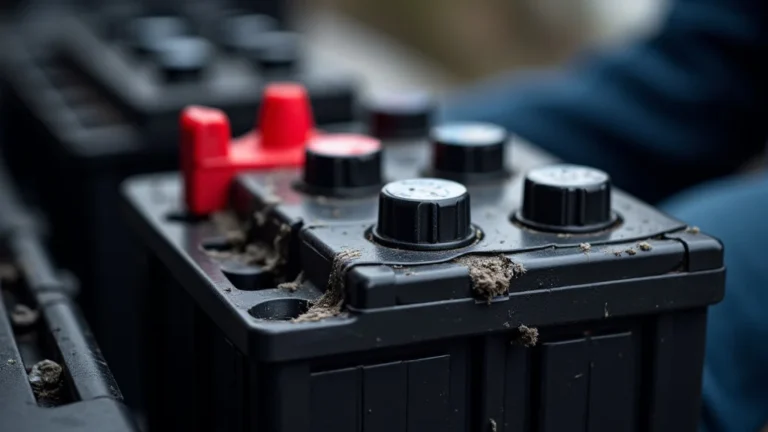
Corrosion is a real enemy of good electrical connections. It typically occurs at ground points, where the metal connections are exposed to the elements. Moisture, road salt, and other contaminants can cause a layer of rust or corrosion to build up on the surfaces. This layer acts as an insulator, creating resistance and disrupting the flow of electricity. Over time, corrosion can worsen. Preventing corrosion at ground points is essential for maintaining the car’s electrical health and preventing battery drain.
Troubleshooting and Fixing Grounding Issues
If you suspect a grounding issue, there are ways to find out what’s going on and fix it. You will need some basic tools, like a multimeter, to do these fixes. You can often solve these problems yourself. You’ll need to know where to check and how to do it.
Tools Needed
Before starting, gather the right tools. The following tools will assist you in diagnosing and repairing grounding problems, allowing you to effectively address battery drain and electrical issues.
- Multimeter: This tool measures voltage, current, and resistance. It’s used to check ground connections and see if there are any shorts.
- Wrench Set: You’ll need a set of wrenches to loosen and tighten bolts that secure ground wires.
- Wire Brush: A wire brush is used to clean corrosion from ground connection points.
- Gloves and Safety Glasses: These protect you while working with electrical components.
A multimeter is an indispensable tool for diagnosing and fixing electrical problems in your car. It’s like having a doctor’s stethoscope for your car’s electrical system, letting you listen to what’s happening. The multimeter can measure things like voltage, current, and resistance. Using a multimeter can help you pinpoint the source of electrical issues, such as a bad ground connection or a parasitic drain. It lets you test circuits, check component functionality, and confirm the presence of electrical power.
A wrench set is another important tool for fixing grounding issues. It allows you to tighten or loosen bolts that secure ground wires to the car’s chassis. Ground wires are typically attached to the vehicle’s metal frame. Without the right wrenches, you won’t be able to get these connections properly secured. These tools are available in both metric and standard sizes. Choosing the right wrench size is essential to avoid stripping bolts or damaging the connections.
A wire brush helps you remove rust and corrosion from ground connection points. When you are fixing grounding issues, you will likely encounter corrosion, which acts as a barrier to electricity flow. A wire brush can remove this corrosion, and it improves electrical conductivity. Using a wire brush helps ensure that connections are clean and free of rust or other contaminants. This is very important for making sure you have good, reliable ground connections. This can prevent electrical issues, including battery drain.
When working with electrical components, it’s very important to protect yourself. Gloves shield your hands from cuts, abrasions, and potential exposure to chemicals or electrical currents. Safety glasses will protect your eyes from debris, sparks, or anything that could cause injury. Safety first!
Testing the Ground
Use your multimeter to check the ground connections. You’ll need to set the multimeter to measure resistance (Ohms). Testing is quite simple, and it will help to determine if can bad ground drain battery charge.
- Setting up the Multimeter: Set the multimeter to measure resistance (Ohms). Touch the red probe to a known good ground (like the negative battery terminal or a clean metal part of the car’s body). Touch the black probe to the ground point you’re testing. The reading should be very low.
- Checking Resistance: A good ground connection will have very little resistance. A reading of less than 0.5 ohms is usually considered good. Higher readings indicate a problem.
- Testing Multiple Points: Test all the ground points that are accessible. Check all the ground points for a consistent reading. Check the ground connections for the battery, the engine, the lights, and any other components that could be affected by poor grounding.
Begin by setting your multimeter to the resistance (Ω) setting. This setting allows you to measure how easily electricity flows through a circuit. Choose the setting that suits your needs. Next, touch the red probe to a known good ground, which is often the negative terminal of your car’s battery or a clean metal part of the car’s body. Then, take the black probe and touch it to the ground point you’re examining. The reading you get is essential. You want the reading to be as low as possible, ideally near zero ohms. A reading above a few ohms suggests resistance, which is an indicator of a potential grounding issue that needs to be addressed.
When you measure the resistance between the ground point and a known good ground, the reading provides a key indicator of the quality of the connection. Ideally, a good ground connection should show a minimal resistance. A reading of less than 0.5 ohms is considered a reliable standard, meaning electricity can flow freely with minimal impedance. Higher readings, however, are a red flag. Readings above 0.5 ohms suggest there is resistance. This can be caused by corrosion, loose connections, or damaged wires. These issues can impede the flow of electricity, and they may contribute to battery drain.
Your goal is to ensure that every ground point functions efficiently. Start by checking the ground connection for the battery. This is a critical starting point. Then, move on to the engine. After checking these areas, continue to inspect the connections for your car’s lights. Finally, review all other components that might be impacted by grounding issues. Each ground point you examine should offer a consistent reading. You are looking for a minimal resistance. High readings, or inconsistencies between the readings across different ground points, can indicate a problem. This means you have identified a grounding problem.
Cleaning and Securing Ground Connections
After finding the problem, it’s time to fix it. This means cleaning the ground connections to remove corrosion and make sure the connections are secure. If a bad ground can bad ground drain battery power, these steps should fix it.
- Disconnect the Battery: Before you start, disconnect the negative battery terminal to avoid shorts.
- Clean the Ground Points: Use a wire brush to remove rust and corrosion from the ground points.
- Tighten Connections: Make sure all ground connections are tight. Use a wrench to secure bolts and connectors.
- Reattach the Battery Terminal: After you have cleaned and secured the ground points, reconnect the negative battery terminal.
Before you begin any work on the electrical system, it’s extremely important to disconnect the negative terminal of the car battery. This essential safety step prevents accidental short circuits. It is best to use a wrench. After you have removed it, put the disconnected cable somewhere that it cannot touch the battery terminal. This ensures that the car’s electrical components are safely isolated while you are working. Neglecting this step can lead to serious electrical damage and personal injury.
Corrosion acts as a barrier, preventing the proper flow of electricity. It’s really important to get rid of this buildup. Grab a wire brush and use it to scrub the ground points. The wire brush will remove rust and corrosion. You will be able to get a smooth, clean surface that is ready to make a strong connection. Clean ground points are very important if you want to make sure your car’s electrical system is working correctly. This is very important if you are trying to determine if can bad ground drain battery charge.
Tighten connections to ensure that your car’s electrical components can get the power they need to work correctly. Use a wrench and tighten any bolts or connectors to secure them. Make sure the connections are snug. A loose ground connection creates resistance and can interrupt the flow of electricity. If you are having trouble with a bad ground, it is even more important to secure the ground points. If there are no tight connections, it can lead to various electrical issues.
Once you’ve cleaned and secured all the ground connections, the final step involves reconnecting the negative terminal to the car battery. Reattach the terminal with care, ensuring a tight and secure fit. Double-check that all connections are secure and that the wires are correctly routed. Once you have done this, you should be ready to test your car’s electrical system. This helps ensure that the vehicle functions correctly, without any electrical glitches. With everything back in place, you can be sure that all of the components receive adequate power.
Real-Life Examples and Scenarios
Here are some real-life situations and the possible results of bad grounding. These are common and easy to find and fix. These situations show how big of a problem it can be, if can bad ground drain battery charge.
- Scenario 1: A driver noticed that their car would sometimes fail to start in the morning. They checked the battery and it was losing charge overnight. After checking all of the other options, they found that a ground connection on the engine block was corroded. Cleaning the connection solved the problem.
- Scenario 2: An owner upgraded their car’s sound system. After the upgrade, they started experiencing battery drain issues. Further investigation showed that the amplifier’s ground wire was not properly connected to the car’s frame. Tightening the ground connection fixed the problem.
This situation shows a practical example of how grounding issues can lead to persistent starting problems. The driver’s car would have difficulties starting in the morning. This intermittent nature of the problem, combined with battery drain overnight, created confusion for the driver. When they investigated, they found a corroded ground connection on the engine block. This corrosion was introducing resistance into the electrical circuit, leading to the battery losing charge. After cleaning the connection, the car started reliably every morning. This shows the importance of maintaining good ground connections for reliable starting and preventing unnecessary battery drain.
This scenario shows how easily changes to a car’s electrical system can introduce grounding issues. The owner’s new sound system was causing the battery to lose charge. During the upgrade, the amplifier’s ground wire wasn’t properly attached. The poor ground connection introduced resistance into the system. It caused a parasitic drain. This drain slowly depleted the battery’s energy. After the ground connection was tightened and secured, the amplifier’s operation became stable. This example underscores the importance of proper installation. It illustrates that simple mistakes during installation can have significant consequences.
| Symptom | Possible Cause | Solution |
|---|---|---|
| Dim Headlights | Bad Ground to Headlights | Clean and Secure Ground Connection |
| Radio Doesn’t Work | Loose Ground Wire to Radio | Tighten Radio Ground |
| Car Won’t Start | Corroded Battery Ground | Clean Battery Ground Terminal |
According to research, a car battery can lose up to 1% of its charge per day at room temperature, but this rate increases significantly in extreme heat or cold. The average lifespan of a car battery is around 3-5 years, but can be shortened by factors such as parasitic drain or poor maintenance (AAA, 2018). Addressing a bad ground is important, because bad grounding can bad ground drain battery and cause a variety of other problems.
Frequently Asked Questions
Question: How do I find the ground wires in my car?
Answer: Ground wires are usually black and go from electrical components to the car’s frame or engine block. Look for wires attached to metal parts.
Question: What does a multimeter do?
Answer: A multimeter measures voltage, current, and resistance. It helps you check electrical circuits and ground connections.
Question: Can I fix a bad ground myself?
Answer: Yes, you can. You’ll need basic tools like a wrench set and wire brush, and you should follow safety precautions.
Question: What should I do if I find a corroded ground connection?
Answer: Disconnect the battery, clean the corrosion with a wire brush, and re-secure the connection.
Question: How often should I check my car’s ground connections?
Answer: It’s good to check them periodically, especially if you notice electrical problems or are doing other maintenance.
Final Thoughts
We’ve talked about what causes battery drain and how grounding problems are related to it. Grounding is super important. When ground connections aren’t good, electricity can’t flow smoothly, which makes the car’s electrical system work poorly. If can bad ground drain battery power, it might have to do with the ground connections. You’ve learned how to identify bad grounds using a multimeter and how to fix them by cleaning and tightening connections. Now you should have the know-how to solve your car’s starting problems yourself. Remember to always disconnect the battery before working on electrical components. You are now prepared to keep your car running smoothly and avoid frustrating battery issues.