Can Bad Alternator Kill Battery Problems and Solutions
Figuring out if can bad alternator kill battery is a problem can be tricky. Many people find car troubles confusing, especially when something important, like the battery, isn’t working right. Don’t worry, though! This guide will break down what happens when the alternator isn’t doing its job and causes your car’s battery to fail. We’ll explore the causes and offer simple solutions to help you get back on the road. We’ll explore how this can be fixed so you can troubleshoot this problem confidently, and get your vehicle working properly.
What Does an Alternator Do in Your Car?
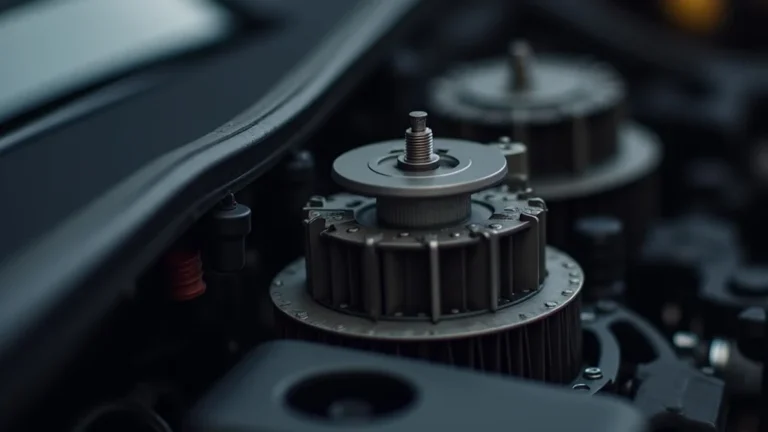
The alternator is a crucial part of your car’s electrical system, acting like a tiny power plant that charges the battery and provides electricity to all the other parts of your vehicle. It is connected to the engine via a belt. It converts mechanical energy from the engine into electrical energy. This electrical energy is used to power things like the headlights, the radio, the air conditioning, and the engine’s computer. The alternator is critical for starting and maintaining the operation of your car. Without a functioning alternator, your car will eventually stop working.
This is a vital component. It’s essentially the lifeline of your car’s electrical system, constantly working to keep everything running smoothly. If the alternator fails, it directly impacts the battery, which can lead to various issues. It’s essential to recognize how the alternator works to understand what happens when it goes bad. Next, we will discuss the essential function of the alternator in keeping your car running effectively.
The Main Functions of an Alternator
- Charging the Battery: The primary job of the alternator is to recharge the car battery while the engine is running. When the engine starts, the alternator begins to generate electricity, which is used to replenish the power that was used to start the car.
- Powering Electrical Systems: The alternator also supplies electricity to all the electrical components in your car. This includes lights, the radio, the air conditioning, the engine control unit (ECU), and the various sensors. Without the alternator, these components would drain the battery quickly.
- Voltage Regulation: The alternator contains a voltage regulator that ensures a consistent flow of electricity. This regulator prevents overcharging, which could damage the battery and other electrical components, and undercharging, which would not provide enough power.
Think of it like this: the battery is a reservoir of electricity to start your car. The alternator is a pump that refills that reservoir while you drive, and also powers everything that uses electricity. This pump must keep working to make sure the car operates properly. If the pump fails, your car won’t stay running for long. When the alternator fails, it can cause the battery to become completely discharged. The battery will struggle to keep up with the demands of the car’s electrical components and you may not be able to start the car after a period.
How the Alternator Works
The alternator operates using a principle called electromagnetic induction. It uses a series of magnets and a spinning rotor (a moving part) to produce electricity. When the engine is running, a belt connected to the engine turns the alternator’s pulley, which in turn spins the rotor. As the rotor spins, it creates a magnetic field. This magnetic field interacts with the stator (a stationary part), which has copper windings, generating an electric current. This generated current is then converted from AC (alternating current) to DC (direct current) by a rectifier, allowing it to charge the battery and power the car’s electrical components. The voltage regulator maintains a consistent voltage output, protecting the battery and electrical systems from damage. All of these components work together to provide power while driving.
The alternator is a reliable part, but it can fail due to wear, electrical problems, or even just old age. This failure can have different symptoms, which can vary depending on the severity of the problem. Some indications will appear at the car’s instrument panel.
Signs Your Alternator May Be Causing Problems
Identifying issues early can prevent further damage to your car. Several signs suggest that your alternator may be failing and impacting the battery. Recognizing these clues early can prevent more significant problems. Understanding these symptoms can help you know when to seek professional help and prevent getting stuck on the road. The warning signs listed below indicate the alternator may not be working correctly and is causing battery-related issues. If these things are not addressed, can bad alternator kill battery, leading to a breakdown.
Let’s look at some important signs that tell you something is wrong with your car’s electrical system:
Common Symptoms of a Bad Alternator
- Dimming or Flickering Headlights: If your headlights dim while the engine is running, or if they flicker, it may mean the alternator isn’t supplying enough power. This can be more noticeable when the engine idles or when the vehicle’s electrical load increases (e.g., turning on the air conditioning).
- Difficulty Starting the Car: A failing alternator may not charge the battery completely, leading to difficulty starting the vehicle. You might hear slow cranking or a clicking sound when you turn the key, indicating the battery doesn’t have enough power.
- Battery Warning Light: The most obvious sign is the battery warning light (shaped like a battery) on your dashboard. This light illuminates when the car’s computer detects a problem with the charging system. It could be an alternator problem or another issue.
- Electrical Component Failures: A weak alternator may not power all electrical components effectively. This might include issues like a malfunctioning radio, a sluggish power window, or a failing air conditioning system.
- Unusual Noises: You may hear unusual noises from the alternator. These sounds may include whining, growling, or clicking sounds when the engine is running. These noises suggest a bearing or other internal problem with the alternator.
The battery light is the most obvious sign, but other symptoms can be present. Some problems appear gradually, giving you time to have the car inspected. These signs are often the same whether the car is driven or left alone. If you notice these issues, it is essential to take your car to a trusted mechanic.
Battery Testing for Alternator Problems
If you suspect an alternator problem, testing the battery is a good starting point. You can test the battery to confirm it’s not holding a charge. If you don’t have the tools to do this, take the car to a mechanic or auto parts store for a free test. A mechanic can also conduct a comprehensive test of the charging system to determine if the alternator is at fault. These tests include checking the voltage output of the alternator under different loads. This helps to confirm if the alternator is supplying enough power to the car’s electrical system.
This information should help you pinpoint the issue. But, let’s explore how a faulty alternator can directly affect your car’s battery and lead to potential issues. In the next section, we explore what will happen when the alternator isn’t doing its job and causes the battery to fail.
How a Bad Alternator Directly Affects the Battery
When the alternator stops working correctly, it directly impacts the car’s battery. A failing alternator can cause the battery to discharge faster than it is charged. This is because the alternator isn’t supplying enough power to the car’s electrical systems. The battery starts to provide the electricity to run the car. Over time, this constant draining can lead to various problems with your vehicle. The direct link between the alternator and the battery means an alternator problem quickly affects the car’s ability to start and operate properly.
The car’s battery can suffer serious consequences. This can lead to a car that won’t start, or various electrical issues. Addressing a bad alternator is key to preventing these issues and keeping your car running safely. Understanding these issues will help you solve the problem if can bad alternator kill battery.
Consequences of a Failing Alternator on the Battery
- Battery Draining: A failing alternator cannot keep the battery fully charged, causing it to drain. Over time, the battery voltage will drop. It will not have enough power to start the car reliably.
- Sulfation: When the battery consistently operates in a low-charge state due to an underperforming alternator, it can lead to sulfation. Sulfation occurs when sulfate crystals form on the battery plates, which reduces the battery’s ability to hold a charge and shortens its lifespan.
- Reduced Battery Life: A battery exposed to constant undercharging will experience a significant reduction in its lifespan. This means you will need to replace the battery more frequently, increasing maintenance costs.
- Electrical System Problems: A weakened battery can cause various electrical system problems, including malfunctioning lights, a struggling air conditioning system, and other electrical components not working. These can add stress on the battery and the car’s electrical system.
The battery is essential to starting and running a car. The alternator’s job is to keep that battery charged. If the alternator isn’t working correctly, it will be the source of issues. This will shorten the life of the battery and other parts in the car’s electrical system. Knowing the connection between the alternator and the battery can help prevent costly repairs.
Step-by-Step of How a Bad Alternator Affects the Battery
- Reduced Charging: When the alternator begins to fail, its output voltage drops. This prevents it from fully charging the battery while the car is running.
- Battery Discharge: The car’s electrical system continues to draw power from the battery to operate. The battery starts to discharge since the alternator isn’t providing enough power to compensate for these energy demands.
- Undercharging: The battery operates at a low charge state for an extended time. The battery is never fully charged, and the voltage drops below the appropriate levels.
- Sulfation: If the battery continues to be undercharged, sulfation may occur. Sulfate crystals begin to form on the battery plates. This decreases the battery’s ability to store energy.
- Failure: Ultimately, the battery will no longer hold enough charge to start the car, leading to a no-start situation. The battery may be dead, and the car will be unable to operate.
These processes show the essential relationship between the alternator and the battery. You should be able to keep your car running properly by keeping these factors in mind. In the next section, we’ll look at how to test your alternator to determine if there is a problem.
Testing Your Alternator to Determine If It’s Bad
Diagnosing alternator problems involves several steps, including checking the battery and examining the alternator. You can do some of these tests yourself with simple tools. Other tests require specialized equipment, such as a multimeter or a load tester. Testing is necessary to confirm if the alternator is the source of your problems. You can make an informed decision on how to proceed.
Testing the alternator can prevent more damage and save money on repairs. Knowing how to perform these tests can help you keep your car in top shape and avoid unexpected breakdowns. Let’s look at the simple steps to test your alternator, and how to verify if it is working.
Tools Needed for Alternator Testing
- Multimeter: This is an essential tool for measuring voltage, current, and resistance in the car’s electrical system. A digital multimeter is easy to use and provides accurate readings.
- Safety Glasses and Gloves: These will protect you from potential hazards while working with electrical systems. Safety is always important when you are around the car.
- Jumper Cables: If your battery is completely dead, you may need jumper cables to start the car to perform certain tests. Always use jumper cables with care.
With these tools, you can accurately test your car’s electrical system. To ensure safety, always disconnect the battery before working on electrical components. You should always use the correct tools when working on a car. You will be able to perform accurate tests with these items.
Steps to Test Your Alternator
- Check the Battery Voltage: Before testing the alternator, start with the battery. Use a multimeter to measure the battery voltage when the car is off. The battery voltage should be between 12.4 and 12.7 volts. If the voltage is lower, you should charge the battery before testing the alternator.
- Start the Engine and Check Voltage Again: Start the car and let it idle. Measure the battery voltage again with the engine running. The voltage should now be between 13.5 and 14.5 volts. This indicates the alternator is charging the battery. If the voltage is not in this range, the alternator may not be working correctly.
- Perform a Load Test: Turn on the headlights, the air conditioning, and other electrical accessories. The voltage should remain relatively stable. If the voltage drops significantly, it may indicate that the alternator isn’t capable of handling the electrical load.
- Check for AC Voltage: A faulty alternator can leak AC voltage. Set the multimeter to measure AC voltage and check the battery terminals with the engine running. Any AC voltage present indicates the alternator has issues with the diodes, which convert AC to DC.
- Visual Inspection: Inspect the alternator’s belt for wear and tear. A damaged belt can cause the alternator to fail, so a visual inspection is very important. Look for fraying, cracks, or slippage.
These tests will help you determine if the alternator is working. If you notice any issues during this process, the alternator may need replacement. You can take your car to a mechanic for professional assistance and to verify any doubts. Now that you have an understanding of the symptoms, let’s explore options for resolving the issue. We’ll explore possible solutions.
Possible Solutions if Your Alternator Is Bad
If you have identified that your alternator is causing the issues with your battery, it is important to know the available solutions. You’ll likely need to replace or repair the alternator. There are several options you can explore. You should find the solution that best fits your needs, budget, and skills. Choosing the right course of action can make a difference in your car’s reliability.
The solution depends on the severity of the problem. Your choices will depend on your skills and the car’s condition. These steps will guide you through finding a solution.
Common Solutions
- Replacement: The most common solution is to replace the alternator. This can solve the problem if the alternator is defective and is no longer charging the battery. You can purchase a new or reconditioned alternator from an auto parts store or a mechanic.
- Repair: In some cases, the alternator can be repaired. A mechanic can replace worn parts, such as the voltage regulator or the brushes, to fix the charging problem. However, this is only possible if the damage isn’t too severe.
- Professional Diagnosis: Consulting with a mechanic is a good idea to confirm the diagnosis and determine the best approach. A mechanic can perform complete testing and offer an informed assessment and make the best recommendation.
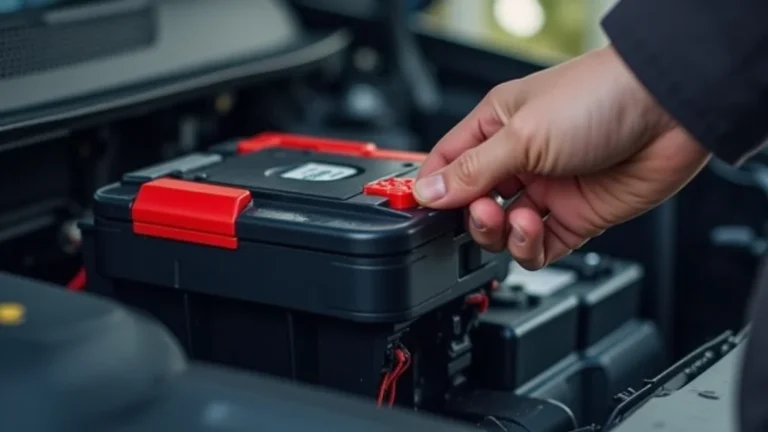
- Battery Replacement: If the battery has been damaged due to the alternator’s failure, you may need to replace it. A bad alternator often causes damage to the battery, so it’s a good idea to replace the battery at the same time.
With these considerations, you can make the right decision for your car. Selecting the right solution helps you get your car back on the road safely. Before we wrap things up, here is what you need to remember.
Choosing the Right Solution
Deciding between replacement, repair, or professional assistance depends on the severity of the problem. If the alternator is completely dead, a replacement will likely be the best course of action. If the problem is something minor, like worn brushes, then repair can be a less expensive option. A professional assessment helps ensure the correct solution is selected. It avoids further damage or unnecessary expenses.
| Solution | Description | Pros | Cons |
|---|---|---|---|
| Replacement | Replacing the entire alternator. | Reliable and ensures full functionality. | Most expensive option. |
| Repair | Replacing specific parts within the alternator. | Less expensive than replacement. | Requires a certain level of technical skill. |
| Professional Assistance | Having a mechanic diagnose and fix the problem. | Accurate diagnosis and reliable repairs. | Can be expensive. |
The right decision will depend on your vehicle, budget, and level of experience. Consulting with an expert can help you decide. Let’s move to our FAQ section to answer some of the top questions.
Frequently Asked Questions
Question: What happens if I ignore a bad alternator?
Answer: Ignoring a bad alternator will lead to a dead battery, leaving you stranded. You risk damaging other electrical components in your car.
Question: Can I drive my car with a bad alternator?
Answer: You can drive for a short time, as long as the battery still has a charge. But, your car will eventually stall once the battery is dead.
Question: How long does an alternator typically last?
Answer: Alternators typically last between 80,000 and 150,000 miles. But this can vary depending on your driving conditions.
Question: How much does it cost to replace an alternator?
Answer: The cost to replace an alternator varies, but it can range from $300 to $800, including parts and labor.
Question: Can I replace an alternator myself?
Answer: If you have basic mechanical skills, you can replace the alternator. However, you should follow all safety procedures and take care.
Final Thoughts
If you’re wondering, can bad alternator kill battery, the answer is yes, it can. A failing alternator can lead to battery issues and other electrical problems in your car. It’s important to understand the role of the alternator in your car’s electrical system, recognize the signs of failure, and take action. Testing your alternator is crucial to determining the underlying issue and choosing the right solution.
By learning how to spot the signs of alternator failure and knowing how to troubleshoot, you can keep your car in excellent condition. Remember, regularly checking the charging system and addressing issues early can help prevent more costly repairs. If you notice any of the warning signs, don’t delay. Have your car inspected as soon as possible to make sure you stay safe on the road. Now, you can confidently address alternator problems and keep your car running smoothly!