Can Alternator Charge Dead Battery Is It Possible
Featured image for can alternator charge dead battery
Image source: upload.wikimedia.org
No, an alternator cannot effectively or safely charge a completely dead car battery. Its primary role is to maintain a charged battery and power the vehicle’s electrical systems once the engine is running, not to revive a deeply discharged one. Attempting this can severely overwork and potentially damage the alternator, leading to more costly repairs than simply replacing or properly charging the dead battery.
Can Alternator Charge Dead Battery Is It Possible
We’ve all been there, right? You hop into your car, turn the key, and… nothing. Just that heart-sinking click or complete silence. Your battery is dead. The immediate thought might be, “Okay, I’ll get a jump start, drive around for a bit, and the alternator will fix it.” It’s a common belief, almost automotive folklore. But the truth about whether your can alternator charge dead battery effectively is a bit more nuanced than just driving around the block.
This situation can be incredibly frustrating. You’re probably wondering if that quick fix is truly safe or if it’s setting you up for more trouble. Let’s peel back the layers and understand how your car’s charging system works, what happens when a battery dies, and whether your trusty alternator is designed for a rescue mission of that magnitude. While it can technically provide some charge, it’s not its primary role, and relying on it can lead to bigger issues.
Key Takeaways
- Alternators maintain charge: Not designed for fully dead batteries.
- Charging a dead battery: Severely stresses and damages the alternator.
- Use a battery charger: Fully restore a dead battery safely.
- Jump-start carefully first: Then let the alternator top it off.
- Prolonged driving isn’t ideal: To fully recharge a dead battery.
- Investigate dead battery cause: Prevents repeat issues and damage.
📑 Table of Contents
- Understanding Your Car’s Charging System: The Team Players
- What Happens When a Battery Dies? More Than Just “Empty”
- The Alternator’s Role vs. a Dead Battery: A Mismatch
- The Better Way: Proper Battery Charging and Maintenance
- When to Replace Your Battery vs. Just Recharge It
- Conclusion: The Alternator’s True Purpose
Understanding Your Car’s Charging System: The Team Players
Before asking “can alternator charge dead battery,” let’s quickly review your car’s electrical system. It’s a finely tuned team.
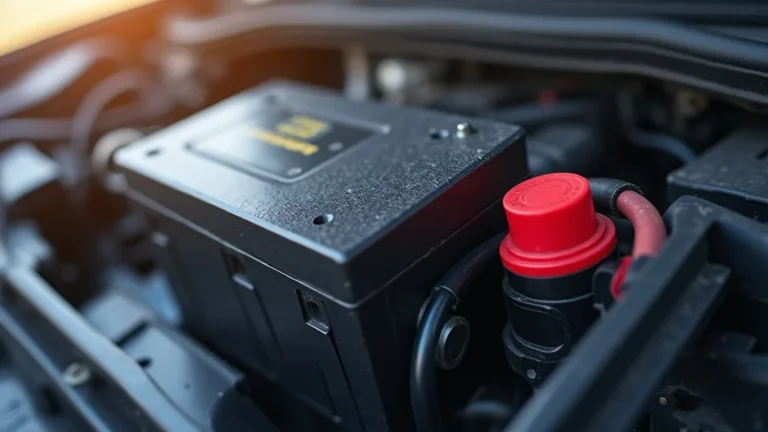
The Battery: The Initial Spark. Its main job is to provide a massive burst of electricity to the starter motor. Once the engine runs, it stabilizes voltage. It’s for short, powerful discharges, not continuous power.
The Alternator: The Running Powerhouse. Once the engine runs, it generates electricity for all car components (lights, radio, etc.) and, secondarily, recharges the battery from the small amount lost during starting. It maintains a healthy battery; it doesn’t revive a completely drained one.
The Voltage Regulator: The Protector. Often built into the alternator, it ensures consistent voltage (13.8 to 14.5 volts), protecting electronics and ensuring proper battery charging.
What Happens When a Battery Dies? More Than Just “Empty”
A “dead” battery isn’t always just empty. Understanding why it died is crucial to knowing whether your can alternator charge dead battery situation is recoverable.
Deeply Discharged Battery. Most common: lights left on, or a parasitic drain. The battery simply ran out of charge. While rechargeable, deep discharge strains its internal chemistry.
Sulfation, Age, and Internal Damage. If a battery stays discharged, lead sulfate crystals can harden (sulfation), permanently reducing capacity. Batteries also have a lifespan (typically 3-5 years) and lose power. Internal faults or physical damage also cause death. In these cases, charging won’t help; it needs replacement.
The Alternator’s Role vs. a Dead Battery: A Mismatch
Here’s the core question: can alternator charge dead battery? Technically, yes, it can transfer current. But it’s not designed for that, and relying on it is a bad idea.
Not a Dedicated Battery Charger. Your alternator is like a marathon runner – great at maintaining a steady pace. A dead battery is like making that runner sprint with a heavy load. The alternator is for maintenance charging (low-amp, continuous) not the high-amp, sustained effort to revive a severely depleted battery.
Overloading and Overheating Risks. Jump-starting a car with a dead battery forces the alternator to pump out maximum current. This huge load can lead to:
- Overheating: Damaging internal components.
- Premature Failure: Shortening lifespan, leading to costly repairs.
- Voltage Spikes: Potentially harming other sensitive electronic components.
So, while your alternator can try to charge a dead battery, it does so at its own peril.
The Better Way: Proper Battery Charging and Maintenance
Instead of “can alternator charge dead battery,” ask “what’s the safest way to deal with it?”
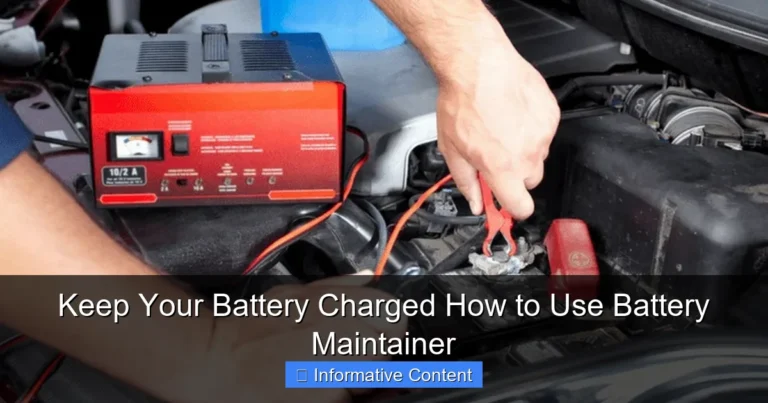
Use a Dedicated Battery Charger. A smart, multi-stage battery charger is the best solution for a deeply discharged battery. These safely bring a battery back to full charge, monitoring its state and preventing overcharging. Some even help with desulfation.
The Jump Start: A Temporary Solution. A jump start gets your car running. Afterward, drive for at least 30-60 minutes at highway speeds, or, preferably, connect it to a dedicated charger. Your alternator might add some charge, but it won’t fully restore a severely discharged battery.
Regular Battery Health Checks. Prevention is key. Check terminals for corrosion. Most auto parts stores offer free battery testing. Get it tested, especially before winter or if you notice slow cranking. Proactive checks prevent dead battery surprises.
When to Replace Your Battery vs. Just Recharge It
Knowing when to replace is crucial. While “can alternator charge dead battery?” addresses capability, the real decision is about effectiveness and overall battery health.
Signs Your Battery Needs Replacement:
- Slow Cranking: Engine turns over sluggishly.
- Dim Lights/Flickering Dash: Electricals seem weak when engine is off.
- Bloated or Leaking Case: Visible damage indicates internal failure.
- Failing Load Test: Professional test shows it can’t hold an adequate charge.
- Frequent Jumps: If you need jumps often, it’s failing.
The Rule of Thumb:
If your battery is over 3-5 years old and shows weakness, or dies unexpectedly more than once, replace it. Relying on your alternator or jump-starting a dying battery is a false economy that can leave you stranded or damage your alternator.
Conclusion: The Alternator’s True Purpose
So, can alternator charge dead battery? Yes, it physically can push current into it. But it’s vital to understand it’s not designed to be a dedicated battery charger. Its primary role is to maintain an already healthy battery and power your vehicle’s electrical systems while the engine is running.
Relying on your alternator to revive a dead battery places immense, unnatural strain on it, greatly increasing the risk of premature failure. This could lead to far more expensive repairs than just replacing a worn-out battery. When faced with a dead battery, the safest and most effective approach is a proper multi-stage battery charger or, if you jump start, follow up with a professional test and full charge from a dedicated unit. Invest in your battery’s health, and you’ll save yourself from frustrating breakdowns and costly repairs.
Frequently Asked Questions
Can an alternator charge a dead battery?
While an alternator *can* technically provide some charge, it is not designed to fully replenish a completely dead battery. Its primary role is to maintain the battery’s charge and power the vehicle’s electrical system once the engine is running.
Is it safe or effective to try and charge a dead battery with an alternator?
It is generally not safe or effective to use an alternator to charge a dead battery. Doing so puts excessive strain on the alternator, which can lead to overheating and premature failure, especially if the battery is deeply discharged.
What’s the best way to charge a dead car battery, rather than relying on the alternator?
If your car battery is dead, the most effective and safest method is to use a dedicated external battery charger. These devices are designed to slowly and properly restore a deeply discharged battery’s full capacity without risking damage to your vehicle’s components.
What are the potential risks if my alternator attempts to charge a completely dead battery?
Forcing your alternator to charge a dead battery can lead to several risks, including premature wear or failure of the alternator due to excessive heat and strain. It can also potentially damage other electrical components in your car if the voltage regulation becomes unstable.
What is the alternator’s primary function, and why isn’t it for charging a dead battery?
The alternator’s main role is to generate electricity to power your car’s electrical systems and maintain the battery’s charge while the engine is running. It is designed to top off a *partially* depleted battery, not to fully charge or revive a completely dead one, as doing so would overload it.
After a jump start, can the alternator then charge a dead battery back to full?
While a jump start might get your engine running, it’s still not ideal to rely solely on the alternator to fully charge a deeply discharged battery afterward. The alternator will be under significant strain, and it’s much better to drive to a shop or connect it to an external charger to properly restore its charge.