Can a Jump Starter Bring a Lifeless Battery Back to Life?
Figuring out can a jump starter start a dead battery can seem tricky when your car won’t start. It’s a common problem, and it’s easy to feel lost if you’re new to car maintenance. Don’t worry, though! This guide will break down everything you need to know in simple terms. You’ll soon see how these tools work. We’ll explore how they function, what kinds are available, and the safety measures involved. Let’s get started and make sure you’re prepared for those unexpected moments.
What Exactly Is a Jump Starter and How Does It Function?
A jump starter is essentially a portable power source designed to provide a burst of energy to a vehicle’s battery. Think of it as a small, rechargeable battery pack that delivers a surge of power to get your car running. These devices are particularly helpful when your car battery is dead or weak, preventing you from getting stranded. Instead of relying on another vehicle to jump-start your car, a jump starter provides a standalone solution. Many jump starters also include extra features like USB ports for charging devices, LED flashlights for roadside emergencies, and even air compressors for inflating tires. Knowing what is inside a jump starter makes it easier to use one when you need it.
Inside the Jump Starter: The Components
Jump starters pack a lot of technology into a compact package. They are generally composed of a rechargeable battery (usually lithium-ion), a circuit board with safety features, and jumper cables for connecting to your vehicle. The battery stores the power, while the circuit board regulates the flow of electricity and includes safety features like overcharge protection, reverse polarity protection, and short-circuit protection. These protections are in place to keep you and your vehicle safe. The jumper cables, with their alligator clips, are used to connect the jump starter to your car’s battery terminals. This design keeps the process user-friendly for people without technical knowledge.
- Rechargeable Battery: This is the heart of the jump starter. It stores the energy needed to jump-start your car. Lithium-ion batteries are popular because they are lightweight, hold a charge for a long time, and offer a high power output.
- Circuit Board: The brain of the jump starter. It controls the flow of electricity, regulates charging and discharging, and includes protection features like overcharge and reverse polarity protection. It makes the jump starter safe and stops damage.
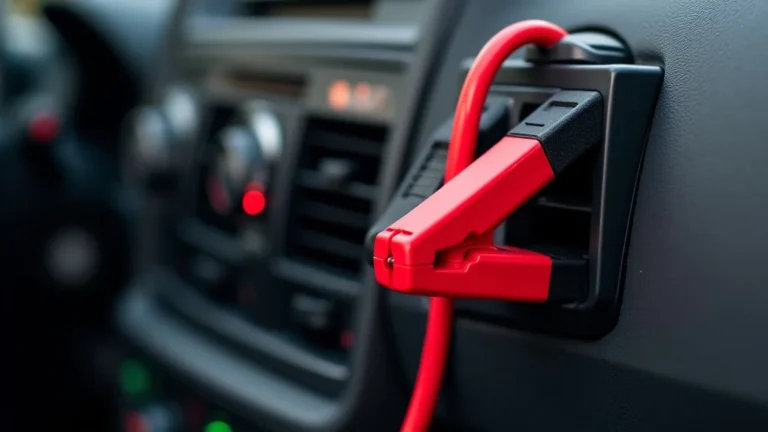
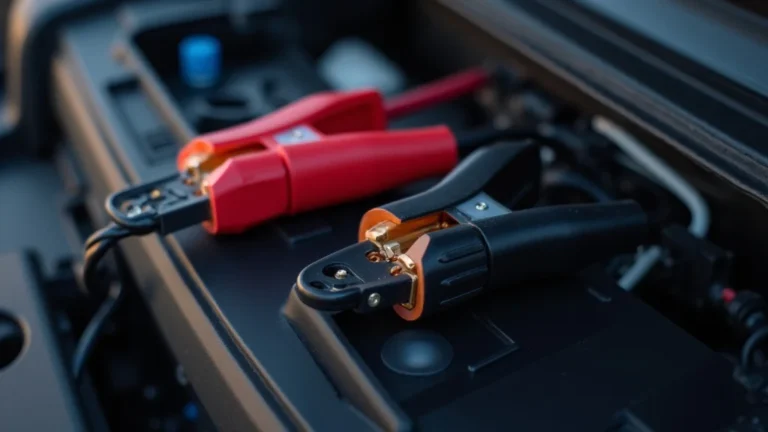
- Jumper Cables with Alligator Clips: These connect the jump starter to your car’s battery terminals. The alligator clips grip onto the terminals, allowing the jump starter to deliver power to your car’s electrical system.
- USB Ports and Other Accessories: Many jump starters come with extra features. USB ports allow you to charge phones or other devices. An LED flashlight can be very useful for roadside emergencies, especially at night. Some even feature an air compressor for tires.
How the Jump Starter Works: The Process
The process of using a jump starter is straightforward. You connect the jump starter to your car’s battery, turn on the jump starter, and then try to start your car. The jump starter provides a temporary boost of power to your car’s electrical system, which allows the engine to start. Once the car is running, the alternator takes over and recharges the car battery. This whole procedure is designed to be simple, even if you are not car-savvy.
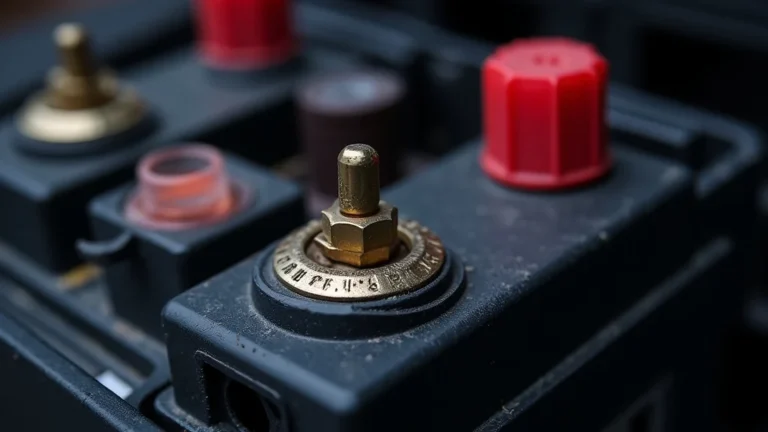
- Connect the Jump Starter: Connect the red (positive) clamp of the jump starter to the positive terminal of your car battery. Then, connect the black (negative) clamp to a metal part of your car’s chassis or a negative terminal.
- Power On the Jump Starter: Turn on the jump starter. Make sure it’s fully charged. The device should show a status indicator to confirm it is ready.
- Attempt to Start Your Car: Try to start your car. If the engine starts, the jump starter has done its job. Let the car run for a few minutes to give the alternator time to charge the battery.
- Disconnect the Jump Starter: Once the car is running, carefully disconnect the jump starter in the reverse order of how you connected it (negative first, then positive).
Can a Jump Starter Start a Dead Battery: Different Battery Types and Compatibility
Jump starters are generally compatible with various types of car batteries. From standard lead-acid batteries to more modern AGM and gel cell batteries, jump starters can provide the necessary boost. Understanding the differences between these battery types and their compatibility with jump starters is important to make sure you’re using the right equipment for your vehicle. Selecting the right jump starter ensures it works correctly and avoids potential damage.
Different Battery Types and Their Needs
The type of battery in your car can affect how well a jump starter works. The most common type is the lead-acid battery, which has been used in cars for many years. Then there are AGM (Absorbent Glass Mat) batteries, which are popular in modern cars because of their long life and ability to withstand deep discharges. Gel cell batteries are similar, using a gelled electrolyte for improved performance in specific conditions. Different batteries require different charging and starting characteristics. Some jump starters are made to work with all types of batteries, while others are designed for specific battery types, so read the device’s documentation.
- Lead-Acid Batteries: These are the most common type. They are reliable and cost-effective. Jump starters work well with these.
- AGM Batteries: AGM batteries are commonly used in newer cars. They are more durable and can handle more charge cycles. Ensure your jump starter is compatible with AGM batteries.
- Gel Cell Batteries: Gel cell batteries use a gelled electrolyte. They are good for deep cycling, but they are more sensitive to overcharging. Check your jump starter’s compatibility and any special settings for these.
- Lithium-Ion Batteries: Many jump starters now use lithium-ion batteries internally.
Checking Jump Starter Compatibility
Checking for compatibility is easy. Most jump starters list the battery types they support in their specifications or on the packaging. Double-check this information before buying and using a jump starter. Not all jump starters are created equal. Some are designed for smaller vehicles like motorcycles or sedans, while others are built to handle trucks and SUVs. The size of your vehicle will impact the power needed to start the engine, so pick a jump starter that can meet these needs.
A few key factors will help you make a good choice:
- Peak Amps: This is the most important spec. It tells you the maximum power the jump starter can provide. A higher number is better for larger engines.
- Battery Capacity: Shown in milliampere-hours (mAh), it tells you how much energy the jump starter has stored. A higher capacity means more jump-start attempts.
- Voltage: Most cars use a 12-volt system. Confirm the jump starter is 12V.
- Safety Features: Look for features like reverse polarity protection and overcharge protection.
Safety First: Using a Jump Starter Correctly
Operating a jump starter is generally a safe process. However, following safety steps is crucial to prevent harm to yourself and your vehicle. Safety involves both the correct use of the jump starter and understanding how to deal with potential issues. Always consult the jump starter’s user manual. It contains specific safety instructions and warnings for your device. Understanding how to connect the cables, dealing with sparks, and knowing what to do if the battery is damaged can significantly reduce the risk.
Proper Connection Techniques
The way you connect the jump starter to your car battery is vital. Connecting the clamps in the wrong order or to the wrong terminals can lead to damage. Follow the correct procedures every time. The red clamp (positive) goes on the positive terminal (+), and the black clamp (negative) connects to a ground point on the car’s frame or the engine block. Never attach the negative clamp directly to the negative terminal of the dead battery. This can cause sparks and is generally not recommended.
- Positive First: Connect the red clamp to the positive terminal of the dead battery.
- Negative Second: Connect the black clamp to a metal part of the car’s frame, away from the battery.
- Confirm Connections: Make sure both clamps are securely connected and making good contact.
- Try to Start the Car: After the jump starter is connected, attempt to start the car.
- Disconnect Correctly: Disconnect the clamps in reverse order once the car starts.
Handling Sparks and Other Hazards
Sparks are a common hazard when dealing with car batteries. They can ignite flammable gases produced by the battery, especially if it’s damaged or leaking. If you see sparks, immediately disconnect the jump starter and check your connections. Avoid smoking or using any open flames near the battery. Wear safety glasses and gloves to protect your eyes and hands. If the battery shows signs of damage, such as swelling or leaking fluid, do not attempt to jump-start the car. Seek professional assistance instead.
If you get sparks, here’s what to do:
- Stop Immediately: Turn off the jump starter and disconnect the clamps.
- Check Connections: Ensure all connections are secure and not loose.
- Look for Damage: Examine the battery and cables for any signs of damage.
- Ventilate the Area: If you smell gas, let the area air out.
- Seek Professional Help: If you’re unsure about the issue, have a mechanic check the car.
Choosing the Right Jump Starter for Your Needs
Choosing the right jump starter involves evaluating several factors, from the size of your vehicle to additional features you might need. There are many types and brands available. Think about how often you will use the jump starter, the types of vehicles you need to start, and any extra features that would make the product more useful. A well-considered purchase guarantees you’re prepared for emergencies, saving you time and stress.
Assessing Your Vehicle’s Needs
Different vehicles require varying levels of power to start. The engine size is a key factor to consider. Larger engines, especially those in trucks and SUVs, need more power than smaller engines. Check your vehicle’s specifications to determine the appropriate peak amps for your jump starter. Think about the battery type as well. Ensure the jump starter is compatible with your car’s battery (e.g., lead-acid, AGM). Considering the power needed for your vehicle will narrow down your jump starter choices.
- Engine Size: Larger engines require more power.
- Battery Type: Ensure compatibility with AGM, gel cell, or other specific battery types.
- Vehicle Type: Jump starters designed for motorcycles may not be enough for larger vehicles.
- Cold Weather: Cold temperatures reduce battery performance, so select a jump starter with sufficient power.
Considering Extra Features
While the primary function of a jump starter is to start your car, some models come with extra features that can be useful. USB ports are valuable for charging phones and other devices. LED flashlights can be very helpful in roadside emergencies. Air compressors are great for topping off tires. The presence of these extra features can influence the purchase and improve overall value. Think about the features that will fit with your lifestyle and needs.
- USB Ports: Charge phones and other devices.
- LED Flashlight: Useful for roadside emergencies, especially at night.
- Air Compressor: Inflate tires.
- Digital Display: For easy monitoring of battery status and power levels.
- Durability: Look for a jump starter with a rugged design.
Popular Jump Starter Brands and Models
Many brands offer reliable jump starters. Researching and comparing different models helps make an informed purchase. Check online reviews and ratings from other buyers to see the product’s performance. Focus on performance, price, and extra features. Some popular brands include NOCO, Clore Automotive, and Schumacher. Each brand provides different features and levels of power. Look at the specific models that match your needs. Read customer reviews to understand real-world experiences.
| Brand | Notable Features | Typical Price Range |
|---|---|---|
| NOCO | High power, advanced safety features, compact design | $100-$300 |
| Clore Automotive | Heavy-duty, designed for professional use | $150-$500 |
| Schumacher | User-friendly, affordable options | $50-$150 |
Maintaining Your Jump Starter for Long Life
Keeping your jump starter in good condition ensures it’s ready when you need it. Properly storing, charging, and checking your jump starter will help maintain its effectiveness. Routine checks can prevent surprises when you need it most. Following these guidelines will extend the lifespan of your jump starter and improve its performance. Proper maintenance guarantees your jump starter remains dependable for jump-starting a dead battery.
Charging and Storage Guidelines
Proper charging and storage are key to extending the life of your jump starter. Always charge the jump starter after use, and periodically charge it even if you don’t use it. This will prevent the battery from fully discharging and becoming damaged. Store your jump starter in a cool, dry place. Avoid extreme temperatures, such as direct sunlight or freezing conditions. The ideal storage temperature is between 32°F and 77°F. Following these steps helps prolong the battery’s life and keeps the jump starter ready to use.
- Charge After Use: Recharge the jump starter after each use to keep it ready for the next time.
- Periodic Charging: If not used often, recharge your jump starter every 3-6 months.
- Temperature: Store in a cool, dry place away from direct sunlight and extreme temperatures.
- Humidity: Avoid storing in damp or humid areas.
Regular Inspection and Troubleshooting
Regular inspection of your jump starter can catch potential issues before they become serious. Inspect the cables and clamps for damage or corrosion. Make sure the battery terminals are clean and free of any buildup. Read the battery status indicator to verify the battery is fully charged. If you notice any unusual signs, such as the jump starter not holding a charge or failing to start a car, troubleshoot the problem. Contacting the manufacturer’s customer service or a qualified technician can help resolve any issues.
- Inspect Cables and Clamps: Check for any damage or corrosion.
- Check Battery Terminals: Make sure the terminals are clean.
- Read the Battery Status Indicator: Check that the battery is fully charged.
- Troubleshooting: If it’s not working, consult the manual or contact customer service.
Can a Jump Starter Start a Dead Battery: Real-Life Scenarios and Examples
The usefulness of jump starters is very clear in various scenarios. They provide a quick and convenient solution to get your car running. Several real-life examples and situations highlight the effectiveness of jump starters. From unexpected battery failures to providing assistance to others, jump starters are very helpful in emergencies. These examples make the importance of owning a jump starter more clear.
Real-Life Case Studies
- Case Study 1: Stranded on a Road Trip
A family was on a road trip when their car battery died. The nearest assistance was hours away. Luckily, they had a jump starter. They quickly jump-started their car and continued their trip. This prevented significant delay and stress. - Case Study 2: Cold Weather Start Failure
During a cold snap, a person’s car wouldn’t start because the battery was weakened. Using a jump starter, the car started quickly, and they made it to work on time. The jump starter overcame cold weather’s effects on the battery. - Case Study 3: Assisting a Stranger
A driver saw someone stranded on the side of the road with a dead battery. Using their jump starter, they helped start the car. This act of kindness got another person back on the road.
Common Scenarios for Jump Starter Use
- Cold Weather: In cold climates, batteries lose power. A jump starter provides the necessary boost to start the engine.
- Leaving Lights On: Accidentally leaving your lights on drains the battery. A jump starter gets you back on the road fast.
- Infrequent Driving: Cars that sit unused can lose battery power. A jump starter helps start the car when you need it.
- Battery Age: As batteries age, they become less reliable. A jump starter can offer a solution.
Frequently Asked Questions
Question: What’s the main difference between a jump starter and jumper cables?
Answer: A jump starter is a portable device with its own battery, while jumper cables need another car to supply power. Jump starters give you independence.
Question: Can I use a jump starter on any car battery?
Answer: Most jump starters work with standard lead-acid batteries and some are compatible with AGM and gel cell batteries. Always check your device’s instructions.
Question: How long does a jump starter take to charge?
Answer: Charging times vary by model, but they usually range from a few hours to overnight. Check your jump starter’s manual.
Question: Is it safe to leave a jump starter in my car?
Answer: Yes, but avoid extreme temperatures. Keep it in a place away from direct sunlight and freezing temperatures for its best performance.
Question: What should I do if my car won’t start after using a jump starter?
Answer: If your car still won’t start, the problem might be more serious, such as a faulty starter or alternator. It’s best to have a mechanic check your car.
Final Thoughts
Knowing can a jump starter start a dead battery equips you with a key solution when your car lets you down. Jump starters offer a dependable way to get your vehicle running. By following the instructions for safe usage, you can utilize the jump starter with confidence and keep yourself from being stranded. From understanding the basics to choosing the right model and following safety steps, the process has been explained to set you on the correct path. So, if you’re looking for a reliable way to handle battery issues and maintain vehicle independence, a jump starter is a worthwhile investment. Be prepared for any roadside situation.