Battery Warning Light Flickering Explained for Drivers
Seeing the battery warning light flickering can be a bit scary, especially if you’re new to driving. It’s a pretty common issue that pops up for many car owners. Don’t worry, it doesn’t always mean the worst! This guide breaks down what might be happening and what you can do. We’ll explore the causes and offer a straightforward, step-by-step approach to resolve the problem. Get ready to discover what might be behind that blinking light!
What Causes the Battery Warning Light to Flick?
The battery warning light, also sometimes called the battery light or alternator light, is designed to alert you to issues with your car’s electrical system. When this light illuminates, it signals that the system isn’t working correctly. This can range from minor problems to serious concerns that could leave you stranded. The causes of the light flickering are many, but usually revolve around issues in the electrical system, not always just the car battery. This section explores some of the most common reasons.
Faulty Alternator Explained
The alternator is a crucial part of your car’s electrical system. Its primary role is to generate electricity to power all your car’s electrical components and recharge the battery while the engine is running. Think of it as the power plant of your car. When the alternator malfunctions, it might not provide enough power, causing the battery warning light to flicker or stay on. A failing alternator can also lead to other issues, such as dimming headlights, a sluggish engine, or difficulty starting the car. The alternator’s job is to keep everything running, so when it fails, your car’s performance is quickly affected.
- Voltage Regulator Problems: The voltage regulator is inside the alternator. It controls the amount of electricity the alternator produces, ensuring it doesn’t overcharge or undercharge the battery.
- Worn-Out Alternator Belt: The alternator belt, or serpentine belt, connects the alternator to the engine’s crankshaft. As the engine runs, the belt spins the alternator, which generates electricity. Over time, the belt can become worn, cracked, or loose, which prevents the alternator from operating efficiently.
- Alternator Diode Failure: Alternators use diodes to convert the AC (alternating current) they generate into DC (direct current), which the car’s electrical systems require. When a diode fails, the alternator can’t correctly convert the electricity, leading to power fluctuations and potentially the battery warning light coming on.
If the voltage regulator fails, it might not be able to maintain the correct voltage, which causes the warning light. Problems in the voltage regulator can lead to inconsistent power to the battery. This malfunction causes the battery light to illuminate to indicate this issue.
A damaged belt might slip, reducing the alternator’s output, and causing the battery light to flicker or turn on. Check the condition of your belt periodically. A good belt is essential for the alternator to do its job. A failing belt will cause the alternator to not charge the battery and also cause other issues in the car.
A failed diode reduces the alternator’s efficiency. As a result, the car may run out of power. Regular testing and maintenance can catch these issues early before they cause extensive damage to the car’s electrical system.
Battery Problems: More Than Meets the Eye
While the battery warning light often points to alternator problems, it can also be a sign of battery issues. A failing battery might struggle to hold a charge, and this can trigger the light. This means your battery isn’t providing enough power. The problem can be caused by the battery itself or external factors that affect the battery’s health. Understanding these potential issues is the first step toward finding a solution.
- Battery Age and Condition: Batteries have a lifespan. As a battery ages, its ability to hold a charge decreases. This can cause the warning light to flicker or come on permanently.
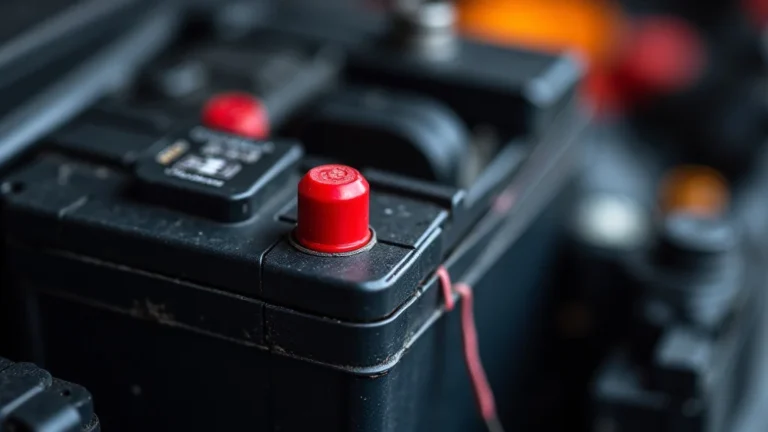
- Corrosion on Battery Terminals: Corrosion on the battery terminals can block the flow of electricity, interfering with the charging process. This might cause the battery light to flicker.
- Loose Battery Connections: Loose connections can interrupt the flow of electricity, causing the battery warning light to illuminate. This is similar to corrosion. A secure connection is essential for the electrical system.
The average lifespan of a car battery is generally three to five years. Factors such as climate and driving habits can affect how long it lasts. Consider getting your battery tested periodically to ensure it’s in good shape.
You can identify corrosion by the white or greenish buildup on the terminals. This buildup can prevent the battery from effectively sending and receiving power, and the warning light will be the result. Cleaning your battery terminals regularly is important.
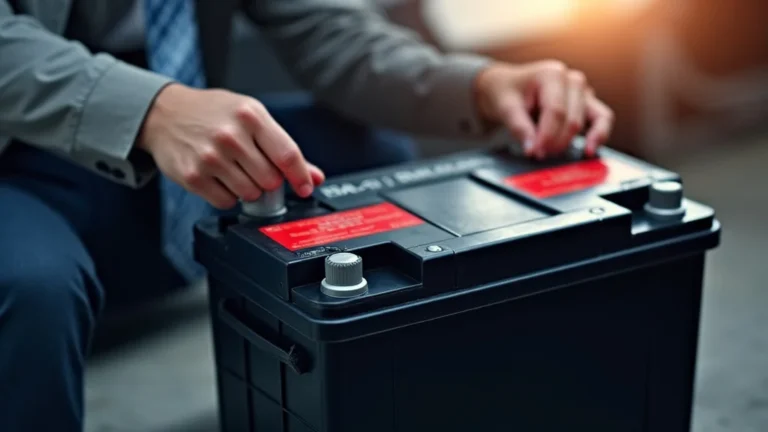
Ensure the clamps are firmly attached to the battery terminals. A simple tightening of the terminals might resolve the issue. If the connections are loose, the battery will not be able to send power.
Electrical System and Wiring Troubles
Beyond the alternator and the battery, issues with the car’s electrical system and wiring can also cause the battery warning light to appear. Wiring problems can interrupt the flow of electricity, leading to the light flickering or staying on. These issues can range from simple to complex, including short circuits and damaged wires.
- Short Circuits: A short circuit occurs when electricity takes an unintended path, bypassing components and reducing the current to the battery. This can happen if wires are frayed, damaged, or touching parts of the car they shouldn’t.
- Corroded or Damaged Wiring: Over time, wires can corrode or get damaged due to various environmental factors, such as extreme temperatures, moisture, and wear and tear. Damaged wiring can cause intermittent electrical problems and trigger the warning light.
- Fuse Box Issues: Fuses protect your car’s electrical circuits from overloads. If a fuse related to the charging system blows, it will disrupt the flow of electricity, which might cause the battery warning light to come on.
Short circuits disrupt the flow of power, which causes problems for the car. Sometimes, you may even smell burning plastic. Locating the short circuit can be tricky, often requiring the use of diagnostic tools. Once the short is fixed, the battery light might go off.
Wires that are exposed or damaged can short circuit, causing the light. Inspecting and replacing any damaged wiring is vital. If a wire is damaged, the light may flicker or illuminate. Careful inspection of the wiring is critical.
A blown fuse indicates an underlying electrical problem. Check the fuse box and replace any blown fuses. Use the correct amperage fuse for replacement. After you have replaced the fuse, the light might go off, but you still need to find what caused the fuse to blow.
Troubleshooting Steps When the Battery Warning Light Flickers
When the battery warning light flickering shows up, it’s time to act. Don’t panic! There are several steps you can take to diagnose and potentially fix the issue. This section provides a practical, step-by-step approach to help you get to the bottom of the problem and get your car back in shape. Each step will help you narrow down the issue so you can resolve it without unnecessary expense.
Visual Inspection and Basic Checks
Before you jump into complex diagnostics, start with simple visual inspections and tests. These basic steps can reveal many common issues and save you time. They also help you eliminate easy solutions before moving to more advanced methods. This includes a thorough look at the battery and the connections.
- Check the Battery Terminals: Start by examining the battery terminals. Look for corrosion, which is a white or greenish buildup. Also, ensure the connections are secure and tight.
- Inspect the Alternator Belt: Locate the serpentine belt. Check it for cracks, fraying, or any signs of wear. A damaged belt can cause the alternator to not charge the battery correctly, and the battery warning light might flicker.
- Examine the Wiring: Look for any visible damage, such as frayed or exposed wires, which could indicate a short circuit or other electrical problems.
If you find corrosion, clean the terminals with a mixture of baking soda and water, or use a wire brush. If they’re loose, tighten the clamps using a wrench. Good connections are essential.
If the belt looks worn, you’ll need to replace it. This is usually a straightforward task but might require some tools. A new belt will help ensure proper alternator function.
Carefully check the wiring near the battery and alternator. Damaged wires need to be repaired or
Testing the Battery and Charging System
If the visual inspection doesn’t reveal any obvious problems, it’s time to move on to testing the battery and charging system. This requires a few tools, such as a multimeter. These tests help determine if the battery can hold a charge and if the alternator is working properly. The steps below can help you pinpoint the issue.
- Battery Voltage Test (at rest): Using a multimeter, measure the battery’s voltage when the engine is off. This should typically be around 12.6 volts for a fully charged battery. A reading below 12 volts indicates a problem.
- Battery Load Test: This test involves using a battery tester to simulate the load of starting your car. This measures the battery’s ability to deliver power. If the battery fails the load test, it means it can no longer provide the necessary power.
- Alternator Output Test: Start the engine and measure the voltage across the battery terminals again. The voltage should rise to around 13.5 to 14.5 volts when the alternator is working correctly. This indicates that the alternator is charging the battery.
If the voltage is low, the battery may need to be charged or replaced. If the voltage is too low, the battery cannot power the car’s electrical systems. Checking the battery’s voltage at rest will help determine if the battery needs to be replaced.
This will help determine if the battery is performing its function. If the battery fails the load test, you might need to replace it. A load test can reveal problems that a simple voltage test might miss.
A reading within this range shows the alternator is charging the battery. If the voltage remains low or doesn’t change much, the alternator may not be working. A faulty alternator will not be able to charge the battery. Get the alternator checked if it’s not working correctly.
Seeking Professional Assistance
If you’ve performed the basic checks and tests without success, it’s time to consult a professional mechanic. Diagnosing electrical issues can be complex. Mechanics have specialized tools and expertise to identify problems. If you’ve tried everything you know, seeking professional help is a smart move. A mechanic will have the tools needed to determine the source of the issue.
- Use of Diagnostic Tools: Mechanics use diagnostic tools like OBD-II scanners to check for trouble codes. These codes provide clues about the problem.
- Expert Diagnosis of Complex Issues: Electrical issues can be intricate. A mechanic will have the skills needed to trace wiring problems, test components, and determine the root cause of the problem.
- Recommendations for Repairs and Maintenance: A mechanic can provide recommendations for repairs or maintenance, helping you get your car back in shape and prevent future problems.
These tools can pinpoint specific issues. The scanner might identify issues the naked eye can’t see. Diagnostic tools can help mechanics quickly understand what is going on.
They can accurately diagnose issues you might miss. Electrical issues can be tricky to diagnose, and the expert knowledge of a mechanic can be critical.
The mechanic will be able to make the appropriate recommendations. The mechanic’s advice will help keep your car running smoothly. They can often suggest ways to prevent future issues.
Common Scenarios and Examples
Real-life examples can make it easier to understand how the battery warning light works. Here are a couple of scenarios to explore. These real-world examples can help you to understand what might cause the battery warning light flickering.
- Case Study 1: The Old Sedan. A car owner noticed the battery warning light flickering while driving. They first checked the battery terminals. After finding corrosion, they cleaned the terminals. After cleaning the terminals, the light went away, showing that the issue was a simple electrical connection problem. They learned that routine cleaning and maintenance can prevent issues.
- Case Study 2: The Commuter Car. Another driver noticed the battery warning light flickering and then staying on. They checked the alternator belt and found it was cracked. Replacing the belt fixed the issue, demonstrating how crucial the alternator belt is.
This car owner averted a more severe problem with a simple fix. Cleaning the terminals resolved the issue, avoiding the need for more complex repairs. A small bit of routine maintenance kept their car running.
The cracked belt was causing the alternator to not function correctly. They replaced the belt, which resolved the issue. Regular inspection of the belt could have prevented this situation. They learned that paying attention to regular maintenance is important.
How to Prevent Battery Warning Light Issues
Preventing battery warning light issues requires regular maintenance and proactive care. By taking care of your car’s electrical system, you can reduce the chance of encountering this problem and extend the life of your battery and other components. Taking preventative action is often much cheaper than dealing with a breakdown. Below are key steps to consider.
- Regular Battery Inspection and Cleaning: Periodically inspect your battery terminals for corrosion. Clean them with a mixture of baking soda and water as needed. This simple step can prevent electrical issues.
- Checking the Alternator Belt for Wear and Tear: Regularly inspect the alternator belt for cracks or wear. Replace it if it shows signs of damage. This will help maintain optimal alternator performance.
- Avoiding Excessive Electrical Load: Minimize the use of excessive electrical accessories. Reduce the drain on the battery and alternator by turning off lights and accessories when not in use, especially when the engine is off.
Clean terminals allow the battery to maintain a good connection and transfer power to the car. Clean terminals allow a good electrical connection, which will help avoid issues.
A well-maintained belt helps ensure that the alternator works correctly. Replace a belt if there is any damage. Regular maintenance will help keep the electrical system in good shape.
Reducing the load will help preserve battery life and reduce strain on the alternator. Less electrical strain means fewer potential problems. Simple steps help extend the life of your car’s electrical components.
Frequently Asked Questions
Question: What does the battery warning light mean?
Answer: The battery warning light, often shaped like a battery, alerts you to problems with your car’s electrical system, which may be related to the battery or alternator.
Question: Can I drive my car if the battery light is on?
Answer: It’s generally not recommended to drive long distances with the battery warning light on, as it could lead to your car suddenly shutting down. The sooner you can check it out, the better.
Question: How often should I replace my car battery?
Answer: Most car batteries last about 3 to 5 years, but this can vary depending on factors such as driving habits and climate. It’s a good idea to have your battery tested regularly.
Question: What causes the battery light to flicker?
Answer: Flickering can be caused by various issues, including a failing alternator, loose or corroded battery connections, or a worn-out alternator belt. It is often intermittent.
Question: What should I do if the battery light comes on while I’m driving?
Answer: The best course of action is to safely pull over and inspect the battery terminals and belt. If the light remains on, it’s best to get professional help as soon as possible.
Final Thoughts
If you’re facing the problem of a battery warning light flickering, remember that it’s often a solvable issue. From understanding the core causes to checking terminals and belts, many simple steps can resolve the problem. Regular maintenance and a bit of inspection can help prevent problems before they start. If the problem seems complex, don’t hesitate to seek a mechanic’s help. Your car’s electrical system is key to a smooth ride. By taking proactive measures, you can maintain your car’s performance and avoid unexpected breakdowns. So, don’t ignore that light—take action and keep your car running strong!