Battery Voltage While Driving: What You Need to Know
Checking your battery voltage while driving can seem confusing, especially if you’re new to cars. It’s actually a pretty important thing to know, and it’s not as hard as it looks. Many drivers wonder how their car’s electrical system works and how to spot potential problems early. Don’t worry, this guide will break everything down into easy steps. We’ll explore why checking the battery’s voltage matters and give you a simple, step-by-step approach to keep your car running smoothly. Let’s get started!
What is Battery Voltage and Why Does It Matter?
Think of your car battery like a water tank powering your car. Voltage is like the water pressure in that tank. It’s the force that pushes electricity through your car’s wires to power everything from the headlights to the radio. Knowing the battery voltage helps you keep tabs on your car’s electrical system’s health. Low voltage can mean problems starting your car, dim lights, or other electrical issues. If the voltage is too high, it can damage electrical components. Regular checking helps you catch potential problems early, saving you money and headaches in the long run.
Understanding Electrical Terms
Before exploring battery voltage while driving, it helps to know a few basic terms. These concepts will make it easier to follow the rest of this guide. These simple definitions help make the technical stuff much easier.
- Voltage: Voltage is the electrical “pressure” that pushes current through a circuit. It’s measured in volts (V). A car battery typically produces 12 volts, which powers all of your car’s electrical components. Higher voltage pushes more electrical current through the system. Think of it like water pressure in a hose.
- Current: Current is the flow of electrical charge through a wire. It’s measured in amperes (amps or A). The amount of current depends on the voltage and the resistance in the circuit. Current determines how much power is available.
- Resistance: Resistance is the opposition to the flow of electrical current. It’s measured in ohms (Ω). Every component in a circuit has resistance. Resistance in a wire or component prevents current from flowing.
- Alternator: The alternator is a device that generates electricity to recharge the battery and power the car’s electrical system while the engine is running. It converts mechanical energy from the engine into electrical energy. The alternator ensures that the car’s electrical system operates continuously.
The Role of the Car Battery
The car battery is like the heart of your car’s electrical system. It stores electrical energy to start the engine and provides power for various electrical components, such as lights, the radio, and the car’s computer system. A healthy battery ensures reliable vehicle starting and consistent performance of electrical systems. A car battery’s main job is to provide power when the engine is off. When the engine is running, the alternator takes over to power the car’s systems and recharge the battery. The battery also smooths out voltage fluctuations, helping protect sensitive electronics.
Your car battery usually produces around 12 volts. If the voltage drops too low, the car may not start. If the voltage is too high, it can damage the car’s electrical components. Therefore, regular monitoring is important to ensure your car’s battery is in good shape. Problems can arise from old batteries, excessive power drain, or problems with the alternator. Knowing how to check the battery voltage can help you spot problems early and avoid breakdowns.
Checking Battery Voltage While Driving: A Step-by-Step Guide
Checking your battery voltage while driving is pretty simple. All you need is a voltmeter and a basic understanding of your car’s electrical system. Here is a simple, step-by-step guide to check your battery’s voltage while you’re driving. The steps below show you how to check voltage and understand the numbers you see. Remember, safety first, so make sure you are in a safe place when doing this.
Gathering the Right Equipment
Before you get started, you will need a few things to check your battery voltage while driving. This equipment is easy to find, and using the right tools makes the process simple. Here’s what you’ll need.
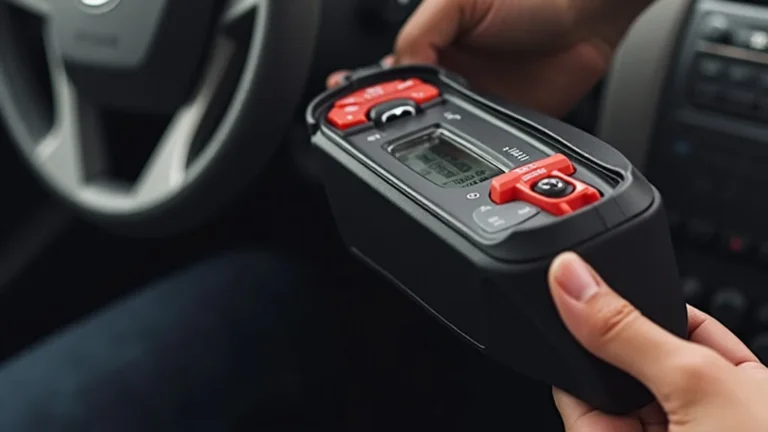
- Voltmeter: A voltmeter is an instrument that measures voltage. You can use a digital voltmeter, which provides a numerical reading. You can buy one at any auto parts store. Make sure it’s reliable.
- Safety Glasses: Always wear safety glasses when working with electrical systems.
- Jumper Cables (Just in Case): It is a good idea to keep jumper cables with you. You may need them if your battery is low and you have to start the car.
- User Manual: The user manual can provide specific information about your car’s electrical system.
Connecting the Voltmeter
The next step is to correctly connect the voltmeter to your car’s battery or a suitable point. Always remember to be careful when working with electrical components. Here is how to do it.
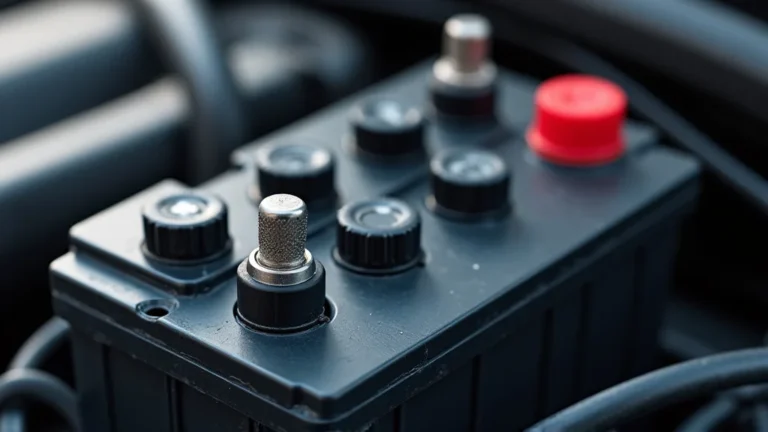
- Locate the Battery: In most cars, the battery is under the hood. Check your owner’s manual if you are unsure.
- Set the Voltmeter: Turn on your voltmeter. Set it to measure DC voltage (direct current). This setting is usually marked with a “V” and a straight line or “DC”.
- Connect the Probes: Connect the red positive (+) probe of the voltmeter to the positive (+) terminal of your car battery. Connect the black negative (-) probe to the negative (-) terminal. Make sure the connections are secure.
- Alternative Connection Points: If it’s difficult to reach the battery terminals, you might find a 12V power outlet (cigarette lighter) in the car. Buy an adapter that fits the power outlet.
Interpreting the Results
Once the voltmeter is connected and the engine is running, it’s time to check the readings. Understanding what the numbers mean is important. The readings will tell you if the battery and charging system are functioning properly. Here’s how to understand the numbers you see on the voltmeter.
- Engine Off (Resting Voltage): Before starting the engine, take a reading with the engine off. A healthy battery should read around 12.6 volts. Anything lower suggests the battery might be weak or needs charging.
- Engine Running (Charging Voltage): Start your car’s engine and let it idle. The voltmeter should read between 13.7 to 14.7 volts. This range indicates that the alternator is charging the battery correctly.
- Low Voltage: If the voltage drops below 13.0 volts while the engine is running, the alternator may not be charging the battery correctly. This can cause the battery to drain over time.
- High Voltage: If the voltage exceeds 14.7 volts, the alternator might be overcharging the battery. Overcharging can damage the battery and other electrical components.
- Voltage Changes with Load: Turn on the headlights, the air conditioner, and other electrical devices. Monitor the voltage. A healthy charging system should maintain voltage within the proper range, even with increased electrical demand.
Common Problems and Solutions Related to Battery Voltage
Several issues can affect battery voltage while driving. Knowing these problems and how to deal with them will save you problems. From alternator failures to parasitic drains, here are some common issues and their solutions.
Alternator Issues
The alternator is the primary component that charges your car battery and powers the electrical system while the engine is running. When the alternator fails, the battery voltage drops, and your car’s electrical systems can fail. Recognizing alternator problems early can help prevent your car from breaking down. Regular maintenance and testing can also help extend the life of your alternator.
- Alternator Failure Symptoms: If the alternator is not working correctly, you may notice that your battery light on the dashboard is on, the car has trouble starting, and your lights may dim. You might also hear unusual noises from under the hood. The voltage reading on your voltmeter while driving will be lower than the normal range of 13.7 to 14.7 volts.
- Testing the Alternator: Using a voltmeter, check the voltage across the battery terminals while the engine is running. If the voltage is low, the alternator might be failing. Many auto parts stores also offer free alternator testing.
- Replacement: The alternator is usually located near the engine. Replacing an alternator usually takes 1–3 hours. The cost can vary, but replacement is a good solution.
Battery Problems
Your battery’s health can greatly impact voltage readings. Issues like sulfation, corrosion, or simple aging can lead to low voltage and starting problems. Maintaining your battery properly can extend its life and prevent breakdowns. Regular inspections, charging, and cleaning can make a big difference.
- Battery Sulfation: Sulfation occurs when lead-acid batteries are not fully charged for a long time. This can cause the battery to lose its ability to hold a charge. The voltage readings while driving will appear low.
- Corrosion: Corrosion on the battery terminals prevents the proper flow of electricity. It leads to low voltage and starting problems.
- Testing Your Battery: Use a voltmeter to test the voltage. Check the voltage with the engine off to see if the battery is holding a charge. During the start of the engine, the battery voltage can drop, which can indicate a weak battery.
Parasitic Drain Issues
Parasitic drain refers to the small amount of current that is constantly drawn from your car battery when the engine is off. This current is needed to keep systems like the clock, radio presets, and the car’s computer active. Excessive parasitic drain can quickly drain your battery, leading to starting problems. Diagnosing and resolving parasitic drain issues will save you problems.
- Identifying Parasitic Drain: To find a parasitic drain, you will need a multimeter (another type of voltmeter). Disconnect the negative battery cable. Set your multimeter to measure amps (A). Connect the multimeter between the negative battery terminal and the negative battery cable. With everything off, a normal reading is usually less than 50 milliamps (0.05 amps). Anything higher suggests a drain.
- Tracing the Drain: To find where the drain is coming from, remove fuses one by one until the amperage reading on the multimeter drops. The circuit controlled by that fuse is the likely source of the drain.
- Possible Causes and Solutions: Common sources of parasitic drain include faulty lights, the radio, or other electrical accessories. The fix may require replacing the faulty components or repairing wiring issues.
Safety and Maintenance Tips for Your Car’s Electrical System
Caring for your car’s electrical system is a good way to keep it reliable. From checking your battery terminals to knowing when to seek professional help, these tips will help you keep your electrical system in good shape. Regular maintenance will prevent unexpected problems.
Regular Inspections
Inspecting your car’s electrical system regularly is a good way to keep everything running smoothly. These inspections will help you identify issues before they lead to breakdowns. Frequent inspections are a key component to keeping your car reliable.
- Check Battery Terminals: Look for corrosion on the battery terminals. If you see white or blue powdery deposits, clean them off. You can use a mixture of baking soda and water to neutralize the acid. Use a wire brush to clean the terminals.
- Inspect Wiring: Examine the wiring under the hood for any damage. Look for frayed wires, cracked insulation, or loose connections.
- Check Fuses: Check the fuses in your car’s fuse box.
- Monitor Dashboard Lights: Pay attention to any warning lights on the dashboard. These lights can indicate problems with the charging system or other electrical components.
Preventive Maintenance
Preventive maintenance will go a long way in ensuring your car’s electrical system remains reliable. Simple steps like keeping your battery clean can significantly extend the life of your battery and prevent problems. Consistent care is essential.
- Clean Battery Terminals Regularly: Cleaning battery terminals removes any corrosion. This helps maintain good electrical contact. Doing this will also help prevent starting problems.
- Check and Tighten Connections: Make sure all electrical connections are secure. Loose connections can cause voltage drops and intermittent problems.
- Keep Your Battery Charged: If you do not drive your car often, consider using a battery charger to keep the battery charged. This prevents sulfation and extends the life of the battery.
- Test Your Battery Regularly: Testing your battery every few months helps you determine if the battery is still operating properly.
In the United States, about 58% of all car battery failures happen due to corrosion or sulfation. Taking steps to keep your battery clean and charged is a solid defense against these common problems.
Frequently Asked Questions
Question: Why is my car battery voltage low even when driving?
Answer: Low battery voltage while driving may mean a problem with your car’s alternator, or the battery itself. The alternator may not be charging the battery correctly. You should have a mechanic check your alternator.
Question: How often should I check my battery voltage?
Answer: It’s a good idea to check your battery voltage regularly. It is important to check the voltage every few months. You should also check it if you notice any problems, such as slow engine cranking or dim lights. This ensures your electrical system is functioning properly.
Question: What is a normal voltage reading for a car battery?
Answer: A healthy car battery will read around 12.6 volts when the engine is off. When the engine is running, the voltage should be between 13.7 and 14.7 volts.
Question: What do I do if my battery voltage is too high?
Answer: If the voltage is too high (above 14.7 volts), there may be an issue with your alternator overcharging the battery. It is best to have a mechanic check the charging system to prevent battery damage.
Question: Can I check my car’s battery voltage using the cigarette lighter?
Answer: Yes, you can. You can buy a voltmeter that plugs into your car’s 12V power outlet. This makes it easy to monitor your battery voltage while driving.
Final Thoughts
Knowing about battery voltage while driving empowers you to keep your car running smoothly. From understanding the basics to spotting potential issues, this guide gives you the tools to keep your car’s electrical system in good shape. Regular checks are your best defense against unexpected problems. You don’t have to be a mechanic to do simple checks. Now you know how to make those checks yourself. This is a simple process that keeps you in control. With a little practice, you can keep your car running its best. So grab your voltmeter, keep an eye on those numbers, and drive with confidence!