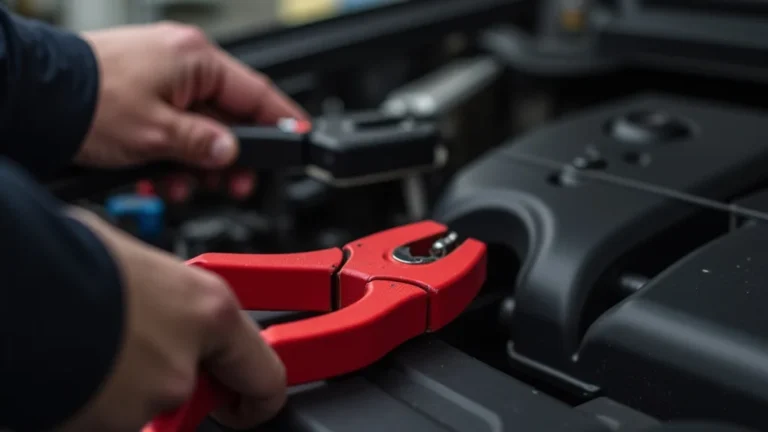
5 Ways to Stop Your Battery Terminals Keep Corroding Forever
Featured image for battery terminals keep corroding
Image source: cdn.pixabay.com
Permanently halt battery terminal corrosion by tackling its root causes with simple, proactive maintenance. Essential steps include thoroughly cleaning terminals with a baking soda solution and wire brush, then applying a protective anti-corrosion grease or spray. Ensuring tight connections and using specialized felt washers can prevent future buildup, significantly prolonging your battery’s lifespan and reliability.
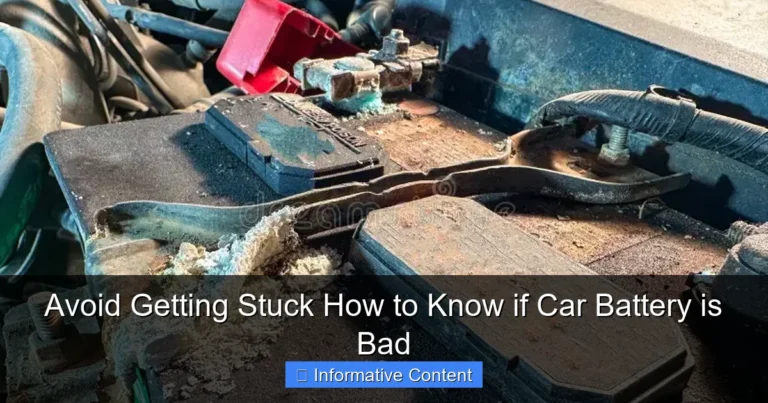
Ever popped open your car’s hood only to find that unsightly, crusty blue or white substance clinging to your battery terminals? It’s a common, frustrating sight that many of us have dealt with. It’s not just an eyesore; those corroded terminals can be a real headache, leading to starting problems, electrical issues, and even shortening your battery’s lifespan. If your battery terminals keep corroding, you’re not alone in feeling that annoyance.
I know the feeling. You clean it up, everything seems fine, and then a few weeks or months later, boom – it’s back! It’s like a persistent unwelcome guest. This cycle of cleaning and recurring corrosion can make you feel like you’re fighting a losing battle. But what if I told you there are practical, effective ways to break this cycle for good? What if you could actually stop your battery terminals keep corroding forever?
Good news! You absolutely can. It’s not about magic; it’s about understanding why this happens and applying a few simple, consistent steps. In this post, we’re going to dive deep into five proven strategies that will help you tackle that persistent battery corrosion, ensuring your vehicle’s electrical system runs smoothly and reliably. Say goodbye to those frustrating starts and hello to peace of mind.
Key Takeaways
- Clean terminals often: Use baking soda paste to neutralize acid.
- Apply protection: Coat terminals with dielectric grease or anti-corrosion spray.
- Tighten connections: Ensure secure fit to prevent arcing and corrosion.
- Install felt washers: They absorb acid fumes, preventing buildup on terminals.
- Check ventilation: Proper airflow prevents gas concentration around terminals.
- Avoid overcharging: Excess gassing from overcharging rapidly corrodes terminals.
- Inspect regularly: Early detection of corrosion prevents extensive damage.
📑 Table of Contents
Understanding the Enemy: What Causes Battery Terminal Corrosion?
Before we can fight a problem effectively, we need to understand what causes it. When your battery terminals keep corroding, it’s usually due to a few key culprits working together. Knowing these can help you pinpoint the best preventive measures.
The Chemical Reaction at Play
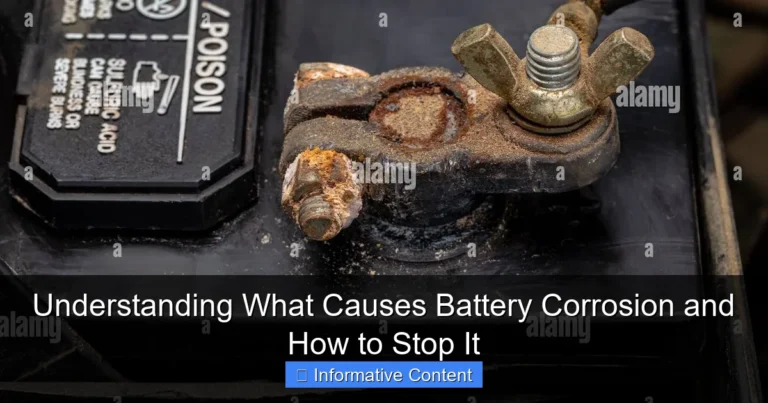
Most automotive batteries use lead-acid technology. The corrosion you see is primarily lead sulfate (a white, powdery substance) or copper sulfate (a bluish-green crystal). This happens when hydrogen gas, released from the battery during its normal charging and discharging cycles, reacts with the lead terminals or the copper in the cables. While a small amount of gas is normal, excessive amounts can speed up the corrosion process.
Overcharging and Leaks
One of the biggest accelerators of battery terminal corrosion is overcharging. When a battery is overcharged, it heats up and releases more hydrogen gas, which then escapes through the vents or small cracks. This creates a perfect environment for corrosion to form rapidly. Additionally, tiny leaks in the battery casing around the terminals can allow battery acid to seep out, mixing with the air and metal, directly causing the battery terminals to keep corroding.
Environmental Factors
Believe it or not, even the air around your battery plays a role. Humidity, extreme temperatures, and salt (especially if you live near the ocean or in areas where roads are salted in winter) can all contribute to accelerating the corrosion process. These elements combine with the gasses and minuscule acid leaks to make your battery terminals keep corroding more aggressively.
The Right Way to Clean Corroded Terminals
Before you can prevent future corrosion, you’ve got to clean up the existing mess. Doing it correctly is crucial, both for your safety and for the effectiveness of your efforts.
Safety First!
Always, always prioritize safety. Battery acid is corrosive and can cause severe burns. Wear eye protection (safety glasses or goggles) and gloves. Work in a well-ventilated area. Make sure your engine is off and the keys are out of the ignition. Always disconnect the negative terminal first, then the positive. When reconnecting, reverse the order: positive first, then negative.
DIY Cleaning Solutions
You don’t need fancy chemicals to clean battery terminals. A simple solution of baking soda and water works wonders. Mix a tablespoon of baking soda with a cup of water to create a paste. Apply this paste directly to the corroded areas. The baking soda will neutralize the acid, causing it to fizz. Let it sit for a few minutes, then use a brush to scrub away the loosened corrosion.
Tools You’ll Need
To effectively clean the battery terminals that keep corroding, you’ll need a few basic tools:
- Wire brush or battery terminal brush: These are specifically designed to clean battery posts and cable clamps.
- Old rag or towel: For wiping away the residue.
- Wrench: To loosen and tighten the terminal clamps (usually 10mm or 13mm).
- Water spray bottle: To rinse off the baking soda mixture thoroughly.
After scrubbing, rinse the terminals and cables with clean water and dry them completely. Make sure there’s no moisture left before reconnecting.
Apply Anti-Corrosion Products Diligently
Once your terminals are squeaky clean, it’s time to protect them. This is where preventive measures really come into play to stop your battery terminals keep corroding.
Terminal Protectors and Greases
Several products are designed to create a barrier between the battery terminals and the corrosive environment.
- Battery terminal spray: These sprays create a protective, often red or blue, film over the terminals and cable clamps, sealing them from moisture and gasses.
- Dielectric grease or petroleum jelly: A thin layer of non-conductive grease or petroleum jelly (like Vaseline) applied to the clean terminals and clamps acts as an excellent barrier against corrosion. Just be careful not to apply it *between* the terminal and the cable clamp, as this can impede electrical flow. Apply it *after* the connection is secure.
These barriers are crucial for preventing the chemical reactions that cause the battery terminals to keep corroding.
Felt Washers: Your First Line of Defense
These small, inexpensive felt washers are impregnated with anti-corrosion solution and fit neatly over the battery posts before you attach the cable clamps. They provide a continuous protective barrier right where corrosion typically starts. They are incredibly effective and easy to install, offering a simple yet powerful layer of defense against those battery terminals that keep corroding.
Ensure Proper Battery Maintenance and Charging
Good battery health goes a long way in preventing corrosion. Regular checks and correct procedures can make a huge difference.
Check for Overcharging
As mentioned, overcharging is a major cause of excessive gassing and, consequently, corrosion. If your alternator is failing or faulty, it might be sending too much voltage to the battery. You can check your charging system with a voltmeter. With the engine running, a healthy charging system should typically show a reading between 13.8 to 14.5 volts. If it’s consistently higher, you might have an overcharging issue that needs professional attention. This is a critical step if your battery terminals keep corroding persistently.
Secure Connections
Loose battery connections can also contribute to corrosion. A loose connection can cause arcing and generate heat, which speeds up the gassing process and encourages acid leaks. Always ensure your battery cable clamps are tightened securely to the terminals. They should be snug enough that you can’t twist them by hand, but don’t overtighten, as this can damage the battery posts.
Keep Your Battery Clean
Beyond the terminals, keeping the entire top of your battery clean is important. Dirt, dust, and moisture can create conductive paths between the terminals or from the terminals to the battery case, which can slowly discharge your battery and contribute to corrosion. Periodically wipe down the battery top with a damp cloth (and baking soda solution if you suspect any acid residue), then dry it thoroughly. A clean battery is a happy battery that is less likely to have its terminals keep corroding.
Inspect and Replace When Necessary
Sometimes, corrosion isn’t just a surface problem; it can be a symptom of a deeper issue or simply an aging battery.
When to Suspect a Leaking Battery
If you’ve consistently cleaned and protected your battery terminals but they still keep corroding aggressively and quickly, it might indicate a small leak in the battery casing itself. Inspect the battery for any cracks, bulges, or persistent wetness around the terminals or seams. A leaking battery is a safety hazard and a sign that it needs to be replaced immediately. Continuing to use a leaking battery will ensure your battery terminals keep corroding, no matter what you do.
The Age Factor
Batteries don’t last forever. Most automotive batteries have a lifespan of 3-5 years, depending on climate and usage. As batteries age, their internal components can degrade, leading to increased gassing and a higher susceptibility to corrosion. If your battery is nearing or past its typical lifespan and your battery terminals keep corroding despite your best efforts, it might be time to consider a new battery.
Professional Diagnosis
If you’ve tried all these steps and still find your battery terminals keep corroding, don’t hesitate to consult a professional mechanic. They can perform a thorough diagnostic check of your battery, charging system, and electrical system to uncover any underlying issues that might be contributing to the problem. Sometimes, a complex issue like a faulty voltage regulator or a parasitic draw can cause undue stress on the battery, leading to premature corrosion.
Dealing with battery terminal corrosion can be a pain, but it doesn’t have to be a never-ending battle. By understanding the causes, regularly cleaning your terminals, applying protective measures, ensuring proper maintenance, and knowing when to replace an old battery, you can effectively stop your battery terminals keep corroding. These simple steps will help you enjoy reliable starts and extend the life of your battery, giving you one less thing to worry about on the road. So go ahead, give your battery the care it deserves, and enjoy a corrosion-free future!
Frequently Asked Questions
Why do my battery terminals keep corroding?
Battery terminal corrosion is most commonly caused by a chemical reaction between battery acid and the metal terminals, often due to hydrogen gas escaping from the battery vents. This leakage can be exacerbated by overcharging, cracked battery casings, or a poor seal around the battery posts.
How can I effectively stop my battery terminals from corroding after cleaning?
After thoroughly cleaning your battery terminals, apply a thin layer of anti-corrosion spray, petroleum jelly, or specialized felt washers around the posts to create a protective barrier. Ensuring proper terminal tightness and regularly checking for any battery leaks are also crucial steps to prevent reoccurrence.
What are the potential problems if I ignore battery terminal corrosion?
Ignoring battery terminal corrosion can lead to poor electrical connections, resulting in issues like slow engine cranking, dim lights, or even a completely dead battery. It significantly reduces the lifespan of your battery and can eventually damage other sensitive electrical components in your vehicle.
What kind of corrosion typically appears on battery terminals, and what does it look like?
The most common type of battery terminal corrosion is lead sulfate, which appears as a white, powdery or crystalline substance. If you see blue or green corrosion, it usually indicates copper corrosion from the battery cables or clamps, while reddish-brown suggests rust.
How often should I check my battery terminals for corrosion?
It’s a good practice to visually inspect your battery terminals for any signs of corrosion every time you perform an oil change or at least every three to six months. This routine check allows you to catch and address corrosion early before it becomes a significant problem affecting your vehicle’s performance.
My battery terminals keep corroding despite regular cleaning and prevention; what could be the underlying issue?
If your battery terminals keep corroding persistently, it often points to a deeper problem such as an overcharging alternator, a cracked battery case, or an internal battery defect causing excessive gassing. It’s advisable to have your battery and charging system professionally tested to identify and resolve the root cause.