Battery Terminals Corroded How to Clean and Prevent
If you’ve ever popped the hood and seen those green, crusty bits on your car’s battery, you’ve witnessed battery terminals corroded! It’s a pretty common issue, especially if you live somewhere humid or don’t drive your car often. For beginners, it might seem like a scary problem, but trust me, it’s not. It’s usually a straightforward fix. We’re going to show you how to deal with this, step-by-step, making sure you can get your car started quickly. Let’s explore how to get your battery terminals clean and ready to go!
Why Battery Terminals Corrode and What It Means
Corrosion on your battery terminals looks gross, but what exactly is it? It’s the result of a chemical reaction, similar to rust on metal, but specifically involving the battery’s acid reacting with the metal terminals. This usually happens because of a buildup of hydrogen gas, which escapes from the battery during charging and normal use. This gas combines with oxygen in the air and reacts with the battery terminals to form corrosion. The corrosion can look white, green, or blue, and it’s a mix of different salts and sulfates. This build-up acts as an insulator, creating a barrier between the battery and the car’s electrical system, preventing a good connection and making it difficult for your car to start. You might notice your car struggling to start, dim headlights, or other electrical problems as signs of corrosion.
This process is very important to maintain proper function of your vehicle’s electrical system. This can lead to a variety of issues from your headlights dimming, to issues starting the car at all. The reaction does not always happen, but it does become more likely in humid environments, as well as if you have an older battery. There are a variety of things that contribute to the process, but luckily it is an easy fix.
Understanding Battery Acid and Its Role
A car battery uses sulfuric acid, a very corrosive substance, as an electrolyte. This acid helps conduct electricity and enables the battery to store and release energy. The terminals themselves are usually made of lead or lead alloys, and when the battery acid comes into contact with them, a chemical reaction occurs. This is more likely to happen when the acid leaks or spills from the battery, but even without a leak, the hydrogen gas produced inside the battery can escape and react with the terminal. This acid and gas build-up is the primary reason why battery terminals corroded, and leads to the problems of poor electrical conductivity. It is worth noting the dangers associated with battery acid; it is always important to wear protective gear when working with car batteries.
- Battery Chemistry: Car batteries are typically lead-acid batteries. These batteries have lead plates submerged in a sulfuric acid solution (electrolyte). The chemical reactions inside these batteries produce electrical energy.
- Acid Leakage: Sometimes, the battery casing can crack or the seals can fail, leading to acid leakage. Even tiny leaks can cause corrosion around the terminals and the battery tray.
- Hydrogen Gas Release: During charging and operation, batteries release hydrogen gas. This gas is corrosive and contributes to terminal corrosion. Proper ventilation is very important.
- Environmental Factors: Humidity, temperature changes, and exposure to salt (in coastal areas or during winter) can worsen corrosion, making the battery terminals deteriorate faster.
The Impact of Corrosion on Your Car’s Performance
Corrosion isn’t just an unsightly mess; it significantly impacts your car’s electrical system. When the terminals become corroded, the electrical connection is weakened. The corrosion acts as an insulator, which is not designed to let electrical current travel. This makes it difficult for the battery to supply enough power to start the engine, run accessories, and more. You might experience your car starting slowly, or not starting at all. You might see other electrical problems.
- Starting Issues: The most immediate consequence of corrosion is difficulty starting the car. The starter motor requires a lot of power, and corrosion can prevent this power from reaching it.
- Reduced Electrical Performance: Corrosion reduces the efficiency of the entire electrical system. This leads to dim headlights, a weaker horn, and slow power windows.
- Battery Damage: Over time, corrosion can damage the battery terminals beyond repair, leading to the need for battery replacement. It is always important to maintain the battery, as it can be expensive to replace.
- Premature Battery Failure: Constant strain caused by corrosion can cause the battery to overwork and fail sooner than it should. This also means you will have to make a trip to the auto store more often.
Cleaning Corroded Battery Terminals: A Step-by-Step Guide
Cleaning corroded battery terminals is a practical skill for anyone who owns a car. It’s also a great way to save money and extend the life of your battery. You won’t need many supplies, and the process is easy to do yourself, following some simple instructions. Ensure you have the right gear, work safely, and it should only take you a short time to complete the job, usually under an hour.
Gathering Your Supplies
Before you start, it’s essential to have the necessary tools and safety gear. This will make the job much easier and safer. You can find all of these items at most auto parts stores or even hardware stores. Remember, safety first!
- Safety Glasses: Protect your eyes from acid splashes and corrosion particles. It is never advised to skip this step.
- Gloves: Wear acid-resistant gloves to protect your hands from battery acid. Make sure the gloves are safe and do not have holes.
- Wrench Set: You’ll need a wrench or socket set to loosen the battery terminal clamps. Make sure it is the correct size.
- Baking Soda: This is the most popular solution used to neutralize the battery acid. It’s safe and effective, and you probably already have it at home.
- Water: Use tap water. This is to make a solution with the baking soda and to rinse the terminals after cleaning.
- Wire Brush: You’ll need a wire brush to scrub away the corrosion. A specific battery terminal brush is ideal, but a general wire brush will work fine.
- Spray Bottle: This makes it easy to apply the baking soda solution. Make sure it works and is not clogged before you begin.
- Terminal Protectant Spray or Grease: Once clean, this spray or grease will help prevent future corrosion.
- Rags or Paper Towels: To clean up any spills and wipe down the terminals. Make sure it is sturdy, and will hold up through the whole process.
The Cleaning Process: A Practical Guide
Cleaning your battery terminals involves a few simple steps. Be patient and work carefully to avoid any mishaps. If you are ever unsure of a step, you can always look up a video online to help you with the process, or ask a friend for help. This step-by-step process is easy to do, and very beneficial.
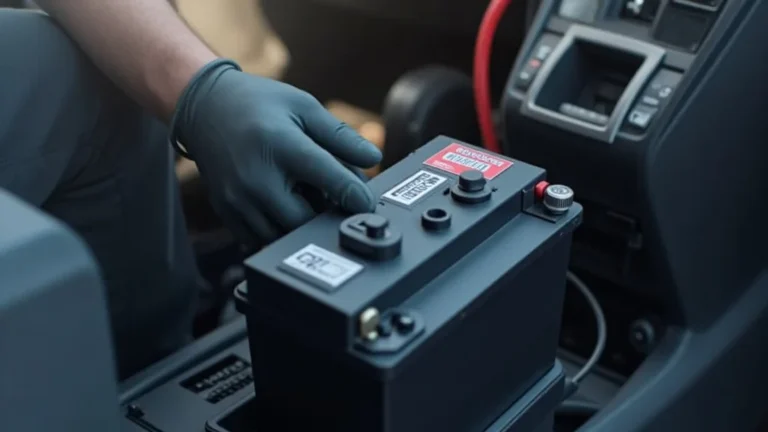
- Safety First: Put on your safety glasses and gloves before starting. Disconnect the negative (black) terminal first. It is important to work in this order, and not the reverse. Then, disconnect the positive (red) terminal. It is not necessary, but to prevent any accidental short circuits, it is important to follow this step.
- Prepare the Baking Soda Solution: Mix about a tablespoon of baking soda with a cup of water in your spray bottle. This solution will neutralize the acid. You can add more water or baking soda as needed.
- Apply the Solution: Spray the baking soda solution generously on the corroded terminals and surrounding areas. This will begin to neutralize the acid. You will notice fizzing as the solution reacts with the corrosion.
- Loosen the Clamps: Use your wrench to loosen the nuts that hold the terminal clamps onto the battery posts. Be careful not to strip the nuts. Work slowly and methodically.
- Remove the Cables: Once the clamps are loose, remove the cables from the battery posts.
- Scrub the Terminals: Use your wire brush to scrub away the corrosion from both the terminals and the clamps. Get rid of all visible corrosion, and go slowly.
- Rinse with Water: Rinse the terminals and clamps with clean water to remove any remaining baking soda residue. You can continue spraying with the solution to remove any acid and corrosion.
- Dry Thoroughly: Wipe the terminals and clamps completely dry with a clean rag or paper towel. Make sure there is no water.
- Reattach the Cables: Place the clamps back onto the battery posts. Attach the positive terminal first, then the negative.
- Tighten the Clamps: Tighten the nuts on the clamps. Make sure they are secure but not overtightened.
- Apply Protectant: Spray the terminals and clamps with terminal protectant spray or apply a thin layer of terminal grease.
- Test: Start your car to ensure it starts without any problems.
Troubleshooting Common Issues
Even though the process is straightforward, you might run into a few minor problems. Here are some common troubleshooting tips to help you if something goes wrong.
- Clamps Won’t Loosen: If the clamps are stuck, try spraying them with a penetrating oil. Let it sit for a few minutes before trying again.
- Excessive Corrosion: In cases of severe corrosion, you might need to scrub for a longer period. For extreme cases, you might consider replacing the terminals entirely.
- Battery Acid Spills: If you spill battery acid, immediately flush the area with a large amount of water and then neutralize with the baking soda solution.
- Car Won’t Start After Cleaning: If your car won’t start after cleaning, double-check that the terminals are securely connected and that all connections are correct. Make sure to double check that both terminals are connected correctly.
Preventing Future Corrosion: Keeping Your Battery Terminals Clean
Preventing corrosion is always easier than removing it. There are several proactive steps you can take to protect your battery terminals and ensure they stay clean. With a little effort, you can extend the life of your battery and avoid those frustrating starting issues. These steps will save you time and money.
Regular Maintenance Tips
Regular maintenance is very important to prevent issues with your car’s electrical system. This does not take long, but can save you a lot of issues down the road.
- Regular Inspections: Regularly inspect your battery terminals for any signs of corrosion. The more often you do this, the better. Checking the terminals every few months is usually sufficient.
- Cleaning: Clean your battery terminals every year, or whenever you notice any corrosion. Even if the battery looks fine, you can clean them.
- Proper Connections: Make sure the battery terminal clamps are securely connected. Loose connections can lead to electrical issues and accelerate corrosion.
- Battery Hold-Down: Ensure your battery is properly secured in its tray. This prevents vibrations that can damage the battery and the terminals.
Protective Measures and Products
There are several products and practices that help to prevent corrosion. These methods are simple and effective. You can choose the ones that are best for your needs.
- Terminal Protectant Spray: Spraying a terminal protectant spray on the terminals after cleaning creates a protective barrier that shields the metal from moisture and acid. Apply the spray liberally to the terminals and clamps.
- Battery Terminal Grease: Applying a thin layer of terminal grease to the terminals and clamps also creates a barrier against corrosion. This is a common and easy process.
- Battery Terminal Washers: Terminal washers are placed between the terminals and the clamps. These washers act as a barrier against corrosion and can extend the life of your battery.
- Battery Mat: A battery mat can help absorb any acid spills or leaks, preventing them from reaching the terminals. This is a great preventative measure.
Alternative Solutions: When to Seek Professional Help
While you can handle most corrosion issues yourself, there are instances where you may want to seek professional help. There are some signs that a professional is needed to fix the problem. Here are some situations when it’s best to let the experts handle it.
Advanced Corrosion Damage
Sometimes, the damage is more extensive than you can handle at home. If the terminals are severely corroded or the clamps are damaged, you might need professional assistance. A mechanic can assess the damage and provide the right solution. They also will be able to perform a variety of tests to determine if other parts of the system are damaged.
- Severely Corroded Terminals: If the terminals are so corroded that they are crumbling or falling apart, replacement is needed. A professional can quickly and safely replace the terminals.
- Damaged Clamps: If the clamps are broken or damaged, replacing them might be necessary. It is important to have the clamps in working order.
- Acid Leaks: Any signs of battery acid leaking or spilling indicate a serious problem that should be addressed by a professional. This means the battery might need to be replaced.
Electrical System Problems
If you’re experiencing electrical issues beyond simple starting problems, a professional diagnosis is a good idea. Sometimes, corrosion can affect other parts of the electrical system, and a mechanic can identify and fix these problems. They will be able to perform a variety of tests, to see where the problem is.
- Repeated Starting Failures: If your car frequently fails to start, even after cleaning the terminals, there might be other issues. This could be due to a bad battery, starter motor, or other components that need professional attention.
- Dim Headlights or Other Electrical Issues: If you notice dim headlights, power window problems, or other electrical issues, a professional can check for underlying causes and fix them. It is important to fix these problems, as they can lead to bigger issues down the road.
- Complex Electrical Problems: If you are dealing with complex electrical problems, it’s best to consult an expert. A mechanic can perform advanced diagnostics and find the issue.
Frequently Asked Questions
Question: How often should I clean my battery terminals?
Answer: It’s a good idea to check your battery terminals every few months. Clean them whenever you see signs of corrosion, but at least once a year is recommended.
Question: What’s the best way to remove corrosion?
Answer: A mixture of baking soda and water is effective at neutralizing the acid. Use a wire brush to scrub away the corrosion after applying the solution.
Question: Can I use vinegar to clean the terminals?
Answer: Vinegar can be used in a pinch, but baking soda is generally better because it neutralizes the acid more effectively. You should try to use baking soda first.
Question: Is it safe to work on the battery terminals?
Answer: Yes, as long as you wear safety glasses and gloves. Always disconnect the negative terminal first, and be careful with the acid.
Question: What if I don’t clean my battery terminals?
Answer: Over time, the corrosion will reduce the electrical connection, making it harder to start your car and potentially damaging your battery and other electrical components.
Final Thoughts
Maintaining a car means dealing with things like battery terminals corroded. While it might seem intimidating, it’s really an easy fix. With a few simple steps, you can clean your battery terminals, remove the corrosion, and prevent future problems. The key is to be safe, use the right tools, and work carefully. It’s a great way to make sure your car starts when you need it. By using these practices, you can also prevent other problems from occurring in the future. Now, grab those tools, follow the steps, and keep your battery terminals clean and in good working order!