Battery Terminal Loose: Identifying and Fixing Problems
Dealing with battery terminal loose symptoms can be tricky, especially if you’re new to car maintenance. It’s a common issue that can cause a lot of headaches, from your car not starting to strange electrical problems. Don’t worry, though! This guide breaks down what causes these issues and gives you easy-to-follow steps to fix them. We’ll start with the basics, explain what to look for, and then show you how to get your car back on the road. Ready to learn more?
What Causes a Loose Battery Terminal?
A loose battery terminal can happen for various reasons, from simple wear and tear to corrosion. The terminals, which connect the battery to your car’s electrical system, are constantly exposed to vibrations and temperature changes. Over time, this can lead to the connections loosening. Also, corrosion builds up, creating a barrier that disrupts the flow of electricity. This disruption causes the battery terminal loose symptoms we’re here to address. Addressing these causes head-on is the first step toward fixing the problem. Knowing the usual suspects helps you identify and avoid future issues.
Corrosion and Its Effects
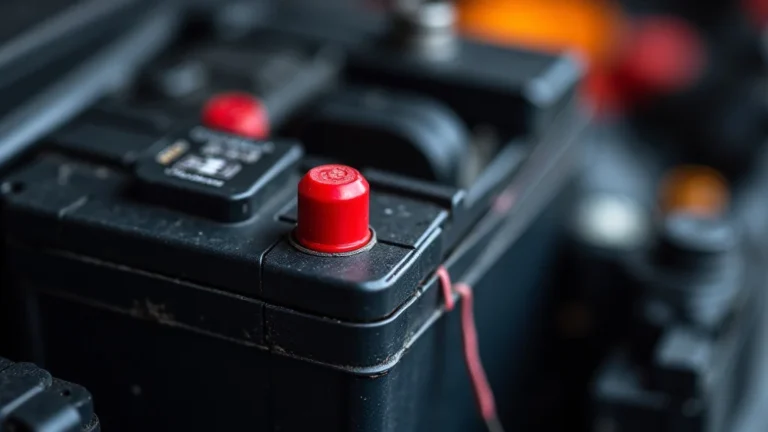
Corrosion is a nasty problem for your car’s battery. It usually appears as a white, blue, or green substance on the terminals and surrounding areas. This build-up comes from a chemical reaction caused by the battery acid leaking and reacting with the metal terminals. Corrosion acts like insulation, preventing a good electrical connection. This can cause starting problems, dim lights, and other electrical issues. If ignored, the corrosion will keep getting worse, eventually damaging the terminals and causing even more significant problems. Regular cleaning and maintenance are essential for preventing and removing corrosion.
- Acid Leaks: The most common cause of corrosion is battery acid. Over time, the battery case can crack or leak, allowing acid to escape and react with the metal. This is even more common in older batteries.
- Oxidation: Exposure to air and moisture causes the terminals to oxidize. This is like rust but on the battery terminals. Oxidation creates a barrier that hinders electrical flow, which is why your car might not start.
- Hydrogen Gas: Batteries release hydrogen gas, which can react with other components to produce corrosive substances. This is more significant in old or damaged batteries.
Vibration and Its Role
Your car’s engine creates a lot of vibration, and it’s a major contributor to the terminals loosening. Constant shaking slowly works the terminals, creating gaps that mess with the electrical connection. This looseness can worsen over time, especially on rough roads or during harsh driving conditions. Vibration often causes the connection to break, leading to problems that range from your car not starting to issues with your car’s electrical systems. Proper installation and tightening of the terminals are vital in controlling this issue.
- Road Conditions: Driving on bumpy roads accelerates the loosening process. The constant jarring shakes the terminals, causing them to move.
- Engine Activity: The engine’s movement also contributes to vibration. Each time the engine starts, it causes slight movement that can wear down the connections.
- Terminal Design: The design of the terminals affects how well they can withstand vibration. Some designs offer a more secure fit, reducing the risk of loosening.
Identifying Battery Terminal Loose Symptoms
Recognizing the battery terminal loose symptoms is the first step toward fixing them. These symptoms can be subtle at first, but they will become more noticeable as the issue progresses. From problems starting your car to erratic electrical behavior, knowing what to look for will help you prevent more significant problems down the line. Keep an eye out for these telltale signs to ensure your car runs smoothly.
Starting Problems
One of the most common signs of a loose battery terminal is trouble starting your car. When the connection is loose, the starter motor doesn’t get enough power to turn the engine over. This can manifest in different ways, from the car not starting at all to a slow or hesitant start. If you hear a clicking sound when you turn the key, that’s often a sign of insufficient power reaching the starter. Diagnosing the problem fast will help you fix it before it becomes a total breakdown.
- Clicking Sound: This is a common symptom when the connection is weak. The starter motor tries to engage but lacks enough power to turn the engine.
- Slow Cranking: The engine turns over slowly before starting. This suggests the starter isn’t getting enough power.
- No Start: The car doesn’t start at all. The engine won’t turn over, and you might hear a clicking sound.
Electrical System Problems
Loose battery terminals can cause various electrical system problems beyond starting issues. The terminals supply power to all your car’s electrical components. When the connection is bad, these components may malfunction. This may involve dimming headlights, flickering interior lights, and strange behavior from the radio or other devices. These electrical issues can be frustrating and may hinder your ability to use basic features. Quickly resolving any electrical abnormalities is important to prevent them from getting worse.
- Dim Headlights: The headlights appear dimmer than usual, especially when the engine is running. A faulty electrical supply is frequently the reason.
- Flickering Lights: Interior lights, like the dome light, flicker or turn on and off randomly. This suggests an inconsistent power supply.
- Erratic Behavior of Electronics: The radio, power windows, or other electrical devices may function sporadically or not at all. Electrical problems often show up in many different components.
Fixing Loose Battery Terminals Step by Step
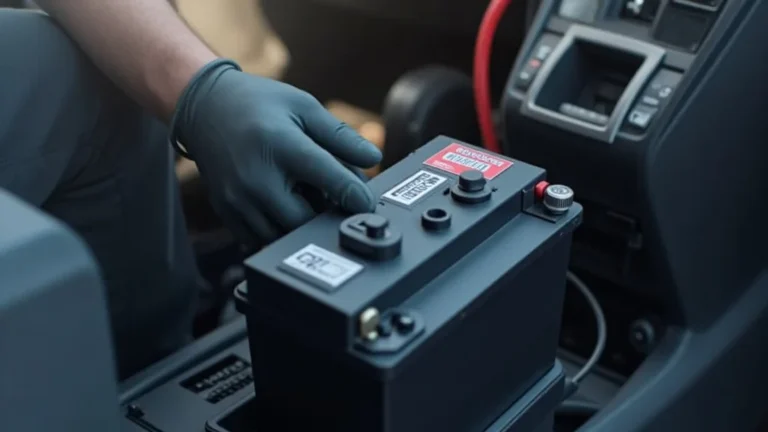
Fixing loose battery terminals is a job you can handle yourself, with a few simple tools and a bit of care. Before you start, remember that you are working with electricity, so safety is essential. Disconnecting the negative terminal first prevents short circuits. Then, you can assess the situation, clean the terminals if needed, and tighten them. By following these steps, you can get the job done and keep your car running smoothly.
Gathering Your Tools and Safety First
Having the right tools is essential for a smooth repair, and keeping safety as the top priority will prevent any nasty surprises. You will need a wrench or socket set, a wire brush or terminal cleaner, and safety glasses. Make sure to choose a well-lit and well-ventilated area. Always disconnect the negative (black) terminal first to prevent any potential shorts. Having these basic supplies and a good safety routine means you are ready to tackle the repair with confidence.
- Wrench or Socket Set: This is for loosening and tightening the terminal clamps. Select the right size that fits your battery terminals.
- Wire Brush or Terminal Cleaner: This cleans corrosion from the terminals and clamps. A special terminal cleaner is designed specifically for this purpose.
- Safety Glasses: Protect your eyes from corrosion and debris when working on the battery. Safety first keeps you safe and prevents injury.
- Gloves: Protect your hands from contact with any acid or corroded parts. Chemical resistant gloves are helpful.
Cleaning the Battery Terminals
Before tightening the terminals, cleaning them is a great idea. Corrosion acts like a barrier and prevents the flow of electricity. Use a wire brush or terminal cleaner to remove the build-up on both the terminals and the clamps. This will improve the electrical connection. After cleaning, you should wipe off the residue. Taking these steps makes sure that the connections are as clean as possible, which helps to maintain efficient electrical flow. A clean setup improves the reliability of your car’s electrical systems.
- Disconnect the Cables: Detach the negative cable first, then the positive one. Safety first!
- Apply Terminal Cleaner: Apply a terminal cleaner to both terminals and the inside of the clamps. Follow the directions on the cleaner.
- Scrub the Terminals: Use a wire brush to scrub away corrosion. Focus on removing all visible build-up.
- Rinse and Dry: Rinse the terminals and clamps with water, if necessary, and dry them. Make sure there is no residue.
Tightening the Terminals
Once the terminals are clean, it’s time to tighten them. Ensure the clamps are correctly aligned with the terminals. Use a wrench or socket to tighten the nuts or bolts on the clamps. Make sure to tighten them enough so that they don’t move, but do not overtighten them, as you can damage the terminals. After tightening, give the terminals a little wiggle to make sure they are secure. Proper tightening is vital for preventing future issues.
- Align the Clamps: Ensure the clamps and the terminals match up. Put the clamps on the terminals so they fit snugly.
- Tighten the Nuts or Bolts: Use the right size wrench or socket to tighten the nuts or bolts on the clamps. Make sure they are tight enough that they don’t move.
- Check for Movement: After tightening, try to wiggle the cables to make sure they’re secure. If they move, tighten them a little more.
- Reconnect Cables: Reconnect the positive (red) cable first, followed by the negative (black) cable. Ensure they are snug.
Preventing Future Problems
Once you’ve solved the current issue, you can take some steps to prevent future battery terminal loose symptoms. Keeping your battery terminals clean and protected can extend their life and save you from the hassle of breakdowns. Simple steps, like regular inspections and applying protective measures, will go a long way in ensuring your car’s electrical system remains in good shape. With a little effort, you can significantly reduce the risk of future problems.
Regular Inspections
Regular inspections are key for spotting and preventing problems before they start. Inspecting your battery terminals every few months can help catch any issues early. Check for corrosion, looseness, or damage. Make it part of your routine maintenance to keep your car’s electrical system running smoothly. These simple checks can prevent bigger problems down the road. Regular inspections provide valuable clues to maintain the reliability of your vehicle.
- Check for Corrosion: Look for any white, blue, or green build-up on the terminals or clamps. This could be a sign of a leak or electrical problems.
- Feel for Looseness: Try to wiggle the terminals. If they move, they need tightening.
- Inspect the Cables: Check for any cracks or damage to the cables connected to the terminals. The cables should be in good condition.
- Check the Battery Case: Inspect the battery case for any leaks or damage. Any sign of leakage requires immediate attention.
Using Protective Measures
Applying protective measures is a great way to safeguard your battery terminals. Several products and techniques can help prevent corrosion and keep your connections secure. Battery terminal protectors and anti-corrosion sprays create a barrier to prevent corrosion. These measures can extend the life of your battery and prevent many issues. Using these products creates a longer-lasting, more reliable electrical setup.
- Battery Terminal Protectors: These are felt pads that sit around the terminals and absorb any battery acid leakage. Use them to keep corrosion at bay.
- Anti-Corrosion Spray: Spray a battery terminal spray on the terminals and clamps after cleaning them. It prevents corrosion build-up.
- Terminal Grease: Apply dielectric grease to the terminals after cleaning. It forms a protective barrier to prevent corrosion.
- Regular Cleaning: Clean the terminals periodically to remove any corrosion build-up. Make it a regular part of car maintenance.
Common Mistakes to Avoid
When working with battery terminals, some mistakes can make the problem worse or even create new issues. These are things to watch out for to ensure the job goes smoothly and prevents any potential hazards. Avoiding these common errors will help you perform the repair correctly and maintain the safety of your vehicle. Be mindful of these tips to achieve a successful outcome.
- Connecting Terminals Incorrectly: Ensure you connect the positive cable to the positive terminal and the negative cable to the negative terminal. Mixing these up can cause shorts and damage to your electrical system.
- Overtightening Terminals: Overtightening can damage the terminals or the clamps, causing them to break or warp. Tighten them enough so that they are secure.
- Ignoring Corrosion: Don’t ignore corrosion. It makes the problems worse. Clean it thoroughly to keep the electrical connection at its best.
- Using the Wrong Tools: Use the right size wrench or socket for the job. Using the wrong size can strip the nuts or bolts, making it more challenging to work with.
Frequently Asked Questions
Question: What happens if I don’t fix loose battery terminals?
Answer: If you don’t fix the terminals, your car will start having problems. These problems range from difficulty starting the car to a variety of electrical issues, like flickering lights, or complete electrical failure. Over time, the situation worsens, potentially leading to a breakdown or damage to other parts of your car’s electrical system.
Question: How often should I check my battery terminals?
Answer: You should check your battery terminals every few months, or at least every time you change your oil. Inspect for corrosion, loose connections, or damage to the cables. Making it a routine part of your maintenance helps catch any issues quickly.
Question: Can I use any cleaner to clean battery terminals?
Answer: It’s best to use a battery terminal cleaner or a solution of baking soda and water. These are designed to remove corrosion safely. Avoid using harsh chemicals that could damage the terminals or other parts.
Question: Is it safe to work on battery terminals?
Answer: Yes, but take safety measures. Always disconnect the negative cable first, wear safety glasses, and work in a well-ventilated area. Be careful, and avoid touching both terminals simultaneously to prevent a short circuit.
Question: What if the terminals are badly corroded?
Answer: If the terminals are heavily corroded, you may need to replace them. You can buy new battery terminal clamps. If you’re not comfortable replacing them, bring your car to a mechanic.
Final Thoughts
When it comes to battery terminal loose symptoms, the key is understanding and acting fast. A loose connection can cause a range of issues, from difficulty starting your car to problems with your electrical system. The good news is that these problems are often simple to fix. Following the steps in this guide, you can identify, clean, and secure your battery terminals, preventing many headaches. Remember to check your terminals regularly, use protective measures, and address issues early to ensure smooth and reliable driving. A little upkeep today ensures reliable performance tomorrow. With these simple tips, your car will stay running strong.