Battery Drain Problems After Short Car Journeys Explained
Having your car’s battery dying after short trips is frustrating, especially for drivers new to car ownership. It’s a common issue, and it doesn’t always mean your battery is old or broken. The reason this happens can be tricky, but don’t worry! This post will walk you through the reasons behind this problem. We’ll explore why short trips can be hard on your battery and what you can do to keep your car running smoothly. Next, we will check some of the most likely culprits and provide you with a step-by-step solution to get your car started without the worry of a drained battery.
Why Your Battery Dying After Short Trips? The Basics
Your car battery works like a rechargeable power source. It provides the electricity needed to start your car and powers all the electrical systems, like the lights, radio, and air conditioning. When you start your car, the battery uses a lot of power. The car’s alternator is supposed to recharge the battery as you drive. However, if you only take short trips, the alternator might not have enough time to fully recharge the battery after each start. This means the battery slowly loses charge over time. If the battery isn’t getting enough juice, it can begin to die, causing problems. In the following sections, we’ll explore why this happens and what to do about it.
The Alternator’s Role and the Short Trip Dilemma
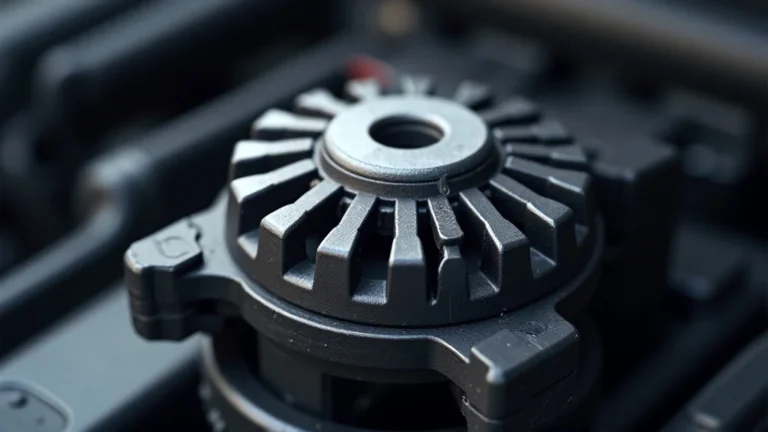
The alternator is a vital part of your car’s electrical system. Its job is to generate electricity to power the car’s systems while the engine is running and to recharge the battery. When the car starts, the battery provides the initial power. Once the engine is running, the alternator takes over, sending electricity to the car’s components and charging the battery. However, the alternator needs time to do its work properly. Short trips often don’t allow the alternator enough time to fully replenish the battery’s charge after starting the engine. The engine needs to run long enough for the alternator to provide the energy back into the battery.
-
Alternator Efficiency: An alternator’s efficiency isn’t instant. It takes a few minutes of engine running time to deliver enough power to recharge the battery fully.
The time an alternator needs to recharge a battery can vary depending on the battery’s condition, the car’s electrical load, and the alternator’s output. A car with many electrical components, like heated seats and a powerful sound system, will require more power from the alternator. If the car’s battery is old, it might not accept a charge as efficiently as a newer one. Short trips do not allow the alternator enough time to meet these demands.
-
Parasitic Drain: Even when the car is off, some electrical systems draw a small amount of power from the battery, known as parasitic drain.
This includes things like the car’s computer, alarm system, and radio. The amount of power drained is usually small. However, when combined with short trips, the battery might not get enough time to recover, and the continuous drain will make it slowly lose its charge over time. Over weeks or months, the battery can get weak, making it harder to start the car. A healthy battery should be able to withstand the parasitic drain for extended periods without dying; however, this drain adds to the overall power loss with the short trips.
-
Battery Type: The type of battery in your car can affect how it responds to short trips.
Lead-acid batteries, which are most common, need a complete charge and discharge cycle to work properly. If they are repeatedly discharged without being fully recharged, their lifespan can be reduced. Newer battery technologies, like AGM batteries, are designed to handle more frequent discharge-recharge cycles, but even they can suffer from repeated short trips. The best way to maintain the battery, regardless of the type, is to avoid frequent short trips and make sure the battery gets a chance to recharge fully.
Factors Affecting Battery Recharging on Short Journeys
Besides the alternator’s performance, several factors impact the battery’s ability to recharge during short trips. These include the age and condition of the battery itself, the car’s electrical load, and the weather. Older batteries, for example, may not hold a charge as effectively as new ones. A car with many power-hungry accessories like heated seats or a powerful sound system will place a higher demand on the alternator, which might make it harder to recharge the battery during short trips. Understanding these factors is key to dealing with a battery dying after short trips.
-
Battery Condition: An older or damaged battery won’t hold a charge as well as a new one.
As batteries age, their ability to store and release energy decreases. Corrosion on the battery terminals can also impact the electrical flow. This corrosion acts like a barrier, reducing the amount of power that flows between the battery and the car’s electrical system. This means the battery will lose charge more quickly. The battery’s internal components can degrade, reducing its capacity. Regularly checking and maintaining your battery, along with ensuring the terminals are clean, can help maximize its performance.
-
Electrical Load: Using many electrical features, like the headlights or air conditioning, puts extra strain on the battery.
The more electrical components you use, the more power the battery must provide. This is especially true when starting the engine, as the starter motor needs a lot of power. If the car is using high-power accessories, the alternator has to work harder to keep up with the demand. This reduces the time the alternator has to recharge the battery during a short trip. Reducing the use of non-essential electrical components during short trips can help conserve battery power. This includes headlights, the radio, and the air conditioning.
-
Weather Conditions: Cold weather makes it harder for a battery to perform well.
Cold temperatures reduce the battery’s ability to produce power. In colder climates, the engine requires more power to start. The car’s electrical system also must work harder to provide heat, which increases the demand on the battery. This combination can make it more likely that the battery won’t fully recharge during a short trip. In hot weather, the chemical reactions inside the battery speed up, leading to corrosion and reduced lifespan. Therefore, the battery is always working harder in extreme weather conditions.
Common Reasons for a Battery Dying During Short Trips
Several underlying issues can cause the problem of the battery dying after short trips. These issues can be easily overlooked, leading to repeat occurrences. Understanding the most frequent reasons is essential for preventing future problems. Identifying these problems will help you troubleshoot and take the necessary steps to restore your car’s electrical system.
Parasitic Drain: The Silent Battery Killer
Parasitic drain is the unwanted consumption of power from your car’s battery when the engine is turned off. It’s like a leaky faucet draining water, slowly but constantly depleting the battery’s charge. Even with the car off, some electrical systems continue to draw power. Although the individual current draw from these systems might seem small, the combined effect can lead to a significant power loss over time, especially if your trips are short. This is why it’s a common cause of battery problems.
-
Common Culprits: Many components in your car can cause parasitic drain, from the car’s computer to the radio and alarm system.
The car’s computer system is always working to monitor and manage various functions. The radio, clock, and alarm system also need a small amount of power to keep working. Other culprits might include aftermarket accessories like GPS trackers or dash cams. These accessories are often wired directly to the car’s electrical system. If these systems draw too much power or have issues, they can accelerate the parasitic drain and lead to a dead battery. Identifying the source of the drain is the first step in resolving the issue.
-
Testing for Parasitic Drain: You can test for parasitic drain using a multimeter.
This tool helps measure the current flowing from the battery when the car is off. It’s a simple process: You disconnect the negative battery cable and connect the multimeter between the cable and the battery post. Then you check the current reading. The reading should be small, typically less than 50 milliamps (0.05 amps). Anything higher suggests a potential parasitic drain. You can then start removing fuses one by one to find the circuit causing the problem.
-
Repairing Parasitic Drain: Once you’ve identified the source of the drain, the repair steps vary depending on the problem.
If the parasitic drain comes from an aftermarket device, you may need to adjust the wiring or have the device repaired or replaced. If the drain is caused by a factory system, you might need to take your car to a mechanic to diagnose the issue. Sometimes, fixing the problem is as simple as replacing a faulty component or rewiring the system. Identifying the source is critical for the appropriate action.
Alternator Problems and Their Impact
A faulty alternator can fail to adequately recharge the battery, which exacerbates the battery dying after short trips. The alternator is responsible for generating electricity to power the car’s systems and recharge the battery once the engine is running. However, if the alternator isn’t working correctly, it might not be able to produce enough power to keep the battery charged, especially with short driving distances. This malfunction leads to the battery being drained and struggling to start the car.
-
Common Alternator Issues: Several things can cause alternator problems, like worn-out brushes, a bad rectifier, or a failing voltage regulator.
The brushes in the alternator wear down over time. These brushes conduct electricity to the spinning rotor, allowing the alternator to generate power. A faulty rectifier can prevent the alternator from converting the AC voltage into DC voltage to charge the battery, and a failing voltage regulator can cause overcharging or undercharging of the battery. The voltage regulator maintains the voltage output to prevent damage to the car’s electrical system. These issues can result in a significant drop in charging efficiency, leading to the battery dying.
-
Signs of Alternator Failure: There are some key signs to recognize alternator problems, such as dimming headlights and a battery warning light on the dashboard.
Other signs include flickering dashboard lights, and difficulties starting the engine. Dimming headlights can indicate that the alternator isn’t producing enough power to run the headlights correctly, especially when the engine is idling. The battery warning light, shaped like a battery, can illuminate to signal an issue. If you have any of these signs, you need to check the alternator immediately. A mechanic can perform a test to check the alternator’s output.
-
Testing the Alternator: You can test the alternator using a multimeter to measure the voltage output.
To perform the test, start the engine and place the multimeter’s probes on the battery terminals. A healthy alternator should show a voltage reading of around 13.5 to 14.5 volts. If the voltage is significantly lower, it indicates a problem with the alternator, or if the voltage is higher, it could be an overcharging issue. It is a simple way to determine whether the alternator is correctly charging the battery. Also, any noises like a grinding or squealing sound coming from the alternator might indicate a problem.
Battery Issues and Their Role
The battery’s health plays a significant role in its ability to withstand short trips. A battery in poor condition might not hold a charge, and it can die quickly. The battery’s internal components degrade over time, reducing its ability to store and deliver energy. When you drive short distances, the alternator might not have enough time to recharge the battery fully. A weak battery can quickly deplete due to constant use and insufficient recharging. Addressing these issues can help prevent the battery dying after short trips and keep your car running smoothly.
-
Battery Age and Degradation: Batteries don’t last forever. They degrade over time.
As a battery ages, its ability to hold a charge diminishes. The internal components of the battery wear out. Corrosion on the battery terminals also inhibits the flow of electricity. This leads to the battery failing to charge fully, leaving it vulnerable to the impact of short trips. You should replace your car battery every three to five years to ensure optimal performance. However, this varies depending on usage and climate.
-
Battery Tests: You can test a battery’s condition using a battery tester.
A battery tester measures the battery’s voltage and cranking amps. Cranking amps measure the battery’s ability to deliver power to start the engine. A battery in good condition should show readings within the manufacturer’s specified range. A failing battery will show lower readings, indicating that it is time for a replacement. There are different types of battery testers, including digital and load testers. It is recommended to have your battery tested regularly, especially during the colder months, when battery performance is critical.
-
Maintaining the Battery: Proper maintenance will extend the battery’s life and improve its ability to deal with short trips.
This includes keeping the battery terminals clean of corrosion, ensuring that the battery is securely mounted, and checking the battery’s water level in flooded lead-acid batteries. Cleaning the terminals ensures a good electrical connection. Using a battery terminal protector can prevent corrosion. Keeping the battery water level at the proper level is essential for its function. You must fully charge a battery at least once a month, especially if you drive short distances, to keep it in good condition.
How to Prevent a Battery Dying After Short Trips
Preventing your battery dying after short trips requires a combination of good driving habits and routine car maintenance. Taking preventative measures can help extend the life of your battery and keep your car running. Several simple practices can help keep your battery healthy. Here are some key steps you can take.
Driving Habits to Protect Your Battery
How you drive can significantly impact the health of your car battery. Avoiding frequent short trips and managing your car’s electrical load are essential. You can improve your car’s battery life by adopting certain driving habits. Proper driving habits can help minimize the stress on your battery and extend its life. You can also change the time spent on the road and when you choose to drive.
-
Minimize Short Trips: Try to combine multiple errands into a single longer trip.
Short trips prevent the alternator from fully recharging the battery. Every time you start the car, the battery provides a burst of power. If you only drive short distances, the alternator might not have enough time to replace the energy used during starting. By planning your trips to include longer drives, you give the alternator sufficient time to recharge the battery fully. This can help to prevent the battery from becoming drained.
-
Regular Longer Drives: If you frequently take short trips, consider taking a longer drive at least once a week.
Driving for 30 minutes or more can allow the alternator to recharge the battery fully. This gives the battery a chance to recover from the frequent starts and short trips. During the longer drive, the electrical systems can work normally. This will keep the battery healthy. It is also a good opportunity to check on the car’s general condition. Such as checking fluid levels and tire pressure.
-
Manage Electrical Load: Reduce the use of power-consuming accessories during short trips.
Things like the air conditioning, heated seats, and the radio consume battery power. They strain the electrical system. By turning off these non-essential items, you reduce the demand on the battery. This allows the alternator to recharge the battery more effectively during short trips. When driving in cold weather, consider using heated seats sparingly to conserve battery power. The more you reduce the power load, the better your battery will perform.
Maintenance Practices for Battery Longevity
Regular maintenance can help prolong your car battery’s life. Simple things like cleaning the battery terminals and checking the battery voltage can make a big difference. Performing routine checks on your car’s electrical system, including the alternator and the battery itself, is essential. These practices can help you identify and resolve issues before they lead to a dead battery. Staying proactive with maintenance saves you time and money.
-
Regular Battery Testing: Have your battery tested every six months.
A battery test can reveal its current condition and any signs of degradation. A professional can quickly assess the battery’s health and determine if a replacement is needed. This will help you detect any developing issues early and act on them. The test assesses the battery’s voltage and its ability to deliver power. If the test shows that the battery is near the end of its lifespan, you can change it before it causes any starting problems.
-
Cleaning Battery Terminals: Clean the battery terminals regularly.
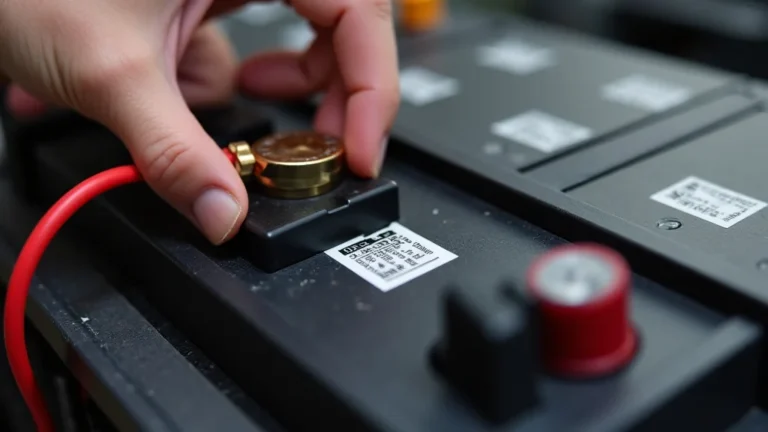
Corrosion can build up on the terminals, preventing good electrical contact. This corrosion will reduce the efficiency of charging and starting. A simple cleaning will help ensure good electrical contact. You can clean the terminals with a mixture of baking soda and water or a specialized battery terminal cleaner. Remove the terminals from the battery and gently scrub them with a wire brush. You should also apply a corrosion-preventative spray to the terminals. Make sure to reconnect the terminals properly.
-
Checking Alternator Function: Have your car’s alternator checked if you experience battery problems.
The alternator’s job is to keep your battery charged. If the alternator fails, the battery won’t charge properly, which causes battery dying after short trips. An auto technician can check the alternator’s output and identify any potential issues. They can also determine if the alternator is charging the battery correctly. If the alternator is not working correctly, it will be repaired or replaced, preventing further battery drain. This maintenance is essential for preventing future problems.
Practical Solutions for Immediate Battery Issues
If you’re already experiencing problems with your car battery, some solutions can help you. You can jump-start your car and consider using a battery charger. These approaches can provide a temporary solution to battery problems. However, it’s essential to identify the underlying cause and take corrective actions to prevent the problem from reoccurring. Addressing the root cause is the best way to ensure the long-term health of your car’s battery and prevent future issues.
-
Jump-Starting Your Car: If your battery is dead, you can jump-start it using another car.
This is a quick fix to get your car running again. Make sure you have jumper cables and know how to connect them properly. Connect the red cable to the positive terminals of both batteries. Then, connect the black cable to the negative terminal of the good battery and a ground point on your car. Start the other car and let it run for a few minutes. Then, try starting your car. After jump-starting, drive your car for at least 30 minutes to allow the alternator to recharge the battery. However, you need to remember that this is a temporary fix, and you should resolve the underlying issues.
-
Using a Battery Charger: A battery charger can restore a dead or weak battery.
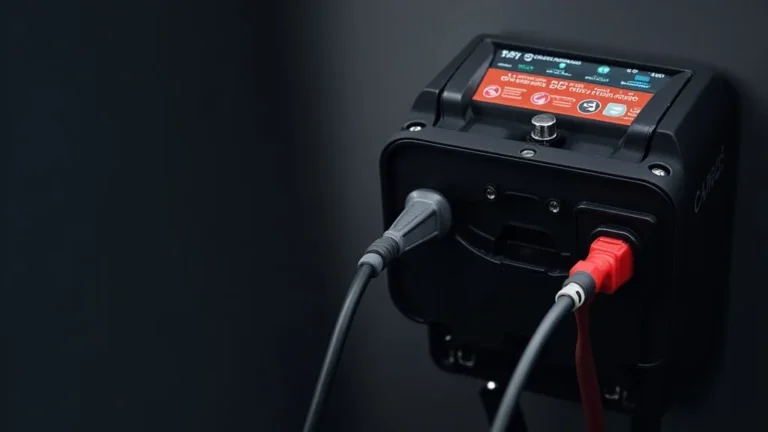
Connect the charger to your car’s battery, following the manufacturer’s instructions. A battery charger provides a slow, steady charge to the battery. This helps the battery fully recharge without causing damage. Chargers vary in speed and features. Some chargers are designed to charge batteries overnight, while others offer a faster charge. Always make sure you use a charger compatible with your battery type. A fully charged battery will help you avoid starting problems.
-
Professional Inspection: If you continue to have battery problems, have your car inspected by a professional mechanic.
They can determine the underlying cause of the issues. This might involve checking the alternator, testing for parasitic drain, or performing a battery test. The mechanic can then repair any faults and advise on how to prevent future problems. Regular inspections are useful for maintaining your car’s electrical system in excellent condition. This will ensure that your car runs well and that you avoid sudden failures.
Frequently Asked Questions
Question: What causes a car battery to die quickly?
Answer: Common causes include short trips that don’t allow the battery to fully recharge, parasitic drain from electrical systems, and a failing alternator.
Question: How often should I test my car battery?
Answer: It’s a good idea to test your car battery every six months, or at the start of each new season, to ensure it’s in good working order.
Question: What do I do if my battery dies repeatedly?
Answer: If your battery dies often, there’s likely an underlying problem, like a parasitic drain or alternator issue. You’ll need to have it checked by a mechanic.
Question: Can extreme weather affect my car battery?
Answer: Yes, extreme temperatures can affect your car battery. Cold weather reduces its ability to produce power, while hot weather can accelerate corrosion.
Question: How long should I drive my car to recharge the battery?
Answer: You should drive for at least 30 minutes at highway speeds to allow the alternator to fully recharge the battery after it has been drained.
Final Thoughts
Experiencing a battery dying after short trips can be an unpleasant surprise. We’ve explored the reasons why this happens, from the basics of how your battery and alternator work, to the impact of your driving habits and car maintenance. Short trips often don’t allow the alternator enough time to recharge the battery. Parasitic drain, a weak alternator, and aging batteries further complicate matters. By following the tips, you can take action. Prioritize your driving habits, schedule regular maintenance checks, and promptly address any warning signs, and you will ensure your car starts reliably. You are equipped with the knowledge to manage your car’s battery and keep your car running smoothly for many journeys ahead.