How to Connect Jump Starter Clamps Safely and Effectively
Getting your car started with a jump starter can feel tricky, especially if you’ve never done it before. Many people find the process confusing, worrying about getting the wires mixed up. Don’t worry, it’s simpler than you might think! This guide will walk you through, step by step, on how to connect jump starter clamps, ensuring your safety and success. Next, we’ll look at the crucial prep work before you start.
Before You Begin: Preparation Is Key
Before you even think about connecting those clamps, you need to set the stage. This initial preparation makes the entire process safer and more straightforward. It minimizes potential risks and makes sure you’re ready for a successful jump start. Think of it as a pre-flight checklist. Missing a step can lead to a frustrating experience or, worse, potential harm. This groundwork is vital for both you and your vehicle’s safety. Making sure everything is right from the start is important.
Safety First: Essential Gear and Checks
Before you get started, there are several things you need to have on hand and check. This is not just about having the tools; it is also about making sure you and your vehicles are safe. The right safety gear can prevent injuries, while checking your surroundings helps prevent accidents. Here’s what you should do before reaching for the jump starter.
- Wear Safety Glasses: Battery acid can cause serious eye damage. Wearing safety glasses protects your eyes from splashes.
- Wear Gloves: Protect your hands from burns and acid. Use insulated gloves to avoid electric shocks.
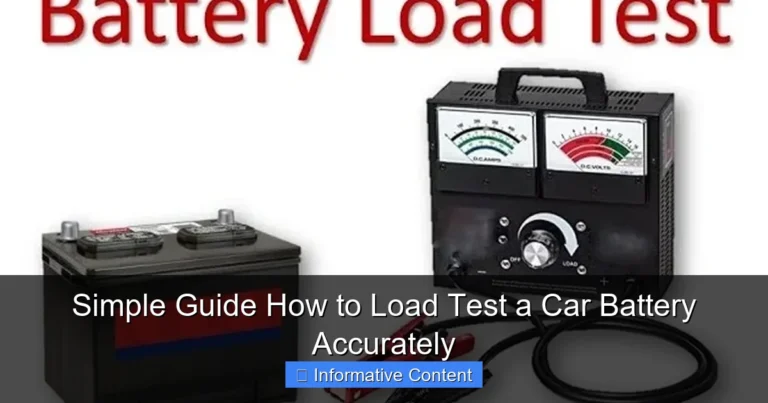
- Check the Jump Starter’s Charge: Ensure the jump starter has enough power. A weak jump starter won’t start your car.
- Inspect the Cables: Look for any damage on the cables and clamps. Replace damaged cables immediately.
- Park Safely: Ensure both vehicles are parked safely. Put the car in park (or neutral for manual transmissions) and engage the parking brake.
Safety glasses are a simple yet critical piece of equipment. They provide a physical barrier between your eyes and any potential hazards. Choose glasses that wrap around your eyes for maximum protection. Ensure they fit properly to prevent them from slipping off during the process. Having safety glasses ready means you are prepared for unexpected situations.
Gloves are another line of defense. They protect your hands from potential burns from hot engine parts, and they offer a barrier against battery acid. Make sure your gloves are in good condition, without tears or holes, and that they fit comfortably to allow for easy manipulation of the clamps. Well-fitting gloves ensure you can work safely and effectively.
An undercharged jump starter is just a heavy paperweight. Before beginning, check the jump starter’s charge level. Most units have indicator lights that show how much power is available. If the jump starter is low on charge, you will need to recharge it before proceeding. This step is basic, but often overlooked, which could lead to frustration later.
Damaged cables can be dangerous. Inspect the cables for cuts, cracks, or any signs of wear. Damaged clamps may not create a good connection, rendering the jump start ineffective. If you find any damage, do not use the jump starter. Purchase a new set of cables to ensure a safe and effective jump start.
Accidents can happen, so ensure both vehicles are parked on a level surface with the parking brakes engaged. This will prevent any unexpected movement during the process. You should also ensure that the area is well-ventilated, especially if you’re working in an enclosed space, to prevent the build-up of harmful gases. Proper parking ensures the stability of both vehicles.
The Correct Order: Clamping It Right
The order in which you connect the clamps is very important. Getting it wrong can damage your car’s electrical system or, at worst, cause a dangerous situation. It’s a simple sequence, but following it precisely is what matters. This section will walk you through the correct steps to how to connect jump starter clamps, so you can do it safely and efficiently. Remember, patience and precision are key.
Step-by-Step Guide for Connecting Jump Starter Clamps
Here’s a clear, easy-to-follow guide to connecting your jump starter clamps. Stick to these steps, and you will greatly reduce any risks and increase your chances of starting your vehicle. Follow these instructions precisely. Read each one carefully before moving on to the next. That way, you won’t make a mistake.
- Connect the Positive (+) Clamp to the Dead Battery: Locate the positive terminal on the dead battery. It’s usually marked with a “+” sign and is often red. Connect the red positive clamp of the jump starter to this terminal.
- Connect the Positive (+) Clamp to the Good Battery: Find the positive terminal on the working battery (usually in the other vehicle). Connect the red positive clamp of the jump starter to this terminal.
- Connect the Negative (-) Clamp to the Good Battery: Connect the black negative clamp of the jump starter to the negative terminal (-) on the working battery. The negative terminal is usually black.
- Connect the Negative (-) Clamp to a Ground on the Dead Car: Connect the black negative clamp to an unpainted metal surface on the dead car, away from the battery. A good spot is a metal part of the engine or the chassis. This final connection is very important for safety.
Finding the positive terminal is the first step. If the battery is covered, consult your car’s owner’s manual to find its location. Secure the red clamp firmly to the terminal, ensuring a good connection. A loose connection can cause sparks and may not provide enough power to start the vehicle. Taking your time here guarantees a solid foundation for the rest of the jump-starting process.
Repeat the process on the working car’s battery. Double-check that you’re connecting to the positive (+) terminal. Make sure the clamp is firmly attached. This connection completes the positive side of the circuit.
Now you’re dealing with the negative side. Again, ensure the clamp is securely attached to the negative terminal on the working vehicle’s battery. This step is essential because it completes the circuit, and is safe because the working vehicle’s battery will be protected from surges and spikes.
This is where it gets interesting and is the most important step for safety. Rather than connecting the negative clamp directly to the dead battery, connect it to a metal part of the car’s engine. This helps to reduce the risk of sparks near the battery, which could potentially ignite flammable gases. This final connection completes the entire circuit.
Starting the Vehicle: Bringing It to Life
Now that the clamps are securely connected, it’s time to try starting your car. This section covers the process of starting the car and what to do if it starts or doesn’t. Understanding these steps and being prepared for any outcome will ensure you handle the situation effectively. From initial ignition to what to do if things don’t go as planned, let’s explore the process of jump-starting.
Starting and Disconnecting the Jump Starter
After you have safely connected the jump starter, it’s time to start the vehicle. Follow these steps carefully to start the vehicle and safely disconnect the jump starter. If everything goes according to plan, you will get back on the road again. But, it is very important to do things right, or you could end up in a difficult situation.
- Start the Vehicle: Try starting the car with the dead battery. If it doesn’t start immediately, wait a few minutes and try again.
- Allow the Car to Run: Once the car starts, let it run for a few minutes to charge the battery.
- Disconnect the Jump Starter Clamps: Remove the clamps in the reverse order of how you connected them. Start with the negative clamp on the dead car.
- Inspect and Store the Jump Starter: After disconnecting the clamps, inspect the cables for any damage. Store the jump starter properly.
Turn the key and try to start the car. If it doesn’t start right away, don’t keep trying for long periods. Give it a break of a few minutes between attempts to avoid overheating the jump starter or the car’s starter motor. If you notice any unusual smells or sounds, stop immediately.
Once the engine is running, let it idle. This allows the car’s alternator to start charging the dead battery. You may need to keep the engine running for a while. This is important to allow the car’s battery to regain some charge, allowing it to start on its own later.
This is where you reverse the order of connection to disconnect the jump starter clamps safely. Begin with the black clamp on the engine block of the dead car. Then, move to the black clamp on the working battery, followed by the red clamp on the working battery and, finally, the red clamp on the dead battery. Carefully remove the clamps from the terminals or the ground.
Before storing the jump starter, check the cables and clamps for any damage, and check the unit’s power. Ensure the cables are neatly stored to prevent tangling or damage. Keeping your equipment in good condition prepares you for the next time you might need it.
Common Problems and Troubleshooting
Sometimes, things don’t go as planned. You might encounter issues like the car not starting, or perhaps the clamps are not connecting well. This section discusses what to do if you run into problems, offering helpful solutions to common issues. Knowing how to troubleshoot these problems can save you time and potential stress.
Common Issues and How to Solve Them
Even when following all the steps, you may face some difficulties. It could be due to a faulty connection, a weak jump starter, or other potential issues. Here are some common problems and the solutions.
- Car Won’t Start: If the car doesn’t start, recheck all connections. Make sure the clamps have a good, solid contact with the terminals or the grounding point. Also, allow the jump starter to charge the dead battery for a few more minutes before trying again.
- Clamps Sparking: If you see sparks when connecting the clamps, it could indicate a short circuit or a poor connection. Double-check that you’re connecting the clamps to the correct terminals. Also, make sure the clamps are not touching each other.
- Jump Starter Doesn’t Have Enough Power: If your jump starter is old or hasn’t been charged recently, it may not have enough power. Make sure your jump starter is fully charged before use.
- Battery Terminals Corroded: Corrosion on the battery terminals can prevent a good connection. Clean the terminals with a wire brush or baking soda and water before connecting the clamps.
- Incorrect Connections: Recheck that you are connecting the positive (+) clamp to the positive terminal and the negative (-) clamp to a grounded metal surface away from the battery.
Sometimes, the car won’t start on the first try. This could indicate a poor connection. Ensure the clamps are firmly attached to the correct terminals and the grounding point. Also, make sure the jump starter has enough power. If the car still doesn’t start, consider allowing the jump starter to charge the battery for a longer duration, usually 10-15 minutes, before trying again.
Sparks are a sign that something is not right. If you see sparks when connecting the clamps, immediately disconnect them. Make sure the clamps are making good contact with the correct terminals and that no bare wires are exposed. Inspect the cables for any damage. If the sparking continues, you may need a different jump starter or seek professional help.
A jump starter needs to be in good condition. If the jump starter is not fully charged, it won’t be able to provide the necessary power. Refer to the jump starter’s user manual to ensure it is in good working order. Try charging it for an extended period. If this doesn’t work, you may need to buy a new jump starter.
Corrosion can prevent a proper electrical connection, reducing the effectiveness of the jump start. Use a wire brush or a mixture of baking soda and water to clean the terminals. Make sure the terminals are clean and dry before attaching the jump starter clamps. This will provide a better contact surface and make the jump start more successful.
It’s very easy to mix up the connections. Make sure you connect the positive (+) clamp to the positive terminal on both batteries. The negative (-) clamp should connect to a clean, unpainted metal surface on the dead car. Incorrect connections can damage the car’s electrical system, so double-check before proceeding.
Alternative Jump Starting Methods
While jump starters are common, there are other methods of jump-starting a car. These methods might be useful if you do not have a jump starter. They are also useful to have in mind, in case the first attempt doesn’t work. These methods involve using another vehicle and a set of jumper cables. They involve some differences from the above method.
Jump Starting With Jumper Cables
Jump-starting a car with jumper cables is a common method. This method uses another vehicle and jumper cables. This is a common way to jump a car, so it’s a useful skill to have. Here are the steps.
- Position the Vehicles: Park the working vehicle close to the dead vehicle. Make sure the vehicles are close enough so the jumper cables can reach both batteries without being stretched.
- Connect the Positive (+) Cables: Connect one red positive clamp to the positive terminal of the dead battery. Then, connect the other red positive clamp to the positive terminal of the working battery.
- Connect the Negative (-) Cables: Connect one black negative clamp to the negative terminal of the working battery. Then, connect the other black negative clamp to a clean, unpainted metal surface on the dead car, away from the battery.
- Start the Working Car: Start the engine of the working car and let it run for a few minutes. Then, try starting the dead car. If it does not start on the first try, let it charge for a few minutes.
- Disconnect the Cables: Once the dead car is running, disconnect the cables in the reverse order of how you connected them: negative from the dead car, negative from the working car, positive from the working car, and positive from the dead car.
Make sure the cars are close enough so the jumper cables can reach from one vehicle to the other. Ensure the vehicles are not touching to prevent electrical issues. Park in a safe location, away from traffic. Position the vehicles so that the batteries are facing each other for easier access.
Ensure a secure connection on each terminal. This is where you connect the positive cables. Start with the dead battery, and then move to the working battery. Make sure that the clamps are tightly connected to each terminal.
Use the black cables and start with the working battery, connecting the black negative clamp to its negative terminal. Then, connect the other black negative clamp to an unpainted metal surface on the dead car. This completes the circuit and is a safe way to jump-start the vehicle.
Before you attempt to start the dead car, let the working car run for a few minutes. This allows the working car to provide enough power for the dead car. Then, try starting the dead car. If it does not start immediately, let the vehicles charge each other for a few minutes, before another attempt.
After the dead car starts, disconnect the cables in the reverse order of how you connected them. This is very important to avoid a short circuit. After disconnecting the cables, ensure the cables are clear of moving parts.
Common Jump Starting Mistakes
Even experienced drivers can make mistakes when jump-starting. These errors can lead to dangerous situations and, in the worst case, damage to your car. Here are some common mistakes to avoid. Keep these points in mind for a safe experience. Understanding these mistakes can help you prevent them.
- Incorrect Connections: Mixing up the positive and negative terminals. This is one of the most common mistakes, and the most dangerous.
- Connecting to the Wrong Ground Point: Connecting the negative clamp to the battery terminal of the dead car. Always choose a grounding point on the engine or chassis.
- Not Checking for Corrosion: Failing to clean corroded battery terminals. This can prevent a good electrical connection, making jump-starting difficult.
- Not Following the Correct Order: Disconnecting the clamps in the wrong order can cause a short circuit. Following the correct steps is very important.
- Using a Weak Jump Starter: Using a jump starter that doesn’t have enough power. If your jump starter is low on charge, it won’t jump your vehicle.
Incorrect connections can cause sparks and damage your car’s electrical system. This is why it is very important to identify the terminals correctly. The positive (+) terminal is typically red, and the negative (-) terminal is usually black. Double-check each connection before you start. Always confirm the positive to positive and negative to ground.
Connecting the negative clamp directly to the battery’s negative terminal on the dead car can create a safety hazard, especially if the battery is leaking. Choose a clean, unpainted metal surface on the engine or chassis. This will ensure that any sparks occur away from the battery, reducing the risk of a fire or explosion.
Corrosion can prevent the smooth flow of electricity. If there is corrosion on the battery terminals, the connections will not be as effective, so clean the terminals with a wire brush or baking soda and water to remove any buildup before connecting the jump starter. This simple step can improve the jump-starting process.
Disconnecting the clamps in the wrong order can create a short circuit and potentially damage your car’s electrical components. Remove the clamps in the reverse order in which you connected them. Start with the negative clamp connected to the ground point on the dead car, and finish with the positive clamp on the dead battery.
A weak jump starter may not have enough power to start your car. Always make sure your jump starter is fully charged before use. Check the jump starter’s power indicator to confirm it has sufficient charge. Also, make sure that the jump starter is the correct type.
The average lifespan of a car battery is around 3-5 years. Regular vehicle maintenance, such as checking and cleaning battery terminals, can prolong its life. Jump-starting a car puts a lot of strain on the battery. Using a jump starter can provide the extra power that’s needed to start the car. A car battery may fail due to age, extreme temperatures, or leaving lights on. Understanding these points may help you deal with the situation.
Frequently Asked Questions
Question: Can I jump-start my car if the battery is completely dead?
Answer: Yes, you can typically jump-start a car with a completely dead battery. However, make sure the jump starter has enough power to do so, and allow extra time for the battery to charge from the jump starter.
Question: Is it safe to jump-start a car in the rain?
Answer: Yes, it is safe to jump-start a car in the rain, but take extra precautions. Try to keep the jump starter and connections away from water. Be careful to avoid slipping.
Question: What do I do if the jump starter clamps spark when I connect them?
Answer: If the clamps spark, immediately disconnect them. Double-check that you are connecting to the correct terminals and that the clamps are not touching each other or any other metal parts. Ensure the terminals are clean. If the sparking continues, you may have a short circuit.
Question: How long should I let the car run after a jump start?
Answer: After a successful jump start, let the car run for at least 20-30 minutes. This will give the alternator time to charge the battery. This may not fully restore the battery’s charge.
Question: Can jump-starting damage my car’s electronics?
Answer: Incorrect jump-starting can damage your car’s electronics. Always follow the correct steps, and make sure you connect the clamps to the correct terminals. Double-check everything before starting.
Final Thoughts
Mastering how to connect jump starter clamps doesn’t have to be complicated. By following the simple steps outlined, you can safely jump-start your vehicle. Make sure you prioritize safety first by wearing appropriate gear and double-checking your connections. If you ever have a problem, just retrace your steps, check the connections, and ensure your equipment is in good order. Remember, practice makes perfect. With a little care and the right approach, you will be prepared for any event. So, the next time your car battery fails, you can handle the situation with assurance. Stay safe, and keep exploring!