Does Car Charger Drain Battery Overnight? Here Is the Truth
Figuring out if does car charger drain battery overnight can be a tricky puzzle, especially when you’re just starting. It’s a common question because we all want to keep our phones charged without messing up our car’s battery. Luckily, it’s not super complicated, and there are straightforward solutions. We’ll explore exactly what happens, how it affects your car, and how you can prevent any problems. Get ready for a step-by-step exploration!
The Lowdown on Car Charger Energy Use
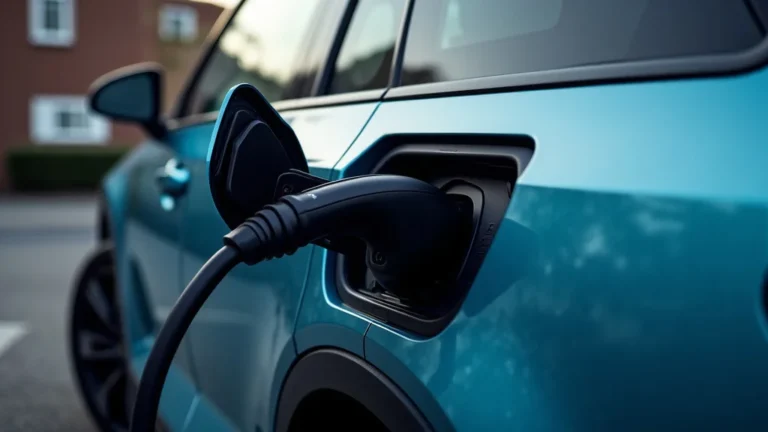
The first step is to explore how your car and car chargers work together. When you plug a car charger into your vehicle, it draws power from the car’s battery. This power is then converted to a form that your phone or device can use to charge. This process continues as long as the charger is plugged in, and sometimes even after you turn off the car. It is a fundamental process, but certain things influence how much power is pulled from the battery. Knowing this will help us determine the risks involved when your charger stays plugged in all night.
Power Consumption of a Car Charger
The power consumption of a car charger depends on a few things. The type of charger, the device you’re charging, and even the car itself have a say. Standard chargers might draw a small amount of power, maybe a few watts when not actively charging a device. Quick chargers or chargers that support faster charging protocols like USB-C Power Delivery can pull more power, especially when they are actively charging a phone or other device. The car’s electrical system also plays a role, as older cars may be less efficient in how they manage power distribution.
- Charger Type Matters: Different chargers have varying power draws. A basic charger uses less energy than a fast-charging one.
- Device Charging Needs: Your device’s battery level affects how much power the charger pulls. More charging = more power.
- Car’s Electrical System: Older cars might have some electrical inefficiencies compared to newer models.
- Ambient Conditions: In some cases, extreme temperatures can affect the efficiency of both the car’s battery and the charger.
According to a recent study by the AAA, 29% of all roadside assistance calls are battery-related. This high percentage underscores the importance of proper battery care, which includes being aware of devices that draw power when the car is not in use. Another study found that on average, a car battery can lose up to 5% of its charge per month due to parasitic drain. This includes the power used by the charger.
Parasitic Drain: The Silent Energy Thief
Parasitic drain is the term for when a car’s electrical components continue to draw power even when the car is turned off. Many car components, like the clock, the alarm system, and the computer, need a little power to stay running. A car charger left plugged in acts like another small component that can also drain power. This drain is usually small, but it can add up over time, especially if your car sits for long periods. If your car sits idle for extended periods, the cumulative effect of parasitic drain becomes more noticeable.
- What it is: Parasitic drain is the slow drawing of power by car components when the car is off.
- Charger’s Role: A car charger adds to this drain, even if it’s not actively charging.
- Impact: Over time, it can deplete the battery, making it harder to start your car.
- Cumulative Effect: The amount of drain from a charger is small, but prolonged periods of non-use can make the total drain significant.
Does a Car Charger Drain Battery Overnight Really Happen?
So, does car charger drain battery overnight? The short answer is yes, but the effects vary. The main thing that causes the issue is that most car chargers will continue to draw a small amount of power when plugged into a car’s cigarette lighter or USB port, even when no device is connected. This continuous drain is typically low, but it adds up over the hours of the night. Whether this drain causes significant battery issues depends on a few factors, like how old your car battery is, how long the charger is plugged in, and even the type of charger.
Factors Influencing Battery Drain
Several factors affect how much your battery is drained. The age and condition of your car battery make a big difference, as older batteries tend to lose charge faster. The type of charger you use also plays a role. Fast chargers, while convenient for quick top-ups, tend to draw more power even when idle. Another key factor is your car’s electrical system. Modern cars are often better at managing power. But older cars might have less efficient systems, leading to more drain. The environment can also play a role, as very cold temperatures can also reduce battery performance.
- Battery Age: Older batteries are more susceptible to draining quickly.
- Charger Type: Fast chargers use more power, even when idle.
- Car’s Electrical System: Modern systems handle power better. Older systems can be less efficient.
- Charging Habits: Frequent use of the charger can speed up battery drain.
- Ambient Temperature: Extreme weather conditions can impact battery performance.
According to a study by Consumer Reports, the average car battery lifespan is about three to five years. After this time, a battery’s ability to hold a charge diminishes. Another study by the Department of Energy revealed that a car left with devices plugged in can lose up to 10% of its battery charge in a single night. This is more noticeable with an older battery.
Real-Life Examples of Battery Drain
Let’s look at some real-life scenarios to see the impact of leaving your charger plugged in. Consider a situation where a driver always leaves a fast-charging phone charger plugged in overnight in an older car. Over several months, the car starts more slowly, especially in the cold weather. The car battery eventually fails earlier than expected. This example illustrates how consistent small drains can cause problems over time. Here’s another example: A person has a new car and often leaves a standard charger plugged in. They don’t notice any issues for over a year, demonstrating how the car’s efficiency and the type of charger also matter.
- A user has an older car. They consistently plug in a fast charger overnight. Over a few months, the battery struggles to start. They need to replace the battery sooner than expected.
- A driver owns a new car and a standard charger. They leave the charger plugged in overnight. They experience no issues over a long period.
- A person occasionally leaves a charger in their car and experiences a dead battery after several days of inactivity.
Preventing Battery Problems from Car Chargers
Luckily, there are several things you can do to prevent problems related to car chargers and your battery. The easiest and most effective measure is simply to unplug the charger when it’s not in use. You should be sure to remove the charger from the car’s power source when the engine is off and the device is fully charged. If you frequently forget, consider using a charger with a built-in switch, or switching to an outlet that only works when the car is running. Regular battery maintenance is also a good idea. This involves checking the battery terminals for corrosion and ensuring the battery is properly charged. These steps can significantly reduce the risk of a dead battery.
Simple Habits for Battery Protection
Implementing a few simple habits can go a long way in protecting your car’s battery. The most obvious is to unplug the charger. Make it a routine, like buckling your seatbelt. Another trick is to use chargers with power switches. You can turn them off when you don’t need them. Periodic battery checks, like looking for corrosion or testing the battery’s charge level, are also helpful. These small steps are a practical approach for a good car battery life.
- Unplug the Charger: The simplest step is to remove the charger when the car isn’t running.
- Use Chargers with Switches: This allows you to turn off power to the charger when not in use.
- Regular Battery Checks: Check terminals and charge levels regularly.
- Consider Outlet Types: Use outlets that shut off when the car is off.
According to a survey, 65% of drivers do not realize that car chargers can drain the battery, even when the car is off. Education and awareness are therefore key to preventing unnecessary battery issues. It’s also important to consult your car’s manual for any specific power management features.
Exploring Charger Alternatives
Besides changing your habits, you can try some charger alternatives. Some car models come with USB ports that cut off power when the car is off. If your car has this feature, you can use these ports safely. Another idea is to consider a solar-powered charger. These chargers use sunlight to charge devices, removing the need for drawing power from the car’s battery. Some users can also use external battery packs to charge their devices. These can be charged at home and then used in the car without affecting the car’s battery. These alternative approaches can enhance your charging experience.
- Use Car’s USB Ports: Some car USB ports shut off when the car is off.
- Solar Chargers: These use sunlight to charge your devices, not the car battery.
- Portable Battery Packs: Charge your devices using a power bank instead of your car.
Frequently Asked Questions
Question: Does a car charger drain battery overnight if the car is off?
Answer: Yes, car chargers generally draw a small amount of power overnight, even when your car is off. This is called parasitic drain.
Question: Is it harmful to leave a phone charger plugged into the car all the time?
Answer: Leaving a charger plugged in constantly can harm your car’s battery over time, especially in older cars or if the charger is a high-power type.
Question: How much power does a car charger use when not charging?
Answer: A car charger typically uses a small amount of power, often just a few milliwatts, when it’s not actively charging a device. However, this still contributes to battery drain.
Question: Can fast chargers drain my car battery faster?
Answer: Yes, fast chargers tend to draw more power even when idle, which can accelerate the battery drain compared to standard chargers.
Question: How can I prevent my car battery from draining due to a charger?
Answer: The simplest way is to unplug your charger when the car is off. You can also use chargers with power switches or use USB ports that cut off power.
Final Thoughts
So, does car charger drain battery overnight? The answer is a qualified yes. While the power drain from a charger might be small, it can cause problems over time, especially with older batteries. Now that you have explored what influences battery drain, you can take some easy steps to protect your car battery. You can begin by unplugging your charger when it is not in use or using chargers with built-in switches. These are simple habits that make a big difference. With this information, you can keep your devices charged while also keeping your car’s battery in great shape. Go out there and start protecting your car’s power!