Avoid Getting Stuck How to Know if Car Battery is Bad
Featured image for how to know if car battery is bad
Image source: thumbs.dreamstime.com
Don’t get stranded! Your car battery is likely bad if you notice slow engine cranking, dim headlights, or a dashboard battery warning light. Also, look for physical signs like a swollen battery case or excessive corrosion, and remember that most batteries only last 3-5 years. Being aware of these indicators allows you to proactively address issues before a complete breakdown occurs.
Avoid Getting Stuck How to Know if Car Battery is Bad
Hey there, friend! Ever had that heart-sinking moment when you turn the key, and your car just… groans? Or worse, gives you nothing but silence? We’ve all been there, or at least dreaded it. That feeling of being stranded, wondering if you forgot to pay a parking ticket or if your car is just mad at you. More often than not, the culprit is a failing car battery.
A dead or dying car battery can turn a simple errand into a major headache, leaving you scrambling for jumper cables or calling for roadside assistance. But what if you could spot the warning signs before your car decides to take an unscheduled nap? Understanding how to tell if your car battery is bad isn’t just about avoiding inconvenience; it’s about staying safe and saving yourself from unexpected costs and stress. It’s like having a superpower for your car!
In this post, we’re going to walk through all the tell-tale signs, simple diagnostic steps, and preventative measures to help you confidently identify when a car battery is bad. No more guessing games, no more surprise breakdowns. Let’s empower you to know when it’s time for a battery check-up or replacement!
Key Takeaways
- Notice slow engine cranks: A sluggish start is a primary indicator of a dying battery.
- Observe dim electricals: Faint headlights or interior lights often signal low battery power.
- Check warning lights: An illuminated battery icon on your dashboard requires immediate action.
- Inspect for corrosion: White or blue powdery buildup on terminals reduces battery efficiency.
- Consider battery age: Batteries typically last 3-5 years; proactive testing is wise for older ones.
- Feel for case damage: Swelling, cracks, or leaks mean internal battery failure and replacement.
📑 Table of Contents
- The Whispers and Warnings: Common Symptoms of a Dying Car Battery
- DIY Detective Work: Simple Checks You Can Do at Home
- When to Call a Pro: Professional Testing and What it Reveals
- Battery Health at a Glance: Voltage Reference Table
- Keeping Your Battery Happy: Tips for Extending Its Life
- Don’t Get Stranded: The Power of Proactive Battery Care
The Whispers and Warnings: Common Symptoms of a Dying Car Battery
Your car is pretty good at communicating, even if it doesn’t speak English. It often gives subtle hints when something isn’t right, especially with the battery. Learning to listen to these cues can save you a lot of trouble down the road. If your car battery is bad, it will usually let you know in one of these ways:
Slow Engine Crank
This is probably the most common and classic sign. When you turn the key or push the start button, does your engine take longer than usual to turn over? Does it sound weak, like it’s struggling, making a “rrra-rrra-rrra” sound instead of a quick “vroom”? That sluggish start often means your battery doesn’t have enough juice to crank the engine with full power. It’s like trying to run a marathon on an empty stomach – your battery is just running out of energy.
Dim Lights and Electrical Issues
Your battery powers all your car’s electrical components. If it’s weak, you might notice other electrical hiccups. Look for headlights that appear dimmer than usual, especially when the car is off or just started. Interior lights might also seem faint. You might also experience issues with your power windows moving slowly, the radio cutting out, or other dashboard lights flickering. These are clear indicators that your car battery is bad and struggling to provide consistent power.
Warning Lights
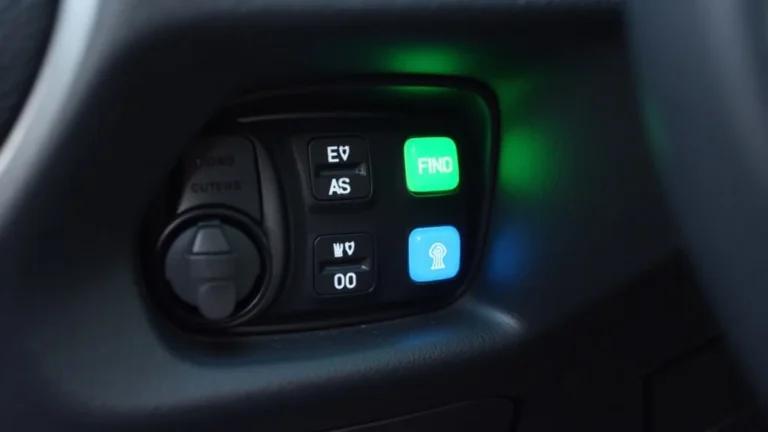
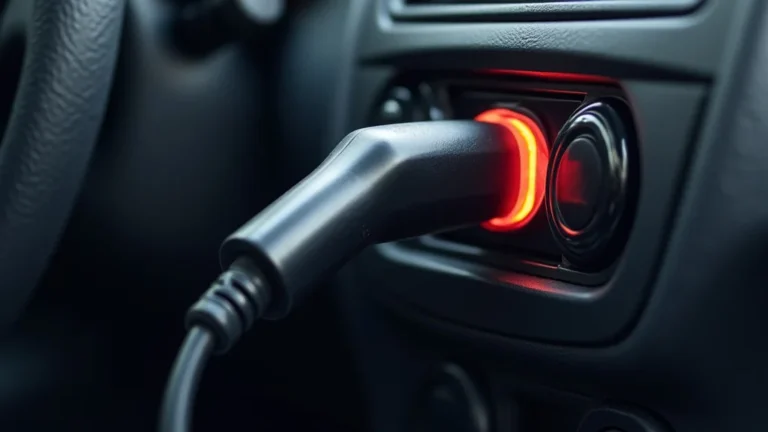
Many modern cars have a battery warning light on the dashboard (it usually looks like a battery symbol). If this light illuminates while you’re driving, it’s a definite sign that there’s an issue with your charging system. This could mean the battery itself is failing to hold a charge, or your alternator isn’t doing its job properly to recharge the battery. Don’t ignore this light!
Corrosion and Physical Damage
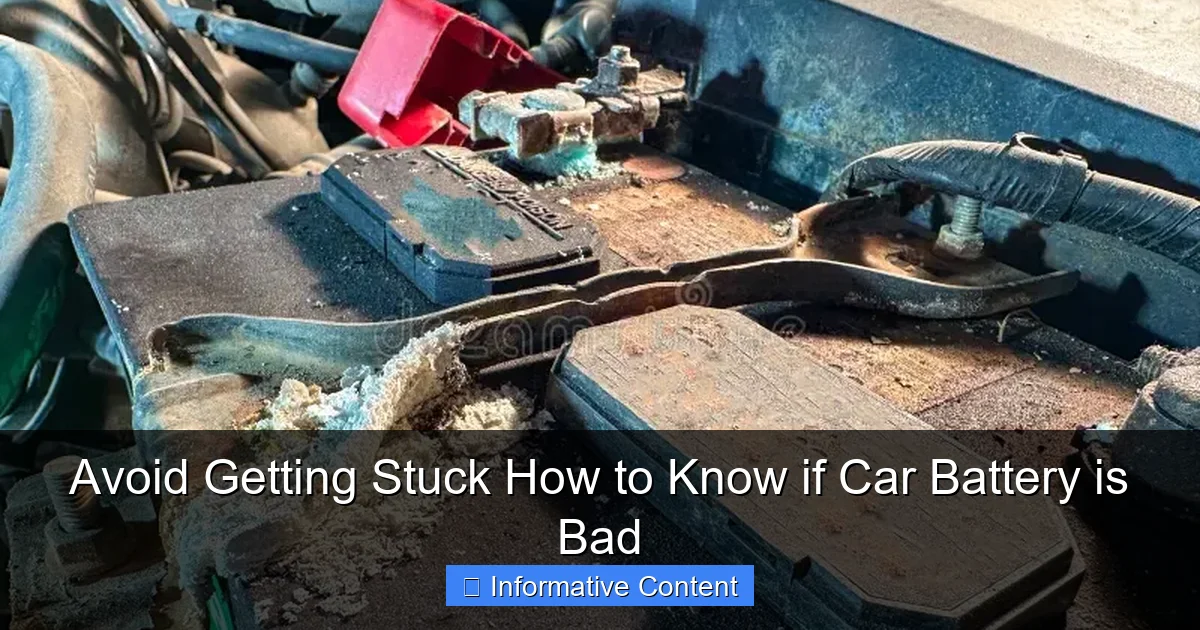
Sometimes, the signs are right there for you to see under the hood. Pop your hood and take a look at your battery terminals. Do you see a fluffy, powdery substance (often blue, green, or white) around the terminals? That’s corrosion, and it can impede the flow of electricity, making it seem like your car battery is bad even if it has some charge left. Also, look for cracks, bulges, or leaks in the battery casing itself. Any of these physical damages mean the battery is compromised and needs immediate attention.
Foul Odor
If you smell a pungent, rotten-egg-like odor when you open your hood, that’s a serious red flag. This smell is typically caused by sulfuric acid leaking from the battery or excessive gassing, which happens when the battery is overcharged or has an internal short circuit. This is a hazardous situation, and you should seek professional help immediately if you detect this smell.
DIY Detective Work: Simple Checks You Can Do at Home
Before you rush to a mechanic, there are a few straightforward tests you can perform yourself to get a better idea if your car battery is bad. All you usually need is a multimeter, which is a handy tool to have in any garage.
Visual Inspection
As mentioned before, a quick visual check can tell you a lot. Make sure the battery terminals are clean and tight. Loose or corroded connections can prevent the battery from delivering power efficiently, mimicking a dead battery. If you see corrosion, you can clean it carefully with a wire brush and a mixture of baking soda and water (a paste works well). Just be sure to wear gloves and eye protection!
Testing Battery Voltage with a Multimeter
This is your most reliable DIY diagnostic tool. A multimeter measures electrical voltage. Here’s how to use it:
- Set your multimeter to DC volts (usually indicated by “V—” or “VDC”) and choose a range above 12V (e.g., 20V).
- Connect the red (positive) probe to the positive (+) battery terminal.
- Connect the black (negative) probe to the negative (-) battery terminal.
- Read the display.
Here’s what the numbers mean:
- 12.6 volts or higher: Your battery is fully charged and healthy.
- 12.4 – 12.6 volts: Good charge, but not 100%.
- 12.0 – 12.4 volts: Discharged. Your battery needs charging.
- Below 12.0 volts: Seriously discharged, indicating a potential issue. If it reads significantly lower, like 10V or 9V, your car battery is bad and likely needs replacement.
Checking the Alternator’s Role
Sometimes, it’s not the battery that’s bad, but the alternator, which charges the battery while the engine is running. To check this:
- Start your car.
- With the car running, test the battery voltage again with your multimeter.
- A healthy alternator should show a reading between 13.7 and 14.7 volts. If it’s still around 12.6 volts or lower, your alternator might be failing to charge the battery, leading to symptoms that make you think your car battery is bad.
When to Call a Pro: Professional Testing and What it Reveals
While DIY tests are great for initial diagnosis, sometimes you need a professional opinion. Auto parts stores often offer free battery testing, which includes a “load test.”
The Load Test: The Ultimate Verdict
A load test simulates the high current draw your battery experiences when starting your engine. It puts the battery under stress to see how well it holds its voltage. A battery might show a good voltage reading when idle, but fail miserably under load, indicating that its internal capacity is significantly reduced. This test can definitively tell you if your car battery is bad and can no longer provide the necessary starting power.
What Professionals Look For
Beyond voltage and load, mechanics can also check the battery’s cold-cranking amps (CCA) – a measure of its ability to start an engine in cold temperatures. They can also inspect for internal shorts and other issues that aren’t visible externally. If your car is exhibiting strange electrical behaviors, or if your DIY tests are inconclusive, a professional diagnostic is the safest bet.
Battery Health at a Glance: Voltage Reference Table
For quick reference, here’s a simple table to help you interpret your multimeter readings regarding your battery’s state of charge:
| Voltage Reading (Engine Off) | State of Charge | Battery Health Indicator |
|---|---|---|
| 12.6V or higher | 100% Fully Charged | Excellent |
| 12.4V – 12.6V | 75% – 100% Charged | Good |
| 12.0V – 12.4V | 50% – 75% Charged | Needs Charging |
| Below 12.0V | Less than 50% Charged | Critically Low / Bad Battery |
| 13.7V – 14.7V (Engine Running) | N/A | Alternator Charging Correctly |
This table is a great guide. If you consistently see readings below 12.0V when the engine is off, it’s a strong sign that your car battery is bad.
Keeping Your Battery Happy: Tips for Extending Its Life
Even if your car battery is bad now, you can learn how to treat your next one better! A car battery typically lasts 3-5 years, but proper care can help it reach its maximum lifespan and sometimes even exceed it.
Regular Maintenance Tips
- Keep it clean: Regularly clean battery terminals to prevent corrosion. A clean connection ensures efficient power transfer.
- Check connections: Make sure the battery cables are tightly secured. Loose connections can lead to poor performance and even spark.
- Battery tray: Ensure the battery is securely held in its tray. Vibrations can damage internal components over time.
Smart Charging Habits
- Avoid short trips: Frequent short drives (less than 20 minutes) don’t allow the alternator enough time to fully recharge the battery, especially after starting. If you often take short trips, consider using a trickle charger occasionally.
- Turn off accessories: Always turn off headlights, interior lights, and the radio before turning off your engine. Leaving them on can drain your battery quickly, especially if your car battery is bad already.
- Consider a battery tender: If you store your car for extended periods, a battery tender or maintainer can keep the charge topped up without overcharging, preventing deep discharge that can permanently damage a battery.
Environmental Factors
Extreme temperatures, both hot and cold, are hard on batteries. Heat accelerates internal corrosion and fluid evaporation, while cold weather reduces a battery’s cranking power. Parking your car in a garage can help mitigate these effects.
Don’t Get Stranded: The Power of Proactive Battery Care
There you have it! From slow starts to tell-tale odors, you’re now equipped with the knowledge to identify when your car battery is bad. Remember, your car battery is a vital component, and its health directly impacts your driving experience and safety. Don’t wait until you’re stuck in a parking lot on a cold morning to realize there’s a problem.
By paying attention to the warning signs, performing simple DIY checks, and understanding when to seek professional help, you can avoid the frustration and expense of an unexpected breakdown. Proactive battery maintenance isn’t just about prolonging its life; it’s about giving you peace of mind on every journey. Stay safe out there, and happy driving!
Frequently Asked Questions
What are the most common signs that indicate my car battery is bad?
The most noticeable sign is when your car struggles to start, producing a slow cranking sound, or doesn’t start at all, just clicking. You might also notice your dashboard lights flickering or not coming on when you try to start the engine.
Can I visually check my car battery to see if it’s bad?
Yes, certain visual cues can suggest your car battery is bad. Look for corrosion around the terminals, a swollen or bulging battery case, or a strong, rotten egg smell indicating a leak or internal damage.
How long does a car battery usually last before it goes bad?
Car batteries typically last between 3 to 5 years, but this can vary based on driving habits, climate, and battery type. Regular short trips, extreme temperatures, and leaving lights on can shorten its lifespan significantly.
What if my car’s lights and radio work, but it still won’t start? Is my car battery bad then?
Even if your car’s interior lights and radio still function, your car battery might be bad or have insufficient charge to power the starter motor. The starter requires a much higher current than accessories, and a weak battery often can’t provide that surge.
How can I test if my car battery is bad at home without special tools?
While professional testing is best, you can perform a simple headlight test. Turn on your headlights without starting the car; if they’re dim, try to start the car. If they dim significantly or go out while cranking, it’s a strong indicator your car battery is bad.
Will my car’s dashboard alert me if the car battery is bad?
Yes, many modern cars have a battery warning light (often shaped like a battery) that illuminates on your dashboard if there’s an issue with the charging system or if your car battery is bad. This light indicates a problem that warrants immediate investigation.