Clever Ways How to Test Car Battery Without a Multimeter

Featured image for how to test car battery without multimeter
Image source: publicdomainpictures.net
Unsure if your car battery is dead but lack a multimeter? Fear not! This article reveals clever, readily available methods to test its health. Learn how to quickly diagnose issues by observing your headlights, horn, or the starter’s response, empowering you to identify a weak or dead battery without special tools.
Ever been there? You hop into your car, turn the key, and… nothing. Or maybe just a sad, groaning sound. Panic sets in. Is it the battery? And more importantly, how to test car battery without multimeter when you don’t have one handy? Trust me, we’ve all faced this frustrating moment. It often feels like you need fancy equipment to diagnose the simplest car issues.
But what if I told you there are clever, practical ways to get a good sense of your car battery’s health using just your senses and a little observation? That’s right! You don’t always need a high-tech gadget to figure out if your battery is the culprit. These methods aren’t as precise as a multimeter, but they’re excellent for a quick, on-the-spot diagnosis, especially when you’re stranded or just trying to understand what’s going on.
In this post, I’m going to share some tried-and-true techniques that will help you understand how to test car battery without multimeter. We’ll explore visual cues, listen for tell-tale sounds, and observe your car’s electrical behavior. Think of me as your car-savvy friend, guiding you through these simple steps to empower you with essential DIY car knowledge!
Key Takeaways
- Headlight Test: Turn on headlights; dimming after 10 seconds indicates a weak battery.
- Cranking Speed: Observe engine cranking; slow or strained starts signal battery trouble.
- Visual Inspection: Check for corrosion, leaks, or bulging on the battery case.
- Horn Sound: Listen to your horn; a weak or fading sound suggests low power.
- Accessory Check: Test interior lights/radio; dimness with engine off indicates battery weakness.
📑 Table of Contents
- The Classic Headlight Test: A Simple Way to Test Car Battery Without Multimeter
- Listen Up: The Engine Cranking Sound Test
- Honk for Health: The Horn Test
- Visual Cues: What Your Battery is Telling You
- Dashboard Lights and Electronics: More Clues to Battery Health
- The Jump Start Confirmation (And What It Means)
- Quick Reference: Battery Health Symptoms at a Glance
The Classic Headlight Test: A Simple Way to Test Car Battery Without Multimeter
This is one of the easiest and most common ways to get a quick read on your battery’s condition. It’s a fantastic starting point when you’re wondering how to test car battery without multimeter.
How to Perform the Test
- First, make sure your car is in park or neutral and the parking brake is engaged.
- Turn off all accessories like the radio or AC.
- Turn on your headlights. Notice their brightness. Are they strong and clear, or do they look dim?
- Now, try to start the car. As you turn the key, keep an eye on those headlights.
What the Results Mean
- Headlights stay bright: If they stay strong while you try to start (even if the car doesn’t turn over), your battery likely has enough charge. The issue might be elsewhere, like the starter motor.
- Headlights dim noticeably or go out: This is a classic sign of a weak or discharged battery. The battery doesn’t have enough power for both lights and cranking. This is a clear indicator of a low charge when you need to know how to test car battery without multimeter.
- Headlights are dim from the start: If the headlights are dim even before you try to crank, your battery is severely discharged or nearing its end.
Tip: For a clearer observation, try this test in a dark area or at night.
Listen Up: The Engine Cranking Sound Test
Your car’s engine makes very distinct sounds when you turn the key. Learning to interpret these sounds is a powerful skill when you need to figure out how to test car battery without multimeter.
Listening for the Right Sounds
Turn the key to the “start” position. Pay close attention to the sounds your car makes.
- Strong, consistent cranking: A healthy battery and starter make a rapid, consistent “rur-rur-rur” sound. If the engine doesn’t catch, but the sound is strong, your battery is likely okay.
- Slow, sluggish cranking: If the engine struggles with a drawn-out “rurrrrr-rurrrrr” sound, your battery is likely weak. It lacks the power to spin the engine quickly.
- Rapid clicking sound: A fast “click-click-click” with no engine turnover means a severely discharged or dead battery. It lacks the power to engage the starter.
- Single click or no sound: A single click could mean a completely dead battery or a starter issue. No sound at all strongly suggests a dead battery or major electrical failure.
Decoding the Noises
The speed and strength of the cranking tell you a lot. A slow crank points directly to battery weakness, while a rapid clicking almost always screams “dead battery.” This audio inspection is a cornerstone when learning how to test car battery without multimeter effectively.
Honk for Health: The Horn Test
Yes, your car’s horn can also offer a quick clue about your battery’s health. It’s a simple, often overlooked method for how to test car battery without multimeter.
Simple Steps to Check
With the car off, simply press the horn.
Interpreting the Honk
- Loud and clear horn: If the horn blares loudly and consistently, it indicates your battery has decent power. If your car isn’t starting, the problem might be elsewhere.
- Faint, weak, or silent horn: A weak or barely audible horn, or no sound at all, is a good sign your battery is low on charge or completely dead. The horn needs a certain power level to function properly, and a struggling battery won’t provide it.
This test is incredibly straightforward and can be done in seconds, giving you another piece of the puzzle.
Visual Cues: What Your Battery is Telling You
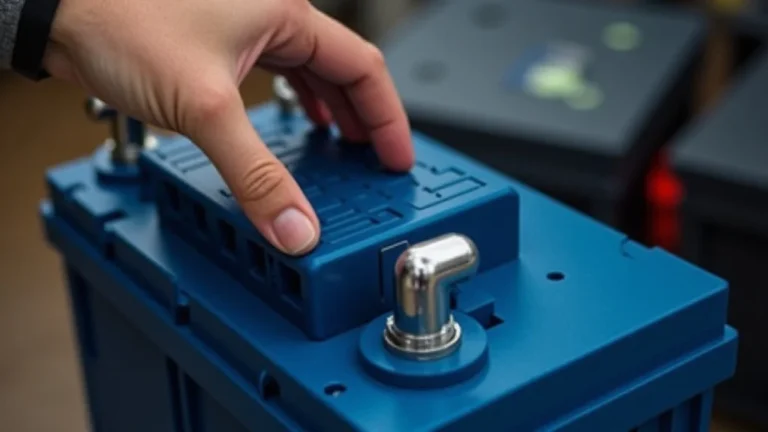
Sometimes, your battery literally wears its problems on its sleeve. A visual inspection is a critical part of understanding how to test car battery without multimeter.
Signs of a Struggling Battery
- Corrosion: Look for white or bluish-green powder around the battery terminals. This corrosion blocks electrical flow and can make a good battery seem dead.
- Bulging or cracked casing: If the battery casing looks swollen, bulging, or cracked, this is serious internal damage. This battery is likely beyond saving and can be dangerous. Do not jump-start a bulging battery.
- Fluid leaks: Any signs of fluid leaking from the battery indicate internal damage and a need for immediate replacement.
Inspecting the Battery Itself
Carefully open your hood and locate the battery. Look at the terminals, the top, and the sides. If you see any of these issues, it’s a strong indicator that your battery is failing or has failed. While it doesn’t tell you the exact voltage, these visual cues are powerful indicators of poor battery health and a direct answer to how to test car battery without multimeter through observation.
Safety Note: Always wear gloves and eye protection when inspecting a battery, especially if you suspect leaks or corrosion.
Dashboard Lights and Electronics: More Clues to Battery Health
Your car’s internal electronics and dashboard lights can also provide vital clues. They are another way to understand how to test car battery without multimeter by observing indirect effects.
Observing the Instrument Panel
- Dim or flickering dashboard lights: If lights are dim, flicker, or don’t light up when you turn the key, it signals low battery voltage.
- Warning lights: If the battery warning light (often shaped like a battery) comes on or stays on, it means there’s an issue with the charging system.
Other Electrical Systems
- Slow power windows or dim interior lights: These indicate insufficient power, likely from a weak battery.
- Radio or infotainment issues: A failing battery can cause your radio to cut out, lose presets, or the infotainment system to behave erratically.
These collective symptoms of struggling electronics are excellent indicators of a battery problem, even if they don’t give you a precise voltage reading. They offer a comprehensive approach to how to test car battery without multimeter by looking at the bigger electrical picture.
The Jump Start Confirmation (And What It Means)
While not a “test” in itself, performing a jump start can confirm your suspicions about a dead battery and provide further insights into its overall health. This method often follows the initial observations on how to test car battery without multimeter.
The Jump Start Itself
If you suspect a dead battery after these tests, a jump start is the next step. Connect jumper cables correctly to another car or a portable jump starter.
- If your car starts immediately and easily, it strongly confirms that your battery was the problem.
- If it struggles to start even with a jump, there might be other issues (like the starter) or the battery is too far gone to accept a jump easily.
What Happens After a Successful Jump
- It starts, then dies quickly: If the car starts with a jump but dies soon after disconnecting, the battery isn’t holding a charge. It’s likely dead and needs replacement. This could also suggest an alternator issue.
- It starts and stays running: If the car starts with a jump and continues to run normally, drive it for at least 20-30 minutes to allow the alternator to recharge the battery. If it starts fine again after this, your battery might have just been deeply discharged. However, if it struggles to start again later, the battery is on its way out.
This process offers a practical way to gauge battery resilience after identifying potential issues through the “how to test car battery without multimeter” methods.
Quick Reference: Battery Health Symptoms at a Glance
To help you quickly diagnose the issue, here’s a summary of common symptoms and what they likely mean for your battery’s health:
| Symptom Observed | Likely Battery Condition | Recommended Action |
|---|---|---|
| Headlights bright, then dim/off when cranking | Weak/Dying Battery | Recharge and monitor, or replace soon |
| Headlights dim immediately, engine clicks | Severely Discharged/Dead Battery | Attempt recharge, consider replacement |
| Engine cranks slowly, groans | Weak Battery (low charge or aging) | Recharge and check battery age |
| Engine clicks rapidly, no crank | Very Low/Dead Battery | Recharge or replace |
| Horn faint/silent | Weak/Dead Battery | Recharge or replace |
| No dashboard lights, no power at all | Completely Dead Battery | Replace battery |
| Heavy corrosion on terminals | Poor Connection/Battery Health Issue | Clean terminals, then retest. If issues persist, replace. |
| Battery casing bulging/cracked | Dangerous/Failed Battery | Replace immediately (do NOT jump-start) |
This table summarizes the core findings from learning how to test car battery without multimeter for various symptoms.
There you have it! While a multimeter gives precise readings, these clever, practical ways to test car battery without multimeter can absolutely help. They offer powerful diagnostic clues to understand if your battery is the problem, allowing you to take the next appropriate step.
Remember, these are diagnostic clues, not exact measurements. If you’re unsure after these checks, or suspect other issues, get a professional to test your battery and charging system. But for those unexpected moments, knowing how to test car battery without multimeter can be a real lifesaver!
Frequently Asked Questions
How can I test my car battery without a multimeter if I don’t have one readily available?
You can use several simple methods to get an indication of your car battery’s health, even without a multimeter. These often involve observing the behavior of your vehicle’s electrical components like headlights, horn, and starter motor.
What’s the headlight trick to test car battery without a multimeter?
Turn on your headlights with the engine off for about 1-2 minutes. Bright, strong lights suggest a decent charge, while dimming or very weak lights can indicate a dying battery. Try starting the car while observing the lights for a more telling sign – if they dim significantly during cranking, your battery is likely weak.
Can I use the horn or starter sound to test car battery without a multimeter?
Yes, these can provide helpful clues. A strong, clear horn sound and a quick, robust engine crank typically mean your battery is in good shape. Conversely, a weak or stuttering horn, or a slow, struggling starter, strongly suggests a low or failing battery.
Are there any visual cues I can check to determine my car battery’s condition without specialized tools?
Absolutely. Look for physical signs like excessive corrosion around the terminals, bulging or cracks in the battery casing, or a strong rotten egg smell. These are clear indicators that your battery is compromised and needs immediate attention or replacement.
How accurate are these non-multimeter methods to test car battery compared to using a proper tool?
While helpful for a quick diagnosis, these methods offer a general indication rather than precise voltage or cold cranking amp (CCA) readings. They are excellent for spotting an obvious problem, but won’t catch subtle declines in battery performance that a multimeter or dedicated tester would reveal.
When should I consider replacing my car battery, even if it still starts the car using these methods?
If your battery is more than 3-5 years old, frequently struggles to start the car on cold mornings, or consistently shows any of the warning signs discussed, it’s wise to consider replacement. Proactive replacement can prevent unexpected breakdowns and leave you stranded.