Can Alternator Charge a Dead Battery? A Simple Guide
Figuring out if can alternator charge dead battery is something a lot of people wonder about, especially when their car won’t start! It can feel tricky if you’re not a car expert, but don’t worry. This guide will make it easy to see how your car’s alternator works and if it can solve your battery problems. We’ll show you exactly what to do step by step.
What Your Alternator Does and Why It Matters
The alternator is a vital part of your car’s electrical system, often mistaken for the battery itself. But instead of storing electricity like a battery, the alternator makes it. Think of it like a mini-power plant for your car. It works by converting mechanical energy from the engine into electrical energy. This power keeps your car’s lights, radio, and other accessories running while you drive. Moreover, it charges the battery so that your car can start.
How the Alternator Creates Power
The alternator functions based on the principle of electromagnetic induction. This means it uses magnets and coils of wire to generate electricity. When the car’s engine runs, a belt connects the engine’s crankshaft to a pulley on the alternator. This pulley spins a rotor inside the alternator, which contains electromagnets. These spinning electromagnets pass by a stator, which is a set of stationary coils of wire. The movement of the magnetic field past these coils induces an electric current. This generated current is then converted from alternating current (AC) to direct current (DC) by a rectifier, making it suitable for charging the battery and powering the car’s electrical components.
- Rotor and Stator: The rotor spins inside the alternator, generating a magnetic field. The stator, a set of stationary coils, converts this magnetic field into electricity. This teamwork is key to power generation.
- Rectifier and Voltage Regulator: The rectifier changes the AC electricity produced by the alternator into DC electricity, which the battery can use. The voltage regulator ensures the alternator sends a consistent and safe voltage to the battery and other electrical components, protecting them from damage.
- The Drive Belt: The drive belt links the engine to the alternator’s pulley. If this belt is broken or loose, the alternator can’t work, and the battery won’t get charged.
The alternator is designed to produce electricity at a constant rate, even when your engine speed changes. When the engine is idling, the alternator still provides enough power to run the car’s systems and charge the battery. This ensures consistent electrical supply for all components. If your alternator stops working, the battery will eventually drain, and your car will stall. This is because all the electrical demands are coming from the battery.
Can an Alternator Revive a Completely Dead Battery?
While the alternator plays a vital role in charging your battery, there’s a limit to what it can do. It’s designed to maintain a battery’s charge, not to revive one that’s completely drained. Trying to start a car with a very dead battery puts a lot of strain on the alternator. It might be able to add some charge, but it can also lead to the alternator overheating or failing. To get your car going with a dead battery, you often need an external boost, like using jumper cables from another car or a battery charger.
The Limits of Alternator Charging
An alternator charges a battery by supplying a certain voltage and amperage. This process works most efficiently when the battery isn’t completely discharged. A very low battery voltage means the alternator has to work harder to push the current into the battery, which can lead to overheating. If the battery is deeply discharged, the alternator’s output might be insufficient to bring it back to a full charge. The alternator is designed to work as a continuous power source, not a rapid charger. A completely dead battery, especially if it has other internal problems like sulfation, might not accept a charge from the alternator effectively. Therefore, external help is often needed.
- Battery Sulfation: If a battery is left discharged for too long, sulfate crystals can build up on the battery plates. This process, called sulfation, reduces the battery’s ability to hold a charge. The alternator might not be able to break down these crystals effectively.
- Alternator Output: The alternator’s output varies depending on engine speed. However, it’s generally designed to supply a specific amperage to the battery. Attempting to charge a completely dead battery might exceed the alternator’s capacity, causing it to overheat or fail.
- Voltage Drop: When a battery is deeply discharged, the voltage can drop significantly. This low voltage might interfere with the alternator’s ability to regulate the charging process effectively. It can also cause other electrical problems in the car.
It’s important to understand that the alternator’s primary purpose is to maintain a battery’s charge while the engine is running. It’s a continuous charging system. It helps power your car’s accessories and replace the energy used when starting the engine. If your battery is completely dead, relying on the alternator alone may not be sufficient. You’ll need a boost, either from another vehicle or a battery charger, to get your car started.
Steps to Charge a Battery Using the Alternator (Under Ideal Conditions)
If your battery isn’t completely dead, the alternator can help recharge it. However, it’s crucial to follow the correct steps to avoid damaging your car’s electrical system. Before you begin, ensure you have a good understanding of your car’s electrical components and safety precautions. You should always wear safety glasses and gloves when working with batteries.
Starting the Process Safely
The first step is to check your battery’s condition. If the battery is old or damaged, the alternator may not be able to charge it effectively. Next, ensure your car is parked in a safe location away from traffic. Before attempting to charge, inspect the battery terminals for corrosion. Clean them with a wire brush and a mixture of baking soda and water to ensure good contact. Remember that even a small amount of corrosion can affect the charging process.
- Ensure a Healthy Battery: Before starting, make sure your battery isn’t severely damaged or old. Check for any physical damage, such as cracks or leaks. Ensure the terminals are clean and free of corrosion.
- Start the Engine: After making sure the terminals are clean, start the engine. Let the car run at a steady idle speed. This allows the alternator to begin charging the battery.
- Monitor the Voltage: Use a voltmeter to monitor the battery voltage while the engine is running. The voltage should gradually increase over time, indicating that the alternator is charging the battery.
- Drive the Car: After running the engine for some time, drive the car for at least 30 minutes to an hour. Driving helps the alternator charge the battery more effectively than idling.
It’s important to keep an eye on the battery voltage during the charging process. You may need to take your car to a local mechanic to check the battery and alternator health.
Common Problems and Troubleshooting
Sometimes, even after following the steps, your alternator might not be charging the battery correctly. Several things can cause this, from a faulty alternator to issues with the battery itself. Knowing what to look for and how to fix it can save you time and money. Here’s how to troubleshoot common issues related to battery charging.
Diagnosing Charging System Issues
One of the first signs of trouble is the battery warning light on your dashboard. This means there’s a problem with the charging system. It could be a bad alternator, a damaged wire, or a faulty battery. Use a multimeter to check the battery voltage while the engine is running. If the voltage isn’t increasing, or if it’s too low, the alternator is likely not charging the battery. Check the alternator belt for wear and proper tension. A slipping belt can stop the alternator from spinning correctly and producing power. Lastly, check the battery terminals and cables for corrosion.
- The Battery Warning Light: When this light comes on, it’s a sign that the charging system isn’t working right. The light could mean anything from a loose wire to a failing alternator.
- Alternator Belt Problems: If the belt is broken, loose, or worn, the alternator can’t spin, and the battery won’t charge. Listen for squealing noises, which might indicate belt slippage.
- Corrosion on Terminals: Corrosion can stop the flow of electricity. Clean terminals ensure good contact and make charging more efficient. Use a wire brush and baking soda solution to clean corroded terminals.
Dealing with charging system problems requires a systematic approach. Inspecting the battery terminals, checking the alternator belt, and monitoring the voltage are key steps. In addition, using diagnostic tools like a multimeter can provide a clear picture of the problem.
Using External Charging Methods
If your battery is completely dead, using an external method is often necessary. Jump-starting with another car or using a battery charger are two common solutions. Both methods provide a controlled way to restore your battery’s power. It’s always safer than relying solely on the alternator.
Jump-Starting and Battery Chargers
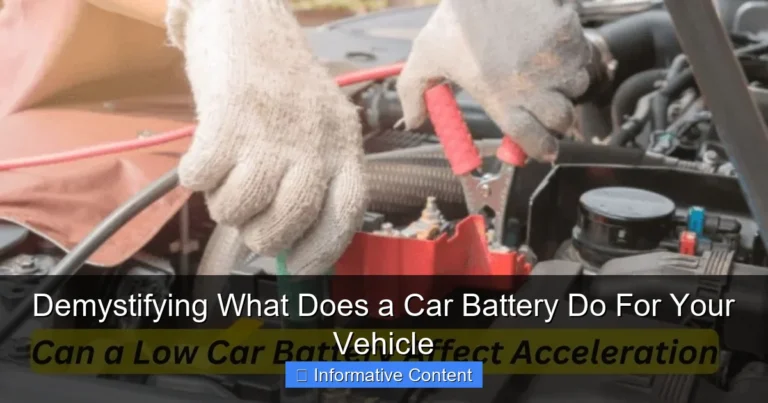
Jump-starting involves using jumper cables to connect your dead battery to a working battery in another car. This transfers power to your battery so you can start your engine. Battery chargers, on the other hand, plug into an outlet and directly charge your battery. They offer a more controlled charging process, often including features to prevent overcharging and damage to the battery. Battery chargers can also provide different charging rates, depending on the battery type and its state of discharge.
- Jump-Starting: This is a quick fix to get your car started. Connect the jumper cables correctly – positive to positive, and negative to a ground on your car or the other car’s battery.
- Battery Chargers: These are more controlled and can charge the battery completely and safely. They can also monitor the charging process and stop when the battery is full.
- Safety First: When jump-starting or using a charger, always follow safety instructions. Wear eye protection, and ensure the area is well-ventilated.
Always disconnect the charger when the battery is fully charged. Never leave a battery charging unattended, and always follow the charger’s instructions. A well-maintained battery and a properly functioning charging system can help prevent many problems. Regular checks of your car’s battery and charging system can save you from unexpected breakdowns.
Frequently Asked Questions
Question: Can I jump-start my car from another car?
Answer: Yes, you can jump-start your car from another car using jumper cables. Connect the cables carefully, ensuring positive to positive and negative to a ground point on the other car or your car’s frame. Start the donor car and let it run for a few minutes before trying to start your car.
Question: How long does it take for an alternator to charge a battery?
Answer: It depends on how discharged the battery is. The alternator can help maintain the battery charge while driving, but it’s not a fast charger. For a deeply discharged battery, it might take several hours of driving to fully recharge it, if the alternator can do it at all.
Question: What’s the difference between an alternator and a battery?
Answer: The alternator generates electricity while the engine is running, and the battery stores the electrical energy produced by the alternator. The alternator provides power for the car’s electrical systems and charges the battery, while the battery provides the initial power to start the car.
Question: What are the signs of a bad alternator?
Answer: Common signs include a battery warning light on, dimming headlights, slow cranking, and the car stalling. You might also notice electrical accessories malfunctioning or the battery repeatedly going dead.
Question: Can I use a battery charger to fix a dead battery?
Answer: Yes, a battery charger is an excellent tool for recharging a dead battery. Battery chargers are designed to slowly and safely restore the battery’s charge. They often have settings to prevent overcharging and protect the battery from damage.
Final Thoughts
So, can alternator charge dead battery? The answer is a bit complicated. Your alternator is designed to keep your battery charged while you’re driving, not to revive a completely dead one. The alternator will supply energy to your car’s electrical components and charge the battery. However, if your battery is deeply discharged or damaged, the alternator alone might struggle to bring it back to life. You might need to give it a boost with jumper cables or a battery charger.
Regular maintenance, such as checking your battery terminals for corrosion and ensuring your alternator belt is in good shape, can help. Keep an eye out for warning signs such as the battery light coming on or your car struggling to start. These are hints that your battery or alternator might need attention. Learning these basics can help you to keep your car running smoothly and avoid being stranded. Taking good care of your car’s battery and charging system can save you time, money, and headaches down the road!