The Best Way To Keep Your Car Battery Going Strong in Winter
Winter weather can be rough on your car, and one of the biggest challenges for many drivers is figuring out the best way to maintain battery in winter. Cold temperatures slow down chemical reactions in batteries, making them work less efficiently. Don’t worry, though! It can be confusing if you’re new to car maintenance. We’ll explore some easy-to-follow steps to make sure your battery stays in good shape, so you can start your car without any problems. Get ready to discover some simple tips that will keep you rolling all winter long!
Understanding Winter’s Effect on Your Battery
Cold weather isn’t kind to car batteries. As temperatures drop, the chemical reactions inside the battery slow down. This means it produces less power, making it harder for your car to start. Imagine trying to run a race when you’re freezing – it’s tough! That’s similar to what a battery goes through in winter. Moreover, the cold thickens the engine oil, adding extra resistance to the engine’s movement, and further straining the battery. A battery that worked fine in the summer might struggle in the winter, leading to frustrating starting problems. This section will look at how winter hurts your car battery and why it’s important to take care of it during this season.
The Science Behind Battery Performance
Your car battery works through a process called a chemical reaction. It creates electricity through this process. Inside the battery, there are two metal plates and a special liquid called electrolyte. When the car starts, the chemical reaction sends electricity to the starter motor, which turns the engine. The amount of power the battery can provide changes with the temperature. Heat speeds up this process, and cold slows it down, affecting the battery’s performance. That’s why your car might have trouble starting on a cold morning. The cold slows down the chemical reaction, reducing the power the battery can put out.
-
Chemical Reaction Basics: Batteries use chemical reactions to create electricity. These reactions involve converting chemical energy into electrical energy that powers your car’s components.
The rate of these reactions changes with temperature. -
Impact of Temperature: Cold weather reduces battery capacity. The drop in temperature can decrease the amount of power the battery can supply. This makes it hard to start the car.
This means your battery may not have enough power to fully start your car’s engine during winter. - Battery Components and Their Sensitivity: Batteries have different components, like lead plates and electrolytes. These are all affected by the temperature. The components are more sensitive in the cold weather.
For instance, when the temperature drops to freezing (32°F or 0°C), a car battery can lose about 35% of its power. At very cold temperatures, such as 0°F (-18°C), the battery can lose up to 60% of its power.
The colder it gets, the harder your battery has to work.
The electrolyte solution is often a mix of sulfuric acid and water, which becomes less effective in cold conditions.
The Role of Cold Weather
Cold weather directly affects your car’s battery in several ways. Batteries lose power when it’s cold, sometimes drastically. The internal resistance of the battery increases, and the chemical reactions slow down. These effects make it harder for the battery to deliver the current required to start the engine, especially during those frosty mornings. This is why you might experience sluggish starts or the complete inability to start your car. The car components such as engine oil are also affected by the cold which strains the battery even more, making it more challenging to start the engine.
-
Reduced Power Output: Cold temperatures directly affect how much power a battery can produce. This reduced power impacts your car’s starting ability.
During winter, a fully charged battery might only have about 65% of its normal capacity. -
Increased Internal Resistance: The internal resistance inside the battery grows as temperatures drop. This makes it harder for the battery to deliver electricity to the starter.
Think of resistance like a barrier to the flow of electricity. -
Engine Oil’s Impact: Cold weather makes your engine oil thicker. This increases the load on the battery since the engine needs more power to start.
This added burden can weaken the battery.
This means that while your battery might have been fine during warmer months, it might struggle to turn over the engine during the winter.
Increased resistance means the battery has to work harder, and it can wear it down faster.
Thicker oil adds resistance, requiring the battery to provide even more power than usual to crank the engine.
The Best Way to Maintain Battery in Winter: Preparation and Testing
Preparing your car battery for winter starts with checking its health. The section will provide simple actions you can take to make sure the battery is ready for the cold. It includes what kind of checks to run and what to watch out for. Following these steps helps make sure your car starts when you need it. This helps you avoid the frustrating feeling of finding a dead battery on a freezing morning. This will also ensure your car runs efficiently, saving you money and hassle.
Battery Health Check
Before winter arrives, give your battery a thorough checkup. Start by looking for signs of damage or wear. Examine the battery’s case for cracks, leaks, or swelling. Check the terminals for corrosion (white or green buildup) and clean them if necessary. Use a battery terminal cleaner and a wire brush to remove corrosion, ensuring a solid connection. Check the battery’s date to know its age, and a battery that is more than three years old might need replacing. Regular checks let you address any problems early and boost the chances of your battery getting through the winter season without issues.
-
Visual Inspection: Check the battery’s case for any physical damage.
Look for cracks, leaks, or any signs of swelling. Make sure the battery is securely mounted. -
Terminal Cleaning: Clean the battery terminals to remove any corrosion.
Use a wire brush and a solution of baking soda and water to clean away any buildup. Dirty terminals can reduce the flow of electricity. -
Battery Age Check: Note the battery’s age. Batteries typically last for three to five years.
If your battery is getting older, be prepared to replace it.
This helps prevent further problems from occurring.
This will ensure that your battery is making a strong connection to your car’s electrical system.
A battery that is nearing the end of its life is more likely to fail in cold weather.
Battery Testing Options
Use a battery tester to check your battery’s strength. There are two primary options: a load tester and a digital multimeter. A load tester puts the battery under a load, simulating the demands of starting your car. This reveals whether the battery can supply enough power. A digital multimeter is used to test the voltage. The battery should read at least 12.6 volts when fully charged. Check the battery’s cold cranking amps (CCA) rating. This indicates how much power the battery can provide at 0°F (-18°C). The battery’s CCA rating should meet or exceed your car’s requirements.
-
Load Test: A load test helps determine the battery’s ability to supply power under a load.
The load test simulates the conditions when you start your car. -
Voltage Test: Check the battery voltage with a multimeter. A fully charged battery should read around 12.6 volts or higher.
Low voltage means the battery is not fully charged or may need replacing. -
Cold Cranking Amps (CCA) Check: CCA is a measure of the battery’s ability to start an engine in cold weather. Ensure your battery’s CCA rating matches your car’s specifications.
The correct CCA rating will give your car enough power to start your car during cold mornings.
This test checks whether the battery can provide the amps your car’s starter motor needs to function properly.
If the voltage is significantly lower, your battery might struggle in the cold.
Check your car’s owner’s manual for the correct CCA rating.
Simple Steps: Battery Maintenance in Winter
Proper battery care is essential, especially when dealing with the challenges of winter weather. Regular maintenance helps ensure your battery remains in good condition and continues to provide the power your car needs. This includes actions such as keeping your battery charged, checking the terminals, and making adjustments to your driving habits to reduce the strain on the battery. These measures can extend your battery’s life and give you more peace of mind during the winter months.
Charging and Boosting Your Battery
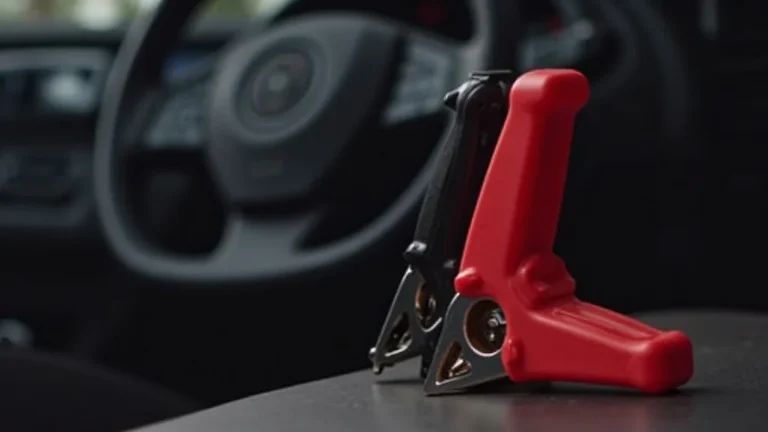
Keeping your battery charged is very important. Regularly charging the battery prevents it from becoming fully discharged. A fully discharged battery can freeze in cold temperatures, causing damage. Use a battery charger to slowly recharge the battery. This is a safer option than jump-starting. If your battery is dead, carefully use jumper cables to jump-start your car. Be sure to follow safety instructions. After jump-starting, run your engine for at least 20 minutes to recharge the battery. Avoid using short trips, as they do not give the battery enough time to recharge, and can drain your battery.
-
Regular Charging: Charge your battery when needed to maintain its voltage. Regularly charging helps prevent the battery from becoming fully discharged.
Use a battery charger to ensure the battery is kept at its peak capacity. -
Use a Battery Charger: A battery charger is a safe and slow method for recharging your battery. Follow the charger’s instructions for connecting it to your car.
Charging slowly prevents any damage that might come from a fast charge. -
Jump-Starting Procedures: Jump-starting should be the last resort. Properly connect jumper cables, following safety procedures.
Always connect positive to positive and negative to ground, away from the battery.
A fully charged battery will perform better in cold temperatures.
Charge your battery overnight for best results.
After jump-starting, let the car run for at least 20 minutes to help recharge the battery.
Driving Habits
How you drive can affect your battery’s health. Reduce the use of accessories like the heater, heated seats, and defroster. These accessories draw a lot of power from the battery. When possible, park your car in a garage to protect the battery from the cold. The garage can keep the battery warmer, making it easier to start the car. Short trips are very bad for batteries because they don’t give the battery enough time to recharge. If you take short trips, consider using a battery charger to make sure your battery is fully charged. These easy adjustments to your driving habits help extend the life of your battery during winter.
-
Minimize Accessory Usage: Reduce the use of accessories, such as the heater, heated seats, and defroster, to reduce the load on the battery.
These accessories consume a lot of power. -
Garage Parking: Park your car in a garage when possible. This keeps the car warmer than parking outside.
Even a slightly warmer environment can help prevent the battery from becoming too cold. -
Avoid Short Trips: Avoid taking many short trips, as these don’t give the battery enough time to recharge.
Frequent short trips can drain the battery, especially in winter.
By using these features less frequently, you can conserve battery power.
This helps maintain the battery’s performance and reduces strain during startup.
Use a battery charger if you frequently drive short distances.
Preventive Measures for Best Way to Maintain Battery in Winter
Taking precautions can help maintain your battery’s performance during winter. This involves using battery blankets and considering professional car care services. Battery blankets keep the battery warm by insulating it, which helps maintain power in cold weather. Regular car care services, such as checking and replacing parts, can help your battery run more efficiently. Taking these measures can reduce the risk of a dead battery in winter and also extend the battery’s life.
Using Battery Blankets and Warmers
Use a battery blanket or warmer to insulate your battery. A battery blanket is made to wrap around your battery, trapping heat and preventing the battery from getting too cold. This is useful for batteries that are exposed to cold temperatures. A battery warmer, which you plug into an outlet, provides a constant source of heat. These devices work by maintaining the temperature and helping the battery maintain its charge and performance. They help the battery supply enough power to start your car on cold days. These simple devices are inexpensive and easy to install, making them an excellent choice for winter weather.
-
Function of a Battery Blanket: A battery blanket wraps around your battery to insulate it. It traps heat, which helps the battery stay warmer.
The insulation helps prevent the battery from losing its charge in cold weather. -
Battery Warmer: A battery warmer plugs into an outlet and provides a constant source of heat. This helps keep the battery at a more consistent temperature.
The warmer helps to keep the battery ready for use. -
Installation and Maintenance: Battery blankets and warmers are easy to install. Battery blankets usually wrap around the battery and are fastened with Velcro or straps.
Battery warmers require plugging into an electrical outlet. Always follow the manufacturer’s instructions.
The blanket can significantly improve battery performance during winter.
Battery warmers can be especially useful for those who live in very cold climates.
Regularly inspect the blanket or warmer for wear and make sure that it’s functioning properly.
Professional Car Care
Getting your car professionally serviced can make a difference in how well your battery works. A car technician can run tests on your battery to check its health and performance, checking for anything that could cause problems. They can also check the car’s charging system, making sure it’s charging the battery correctly. Furthermore, they can check and replace components that are wearing out, such as the alternator. They can provide advice on how to improve your car’s performance. Routine maintenance helps keep your car running well and lowers the risk of breakdowns in winter. Here are a few things a professional can do:
-
Battery Testing and Inspection: A professional mechanic can run comprehensive tests on your battery, checking its voltage, CCA, and overall condition. They will also look for corrosion or damage.
Professional testing gives you the most precise information about your battery. -
Charging System Check: Professionals can examine your car’s charging system to ensure it’s charging the battery correctly. They look at the alternator and other parts of the charging system.
A properly functioning charging system is important to the battery’s health. -
Preventive Maintenance and Advice: A mechanic can offer preventive maintenance services. They can provide advice on how to keep your car running well and suggestions for winter driving.
Proper maintenance and advice from a mechanic can help your battery last longer.
A mechanic can identify problems you might have missed.
This helps make sure the battery is getting the power it needs.
Preventive maintenance can avoid more expensive problems.
Frequently Asked Questions
Question: Why does my car battery drain faster in winter?
Answer: Cold temperatures slow down the chemical reactions inside your battery, reducing the power it can provide. This makes it harder for the battery to start your car. The engine oil is thicker in the cold, increasing the load on the battery, which can make it drain faster.
Question: How can I tell if my battery is bad?
Answer: Signs of a bad battery include slow engine cranking, a clicking sound when you turn the key, dim headlights, or the need to jump-start your car frequently. You can also have the battery tested at an auto parts store.
Question: How often should I test my car battery?
Answer: You should test your car battery at least twice a year, especially before winter and summer. Checking it before the cold months helps you make sure your battery is in good shape to handle the extra demands. Regular checks make sure your battery is working correctly.
Question: What is a cold cranking amp (CCA) rating?
Answer: CCA is a rating that indicates the battery’s ability to start an engine in cold weather, measured in amperes. A higher CCA rating means the battery can provide more power in cold temperatures, which is useful when the engine is harder to start.
Question: Can I charge my car battery at home?
Answer: Yes, you can charge your car battery at home using a battery charger. Just make sure to follow the charger’s instructions. This is a safe and slow charging process that helps restore your battery’s full capacity.
Final Thoughts
When it comes to keeping your car running smoothly throughout the winter, paying attention to your battery is important. The best way to maintain battery in winter involves several key steps. Make sure to check your battery’s health by looking for physical damage, cleaning the terminals, and getting it tested regularly. This simple inspection is essential for a good start to your winter season. Use tools like a battery charger to ensure your battery is fully charged, and consider protective measures like battery blankets. Remember that how you drive also matters; reduce your use of accessories and opt to park in a garage whenever you can. With these easy steps, you can help your battery perform better and extend its lifespan. With a little care, you’ll be able to enjoy a worry-free winter season.