Do AGM Batteries Need Special Charging? An Easy Guide
If you’re wondering, do agm batteries need special charger, you’re not alone! Many people find this topic a bit tricky when they first start using AGM (Absorbent Glass Mat) batteries. The good news is, it’s not super complicated. This guide will clarify everything for you and make sure you know exactly how to care for your AGM battery. We’ll simplify the details and give you clear, step-by-step guidance. Let’s get started and make sure your battery gets the right charge!
What Are AGM Batteries and Why Care?
AGM batteries are a type of lead-acid battery. What sets them apart is their design. Instead of a liquid electrolyte that can spill, AGM batteries use a special absorbent glass mat. This mat soaks up the electrolyte, making the battery spill-proof and more resistant to vibration. Because of this design, AGM batteries often have a longer lifespan than standard lead-acid batteries. They also can provide more power quickly. This makes them a popular choice for various applications, including cars, motorcycles, boats, and even renewable energy systems. Learning about them helps you choose the right battery and charger.
How AGM Batteries Are Different
Standard flooded lead-acid batteries have liquid electrolyte. This can spill if the battery tips over. AGM batteries, however, have the electrolyte absorbed into a glass mat. This makes them safer and more durable. They also tend to charge more efficiently and can handle more charge and discharge cycles than standard batteries. This design also allows AGM batteries to be mounted in different positions without the risk of leaks.
- Construction: AGM batteries use a glass mat that absorbs the electrolyte. This makes them leak-proof and more durable.
- Performance: They offer better performance. They can handle higher discharge rates and charge cycles.
- Maintenance: AGM batteries require little to no maintenance. No water top-up is needed.
- Safety: Because they are sealed, AGM batteries are safer. They reduce the risk of acid spills.
- Versatility: AGM batteries can be mounted in various positions. This offers flexibility in installation.
AGM batteries offer a significant improvement over traditional lead-acid batteries. The absorbed electrolyte and robust construction make them more reliable and longer-lasting. They are less susceptible to damage from vibration and can provide a steady power supply for your devices. This design has advantages over traditional flooded batteries. They offer convenience, performance, and peace of mind.
The Benefits of Using AGM Batteries
Choosing an AGM battery comes with several advantages. Their design ensures safety and durability. They are less likely to leak or suffer damage from vibrations. They deliver more consistent power. AGM batteries have a longer lifespan and require less maintenance. This means less work for you, and more dependable power. These features make them a smart choice for many applications. They can keep your devices running smoothly for longer.
- Increased Lifespan: AGM batteries are often more durable than flooded batteries. They can handle many charge-discharge cycles.
- Low Maintenance: They require minimal maintenance. There is no need to add water.
- Safety Features: The sealed design prevents acid spills. It makes them safer to handle.
- Fast Charging: AGM batteries can accept a faster charge than traditional batteries.
- Resilience to Vibration: They can withstand vibrations. This makes them good for use in vehicles.
The advantages of AGM batteries extend to convenience and long-term cost. Their durability and low maintenance needs save you time and money. The ability to charge quickly ensures your equipment is ready to go when you need it. Their resilience to harsh conditions ensures that they work in various environments. Whether it’s the added safety or the long lifespan, the benefits make them a wise choice for powering your equipment.
Do AGM Batteries Need Special Chargers?
This is the central question! The short answer is yes, in many cases. The specific charging requirements of AGM batteries differ from standard lead-acid batteries. Using the wrong charger can damage the battery. It is essential to choose the right charger to keep your battery working efficiently. Understanding the charging process makes sure your battery receives the correct care. This protects your investment and maximizes battery life.
Understanding Charger Types
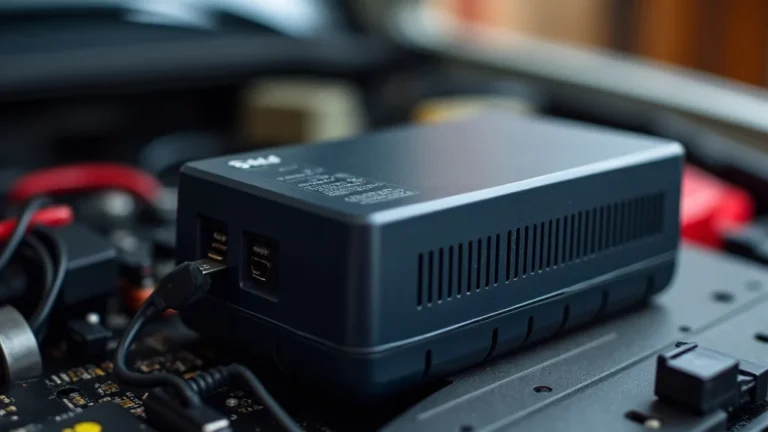
Different types of battery chargers use varied technologies to charge batteries. This includes the voltage and current delivery to the battery. Standard chargers might use a constant-voltage, constant-current, or even pulsed charging methods. “Smart” chargers analyze the battery’s condition and adjust the charging parameters. They do this to deliver the optimal charge without overcharging or damaging the battery. Using the right charger is crucial for AGM batteries. The correct charger maintains battery health and maximizes its lifespan.
- Standard Chargers: Basic chargers that supply a fixed voltage and current. They aren’t ideal for AGM batteries.
- Smart Chargers: They can detect the battery’s condition and adjust the charging parameters. These are better choices.
- Float Chargers: These maintain a steady charge and keep the battery topped off. Useful for long-term storage.
- Desulfation Chargers: They can help remove sulfate buildup on battery plates. This is usually more advanced.
- Multi-Stage Chargers: They use multiple charging stages. This can include bulk, absorption, and float stages.
Choosing the correct charger type is important. Standard chargers might not provide the right voltage or charging profile needed for AGM batteries. This can lead to undercharging or overcharging, both of which affect battery performance and life. Smart chargers offer the best approach. They monitor the battery and adjust the charge process to maintain the battery’s health. The charging technology used ensures your battery operates correctly.
The Importance of a Proper Charging Profile
The charging profile is the specific way a charger delivers power to a battery. A proper profile is key to ensuring that an AGM battery receives the correct charge without damage. This profile typically involves multiple stages. These stages include a bulk charge, absorption phase, and a float stage. Each stage has a set voltage and current. These are specifically for the battery’s chemistry and construction. Using the right charging profile is vital. This maximizes battery performance and lifespan.
- Bulk Charge: This stage delivers maximum current to charge the battery. This refills a significant portion of the battery’s capacity.
- Absorption Phase: The charger maintains a constant voltage. This allows the battery to absorb the remaining charge.
- Float Stage: This stage provides a low-current charge. It keeps the battery fully charged.
- Voltage Regulation: Maintaining the correct voltage is vital. It avoids overcharging and damage.
- Temperature Compensation: Some chargers adjust the charging voltage based on temperature.
Adhering to the correct charging profile ensures efficient and safe charging. It prevents overcharging, which can damage the battery. It also ensures the battery is fully charged. This enhances its performance and extends its service life. Using a charger with the proper profile is the best way to care for an AGM battery. It keeps it running effectively and reliably.
How to Select the Correct Charger for Your AGM Battery
Selecting the right charger is vital for ensuring your AGM battery performs correctly and lasts as long as possible. The type of charger, its specifications, and safety features are all important. Choosing the right charger is like picking the right tool for a job. It makes the charging process effective and protects the battery from potential damage. Taking the time to select the correct charger is an investment in your battery’s long-term health and performance.
Key Specifications to Consider
When choosing a charger, several specifications should be taken into account. Understanding these specifications makes sure the charger is suited for your AGM battery. The voltage, current, and charge profile are all key. Matching these specifications is critical for safe and effective charging. Knowing these details helps you choose the charger that is best for your specific application and battery type.
- Voltage: Make sure the charger is designed for 12V or 24V AGM batteries.
- Current Output: Choose a charger with the right current for your battery’s capacity.
- Charging Profile: Look for a charger with an AGM-specific charging profile. This is very important!
- Safety Features: Consider chargers with overcharge protection and reverse polarity protection.
- Temperature Compensation: Chargers that adjust to temperature fluctuations can be very beneficial.
Selecting a charger that matches the AGM battery’s specifications is important for its health. A charger with the correct voltage and current prevents damage. Also, ensure the charger has a suitable charging profile. This prevents overcharging or undercharging, which can reduce the battery’s lifespan and performance. The inclusion of safety features provides protection against potential hazards. Considering these specifications will lead you to a charger that effectively cares for your battery.
Charger Features for AGM Batteries
Some chargers have specific features designed to optimize the charging process for AGM batteries. These can help increase battery life and efficiency. These features make it easier to maintain and care for your battery. They can also help the charger adapt to different conditions and situations. These features can provide better performance and longer life for your AGM battery.
- AGM Charge Mode: A specific charging profile, optimized for AGM batteries.
- Desulfation Mode: This helps remove sulfate buildup on battery plates.
- Automatic Voltage Detection: Detects and sets the correct charging voltage automatically.
- Temperature Compensation: Adjusts charging voltage based on temperature.
- LED Indicators: Easy-to-read indicators for charging status and errors.
These features improve the charging process and increase the lifespan of AGM batteries. An AGM charge mode ensures the battery is charged correctly. Desulfation helps maintain battery performance. Automatic voltage detection makes charging easier. Temperature compensation adjusts to environmental conditions. LED indicators make the charging process simpler and easier to monitor. When looking for a charger for your AGM battery, look for these features.
Charging Your AGM Battery: Step-by-Step
Charging your AGM battery requires a few simple steps. The process makes sure the battery gets the right charge without any damage. This procedure helps you use your AGM battery with peace of mind. Following these steps helps you maintain the battery’s health and performance. Remember to always follow safety precautions to protect yourself and your equipment. The process, while simple, is crucial for preserving your battery.
Preparation and Safety Measures
Before beginning the charging process, take some steps to ensure safety. This includes inspecting the battery and charger. It is important to work in a well-ventilated area and avoid sparks or flames. Safety is key when working with batteries. These measures protect you and your equipment. Following these steps ensures a safe charging experience. It keeps you and your battery safe from harm.
- Inspect the Battery: Check for any signs of damage. Make sure the battery is clean.
- Ventilation: Charge in a well-ventilated area. Batteries can release gases.
- Protective Gear: Use eye protection and gloves.
- Charger Compatibility: Ensure the charger is made for AGM batteries.
- Connection Order: Connect the charger to the battery correctly. Positive to positive, negative to negative.
Safety is key when handling and charging batteries. Inspecting the battery before charging helps detect any potential issues. Working in a well-ventilated area prevents the build-up of harmful gases. Using eye protection and gloves shields you from acid or other potential hazards. Double-check charger compatibility to prevent any damage to the battery. Always use the right connection order. This prevents shorts and other issues. Taking these precautions protects your health and your equipment.
The Charging Process Explained
The charging process is pretty straightforward once you’ve prepared. It involves connecting the charger to the battery and letting the charger do its work. The charger will automatically manage the charging cycle. It will go through the different stages needed for an AGM battery. Monitoring the charging process is important. It ensures everything is running smoothly. This ensures the best performance and maximizes the battery’s life.
- Connect the Charger: Attach the positive clamp (usually red) to the positive terminal of the battery. Attach the negative clamp (usually black) to the negative terminal. Make sure the clamps are making good contact.
- Turn On the Charger: Plug in the charger and turn it on. Follow the manufacturer’s instructions.
- Monitor the Charging: Check the charging status. Most chargers have LED indicators that show the charging stage.
- Wait for Completion: The charger will automatically stop when the battery is fully charged.
- Disconnect the Charger: Unplug the charger from the outlet. Then disconnect the clamps from the battery terminals.
Following the correct steps is crucial. Connecting the charger correctly ensures that the battery gets charged properly. Turning on the charger begins the charging process. Monitoring the charging progress helps you see how things are going. The charger will automatically stop when the battery is ready. Disconnecting the charger safely protects both the charger and the battery. This straightforward process will keep your AGM battery operating effectively.
Troubleshooting Common Issues
Even with careful charging practices, you might run into some problems. Understanding how to handle some common issues will help you resolve them quickly. Addressing issues is important. This ensures your battery continues to work correctly. Troubleshooting also helps you learn about your battery and charger. This keeps them working as designed. Knowing how to handle these common problems will help you maintain your battery in top shape.
Common Problems and Solutions
You may encounter some problems while charging your AGM battery. Being aware of these issues allows you to take proper action. These problems can range from the battery not charging to the charger not working. Knowing how to troubleshoot and resolve these issues will help you keep your battery working effectively. Here are some of the most common issues and how to resolve them.
- Battery Not Charging:
- Possible Causes: Faulty charger, bad battery connection, or battery is deeply discharged.
- Solutions: Check the connections. Test the charger. Try a charger designed for deeply discharged batteries.
- Charger Not Working:
- Possible Causes: Power outlet problem, blown fuse in the charger.
- Solutions: Test the outlet. Replace the fuse. Check the charger’s power cord.
- Overcharging:
- Possible Causes: Wrong charger type, charger malfunction.
- Solutions: Use the right charger with the correct charging profile. Check the charger for damage.
- Battery Gets Hot:
- Possible Causes: Overcharging, internal battery issues.
- Solutions: Stop charging. Check the charger. Take the battery to a professional.
Resolving these common issues requires careful inspection and some troubleshooting steps. If the battery is not charging, check all connections and the charger itself. If the charger does not work, start by checking the power source and the charger’s fuse. Prevent overcharging by using the right charger and checking the charging profile. If the battery gets hot, stop charging immediately, as this could indicate internal problems. Quick response will protect the battery. Using these suggestions will address these common issues. This keeps your AGM battery operating at its best.
When to Seek Professional Help
Though some battery issues can be fixed at home, some problems might require the aid of a professional. If you encounter any complicated problems, it’s best to seek an expert. Experts have specialized tools and knowledge. They can safely diagnose and fix more complex issues. Knowing when to get professional help is important. It protects your battery and makes sure that it’s taken care of appropriately. The goal is the health of your equipment.
- Battery Damage: If the battery is cracked or leaking, seek professional help.
- Charging Issues: If you are unsure about the charging process or if it isn’t working, consult a professional.
- Internal Problems: If the battery is hot or producing unusual smells, have a professional check it.
- Complex Electrical Issues: If there are complex issues with the vehicle’s electrical system, consult a specialist.
Seeking professional assistance when facing these problems helps to ensure the issue is resolved safely. Professional technicians have the experience to address battery damage and safety concerns, preventing any more damage. If you’re having trouble with the charging process or see complex electrical problems, an expert can perform a precise diagnosis and fix the issue. Their knowledge helps to secure the battery’s longevity and performance. Their expert help offers long-term reliability for your battery.
Frequently Asked Questions
Question: Can I use a regular charger on my AGM battery?
Answer: It’s generally not recommended. Most regular chargers don’t have the correct charging profile for AGM batteries. This can lead to undercharging or overcharging, and reduce your battery’s lifespan.
Question: What happens if I overcharge an AGM battery?
Answer: Overcharging can cause the battery to overheat, potentially leading to damage. It can reduce the battery’s lifespan and, in extreme cases, be dangerous.
Question: How long should I charge an AGM battery?
Answer: It depends on the charger and the battery’s condition. Always follow the charger’s instructions. Many smart chargers will automatically stop when the battery is fully charged. Check the manual.
Question: Can I leave my AGM battery on a charger all the time?
Answer: If you have a smart charger with a float mode, it’s often fine to leave it connected. It will maintain the charge. For standard chargers, it’s not a good idea as it could overcharge the battery.
Question: How do I know if my AGM battery is bad?
Answer: Look for signs of swelling, leaking, or poor performance. If your battery isn’t holding a charge, it may be time for a replacement. Have a professional test it.
Final Thoughts
Taking care of your AGM battery might seem complex. However, understanding do agm batteries need special charger, and how to charge them correctly, isn’t difficult at all. You now know that using the correct charger and charging profile is key. It ensures your battery lasts longer and performs well. Remember to always follow safety precautions. Choosing the right charger and using it properly will provide long-term benefits. Proper charging will keep your devices working. Keep an eye out for any problems and address them promptly. With these steps, you can confidently charge your AGM battery. You are now ready to make the most of your AGM battery!