How To Fix A Car Battery That Keeps Dying In Cold Weather
Featured image for car battery keeps dying in cold weather
Image source: pngimg.com
Cold weather often exposes existing weaknesses in your car battery, rather than being the sole cause of it dying. Addressing this involves thoroughly testing battery health, checking for parasitic drains, and ensuring your charging system functions correctly. Regular maintenance, proper winter preparation, and timely replacement are crucial for reliable cold-weather starts.
Picture this: It’s a bitter cold morning, frost coats everything, and you’re already running late. You hop into your car, turn the key, and… nothing. Maybe a slow, agonizing groan from the engine, or just a click. Your car battery keeps dying in cold weather, and you’re left stranded, frustrated, and shivering. Sound familiar?
You’re definitely not alone in this frosty predicament. Cold weather is notoriously tough on car batteries, turning what was a reliable start yesterday into a dead weight today. It’s more than just an inconvenience; it can throw a serious wrench into your day and leave you feeling helpless. But don’t worry, understanding why your car battery keeps dying in cold weather is the first step towards fixing the problem and preventing it from happening again.
In this post, we’ll dive deep into the heart of the issue, exploring the science behind cold weather battery woes, how to diagnose common problems, and most importantly, how to implement practical solutions to keep your car starting strong, no matter how low the temperature drops. Let’s reclaim your mornings and banish those cold-weather battery blues!
Key Takeaways
- Test Battery Health: Regularly check voltage and cold-cranking amps.
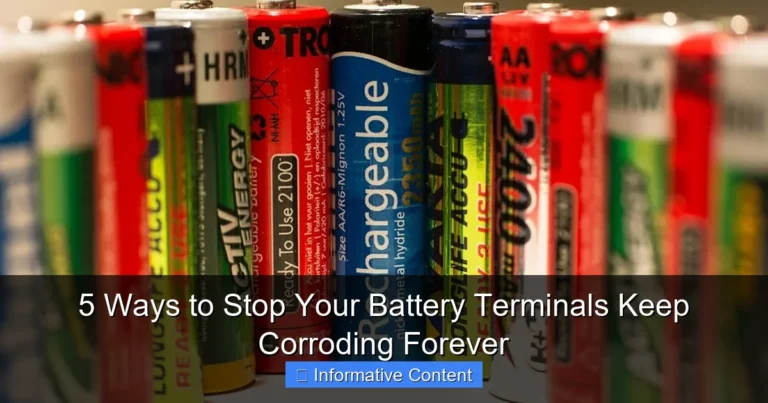
- Clean Battery Terminals: Remove corrosion for a strong electrical connection.
- Use a Trickle Charger: Maintain full charge in consistently cold temperatures.
- Insulate or Park Indoors: Protect battery from extreme cold temperatures.
- Drive Longer Trips: Allow alternator to fully recharge the battery.
- Replace Old Batteries: Batteries over 3-5 years struggle in cold.
📑 Table of Contents
- Why Cold Weather Is a Car Battery’s Arch Nemesis
- Signs Your Battery Is Losing the Cold Weather Battle
- Diagnostic Steps: Pinpointing the Problem
- Practical Solutions to Revive and Prevent a Dead Battery
- Long-Term Maintenance for Cold Weather Battery Health
- When It’s Time to Say Goodbye to Your Old Battery
- Conquering the Cold: Your Battery’s Best Friend
Why Cold Weather Is a Car Battery’s Arch Nemesis
When the mercury plummets, your car battery goes through a difficult transformation. It’s not just “less effective”; it’s literally working against scientific principles. Understanding these challenges is key to realizing why your car battery keeps dying in cold weather.
The Slowdown of Chemical Reactions
Car batteries rely on a chemical reaction between lead plates and sulfuric acid electrolyte to produce electricity. In cold temperatures, these chemical reactions slow down significantly. The electrolyte becomes more viscous, like molasses, making it harder for the chemical process to occur efficiently. This means your battery can’t produce as much power as it normally would.
Increased Resistance from Your Engine
It’s not just the battery struggling; your engine also puts up more of a fight in the cold. Engine oil thickens, making it harder for the starter motor to turn the engine over. This demands significantly more power from the already diminished battery, creating a double whammy that often leads to your car battery keeps dying in cold weather.
Understanding Cold Cranking Amps (CCA)
When buying a battery, you might have noticed a “CCA” rating. This stands for Cold Cranking Amps and indicates the battery’s ability to start an engine in cold temperatures. Specifically, it’s the number of amperes a 12-volt battery can deliver at 0°F (-18°C) for 30 seconds while maintaining at least 7.2 volts. The colder your climate, the higher CCA rating you’ll need, as a low CCA battery will quickly falter if your car battery keeps dying in cold weather.
Signs Your Battery Is Losing the Cold Weather Battle
Your car battery usually gives you subtle hints before it completely gives up the ghost. Learning to recognize these warning signs can save you from being stranded when your car battery keeps dying in cold weather.
Slow Engine Crank
This is probably the most common and obvious symptom. Instead of a quick, confident “vroom,” your engine might crank slowly, sound sluggish, or take several seconds longer than usual to start. It’s a clear indicator that the battery is struggling to deliver the necessary power.
Dim Headlights or Interior Lights
Before you even turn the key, switch on your headlights. If they appear dimmer than usual, or if your interior lights seem weak, it’s a sign of low battery voltage. The electrical system isn’t getting enough juice, which is a precursor to a dead battery, especially when your car battery keeps dying in cold weather.
Clicking Sound, But No Start
If you turn the key and all you hear is a rapid clicking sound, it means your starter solenoid is trying to engage but there isn’t enough power from the battery to actually turn the engine over. This is a definitive sign of a severely discharged battery.
Warning Lights on Your Dashboard
Sometimes, your car’s computer will detect low voltage or a charging system issue and illuminate a battery-shaped warning light on your dashboard. Don’t ignore this; it’s a direct message that your car battery keeps dying in cold weather, or at least has an issue that needs attention.
Diagnostic Steps: Pinpointing the Problem
Before you can fix the issue, you need to know what’s truly causing your car battery keeps dying in cold weather. A few simple diagnostic steps can help you identify if it’s the battery itself, the charging system, or something else entirely.
Visual Inspection of the Battery
Pop the hood and take a good look at your battery. Are the terminals corroded? Corrosion (a fuzzy, white, or greenish substance) can interfere with the electrical connection. Are there any cracks or bulges in the battery casing? This could indicate internal damage or freezing, which means the battery is likely toast.
Voltage Test with a Multimeter
A multimeter is an inexpensive and invaluable tool. With your car off and cooled down, connect the multimeter’s red lead to the positive terminal and the black lead to the negative terminal. A fully charged battery should read between 12.6 to 12.8 volts. Anything below 12.4V suggests a discharged battery, and below 12.0V means it’s pretty much dead. Here’s a quick reference:
| State of Charge | Voltage Reading |
|---|---|
| Fully Charged | 12.6V – 12.8V |
| 75% Charged | 12.4V |
| 50% Charged | 12.2V |
| 25% Charged | 12.0V |
| Discharged/Dead | < 12.0V |
If your car battery keeps dying in cold weather, a voltage test is your first practical step.
Checking Your Alternator and for Parasitic Drains
Your car’s alternator is responsible for charging the battery while the engine is running. If it’s failing, your battery won’t get recharged, leading to repeated deaths. You can test your alternator by checking the voltage with the car running (it should be between 13.8-14.5V). Another common culprit when a car battery keeps dying in cold weather is a “parasitic drain,” which means something is drawing power even when the car is off, like a faulty interior light or an aftermarket accessory. This is a trickier diagnosis, often requiring professional help.
Practical Solutions to Revive and Prevent a Dead Battery
Okay, so your car battery keeps dying in cold weather. What can you actually do about it? Here are some actionable steps to get you going and keep you going.
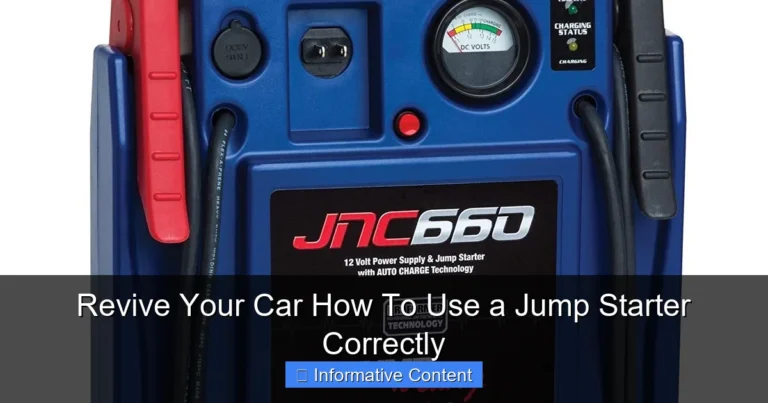
Safely Jump Starting Your Car
If your battery is just discharged, a jump start can get you back on the road. Always follow these steps carefully:
- Park the donor car close enough for the cables to reach, but not touching.
- Turn off both cars.
- Connect one red clamp to the dead battery’s positive terminal.
- Connect the other red clamp to the donor battery’s positive terminal.
- Connect one black clamp to the donor battery’s negative terminal.
- Connect the other black clamp to an unpainted metal surface on the dead car’s engine block (not the battery itself) to create a ground.
- Start the donor car and let it run for a few minutes.
- Try starting the dead car.
- Once started, remove the cables in reverse order.
Using a Battery Charger or Maintainer
A battery charger can fully recharge a discharged battery. For cold weather prevention, a trickle charger or battery maintainer is fantastic. You can plug it in overnight or when your car is parked for extended periods. It delivers a slow, steady charge, ensuring your battery is always topped up and ready to go, especially helpful if your car battery keeps dying in cold weather repeatedly.
Keep Your Car Garaged or Parked Out of the Wind
This might seem obvious, but simply protecting your car from the harshest elements can make a huge difference. A garage, even an unheated one, offers significant insulation compared to parking outside. If a garage isn’t an option, parking on the lee side of a building or using a car cover can help mitigate the direct impact of freezing winds.
Drive Regularly, Even Short Distances
Short trips, especially in the cold, don’t give your alternator enough time to fully recharge the battery after starting. If your car battery keeps dying in cold weather, try to combine errands to make longer drives (at least 20-30 minutes) whenever possible. This allows the alternator to do its job and keep your battery topped up.
Long-Term Maintenance for Cold Weather Battery Health
Preventing your car battery keeps dying in cold weather involves more than just reacting to a dead battery; it requires proactive maintenance.
Clean Battery Terminals Regularly
Corrosion is a battery killer. Periodically disconnect your battery (negative terminal first, then positive) and use a wire brush or a baking soda and water paste to clean away any corrosion on the terminals and cable clamps. Ensure a tight, clean connection when you reconnect them. This simple step can significantly improve power transfer.
Consider a Battery Blanket or Insulator
For those living in extremely cold climates, a battery blanket (an electric heating pad that wraps around your battery) can be a wise investment. Plugged in overnight, it keeps the battery at a warmer temperature, making it much easier for it to deliver power in the morning. Even a non-electric insulating wrap can help retain some warmth.
Regular Professional Battery Checks
Before winter truly sets in, it’s a great idea to have your battery professionally tested. Most auto parts stores and mechanics offer free battery tests that check its overall health, charge, and ability to hold a load. They can tell you if your battery is nearing the end of its life cycle and if it’s contributing to why your car battery keeps dying in cold weather.
Choose the Right Battery for Your Climate
When it’s time for a replacement, don’t just grab the cheapest option. Refer to your car’s manual for the recommended battery size and type. More importantly, consider a battery with a higher CCA rating if you live in a region with harsh winters. This extra cranking power can be the difference between a reliable start and a frustrating dead battery.
When It’s Time to Say Goodbye to Your Old Battery
Sometimes, no matter how much maintenance or charging you do, your car battery keeps dying in cold weather because it has simply reached the end of its useful life. Recognizing when to replace it saves you ongoing headaches and potential safety risks.
Age of the Battery
The average lifespan of a car battery is typically 3-5 years, although this can vary based on climate, driving habits, and maintenance. If your battery is approaching or past this age range, its capacity to hold a charge and deliver power, especially in the cold, will significantly diminish. A 4-year-old battery in a cold climate is a prime candidate for replacement.
Repeated Failures Even After Charging
If you find yourself jump-starting your car frequently, or if the battery dies shortly after being fully charged, it’s a strong indicator that the battery can no longer hold a charge effectively. This is a common issue when your car battery keeps dying in cold weather, signifying internal damage that can’t be repaired.
Physical Damage or Swelling
Any signs of physical damage, such as a bulging battery case, cracks, or excessive corrosion that returns quickly after cleaning, mean the battery is compromised. A bulging case often indicates internal gassing or freezing, making it dangerous and inefficient. Don’t risk it; replace it immediately.
Conquering the Cold: Your Battery’s Best Friend
It’s incredibly frustrating when your car battery keeps dying in cold weather, leaving you in a lurch. But as we’ve explored, you’re not powerless against the chill. By understanding the unique challenges cold weather poses to your battery and taking proactive steps, you can significantly reduce the chances of waking up to a dead car.
From simple visual checks and voltage tests to investing in a battery maintainer or a higher CCA battery, you have a toolkit of solutions at your disposal. Don’t let the fear of a dead battery dictate your winter plans. Be vigilant, maintain your battery, and give it the care it needs to perform optimally. With a little attention, you can keep your car starting reliably, no matter how low the temperature drops.
Frequently Asked Questions
Why does my car battery keep dying in cold weather specifically?
Cold temperatures significantly reduce a battery’s cranking power and its ability to hold a charge. The chemical reactions inside the battery slow down, making it harder to deliver the necessary current to start your engine, especially when the engine oil is also thicker.
How can I prevent my car battery from dying in cold weather?
Regularly check your battery’s charge level and terminals for corrosion. Consider using a battery tender if your car sits for extended periods, and ensure your battery is fully charged before cold snaps hit.
What are the signs that my car battery is about to fail in the cold?
Common signs include slow engine cranking, dim headlights when the engine is off, and the battery warning light illuminating on your dashboard. If your car struggles more than usual to start on cold mornings, it’s a strong indicator of a failing battery.
Should I replace my car battery if it consistently struggles to start in cold weather?
Yes, if your car battery keeps dying in cold weather despite being charged, it’s likely time for a replacement. A battery typically lasts 3-5 years, and its capacity significantly diminishes in extreme cold when it ages.
Are there specific types of car batteries better suited for cold climates?
Look for batteries with a high Cold Cranking Amps (CCA) rating, as this indicates how much current the battery can deliver at 0°F (-18°C). AGM (Absorbent Glass Mat) batteries are also a good option for cold weather due to their robust construction and better performance in extreme temperatures.
How often should I test my car battery’s health, especially before winter?
It’s wise to have your car battery tested by a professional at least once a year, ideally before the onset of cold weather. This check can identify weakening performance and potential issues before they leave you stranded.