Car Battery Drains After Jump Start Heres Why What To Do
There’s a particular kind of sinking feeling when you turn the key after a successful jump start, only to find your car battery drains after jump start, leaving you stranded once more. That initial surge of relief, the gratitude towards the kind stranger or helpful friend, quickly turns into frustration and confusion. You did the right thing, you got a boost, so why isn’t your car holding a charge? It’s a common scenario, and frankly, a bit of a headache.
You’re not alone in wondering why this happens. Many drivers assume a jump start is a magic bullet, but it’s really just a temporary band-aid. If your car battery drains after jump start, it’s a clear signal that there’s an underlying problem that needs your attention. Ignoring it will only lead to more dead batteries and more stressful moments.
So, what’s going on under the hood? Why does your car battery drain after jump start, and more importantly, what can you do about it? Let’s dive into the common culprits and practical steps you can take to diagnose and fix the issue, saving you time, money, and future roadside woes.
Key Takeaways
- Jump starting is a temporary fix. Diagnose the underlying cause immediately.
- Test your battery’s health. A dead battery won’t hold a charge.
- Inspect the alternator. It recharges your battery; ensure it’s working.
- Check for parasitic drains. Unwanted power draw kills healthy batteries.
- Seek professional diagnosis. Complex issues require expert mechanical inspection.
- Consider battery age. Old batteries often fail; replacement is common.
📑 Table of Contents
Your Battery Might Be The Real Culprit
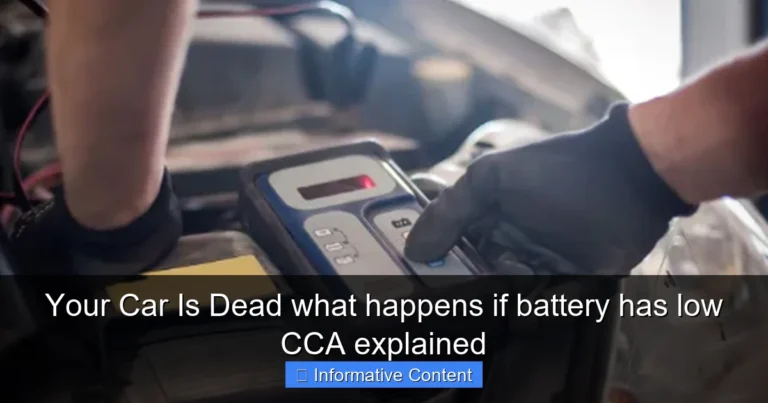
Often, the simplest answer is the correct one. If your car battery drains after jump start, the most straightforward explanation is that the battery itself is at the end of its life or has suffered internal damage. A jump start provides enough power to get your engine running, but it won’t fix a fundamentally compromised battery.
Old Age and Wear
Car batteries don’t last forever. On average, they have a lifespan of about 3-5 years, though this can vary depending on climate and usage. Over time, the internal components degrade. The chemical reactions become less efficient, and the battery loses its ability to hold a charge effectively. If your battery is older than four years, it’s a prime suspect if your car battery drains after jump start.
Tip: Check your battery for a manufacturing date sticker. It’s usually a code with a letter for the month (A=Jan, B=Feb, etc.) and a digit for the year (e.g., 9 for 2019, 0 for 2020). If it’s pushing five years, replacement is likely due.
Internal Damage or Short Circuits
Sometimes, even a relatively new battery can fail. Physical damage from vibrations, extreme temperature fluctuations, or overcharging can cause internal plates to warp or short circuit. This creates an internal resistance that prevents the battery from accepting and retaining a charge. A jump start might get it going, but it won’t hold the power, and your car battery drains after jump start almost immediately.
Signs to look for: A swollen battery case, a distinct rotten egg smell (sulfuric acid gas), or visible leaks are all signs of internal damage. If you see any of these, do not touch the battery without gloves and have it professionally inspected and replaced.
The Alternator: Your Car’s Charging System Is Failing
While the battery gets the glory for starting your car, the alternator is the unsung hero that keeps it running and ensures your battery stays charged. If your car battery drains after jump start, a failing alternator is a very common reason why.
How the Alternator Works
Once your engine is running, the alternator kicks in. It’s belt-driven and generates electricity to power your car’s electrical systems (lights, radio, wipers, etc.) and, crucially, to recharge your battery. Think of it as a small power plant for your car. If this power plant isn’t doing its job, your battery will slowly but surely run out of juice.
Signs of a Failing Alternator
A faulty alternator means your battery isn’t being recharged while you drive. This is a classic reason why your car battery drains after jump start. Here are some clues:
- Warning Light: Your dashboard might display a battery-shaped warning light or a “GEN” (generator) light.
- Dimming Lights: Headlights that dim at lower RPMs or interior lights that flicker can indicate insufficient power from the alternator.
- Electrical Malfunctions: Power windows operating slowly, stereo cutting out, or other electrical accessories acting strangely.
- Strange Noises: A grinding or whining noise from under the hood could mean the alternator’s bearings are failing.
- Frequent Stalling: Without enough power, your engine might eventually stall, as ignition and fuel systems rely on electricity.
Tip: After a jump start, if your car immediately dies again or the battery warning light stays on, it’s a strong indication that the alternator isn’t charging. You can also get a simple voltage test done at most auto parts stores to confirm an alternator issue.
Silent Killers: Parasitic Drains
Sometimes, the problem isn’t that your car isn’t charging, but that something is constantly drawing power, even when the car is off. These are known as “parasitic drains,” and they are notorious for making your car battery drain after jump start because they slowly bleed power overnight or during periods of inactivity.
What is a Parasitic Drain?
A parasitic drain is any electrical component that continues to draw power from your battery even after the engine is turned off and the car is seemingly “asleep.” While a small amount of draw is normal for things like the clock, radio presets, or alarm system, an excessive drain can completely deplete your battery.
Common Sources of Drains
Identifying a parasitic drain can be tricky, as there are many potential culprits:
- Faulty Aftermarket Accessories: Anything you’ve added to your car – an aftermarket stereo, alarm system, remote starter, or dashcam – can sometimes be wired incorrectly or develop a fault, causing a constant drain.
- Stuck Relays or Switches: A relay that doesn’t switch off properly (e.g., for headlights, interior lights, or the fuel pump) can keep drawing power.
- Glove Box or Trunk Light: Believe it or not, a light that stays on because of a faulty switch can drain your battery surprisingly quickly.
- Faulty Electrical Modules: Modern cars have many computer modules (for climate control, infotainment, etc.). A module that doesn’t “go to sleep” correctly can be a significant drain.
- Corroded Wiring: Corrosion can create alternative pathways for electricity to flow, essentially causing a short circuit that drains the battery.
Tip: If your car battery drains after jump start overnight, try disconnecting aftermarket accessories one by one to see if the problem stops. A multimeter can be used to test for parasitic drains, but this often requires a bit of electrical know-how and might be best left to a professional.
Loose or Corroded Connections: The Overlooked Essentials
Sometimes, the problem isn’t with the battery itself, the alternator, or a mysterious drain, but simply with poor electrical contact. Loose or corroded battery terminals can severely impede the flow of electricity, preventing your battery from charging properly or delivering its full power.
The Importance of Clean Connections
Your battery terminals and cable clamps need to have a strong, clean connection to ensure efficient transfer of electricity. If these connections are loose, power can’t flow effectively to start the car, and more importantly, power from the alternator can’t properly reach and recharge the battery. This means your car battery drains after jump start because it’s never actually getting a full recharge.
How Corrosion Affects Power Flow
Corrosion, which often looks like a fuzzy blue-green or white substance around the battery terminals, acts as an insulator. It creates resistance, making it harder for electricity to pass through. Even if your battery and alternator are perfectly fine, corrosion can mimic a dead battery by preventing the system from working correctly. It essentially chokes off the electrical current.
What to do:
- Inspect: Carefully check both battery terminals and the cable clamps connected to them. Look for any looseness when you try to wiggle them.
- Clean: If you see corrosion, you’ll need to clean it. Disconnect the negative terminal first, then the positive. Use a battery terminal brush and a mixture of baking soda and water to clean off the corrosion. Rinse with water and dry thoroughly.
- Tighten: Ensure the clamps are tightened securely after cleaning. They should not wiggle at all.
- Protect: Apply anti-corrosion spray or grease to the terminals to prevent future buildup.
Safety Note: Always disconnect the negative (-) terminal first and reconnect it last to avoid accidental short circuits.
Driving Habits and Environmental Factors Matter
While often overlooked, how you drive and where you drive can significantly impact your battery’s health and ability to hold a charge. If your car battery drains after jump start repeatedly, it might not be a component failure but rather a consequence of your routine.
Short Trips and Frequent Starts
Your car battery needs time to recharge after each start. Starting the engine draws a significant amount of power. If your typical commute consists of very short drives (e.g., less than 20-30 minutes), your alternator might not have enough time to fully replenish the energy used during startup. Doing this repeatedly can lead to a chronically undercharged battery, making it seem like your car battery drains after jump start when it’s just consistently low on charge.
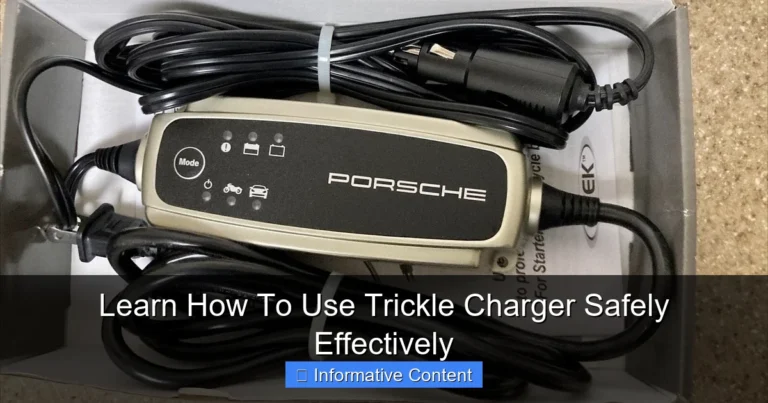
Tip: Try to take a longer drive (at least 30 minutes at highway speeds) once a week to give your battery a full charge. If short trips are unavoidable, consider investing in a trickle charger to maintain your battery’s charge overnight.
Extreme Temperatures
Both extremely hot and extremely cold weather can shorten your battery’s lifespan and affect its performance. Heat accelerates the chemical breakdown inside the battery, leading to premature failure. Cold weather, on the other hand, reduces the battery’s cranking power and makes the engine oil thicker, requiring more effort (and thus more battery power) to start the car. A weakened battery exposed to extreme temperatures is much more likely to fail, leading to scenarios where your car battery drains after jump start.
Tip: In cold climates, a battery blanket can help maintain battery temperature. In hot climates, parking in the shade can help prolong battery life.
What To Do When Your Car Battery Drains After Jump Start
So, you’ve gotten a jump, driven for a bit, and yet your car battery drains after jump start again. It’s time to take action. Here’s a step-by-step approach to diagnose and resolve the issue.
Immediate Checks You Can Do
Before calling for a tow, perform these simple checks:
- Check Battery Terminals: Are they clean, tight, and free of corrosion? This is the easiest fix.
- Listen for Sounds: After a jump, if you hear a whining noise (alternator) or smell burning rubber (alternator belt), it points to an alternator issue.
- Watch Dashboard Lights: Does the battery warning light stay on after starting? That’s a strong indicator of a charging problem, likely the alternator.
- Test Headlights: With the engine running (if it stays on), turn on your headlights. If they’re dim, or brighten as you rev the engine, your alternator might be failing.
When to Call a Professional
While some diagnostics are DIY-friendly, certain issues require expert hands and specialized tools. You should seek professional help if:
- Your battery and alternator test as “good,” yet your car battery drains after jump start repeatedly. This points to a parasitic drain that requires a methodical diagnosis by a technician.
- You notice any swelling, leaking, or severe corrosion on your battery.
- You’re uncomfortable performing electrical tests (like using a multimeter for parasitic drains).
- The issue persists after you’ve checked the obvious culprits.
A reputable mechanic can perform thorough battery and alternator tests, as well as a parasitic draw test, to pinpoint the exact cause of your battery woes.
Preventative Measures
Once you’ve fixed the immediate problem, consider these steps to prevent your car battery draining after jump start in the future:
- Regular Battery Testing: Have your battery tested annually, especially before winter. Many auto parts stores offer this service for free.
- Maintain Clean Terminals: Periodically check and clean your battery terminals to prevent corrosion buildup.
- Drive Regularly: Ensure your car gets driven for at least 30 minutes regularly to allow the battery to fully recharge.
- Use a Trickle Charger: If your car sits for long periods or you make frequent short trips, a trickle charger can keep your battery topped off.
- Limit Accessory Use: Avoid using excessive electrical accessories when the engine is off or idling for extended periods.
- Be Mindful of Aftermarket Add-ons: Ensure any new electrical accessories are installed correctly and don’t create parasitic drains.
Dealing with a car battery that drains after jump start can be frustrating, but by understanding the common causes – from an aging battery and failing alternator to hidden parasitic drains and simple connection issues – you’re better equipped to tackle the problem. Remember, a jump start is a temporary fix; addressing the root cause is key to reliable driving. Whether it’s a DIY fix or a trip to your trusted mechanic, getting to the bottom of why your car battery drains after jump start will save you from future headaches and ensure you stay safely on the road.
Frequently Asked Questions
Why does my car battery keep draining after a jump start?
A jump start is a temporary fix, not a permanent solution for a dead battery. If your car battery drains again soon after, it likely indicates an underlying problem such as a failing battery, a faulty alternator, or a parasitic draw. The jump start merely provided enough power to get the engine running, but it didn’t address the root cause of the power loss.
Could a faulty alternator be why my car battery drains after a jump start?
Yes, absolutely. A common reason for a car battery draining quickly after a jump start is a failing alternator, which is responsible for charging the battery while the engine runs. If the alternator isn’t generating enough power, your battery won’t recharge, and it will eventually die again once the initial jump charge is depleted.
Is my car battery just bad if it drains after a jump start?
Often, yes. An old or defective car battery that can no longer hold a charge is a primary reason for repeated draining, even after a jump start. If your battery is more than 3-5 years old, its internal components may be degraded, preventing it from storing the necessary power to start your vehicle or keep it running.
What should I do immediately after a jump start to prevent my car battery from draining again?
After a successful jump start, drive your car for at least 20-30 minutes, preferably at highway speeds, to give the alternator sufficient time to recharge the battery. Avoid turning off your engine or using high-drain accessories like the radio, AC, or headlights during this period, as they can hinder the recharging process.
How can I tell if my car battery drains after a jump start due to a parasitic draw?
A parasitic draw occurs when electrical components continue to consume power even when the car is turned off, leading to your car battery draining. You can test for this by using a multimeter to measure current draw on the battery when the car is off, isolating circuits until the draw drops to an acceptable level. This often requires professional diagnosis to pinpoint the specific culprit.
When should I replace my car battery if it keeps draining after a jump start?
If your car battery consistently drains shortly after a jump start, especially if it’s several years old, it’s a strong indicator that replacement is necessary. Have the battery tested at an auto parts store; if it fails a load test, installing a new battery is the most reliable solution to prevent further issues.