Discover What Causes Battery Corrosion and How to Stop It
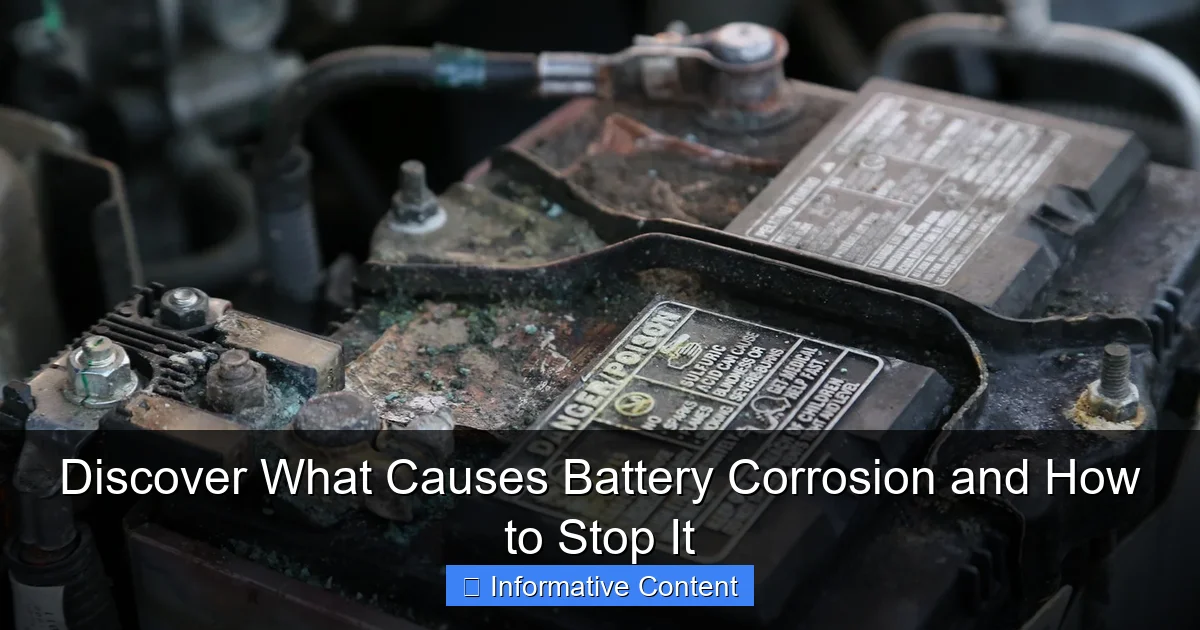
Featured image for what causes battery corrosion
Image source: static2.3birdsmarketing.com
Battery corrosion primarily originates from a chemical reaction, often triggered by the release of hydrogen gas during the battery’s charging and discharging cycles, particularly during overcharging. This gas reacts with the terminals and surrounding metals, forming an electrically insulating and damaging buildup that hinders performance. To prevent this issue, it’s crucial to maintain proper charging, regularly clean terminals with a baking soda solution, and apply protective dielectric grease.
Ever reached for your TV remote, only to find it unresponsive? Or perhaps you’ve popped the hood of your car and been greeted by a fuzzy, crusty growth on the battery terminals? If so, you’ve encountered a common, yet often misunderstood, adversary: battery corrosion. It’s more than just an ugly mess; it can seriously impact your devices’ performance and even shorten their lifespan. But don’t worry, you’re not alone, and understanding it is the first step to beating it!
I remember the first time I saw it on my old car battery – a weird, white, powdery substance. I honestly thought it was just dirt or maybe some kind of mold. Turns out, it was a clear sign of an underlying issue. Just like a little cough can signal a bigger cold, that crusty stuff is telling us something important about our batteries. It’s a chemical reaction, a silent saboteur working against your electronics.
So, what exactly is this mysterious phenomenon, and more importantly, how can we prevent it from wreaking havoc on our gadgets and vehicles? Let’s dive deep into the world of battery corrosion, uncover its causes, and arm ourselves with the knowledge to keep our batteries clean, efficient, and long-lasting. You might be surprised at how simple some of the solutions are!
Key Takeaways
- Identify Leaks: Sulfuric acid leakage from batteries primarily causes terminal corrosion.
- Inspect Regularly: Routinely check battery terminals and cables for early corrosion signs.
- Clean Safely: Neutralize acid corrosion with a baking soda and water paste.
- Protect Terminals: Apply dielectric grease or anti-corrosion washers to prevent buildup.
- Ensure Tightness: Secure all terminal connections to prevent arcing and looseness.
- Wear PPE: Always use gloves and eye protection when handling corroded batteries.
📑 Table of Contents
The Basics: What is Battery Corrosion, Anyway?
At its heart, battery corrosion is a chemical reaction that occurs on the outside of your battery, usually around the terminals or contact points. It’s not just “dirty.” It’s a breakdown of materials, often involving escaped battery fluid or gases reacting with the metal terminals and the surrounding air. This reaction creates a flaky, powdery, or crystalline substance that can range in color.
Different Types of Corrosion and What They Look Like
- White, Fluffy Corrosion: This is the most common type you’ll see on household alkaline batteries (like AA, AAA, C, D cells) that have leaked. It’s usually potassium carbonate, a harmless but conductive salt. You’ll also see white, sometimes greenish or bluish, crust on the positive terminal of a lead-acid car battery. This is often lead sulfate, an indication of a problem.
- Blue-Green Corrosion: On car batteries, if you see blue-green fuzz, especially on the negative terminal, it’s typically copper sulfate. This forms when the copper in the terminal clamps reacts with sulfuric acid (from the battery) and moisture.
- Reddish-Brown Corrosion: Less common, but sometimes observed on car battery clamps, this can be iron oxide, or rust, forming on steel components that are part of the terminal assembly.
No matter the color, the result is the same: poor electrical conductivity. This means your battery can’t deliver power efficiently, leading to frustrating performance issues.
Culprit #1: Acid Leaks and Venting
One of the primary causes of battery corrosion, especially in lead-acid batteries (like car batteries), is the escape of electrolyte (acid) or acidic gases. Batteries aren’t perfectly sealed units; they often have small vents to release pressure. When things go wrong, these vents can become pathways for corrosive substances.
Overcharging Woes
Think about a car battery. If your car’s charging system (alternator and voltage regulator) isn’t working correctly, it might “overcharge” the battery. This means it’s pushing too much electrical current into it. When this happens, the electrolyte inside can literally start to “boil.” This boiling produces excessive hydrogen and oxygen gases, which escape through the battery vents. As these gases exit, they carry tiny droplets of sulfuric acid with them. These acid droplets land on the terminals and surrounding metal, initiating the corrosion process.
Tip: If you suspect your car battery is consistently corroded, have your car’s charging system checked by a mechanic. It could save you from repeatedly cleaning the terminals or, worse, needing a new battery prematurely.
Physical Damage and Cracks
Sometimes, the cause is simpler: physical damage. Dropping a device with batteries inside, or even just general wear and tear, can lead to tiny cracks in the battery casing. These cracks, even hairline ones, can allow the internal electrolyte to seep out. Once this corrosive liquid hits the metal terminals and is exposed to air, the chemical reaction begins, forming that tell-tale crusty growth.
Example: I once had a flashlight that fell off a shelf, and soon after, I noticed white powder around the ends of the AA batteries inside. That was a clear case of a physical impact leading to a leak and subsequent battery corrosion.
Culprit #2: The Electrochemical Reaction Itself
Even without obvious leaks, batteries are inherently chemical power sources, and the very act of generating electricity can contribute to corrosion. This is where the magic (and sometimes mess) of electrochemistry comes in.
Dissimilar Metals at Play
Battery terminals are usually made of lead or a lead alloy, while the clamps or contacts that connect to them are often made of different metals, like copper (in car battery clamps) or various steel alloys (in device battery contacts). When two different metals are in contact, especially in the presence of an electrolyte (like battery acid or even just atmospheric moisture acting as an electrolyte), an electrochemical reaction can occur. This reaction essentially creates a tiny, unwanted battery on the outside of your actual battery, leading to the breakdown and buildup we call battery corrosion.
Think of it like a microscopic rust experiment happening right on your battery terminals. Moisture in the air, combined with tiny amounts of gas or fluid escaping the battery, acts as the bridge for this reaction between the dissimilar metals.
Hydrogen Gas and Sulfation
All lead-acid batteries release small amounts of hydrogen gas as a normal part of their operation, especially during charging and discharging cycles. This gas, when combined with oxygen and moisture in the air, can react with the lead terminals. On the positive terminal, this can lead to the formation of lead sulfate, which is the white, powdery corrosion. While some sulfation is normal inside the battery, its appearance outside on the terminals is usually a sign of an issue, often related to overcharging or simply the natural process of gassing interacting with the environment.
Culprit #3: Environmental Factors and Storage
The environment where your batteries live also plays a significant role in encouraging or deterring battery corrosion. It’s not just about what the battery does, but also where it does it.
Humidity and Temperature Swings
Moisture is a huge accelerator for almost all types of corrosion. High humidity in the air provides the necessary water molecules to help those chemical reactions on your terminals really get going. If you live in a particularly damp climate, or store your batteries in a humid garage or basement, you might notice battery corrosion appearing more quickly.
Extreme temperatures, both hot and cold, can also contribute. Very hot temperatures can cause the electrolyte to evaporate faster, potentially leading to increased gassing and acid mist. Cold temperatures can reduce the battery’s efficiency and make it work harder, potentially stressing the battery and contributing to eventual leaks or venting issues.
Poor Ventilation
In environments where batteries are enclosed or poorly ventilated, the small amounts of gases that naturally vent from lead-acid batteries can accumulate. This concentrated acidic atmosphere then has more opportunity to react with the terminals and other metal components, accelerating the corrosion process. This is why it’s important to store car batteries in well-ventilated areas, and even small devices benefit from being stored where air can circulate.
How to Spot Battery Corrosion (and Why It Matters)
Seeing that crusty stuff is one thing, but understanding its implications is another. It’s not just an aesthetic problem; it’s a functional one.
Visual Cues
You already know what to look for: the fluffy white powder on alkaline batteries, or the white, blue-green, or even reddish-brown deposits on car battery terminals. Often, it starts subtly and grows over time. On car batteries, you might even see it creeping up the cables from the terminals.
Performance Issues
Why does it matter? Because battery corrosion acts like an insulator. It creates a barrier between the battery terminal and the electrical contact, making it harder for electricity to flow. This means:
- Slow or No Start: For car batteries, corrosion on the terminals can prevent enough current from reaching the starter motor, leading to a slow crank or the engine not starting at all.
- Dim Lights: In vehicles, compromised electrical flow can lead to dimmer headlights or interior lights.
- Device Malfunction: For household devices, corrosion on the battery contacts can cause intermittent power, reduced battery life, or the device simply not turning on.
- Damage to Components: If left unchecked, severe battery corrosion can spread and damage the battery tray, cables, or even the components of your device.
It’s essentially a choke point in your electrical system, hindering the very power flow the battery is designed to provide.
Preventing and Stopping Battery Corrosion in its Tracks
The good news is that preventing and cleaning battery corrosion is usually straightforward. A little proactive maintenance can go a long way!
Regular Cleaning is Key
If you spot battery corrosion, don’t panic. You can clean it yourself, but always prioritize safety.
- For Lead-Acid Batteries (Car Batteries):
- Safety First: Wear gloves and eye protection. Disconnect the negative terminal first, then the positive.
- The Baking Soda Trick: Make a paste with baking soda and a little water. Apply it to the corroded areas with an old toothbrush. The baking soda will neutralize the acid, and you’ll often see it fizzing.
- Rinse and Dry: Rinse the area with clean water (carefully, don’t flood the battery) and thoroughly dry everything before reconnecting the terminals (positive first, then negative). A wire brush designed for battery terminals can help remove stubborn buildup.
- For Alkaline Batteries (Household Devices):
- Safety First: Wear gloves. Remove the leaking batteries.
- Vinegar or Lemon Juice: Dip a cotton swab or old toothbrush in a small amount of white vinegar or lemon juice. The mild acid will neutralize the alkaline corrosion.
- Clean and Dry: Gently scrub the contacts until the corrosion is gone. Use a dry cotton swab to clean up any residue and ensure the contacts are completely dry before inserting new batteries.
Protective Barriers and Coatings
After cleaning, you can take steps to prevent future battery corrosion:
- Dielectric Grease: Apply a thin layer of dielectric grease (also known as silicone grease or terminal grease) to the cleaned battery terminals and cable clamps of your car battery. This acts as a barrier, sealing out moisture and air, preventing future corrosion.
- Anti-Corrosion Washers/Pads: You can buy felt washers treated with an anti-corrosion chemical to place around car battery posts before attaching the cables.
- Battery Terminal Sprays: Some products are specifically designed to spray onto battery terminals to protect them from corrosion.
Smart Storage and Maintenance
Prevention is always better than cure:
- Remove Batteries from Unused Devices: If you’re storing a device for a long time, take the batteries out. This is especially true for alkaline batteries, which are prone to leaking when completely discharged.
- Store in a Cool, Dry Place: Avoid extreme temperatures and humidity for all batteries.
- Ensure Proper Ventilation: Especially for larger batteries like car batteries, ensure they are in a well-ventilated area.
- Regular Checks: Periodically check your car battery terminals and device battery compartments for any signs of battery corrosion. Early detection makes cleaning much easier.
Hopefully, this deep dive has demystified battery corrosion for you. That crusty stuff isn’t just a random occurrence; it’s a clear signal from your battery that something needs attention. By understanding the causes – whether it’s acid leaks, electrochemical reactions, or environmental factors – you’re now empowered to tackle it head-on.
Remember, a little bit of knowledge and a few minutes of preventative care can save you a lot of hassle and money down the road. Keep those terminals clean, apply those protective coatings, and store your batteries wisely. Your devices (and your wallet!) will thank you for it. Happy battery-keeping!
Frequently Asked Questions
What exactly is battery corrosion and what are its primary causes?
Battery corrosion is the build-up of crystalline material, often white or bluish-green, around battery terminals. It primarily occurs when hydrogen gas released from the battery reacts with nearby metals, or when electrolyte leaks and reacts with the metal components. This chemical reaction creates a crusty, obstructive layer that impedes electrical flow.
Why do car batteries frequently experience battery corrosion, especially around the terminals?
Car batteries are particularly prone to battery corrosion due to constant vibration, temperature fluctuations, and the gassing process during charging and discharging. The hydrogen gas produced can mix with the lead, copper, and other metals of the terminals, forming corrosive compounds. Leaks from cracked casings or overfilling also contribute significantly to this issue.
Is battery corrosion dangerous, or does it merely affect performance?
While battery corrosion primarily impairs electrical connection and performance, it can also pose safety risks. The corrosive material is acidic and can irritate skin or eyes upon contact. More severely, significant corrosion can lead to electrical shorts, potential fires, or even battery explosions if neglected for too long.
What are the most effective ways to prevent battery corrosion from forming?
Preventing battery corrosion involves several steps, including regularly cleaning terminals and applying anti-corrosion grease or sprays. Ensuring the battery is securely mounted to minimize vibration and checking fluid levels (for flooded batteries) to prevent overfilling are also crucial. Replacing old or damaged batteries promptly can further mitigate the risk.
What does battery corrosion typically look like, and where does it usually appear?
Battery corrosion most commonly appears as a white, blue, or greenish powdery or crusty substance around the battery terminals and cable clamps. The color can vary depending on the specific metals involved in the reaction. It often starts small but can accumulate into significant deposits if left unaddressed.
Can extreme weather conditions or improper charging contribute to battery corrosion?
Yes, both extreme weather and improper charging can significantly contribute to battery corrosion. High temperatures can accelerate the chemical reactions that lead to corrosion, while very cold temperatures can also stress batteries. Overcharging a battery can cause excessive gassing and electrolyte leaks, directly leading to increased corrosive build-up around the terminals.