Is It Safe to Fast Charge Car Battery? Safety and Best Practices
If you’re like most people, you’ve probably wondered about is it safe to fast charge car battery. It’s a common question, especially if you’re new to car maintenance. You might feel a little worried about damaging your battery or your car. Don’t worry, we’re here to help! We’ll explore the ins and outs of fast charging and answer your questions in simple steps. Let’s get started and clear up any confusion you might have about keeping your car battery in top shape.
What Is Fast Charging and How Does It Work?
Fast charging, sometimes called “quick charging,” is a way to recharge a car battery much faster than using a standard charger. This involves using a charger that provides a higher current, or a larger amount of electricity, to the battery. This increased current allows the battery to take in more energy in a shorter period, decreasing the time needed to fully recharge. Think of it like filling a bucket with a hose; a wider hose (more current) fills the bucket faster than a thin one (less current).
Fast charging is useful when you’re in a hurry and need to get back on the road. However, it’s important to know the right way to do it to keep your battery working well. This section will describe how these chargers work, including the different types, and how the current impacts the battery.
Types of Chargers and Their Currents
There are different types of car battery chargers, each delivering a different charging current. Knowing these types is important because the charging current affects how fast the battery charges and how safe it is. Different chargers are suitable for different batteries and situations.
- Trickle Chargers: These chargers provide a very low current, typically between 1 and 3 amps. They are often used to maintain a battery’s charge over a long period. They’re very safe for all battery types but take a long time to charge a completely dead battery.
- Standard Chargers: Standard chargers deliver a moderate current, usually between 5 and 10 amps. They provide a quicker charge than trickle chargers. These chargers are suitable for most car batteries and offer a good balance between charging time and battery safety.
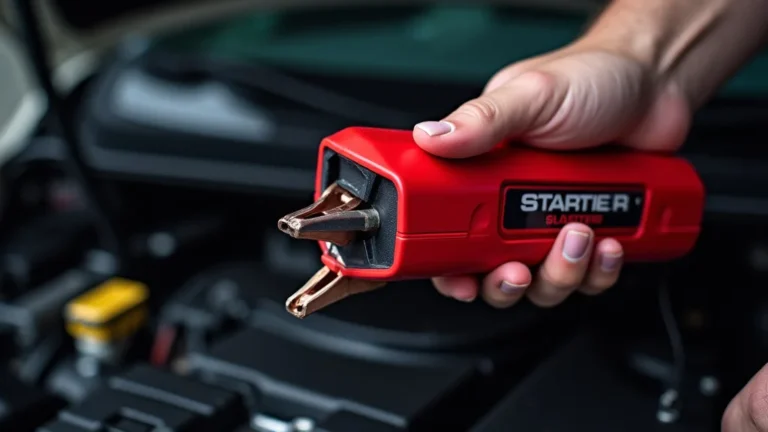
- Fast Chargers: Fast chargers, as the name suggests, supply a high current, usually 10 amps or more. They can significantly reduce charging time. They’re often used for emergency situations or when you need a quick charge.
Trickle chargers are best used for maintaining battery health, especially when a vehicle is not used for extended periods. They prevent the battery from discharging and offer a gentle charge that won’t harm the battery. Think of it as a small, consistent stream of power designed for long-term care.
These are common for home use. They provide enough power to charge the battery overnight. The moderate current reduces the risk of overheating or damage. They strike a good balance between speed and safety, making them a practical choice for everyday car care.
Fast chargers are useful in emergency situations, offering a rapid boost to get the vehicle going quickly. However, frequent use can affect the battery’s lifespan. These are great for when you are in a time crunch and need to get back on the road quickly.
How Current Affects the Battery
The current used to charge a car battery significantly affects its health and longevity. The charging current is measured in amps, and the higher the amperage, the faster the charging process. However, a high current can also generate more heat, which is the main concern when is it safe to fast charge car battery. Excessive heat can damage the battery’s internal components, reducing its overall lifespan.
Controlling the current is very important for battery health. The recommended charging current depends on the battery’s specifications and its condition. When you need a quick charge, a higher current might be used. When you have more time, a slower, gentler charge is usually recommended to protect the battery.
- Low Current (Trickle Charging): This is the slowest method, using a low current (1-3 amps).
- Moderate Current (Standard Charging): A moderate current (5-10 amps) is common for everyday charging.
- High Current (Fast Charging): Uses a high current (10+ amps) for a quicker charge.
Low current charging produces minimal heat and is gentler on the battery. This method is usually best for maintaining a battery’s charge over a long time. It can help extend the battery’s life because it prevents the overstressing of its components.
Standard charging offers a good balance between speed and battery safety, offering a quicker recharge than trickle charging without putting undue stress on the battery. It is a good choice for general use.
Fast charging allows a battery to recharge very quickly, but it generates more heat. Using fast charging often can damage the battery. It should be used sparingly and only when you need a rapid charge because excessive heat might damage internal components.
Is It Safe to Fast Charge Car Battery: Safety Considerations
When considering is it safe to fast charge car battery, safety should always come first. Fast charging offers convenience, but it also increases the risk of certain hazards if not done properly. These include the potential for overheating, which can damage the battery and its surroundings, and the risk of battery damage caused by exceeding its capacity. This section will discuss the safety measures to avoid these problems.
Understanding these safety aspects is key to safely using this charging method. By following the best practices and knowing what to watch out for, you can significantly reduce risks and make sure that your battery and car stay safe.
Overheating and Its Risks
Overheating is a primary concern with fast charging. As the current increases, the battery generates more heat. This heat can cause the battery’s internal components to degrade and the lifespan to reduce. In extreme cases, overheating might lead to the battery’s failure or, in very rare situations, even a fire. It is crucial to monitor the battery’s temperature when fast charging, especially in hot conditions.
To reduce overheating, make sure the charger is suitable for the battery type and capacity. Avoid charging in direct sunlight or in a hot environment, as this increases the likelihood of overheating. Regular checks and monitoring can help prevent potential problems.
- Internal Damage: High temperatures inside the battery can warp the internal plates and separators.
- Reduced Lifespan: Frequent overheating reduces the overall number of charge cycles.
- Safety Hazards: In extreme cases, overheating might cause battery swelling, leakage, or even a fire.
Overheating can lead to the battery’s failure. This is why you need to use the right equipment when fast charging. Regular checks can help prevent problems from overheating.
This will cause your battery to need to be replaced sooner. Using it correctly and sparingly can help increase the lifespan.
Extreme conditions can be dangerous, and you must follow safety guidelines when using a fast charger. Always ensure proper ventilation and monitoring to prevent risks.
Battery Damage and Capacity Limits
Every car battery has a maximum capacity and charging rate. Exceeding these limits can damage the battery’s internal components, such as the plates and separators. Overcharging a battery can cause it to swell, leak acid, or even explode. It is important to know the specifications of your battery before using a fast charger, and the charger should be compatible with your battery’s voltage and capacity.
Regular maintenance is essential to avoid problems related to the battery. Always follow the manufacturer’s recommendations for charging and use a charger that matches your battery’s specifications. Avoid the temptation to use a more powerful charger than the battery is designed for. Doing so can cause significant damage and reduce its lifespan.
- Sulfation: Overcharging can lead to sulfation, where sulfate crystals build up on the battery plates.
- Plate Warping: Excessive heat and current can warp the battery plates.
- Electrolyte Degradation: Overcharging might cause the battery’s electrolyte to break down.
This buildup reduces the battery’s capacity and overall performance. Proper charging practices can prevent this buildup.
This warpage impacts the battery’s ability to store and release energy efficiently. It can lead to early failure of the battery.
The electrolyte is a crucial component that helps conduct electricity within the battery. Degradation reduces the battery’s ability to function and may also damage the battery casing. Using the right type of charger will prevent this from happening.
Best Practices and Guidelines
To ensure safe and effective fast charging, you need to follow certain best practices and guidelines. These will include checking your battery’s specifications, using the correct charger, and monitoring the charging process. Proper care and safety precautions can ensure that your car battery will work as expected. Following these suggestions can help you keep your car and battery safe.
Following these steps will help you to safely fast charge your car battery and make sure it has a long and useful life. This section explains the recommended procedures, giving you all the information you need to charge your battery safely and efficiently.
Checking Battery Specifications
Before you begin fast charging, it is essential to check your car battery’s specifications. This information is usually available on the battery itself or in your car’s manual. Look for the voltage (typically 12 volts for most cars), the cold-cranking amps (CCA), and the battery’s capacity (measured in amp-hours or Ah). Knowing these specifications will make sure that the charger you use is suitable for your battery type. Using the right charger will prevent damage to your battery.
Knowing your battery’s specifications will help you decide which charger to use and how long to charge. This also helps you avoid common charging problems. It also ensures you get the most out of your battery.
- Voltage: Make sure the charger’s voltage matches the battery’s voltage (typically 12V).
- Amp-Hour (Ah) Rating: Understand the battery’s Ah rating.
- Cold Cranking Amps (CCA): Know the CCA rating.
Incorrect voltage can damage your battery, so always double-check this before you start. Ensure that the charger matches the battery’s voltage.
The Ah rating indicates the battery’s capacity. Make sure the charger is compatible with the battery’s capacity to ensure efficient charging.
The CCA rating is essential for cold weather starts. Check if the charger supports the battery’s CCA requirement for optimal performance.
Selecting the Right Charger
Selecting the right charger is critical. Choose a charger that is designed for your battery’s type (lead-acid, AGM, or lithium-ion) and capacity. You also have to consider the charger’s output current. If you need a fast charge, choose a charger with a higher amperage. However, ensure that the charger’s output does not exceed the battery’s maximum charging rate.
Selecting the correct charger involves comparing the battery’s specifications with the charger’s capabilities. A good charger will have multiple safety features, such as overcharge protection, reverse polarity protection, and thermal protection. These will prevent many common problems.
- Type of Battery: Ensure the charger is compatible with your battery’s type (lead-acid, AGM, etc.).
- Output Current: Choose a charger with an appropriate output current for the battery’s capacity.
- Safety Features: Look for chargers with overcharge protection, reverse polarity protection, and thermal protection.
Different battery types need different charging algorithms. Using the wrong type of charger might damage your battery.
A higher current will charge the battery quicker, but it is important to be compatible with your battery’s specifications.
These features protect the battery and the charger from damage. They are very important for safe operation.
Monitoring the Charging Process
Monitoring the charging process is very important. Always keep an eye on the battery while it is charging. Watch for any unusual signs, like excessive heat, swelling, or the smell of sulfuric acid. Many modern chargers have indicator lights or displays that show the charging status and any potential problems. Stop charging immediately if you notice anything unusual. These could include high temperatures or signs of battery damage.
Monitoring will make sure that the charging process is efficient. Monitoring is essential to prevent damage to the battery. It also increases the battery’s lifespan. By checking the charger and battery regularly, you can quickly address any problems.
- Temperature Checks: Regularly feel the battery’s temperature. If it gets too hot, stop charging.
- Visual Inspection: Regularly check the battery for signs of swelling, leakage, or corrosion.
- Charging Indicators: Keep an eye on the charger’s indicator lights or display.
Heat is a common sign of a problem, and you should always monitor the temperature during charging.
These can be signs of damage. Any abnormalities should be addressed immediately.
These usually show the charging status and whether there are any problems. If you notice a fault, you should stop charging.
Practical Applications and Real-Life Examples
To help you understand how fast charging works in real life, consider a few practical scenarios. These examples will show you the benefits and potential problems of fast charging. They will illustrate how to use this method safely. These examples will help you be informed and make the best decisions about car battery care.
By exploring real-world situations, you will understand how to manage your car battery more effectively. These examples can help you to safely use fast charging and prevent problems.
- Emergency Situation: Imagine you’re stranded with a dead battery. You are in a remote area and need to get back on the road quickly. You decide to use a fast charger. You should choose a charger suitable for your battery and then charge the battery until you have enough power to start your car. Monitoring the battery temperature is essential. If the battery becomes too hot, you should disconnect it and investigate the problem. This situation might get you back on the road in an hour.
- Regular Maintenance: You are in your garage, and you want to maintain your car’s battery during winter. You decide to use a trickle charger. You would connect the charger and let it run for a few days to keep the battery fully charged. You don’t need to monitor it, since the trickle charger does not damage your battery.
- Battery Testing and Evaluation: A mechanic uses a fast charger for testing your car battery. The mechanic uses a fast charger to test the battery’s ability to hold a charge. They then examine the battery for any signs of damage or wear. They may perform a load test to see how the battery handles a heavy electrical load.
In this situation, the priority is to get the car running quickly. You would use a fast charger but also closely monitor the process to prevent damage.
This approach involves using a slower, gentler charging method. This can keep the battery in good condition over time.
Battery testing is often used to quickly assess the battery’s condition and performance. The battery is tested to determine how well it works.
Comparison Table: Charger Types
Here’s a comparison of different charger types, detailing their specifications. The information is organized to help you compare the features and the suitability of each charger type for different needs. This will help you choose the best charger.
| Charger Type | Output Current | Charging Time | Best Use | Safety Considerations |
|---|---|---|---|---|
| Trickle Charger | 1-3 amps | Slow (hours to days) | Battery maintenance, long-term storage | Very safe, low risk of overheating |
| Standard Charger | 5-10 amps | Moderate (2-8 hours) | Everyday charging, home use | Generally safe, monitor for overheating |
| Fast Charger | 10+ amps | Fast (30 minutes to 2 hours) | Emergency situations, quick boost | Higher risk of overheating, monitor carefully |
Frequently Asked Questions
Question: How often can I fast charge my car battery?
Answer: It’s best to use fast charging only when necessary. Frequent fast charging can reduce your battery’s lifespan. Try to use it sparingly, and opt for standard charging whenever possible.
Question: Can I fast charge any type of car battery?
Answer: No, you can’t fast charge all batteries. Make sure your charger is suitable for your battery type (lead-acid, AGM, etc.). Always check the battery’s specifications and the charger’s compatibility before charging.
Question: What should I do if my battery gets hot while fast charging?
Answer: If your battery gets hot, stop charging immediately. Allow the battery to cool down. Check the charger, the battery, and the connections for any issues. Consult a professional if the problem continues.
Question: Is it safe to leave a fast charger unattended?
Answer: It’s never a good idea to leave a fast charger unattended. Always keep an eye on the charging process. Monitor the battery for any signs of problems. If something seems wrong, unplug the charger.
Question: How long does a car battery typically last?
Answer: The lifespan of a car battery varies depending on usage, charging methods, and climate. On average, a car battery lasts about 3 to 5 years. Taking good care of your battery will help it to last longer.
Final Thoughts
So, is it safe to fast charge car battery? In short, yes, but with some very important things to remember. Fast charging can be a helpful way to quickly recharge your car battery when you are in a rush. However, it’s very important to use the correct charger, know the specifications of your battery, and keep a close eye on the charging process. Overheating is a key concern with fast charging, so always monitor the battery’s temperature and look for any warning signs. It is best to avoid fast charging unless it is necessary, like if you’re in an emergency. Proper maintenance and safe charging habits, like choosing the right charger and checking the battery specifications, will help you get the most out of your battery and keep your car running smoothly. Taking the time to understand the process will help you to maintain a healthy battery and get the most from it.