How to Charge AGM Battery With Charger: A Simple Guide
Figuring out how to charge AGM battery with charger can seem tricky at first. It’s a common question for anyone using these types of batteries, like in cars, boats, or solar power systems. There are a few things to keep in mind to keep your battery working well. Don’t worry, it’s not super hard. I’ll break down the process step-by-step so you can easily learn what you need to know. Next, we’ll get started with some basic info about AGM batteries.
What Are AGM Batteries?
AGM stands for Absorbent Glass Mat. These batteries are a type of sealed lead-acid battery. They are different from older battery types because they have a special design. Instead of liquid acid, AGM batteries use a fiberglass mat to absorb the acid. This makes them spill-proof and able to handle vibrations better. They’re also often used for things like motorcycles, RVs, and backup power supplies. They work well in situations where the battery might be tilted or moved around. Knowing about AGM batteries is essential if you want to properly manage them. Proper charging is a key factor.
AGM Battery Construction
Inside an AGM battery, the acid is absorbed into a very fine fiberglass mat. This mat is placed between the lead plates. These plates are then tightly packed inside the battery case. The design allows the battery to be more resistant to damage from vibrations and impacts. Also, because the acid is absorbed, the battery is less likely to leak, even if it’s turned upside down. This makes AGM batteries very practical for a lot of different uses. Because of this special build, the way you need to charge them also is a little different than other kinds of batteries.
- Absorbent Glass Mat: This is a thin fiberglass material. It soaks up all the acid in the battery.
- Lead Plates: These plates store and release the electrical energy. AGM batteries often use very pure lead to improve efficiency.
- Sealed Case: The case is designed to be airtight, preventing acid spills and gassing.
- Safety Valves: These valves release pressure if the battery overheats.
AGM Battery Characteristics
AGM batteries offer several benefits because of their construction and design. Their sealed nature means they are generally safer. The design also leads to a longer lifespan. The batteries are designed to handle deep discharges, and they can be recharged hundreds of times. However, to maximize their life, you need to use the right charger. These batteries also have a lower self-discharge rate, meaning they lose power slower when not in use. They also can be used in a wider temperature range. All these things mean an AGM battery is a solid choice for many uses.
- Low Self-Discharge: AGM batteries lose less charge when they aren’t being used.
- Vibration Resistance: They can handle movement and rough conditions.
- Fast Charging: AGM batteries often accept a charge more quickly.
- Maintenance-Free: They don’t require the user to add water.
How to Choose the Right Charger
Choosing the right charger is super important when you’re learning how to charge AGM battery with charger. Using the wrong charger can hurt your battery, which can lead to it not working right, or even getting damaged. You’ll need a charger that’s designed for AGM batteries. Chargers have different settings, so make sure to get one that’s compatible. This section will guide you through the features to look for in a charger. It will also help you choose the best charger for your specific battery.
Charger Voltage and Current
When selecting a charger, the voltage is critical. AGM batteries typically need a charger that delivers a specific voltage. A standard 12-volt AGM battery actually needs a charger that provides around 14.4 volts during the charging phase. The current, measured in amps, is also important. The current rate determines how fast the battery charges. Generally, it’s best to use a charger with a current rating that’s about 10% of the battery’s amp-hour (Ah) capacity. For example, if you have a 100Ah battery, a 10-amp charger would be a good fit. Check your battery’s specifications to get the exact voltage and current recommendations.
- Voltage: Your charger should match your battery’s voltage (usually 12V).
- Current (Amps): A good rule is to charge at a rate of about 10% of the battery’s Ah rating.
- Automatic Settings: Look for chargers with automatic charging modes to prevent overcharging.
Charger Types for AGM Batteries
There are different types of chargers. Each has its own benefits. For AGM batteries, a smart charger is the best choice. Smart chargers have multiple charging stages. This keeps the battery from being damaged during charging. There are also float chargers. They’re great for long-term maintenance. Then there are traditional chargers. But these may not be ideal for AGM batteries. Using the wrong charger can ruin the battery.
- Smart Chargers: These have a few charging stages to safely and efficiently charge the battery.
- Float Chargers: Float chargers are good for keeping a battery topped off.
- Traditional Chargers: These are simpler but might not have the right voltage settings.
Safety Features to Consider
Safety should be a top priority when choosing a charger. Look for chargers that have short-circuit protection. That helps protect your battery and the charger if something goes wrong. Overcharge protection stops the charger from overcharging the battery. It automatically stops the charging process. Reverse polarity protection prevents damage from incorrect connections. Look for chargers with an automatic shut-off feature. This prevents overcharging. These features are vital for both safety and the lifespan of your battery. You can be confident that you’re using the charger properly.
- Overcharge Protection: Automatically stops charging when the battery is full.
- Short-Circuit Protection: Protects against electrical shorts.
- Reverse Polarity Protection: Prevents damage from incorrect connections.
Step-by-Step Guide: How to Charge an AGM Battery
Now that you know a little about AGM batteries and chargers, it’s time to explore the main question: how to charge AGM battery with charger? This section will give you a clear, easy-to-follow guide to safely and efficiently charge your AGM battery. From prepping your gear to connecting the charger, we’ll walk you through each step. Following these instructions will help you keep your AGM battery working for a long time.
Preparation for Charging
First, make sure you’re in a well-ventilated space. AGM batteries don’t release a lot of gas, but safety first! Then, inspect your battery and charger to ensure that there aren’t any visible signs of damage. Make sure the charger is unplugged. After that, find the battery terminals. They’re marked with (+) and (-). It’s always a good idea to wear safety glasses and gloves for protection. Having everything ready before you start will make the process easier and safer.
- Ventilation: Charge the battery in a well-ventilated area.
- Inspection: Check the battery and charger for any damage.
- Safety Gear: Put on safety glasses and gloves.
- Terminal Identification: Locate the positive (+) and negative (-) terminals.
Connecting the Charger
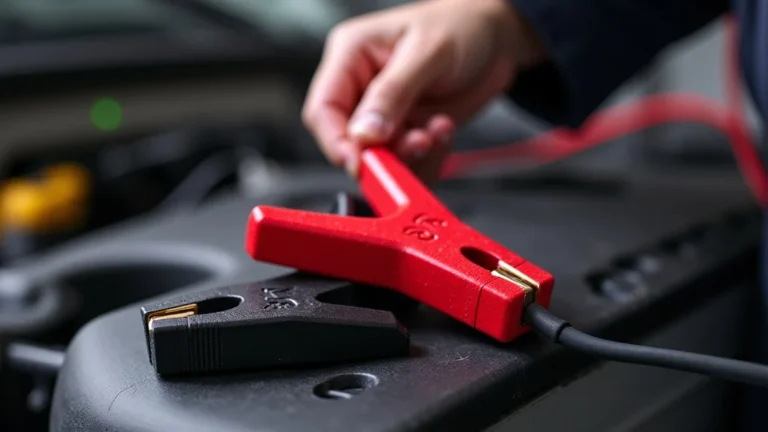
Now, connect the charger. Start by connecting the positive (red) clamp to the positive (+) terminal on the battery. Then, connect the negative (black) clamp to the negative (-) terminal on the battery. Make sure that the clamps are securely attached to the terminals. Once the clamps are in place, plug in the charger into a power outlet. Some chargers have a display that will show you the charging status. Follow these steps carefully to ensure a secure connection.
- Connect the Positive Clamp: Attach the red clamp to the positive terminal (+).
- Connect the Negative Clamp: Attach the black clamp to the negative terminal (-).
- Plug In the Charger: Plug the charger into an outlet.
- Monitor the Display: Keep an eye on the charger’s display to check the charging progress.
Monitoring the Charging Process
Once your charger is connected, it’s time to keep an eye on it. Most smart chargers have indicators that show the charging status. This may include a display that shows the percentage of the battery charged. Or, it could just be some lights that change. Depending on the charger and the battery’s condition, the charging process can take anywhere from a few hours to a full day. You should stop charging when the charger indicates that the battery is fully charged. Never leave the battery unattended while charging. Always make sure everything is running properly.
- Check the Indicators: Look for lights or displays showing the charging status.
- Estimate the Charging Time: The process can vary depending on the battery capacity and the charger’s output.
- Avoid Leaving the Battery Unattended: Keep an eye on the battery during charging.
- Stop Charging When Full: Disconnect the charger when the battery is fully charged.
Common Charging Mistakes and How to Avoid Them
Even if you know how to charge AGM battery with charger, there are still some mistakes that are easy to make. These errors can damage your battery, or even be dangerous. Avoiding these errors is really important for the battery’s health. We will cover the most common issues. We will also show you how to sidestep them. This will make your charging experience safer and better.
Using the Wrong Charger
Using the wrong charger is one of the most common mistakes. This includes using a charger not designed for AGM batteries or one that has the wrong voltage or current settings. A standard charger might overcharge an AGM battery. This leads to internal damage. Always use a charger that’s designed for AGM batteries. Check the specifications for the correct voltage and current. You also might want to consider using a smart charger. A smart charger adjusts the charge rate to match the needs of your battery. That helps prevent damage. This step is a must if you want your battery to last longer.
Overcharging the Battery
Overcharging occurs when a battery is charged for too long. It can happen if you leave your battery on the charger longer than necessary. It’s also possible with chargers that don’t have automatic shut-off features. Overcharging can cause the electrolyte in the battery to break down, damaging the battery plates and reducing its lifespan. The best way to avoid overcharging is to use a charger with automatic shut-off features. Always monitor your battery during charging. Once it’s fully charged, disconnect the charger. With smart chargers, the charger itself will manage the process. That makes it easier to prevent overcharging.
Incorrect Connection of the Charger
Another common mistake is incorrectly connecting the charger. If you connect the positive and negative terminals in the wrong order, this can cause a short circuit. It also can damage the charger and the battery. Always double-check your connections before you plug in the charger. Make sure the red clamp goes to the positive (+) terminal, and the black clamp goes to the negative (-) terminal. Reverse polarity protection on your charger can also help. This feature prevents damage if you connect the clamps in the wrong order. Checking connections is an important step when you learn how to charge AGM battery with charger.
Advanced Techniques and Maintenance
Beyond the basics of how to charge AGM battery with charger, there are more things you should know. Knowing some of these advanced techniques can extend the life of your battery. It also can help it perform better. Maintaining your AGM battery is not a hard task. Regular care, along with understanding a few advanced tips, will help you maximize your battery’s life and performance.
Battery Equalization
Battery equalization is a special charging process. It is used to balance the cells within a lead-acid battery. AGM batteries may not always need it. But it can be useful. Equalization involves applying a slightly higher voltage than the normal charging voltage for a short period. This helps to remove sulfate crystals from the battery plates. It also prevents the battery from losing its capacity. Not all chargers can do this, so it’s a good idea to do some research if you need this service. Make sure your charger has this function.
Storage of AGM Batteries
If you’re going to store your AGM battery for a long time, there are some key steps to follow. Make sure the battery is fully charged before storage. The battery should be stored in a cool, dry place. Extreme temperatures can hurt the battery. Check the voltage of the battery every few months. If it drops below 12.4 volts, charge it. This helps prevent the battery from sulfating. Storing it properly can help it last longer. It’s a good step to remember.
Desulfation Techniques
Battery sulfation occurs when sulfate crystals build up on the lead plates. It is usually caused by long periods of low charge. Sulfation makes the battery less efficient. While it might not always be possible to fix it, there are desulfation techniques you can try. Special desulfation chargers apply a high-frequency pulse to the battery. This may help break down the sulfate crystals. If you are going to store the battery, make sure it is charged first. The goal is to keep the battery in good working order.
Frequently Asked Questions
Question: Can I use a regular charger on an AGM battery?
Answer: It’s generally not recommended to use a standard charger for an AGM battery. Standard chargers may not have the right voltage settings or charging profiles that AGM batteries need, potentially leading to damage. Always use a charger specifically designed for AGM batteries.
Question: How long does it take to charge an AGM battery?
Answer: The charging time depends on the battery’s capacity and the charger’s current rating. It can take anywhere from a few hours to a full day. Refer to your charger and battery specifications for details. Most smart chargers will indicate when the battery is fully charged.
Question: Can I leave an AGM battery on the charger overnight?
Answer: If you have a smart charger with automatic shut-off, it’s usually fine to leave it connected. However, it’s always wise to monitor the charging process and disconnect the charger once the battery is fully charged to avoid any potential issues.
Question: How do I know if my AGM battery is bad?
Answer: Look for signs such as a swollen case, reduced performance, or a failure to hold a charge. Also, if the battery fails load tests, it might be time for a replacement. Consult a battery specialist if you’re unsure.
Question: What is the best way to store an AGM battery?
Answer: Store an AGM battery in a cool, dry place. Make sure it’s fully charged before storage. Check its voltage every few months and top it off as needed to prevent sulfation.
Final Thoughts
Now, you have a solid grasp on how to charge AGM battery with charger. You know the importance of using the right charger, like those designed with specific charging profiles. You’ve learned about the different types of chargers, and you know how to safely connect and disconnect your charger. You also know how to avoid common charging errors. Remember to take care when handling batteries. Using the wrong charger or overcharging can lead to damage. Regular maintenance and paying attention to safety guidelines are essential. Always monitor the charging process and follow the manufacturer’s instructions. With this knowledge, you are ready to keep your AGM battery operating for years to come. Now go out there and charge!