Slow Charging Versus Fast Charging Car Battery Explained
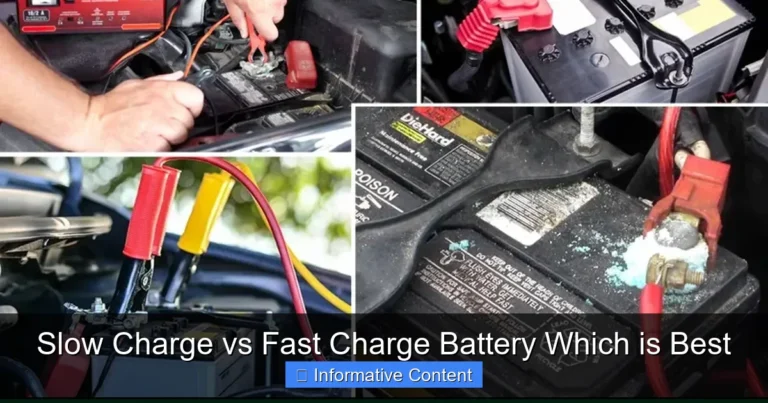
Figuring out the difference between slow charging vs fast charging car battery can seem tricky when you’re just starting. It’s totally normal to be a little unsure about the best way to charge your electric vehicle. But don’t worry! We’ll break down the basics in a simple way. We’ll explore the main differences, the benefits of each method, and how they work. This guide will give you a clear, easy-to-follow plan to keep your EV charged the right way. Let’s get started!
What is Slow Charging? Understanding Level 1 Charging
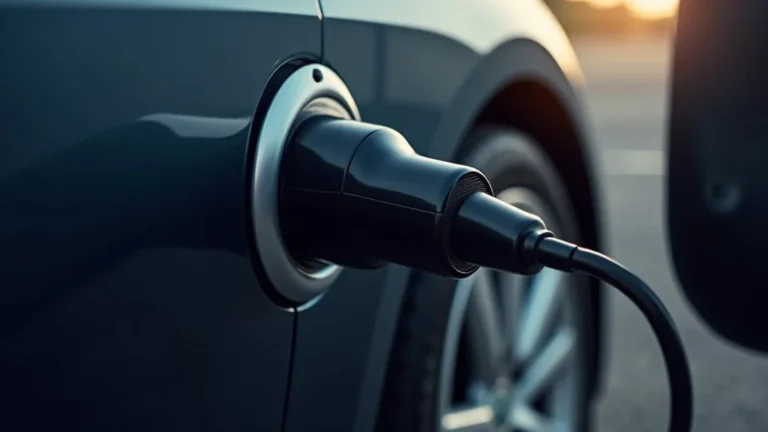
Slow charging, often called Level 1 charging, is the most basic way to charge an electric vehicle (EV). It uses a standard household outlet, the kind you use for lamps and appliances. This is a very convenient option for those who have access to an outlet at home, such as in a garage or driveway. Level 1 charging is sometimes called trickle charging because the electrical current is relatively low compared to other charging methods. This results in a slower charging time, which is usually measured in hours rather than minutes.
Slow charging is usually a 120-volt system, which delivers a lower amount of power to the car. Because the power is limited, it takes a long time to charge a completely depleted battery. However, slow charging is a great choice if you have the time and are charging overnight or when the car isn’t in use. Think of it like gently refilling a water bottle versus using a fire hose. Both will fill it, but the flow rate is dramatically different.
The Basics of Level 1 Charging
Level 1 charging is often overlooked, but it plays a significant role in EV ownership. It offers a convenient charging solution for many EV drivers. It is important to know its functions, advantages, and limitations. Here are some key points:
- How it Works: Level 1 charging uses the standard 120-volt outlet found in most homes. It comes with a charger that plugs into the wall and then connects to the EV. The charger converts the AC power from the outlet to DC power for the car’s battery.
- Charging Speed: The charging speed is relatively slow. You can usually add about 3 to 5 miles of range per hour of charging. This means that a full charge can take up to 24 hours, depending on the battery size.
- Cost: Level 1 charging is typically the most cost-effective charging option. You only pay for the electricity used, and there are no extra fees.
Advantages and Disadvantages of Slow Charging
Level 1 charging has its place in the EV charging ecosystem. It might not be ideal for every situation, but it offers benefits that fit specific driving habits and lifestyles. Understanding its pros and cons will help drivers decide if it is the right charging choice for them.
- Advantages:
- Convenience: It is accessible since it only needs a standard outlet, so you can charge your car anywhere you have access to one.
- Low Cost: Since Level 1 charging uses your existing electrical setup, it avoids the extra cost of installing special charging equipment.
- No Installation Needed: Level 1 charging is as easy as plugging into an outlet. You do not need to hire an electrician.
- Disadvantages:
- Slow Charging Time: It can take a long time to charge your car completely, especially if you have a large battery pack.
- Not Ideal for Daily Use: If you drive a lot, Level 1 charging might not keep up with your daily driving needs.
- Limited Power: The low power output might not be enough for some EV models that need more power.
Fast Charging Options: Level 2 and Level 3 Chargers
When you need to charge your electric vehicle quicker, you’ll need to use either Level 2 or Level 3 chargers. These options provide faster charging speeds compared to Level 1. Level 2 chargers are common at home and in public places, while Level 3, also known as DC fast chargers, are usually found at highway rest stops or in areas specifically designed for quick charging. These charging methods offer significant benefits for EV drivers by drastically cutting down charging times and making EV ownership more practical for many people.
These faster charging methods offer a different charging experience by using higher voltage and amperage levels. Understanding the differences between Level 2 and Level 3 charging will help you choose the best option for your needs. Fast charging options are the perfect solution for drivers who want to spend less time waiting and more time on the road.
Level 2 Charging: A Step Up in Speed
Level 2 chargers are a considerable step up from Level 1 charging. They are faster and more practical for regular use. Level 2 charging typically uses a 240-volt system, similar to what’s used for appliances like your dryer or oven. Level 2 chargers deliver a higher amount of power to the EV’s battery, which means that the charging time is significantly shorter.
Level 2 charging is an excellent option for home and public charging stations, providing a good balance between charging speed and cost. You can often add about 12 to 80 miles of range per hour of charging, depending on the vehicle and the charger’s power output. This is a noticeable improvement over Level 1 charging. Many EV drivers find that Level 2 charging meets their daily driving needs effectively.
- Installation: Installing a Level 2 charger at home may require professional help. You might need an electrician to install a dedicated circuit.
- Charging Speed: Level 2 charging is much faster than Level 1. A complete charge can take around 4 to 8 hours.
- Cost: Although Level 2 chargers cost more than Level 1, they are more efficient. The cost of electricity depends on your local rates.
DC Fast Charging: The Quickest Option
DC Fast Charging, also known as Level 3 charging, is the quickest way to charge an EV. Unlike Level 1 and Level 2, which use AC power and convert it to DC, DC fast chargers deliver DC power directly to the car’s battery. This bypasses the car’s onboard charger, making the charging process much faster. DC fast chargers are often found at public charging stations along highways or in urban areas.
DC fast charging delivers the highest power output, providing the fastest charging speed available. While it offers a convenient and quick charging solution, it is more expensive than Level 1 or Level 2 charging. Knowing about DC fast charging will help you determine how it fits your driving habits and budget.
- Power: DC fast chargers can provide up to 350 kW of power, which significantly reduces charging times.
- Charging Speed: Charging times can be very short. Depending on the car and the charger, you can add 60 to 200 miles of range in about 30 minutes.
- Cost: DC fast charging usually costs more per kWh than Level 1 or Level 2 charging, but it offers speed for your money.
Choosing the Right Charger: Factors to Consider
Selecting the appropriate charger depends on several things, including your car, your daily driving habits, and what charging options are available to you. Each charging option has its pros and cons. Understanding these factors will help you make a well-informed decision that fits your specific needs.
Here are some of the main factors to keep in mind when choosing your charger. Some of the aspects to focus on include your daily commute, battery size, and the availability of charging stations. By assessing these aspects, you can determine which charger best suits your lifestyle and driving requirements.
Your Driving Habits and Needs
Your driving routine is important when choosing a charger. If you only drive short distances daily and charge your EV overnight, Level 1 charging might suffice. However, if you have a longer commute or need to charge your car quickly, Level 2 or DC fast charging is better. Think about how many miles you typically drive in a day and when you will have the time to charge your EV. These things will influence which charger is best for you.
- Daily Commute:
- If you have a short commute, Level 1 charging could easily keep your car charged.
- For a longer commute, Level 2 or DC fast charging is more suitable.
- Charging Frequency:
- If you charge your car daily, Level 2 offers a more practical charging speed.
- For less frequent charging, Level 1 might work.
- Travel Plans:
- If you take long trips, having access to DC fast charging can be very useful for quick top-ups.
- Plan where to charge on the go, considering the availability of public charging stations.
Battery Size and Charging Time
The size of your EV’s battery affects how long it takes to charge. Larger batteries hold more energy, which takes longer to charge completely. Different charging levels provide different power outputs, which affects charging times. Understanding these relationships is key to making a well-informed choice.
Here’s how battery size and charging speed are related. You will understand how they influence your choice of charger. When you know about these aspects, you can choose the charger that works best for your EV and your charging needs.
- Battery Capacity:
- Larger batteries require more charging time to fully charge.
- Charging Speed:
- Level 1: can add around 3 to 5 miles of range per hour.
- Level 2: can add around 12 to 80 miles of range per hour.
- DC Fast Charging: can add around 60 to 200 miles of range in about 30 minutes.
- Time Availability:
- If you have a lot of time, Level 1 is good.
- If you want faster charging, consider Level 2 or DC fast charging.
Availability and Cost of Charging Stations
The places to charge and their associated costs are also important when you’re deciding which charger to use. Public charging stations are becoming more widespread. However, it’s wise to consider the availability in your area and the costs. Charging at home might be more cost-effective.
Knowing where you can charge and how much it will cost is very important for EV ownership. Whether you prefer public charging stations or charging at home, understanding the price and the place of charging will help you make a smart charging decision.
- Home Charging:
- Level 1: Uses your existing 120-volt outlet.
- Level 2: Needs an installed 240-volt outlet.
- Public Charging:
- Level 2: Commonly available at shopping centers and parking lots.
- DC Fast Charging: Available along highways for quick charging.
- Cost Comparison:
- Home charging is usually cheaper.
- Public charging stations can cost more, but the speed offers convenience.
Impact of Charging on Battery Health
Charging habits can affect the health and lifespan of your EV’s battery. While modern EV batteries are designed to endure charging, understanding how charging impacts their performance is very important. Charging affects how long your battery lasts and how well it works.
Here are some of the key factors to remember about charging and battery health. They’ll help you take good care of your EV’s battery. Doing so will ensure your car operates effectively over a long time.
Best Practices for Battery Health
To help maintain the health of your EV’s battery, it’s helpful to remember these best practices. Charging your car correctly will help it last longer, providing better performance over time. Following these charging tips can help you keep your battery in good shape.
- Avoid Extreme Charging:
- Do not always charge your car to 100%, unless needed. Maintaining a charge between 20% and 80% can help extend battery life.
- Reduce the use of DC fast charging, as frequent fast charging can cause extra stress on the battery.
- Control Temperature:
- Avoid extreme temperatures. High heat and freezing cold can affect battery performance.
- Park your car in shaded areas when possible.
- Charging Schedule:
- Schedule charging during off-peak hours to save money and reduce the strain on the grid.
- Use the charging features of your car to set charging limits and ensure optimal performance.
Myths and Realities of Battery Degradation
Many myths exist about how EV batteries perform, and it is helpful to sort the facts from fiction. Understanding how batteries degrade and what affects their longevity is key to good EV ownership. Knowing the truth about battery degradation will help you avoid some unnecessary worries.
- Myth: Fast charging always degrades the battery quickly.
- Reality: While DC fast charging produces more heat, modern batteries are built to handle it. However, excessive use can contribute to degradation.
- Myth: Always charging to 100% damages the battery.
- Reality: Frequent full charging can stress the battery. It is better to charge to a lesser percentage most of the time.
- Myth: Battery degradation is very rapid.
- Reality: Battery degradation is a slow process. Most EV batteries are designed to last for many years. Many warranties provide coverage for at least eight years.
Real-World Examples and Scenarios
Let’s explore some real-world examples to help you understand the impact of various charging options. By understanding how others use different chargers in their daily lives, you can better select the best method for your needs. Here are some situations to consider.
These examples provide practical insights into how charging habits impact EV ownership. They’ll help you visualize and apply the knowledge you have learned. The examples can give you a clear view of how different people use the different charging options and what outcomes they observe.
- Scenario 1: The Daily Commuter
- Driver: Sarah drives 40 miles round trip for work daily.
- Charger: Sarah installed a Level 2 charger at home.
- Result: Sarah plugs in her EV overnight, and it’s always fully charged by morning. This works well for her daily routine.
- Scenario 2: The Road Tripper
- Driver: John takes long road trips.
- Charger: John uses DC fast charging stations on his travels.
- Result: He can quickly charge his car, with a few stops along the way to recharge and continue his drive.
- Scenario 3: The Urban Driver
- Driver: Maria lives in an apartment and has limited charging options.
- Charger: Maria relies on public Level 2 chargers and DC fast chargers when available.
- Result: She charges at public stations when needed, finding this works best for her lifestyle.
Frequently Asked Questions
Question: What is the difference between Level 1, Level 2, and Level 3 charging?
Answer: Level 1 charging uses a standard 120-volt outlet, providing the slowest charging speed. Level 2 charging uses a 240-volt outlet and offers faster charging. Level 3, or DC fast charging, delivers the quickest charging times by directly supplying DC power to the car’s battery.
Question: How long does it take to charge an EV using Level 1 charging?
Answer: Level 1 charging typically takes a long time, often adding only about 3 to 5 miles of range per hour. A full charge can take 12 to 24 hours, depending on the battery capacity.
Question: Is Level 2 charging suitable for home use?
Answer: Yes, Level 2 charging is an excellent option for home use. It requires a 240-volt outlet, but it offers a much faster charging speed than Level 1. Many EV owners install a Level 2 charger at home.
Question: Where can I find DC fast charging stations?
Answer: DC fast charging stations are usually found in public locations along highways, in urban areas, and at dedicated charging stations. Use apps like PlugShare or websites like ChargeHub to locate them.
Question: Does fast charging damage my EV’s battery?
Answer: While DC fast charging can generate heat, modern batteries are built to manage it. However, frequent fast charging may slightly affect battery health. It is generally safe but consider limiting the times you use fast charging.
Final Thoughts
In the end, choosing the right charging method depends on your unique situation. Slow charging offers convenience if you have the time and access to a regular outlet. Fast charging, with Level 2 and DC fast charging, provides a quicker experience. Weigh your driving habits, charging needs, and access to charging stations. Remember to take care of your EV’s battery by avoiding extreme charging practices and following charging best practices. When you know the facts about slow charging vs fast charging car battery, you can select the method that works best for you. Make an informed choice, and enjoy the benefits of driving an EV!