Weak Battery Problems and How It Impacts Engine Performance
Having a car that runs smoothly is something everyone wants. When your engine starts running rough, it can be frustrating, especially if you’re not a car expert. One common issue that often confuses new drivers is when a weak battery causes rough idle. This problem can seem complicated, but don’t worry! We’ll break down the basics in a simple, step-by-step way. Get ready to explore the connection between your car’s battery and its performance, and discover how to fix it.
The Battery’s Role in a Smooth Ride
Your car’s battery is more important than you might think. It’s the starting point for almost everything your car does. Think of it like the power station for your engine. When you turn the key, the battery sends a jolt of electricity to the starter, which gets the engine going. But the battery’s job doesn’t stop there. It also powers other essential systems, like the fuel injectors and the ignition system. If the battery isn’t working right, it can affect how the engine performs, causing a rough idle. Many people don’t realize this connection, which is why we’re exploring it here. By learning how your battery supports the engine, you’ll be one step closer to keeping your car running like new.
Powering the Engine’s Brain
The engine control unit (ECU) is the “brain” of your car’s engine. It constantly monitors various sensors and adjusts things like fuel flow and spark timing to keep the engine running efficiently. The ECU needs a steady supply of power to work correctly. A weak battery causes rough idle because it can’t supply enough power to the ECU, leading to incorrect calculations and engine misfires. This often results in an unstable idle, where the engine feels like it’s sputtering or about to stall. The ECU ensures peak engine performance by monitoring critical systems and making real-time adjustments for efficiency.
-
Voltage Fluctuations: A weak battery can cause voltage drops, which confuse the ECU. The ECU may think the engine is running differently than it is, leading to poor engine performance.
Voltage is the electrical pressure that forces current through a circuit. Think of it like water pressure in a hose. If the voltage drops (like the water pressure), the engine’s systems don’t get enough power to work correctly. This can cause misfires and a rough idle.
-
Sensor Reliability: Sensors provide data to the ECU. With insufficient voltage, these sensors send inaccurate information, creating a domino effect of issues.
Sensors measure things like engine temperature, oxygen levels, and throttle position. If the sensors aren’t getting enough power, they might send incorrect data to the ECU. This means the ECU might adjust the fuel or spark incorrectly, causing the engine to run roughly.
-
Fuel Injector Problems: Insufficient voltage to the fuel injectors can make them work improperly, leading to inconsistent fuel delivery and engine hiccups.
Fuel injectors spray fuel into the engine’s cylinders. If the battery can’t provide enough power, the fuel injectors might not open and close correctly. This can result in too much or too little fuel entering the cylinders, leading to a rough idle or even stalling.
The Ignition System’s Dependence
The ignition system is responsible for creating the spark that ignites the fuel-air mixture in your engine’s cylinders. This spark is essential for the engine to run. A weak battery causes rough idle because it can’t provide the necessary power for the ignition system to function correctly. This can cause weak sparks, misfires, and a rough idle. In addition, worn or faulty spark plugs can contribute to this issue.
-
Weak Sparks: A weak battery can produce weak sparks, making it difficult to ignite the fuel-air mixture.
The ignition coil is the part of the ignition system that creates the high voltage needed to generate a spark. If the battery voltage is low, the ignition coil might not be able to produce a strong spark, leading to misfires and a rough idle.
-
Misfires: Weak sparks often lead to misfires, causing the engine to run unevenly.
A misfire happens when the fuel-air mixture in a cylinder doesn’t ignite or doesn’t burn completely. This can be caused by a weak spark, bad spark plugs, or other problems in the ignition system. Misfires cause the engine to run rough and lose power.
-
Coil Pack Issues: The coil packs or ignition coils are powered by the battery. Issues with these components can also cause problems.
Each spark plug has an ignition coil that produces the high voltage needed for a spark. Problems with the ignition coils, like damage or wear, can prevent the spark plugs from firing correctly. Low battery voltage makes it harder for the coils to work properly, adding to the problem.
Starting the Engine
When the battery is weak, it struggles to supply enough power to the starter. This can lead to slow cranking and difficulty starting the engine. It is a common sign of a battery issue. Slow cranking can cause the engine to misfire as well. Repeated attempts to start the engine with a weak battery can also further drain the battery. All these factors contribute to the issue of a weak battery causes rough idle.
-
Slow Cranking: A slow cranking engine often indicates a weak battery.
When you turn the key, the starter motor needs a lot of power to crank the engine. If the battery is weak, the starter motor might turn the engine over slowly, or not at all. This often makes the engine difficult to start and can make it run rough after it starts.
-
Failed Starts: Sometimes the engine won’t start at all, showcasing the battery’s failure.
If the battery is too weak, it might not provide enough power to the starter motor to crank the engine. This can result in the engine not starting at all. If the engine doesn’t start, it’s a clear sign that the battery needs attention.
-
Starter Problems: The starter itself can also be damaged by the stress of a failing battery.
A weak battery can put extra strain on the starter motor, making it work harder to turn the engine over. Over time, this can damage the starter motor, leading to more starting problems. Replacing the starter motor can be expensive, so it’s a good idea to keep your battery in good shape.
Identifying Battery-Related Engine Problems
Knowing the signs of a battery-related problem is crucial for catching it early. Many things can point to a battery problem. This helps you avoid getting stranded. Keep an eye out for these clues. A weak battery causes rough idle, and other symptoms should never be ignored. Addressing these issues can save you money and headaches in the long run.
Visual Clues
Sometimes, your car can tell you that the battery is failing just by its appearance. Simple visual inspections can often spot these issues. The easiest visual clues are the most helpful in determining if a battery issue is present. Taking a peek at your battery can give you an early warning. These signs can help you address the problem before it becomes a bigger issue.
-
Corrosion on Terminals: White or green corrosion on the battery terminals can be a sign.
Corrosion forms when battery acid reacts with the metal terminals. It can reduce the battery’s ability to transfer power. Cleaning corrosion off the terminals is often an easy fix, but it’s a sign that the battery might be getting old or damaged. You can easily remove corrosion with a mixture of baking soda and water.
-
Swollen Battery Case: A swollen battery case indicates damage, often from overheating or overcharging.
A battery that looks like it’s bulging or swollen isn’t safe. This often means the battery has been exposed to extreme temperatures or has been overcharged. You’ll need to replace the battery immediately because it could explode.
-
Leaking Acid: Acid leaks can cause problems and can be a sign the battery is failing.
If you see battery acid leaking, it’s a serious issue. Acid leaks can corrode the surrounding parts of your car. If you see this, you should
Performance Indicators
How your car performs can tell you a lot about your battery’s condition. Your car often shows clear signs when a battery is failing, like difficulty starting the car. It is important to pay attention to your car’s behavior. Learning these signs helps prevent more serious issues. The most common signs of a battery issue are typically related to how well the engine starts. These indicators are usually pretty obvious. A rough idle is another indicator. A weak battery causes rough idle when it is unable to supply a steady flow of current.
-
Slow Cranking at Startup: If the engine cranks slowly, the battery is probably weak.
When you turn the key, does it take longer than usual for the engine to start? This is often a sign of a weak battery. If the engine struggles to turn over, it’s a clear indicator that the battery doesn’t have enough power.
-
Dim Headlights: Dim headlights suggest the battery isn’t delivering enough power.
If your headlights seem dimmer than normal, especially when the engine is idling, the battery might not be providing enough electricity. This is especially noticeable at night or in areas with very little light. Check the lights with the engine on and off. If they are brighter with the engine running, it’s likely a battery issue.
-
Rough Idle: A rough idle can be a sign the battery isn’t supporting the engine properly.
When the engine is running, does it feel like it’s sputtering or about to stall? This can be caused by a weak battery that can’t provide a steady supply of power to the ECU and other engine components. It is a common symptom when a weak battery causes rough idle.
Testing Your Battery
If you suspect your battery is causing problems, testing it is the next step. There are a few different ways to check the battery’s health. Testing helps you confirm whether or not a battery is the issue. If you know how to test a battery, you can avoid costly repair bills. Testing can range from simple tests with basic tools to more advanced tests using diagnostic equipment. These tests can help you diagnose a battery problem early. Testing also helps to confirm whether or not the battery is indeed causing your car’s rough idle.
-
Voltage Test: Checking the voltage with a voltmeter can tell you how strong the battery is.
A voltmeter is an inexpensive tool that measures voltage. A fully charged battery should read around 12.6 volts. If the voltage is low, the battery might be weak or failing. This test is easy to perform, and it gives you a quick overview of the battery’s condition. Use a voltmeter to quickly assess the battery’s health.
-
Load Test: A load test simulates real-world conditions to check the battery’s performance under load.
A load test puts a load on the battery to see how well it can deliver power. This test is usually done by a mechanic. The load tester applies a specific load to the battery and measures its voltage drop. A significant voltage drop during the load test means the battery is weak or damaged.
-
Alternator Test: The alternator charges the battery while the engine is running. Testing the alternator helps determine if it’s charging the battery correctly.
The alternator is the car’s charging system. A bad alternator can prevent the battery from charging. To test the alternator, you can measure the voltage while the engine is running. If the voltage isn’t increasing, the alternator might have a problem. Checking the alternator ensures the battery receives the charge it needs.
Simple Steps to Resolve Rough Idling
Now that you know how a weak battery causes rough idle, let’s explore how to solve it. It’s important to take action once you know what is going on. There are several steps you can take to address the issue. Following these steps helps keep your car running smoothly. Taking action often requires only basic tools and a bit of time. Taking action often resolves the issue quickly.
Battery Inspection
Inspecting your battery is the first thing you should do. This process is fairly simple, but it is a critical step. Regular inspections can prevent bigger issues. Inspection allows you to catch problems early. The sooner you identify a problem, the easier it is to fix.
-
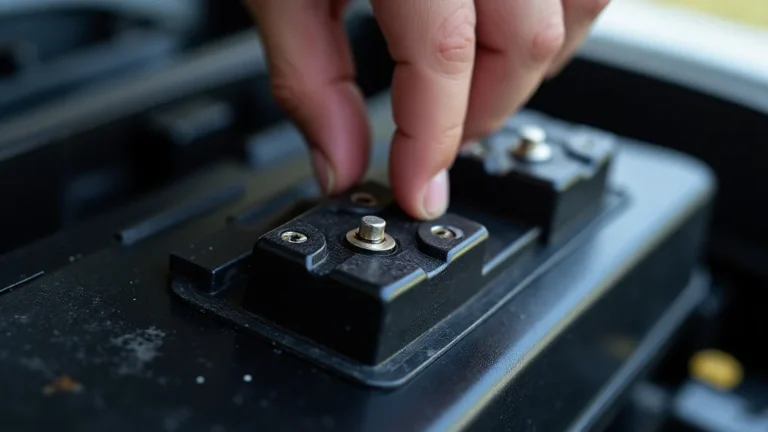
Check Battery Terminals: Look for corrosion on the battery terminals.
Corrosion can prevent the battery from providing power to the car. If you see corrosion, clean it off with a wire brush and a solution of baking soda and water.
-
Inspect the Battery Case: Check for any signs of swelling, cracks, or leaks.
A damaged battery case is a safety hazard. If you notice any damage, replace the battery immediately.
-
Test the Battery Voltage: Use a voltmeter to check the battery’s voltage.
A fully charged battery should read around 12.6 volts. If the voltage is lower, the battery may need to be charged or replaced.
Charging or Replacing the Battery
After inspecting your battery, the next step depends on what you find. If the battery is weak, you may be able to charge it. Charging can sometimes solve the problem temporarily. Replacing the battery is often the most effective solution. This ensures your car gets the power it needs. Knowing when to charge or replace your battery can save you time and money.
-
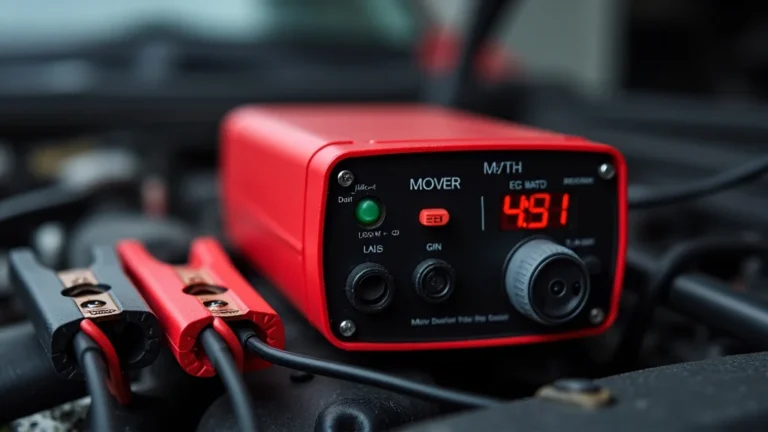
Charging the Battery: If the battery is low, charge it with a battery charger.
Charging a battery is a simple process. It can often restore its power. Follow the instructions on your battery charger. Be patient as charging a battery takes a few hours.
-
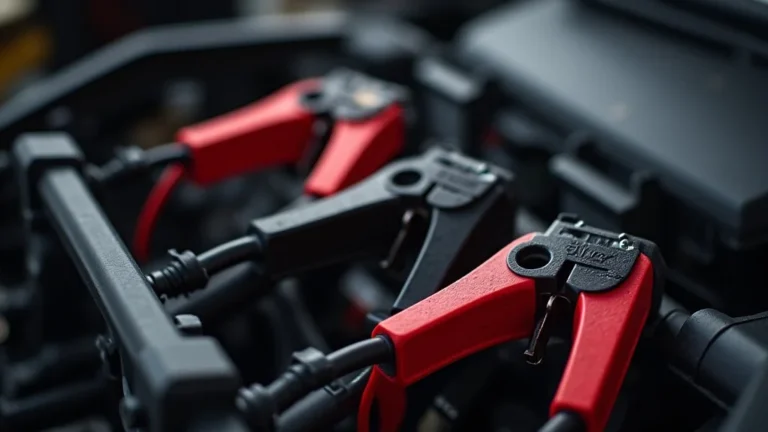
Jump-Starting the Car: If the battery is completely dead, you can jump-start the car.
Using jumper cables, connect your car to another car’s battery. This will provide enough power to start your engine. Jump-starting is a good temporary fix, but it does not fix the underlying issue.
-
Replacing the Battery: If the battery is old or damaged,
Replacing the battery can solve many starting and performance issues. Always dispose of your old battery properly, at a recycling center.
Checking the Charging System
If you’ve
-
Test the Alternator: Use a voltmeter to check the alternator’s output voltage.
The alternator charges the battery while the engine is running. The output voltage should be around 13.5 to 14.5 volts. This test helps determine if the alternator is working correctly.
-
Inspect the Wiring: Look for any loose or damaged wires.
Wiring problems can cause issues with the charging system. Wires might have corrosion or be loose. Loose or damaged wires can prevent the battery from charging properly.
-
Replace Components: Repair or replace any faulty charging system components.
If the alternator is not charging the battery, it might need to be replaced. Replacing the alternator or other components is best left to a mechanic, as it requires special tools and knowledge.
Frequently Asked Questions
Question: What causes a rough idle?
Answer: A rough idle can be caused by many things, including a weak battery causes rough idle. Other causes include faulty spark plugs, vacuum leaks, and problems with the fuel system.
Question: How do I know if my battery is bad?
Answer: Common signs of a bad battery include slow engine cranking, dim headlights, and a rough idle. Also, visual clues like corrosion on the terminals or a swollen battery case can indicate issues.
Question: Can a bad battery damage my car?
Answer: Yes, a failing battery can damage your car’s electrical components, particularly if it causes voltage fluctuations or underpowering of essential systems. A weak battery can cause stress on other components, too.
Question: How often should I replace my car battery?
Answer: Car batteries typically last 3-5 years, but this can vary depending on usage, climate, and maintenance. Regular testing can help you determine when it’s time to replace it.
Question: Can I fix a weak battery?
Answer: Yes, you can often charge a weak battery to restore its performance. However, if the battery is old, damaged, or cannot hold a charge, replacement is often the best solution.
Final Thoughts
When your engine starts to run rough, it can be concerning. However, a weak battery causes rough idle is often the root of the problem. Your car’s battery is the key to many essential functions, including providing power to the engine’s “brain” and sparking the fuel-air mixture. Identifying these issues can be as simple as checking the battery terminals. If you experience slow cranking, dim headlights, or rough idling, it’s often a sign that your battery needs attention. By following simple steps, like inspecting your battery, checking the voltage, and addressing charging issues, you can often fix the issue. Remember to always prioritize your safety when working on your car. Don’t hesitate to seek help from a professional if you’re uncomfortable with any of the steps. Keeping your battery healthy is a proactive step that protects your car’s engine performance.