Best Battery Choice for Cold Climates Explained
Figuring out the best battery type for cold weather can be tricky. It’s something many people face, especially those living in areas with harsh winters. Don’t worry if you’re feeling a bit lost; it’s a common concern! We’ll break down the science in a way that’s easy to grasp. This guide will walk you through the options, helping you select the perfect battery to keep your devices running smoothly, even when it’s freezing outside. Let’s get started.
How Cold Weather Affects Batteries
Cold weather significantly impacts how batteries perform. The chemical reactions that power batteries slow down as temperatures drop. This slowdown reduces the amount of power the battery can provide and can even damage the battery over time. The impact varies depending on the battery type and the severity of the cold. Different battery chemistries react differently to temperature fluctuations, which is why choosing the right type is important.
The Science Behind Battery Performance
Batteries work by using chemical reactions to create electricity. These reactions involve the movement of ions between the positive and negative terminals. The speed of these chemical reactions directly affects the battery’s ability to deliver power. Cold temperatures decrease the rate of these reactions. Think of it like a car engine struggling to start in the winter; the oil is thicker and takes more effort to circulate, just like the chemicals inside a battery. This is why batteries may seem to drain faster in cold environments.
- Decreased Chemical Reaction Rates: Lower temperatures slow down the movement of ions within the battery. This reduces the current flow and the battery’s overall voltage.
- Increased Internal Resistance: Cold weather increases the internal resistance of a battery. This increased resistance makes it harder for the battery to deliver power.
- Reduced Capacity: A battery’s capacity, or the amount of energy it can store, is reduced in cold conditions. This means the battery will provide less power before needing to be recharged or replaced.
- Electrolyte Viscosity: The electrolyte solution inside a battery becomes more viscous (thicker) in the cold. This makes it harder for ions to move around, further reducing performance.
For example, a study showed that the capacity of a lithium-ion battery can drop by up to 40% when exposed to temperatures below freezing. This reduction in capacity means your phone or car battery will not last as long. Understanding these factors is key to choosing the best battery type for cold weather.
Different Battery Types and Their Cold Weather Performance
Different types of batteries handle cold weather differently. Some perform better than others, and it is crucial to know the strengths and weaknesses of each type. Lead-acid batteries, once common in cars, are particularly sensitive to cold, while lithium-ion batteries used in smartphones and laptops have different characteristics. Understanding these variances will assist you in making an informed decision about which battery fits your needs.
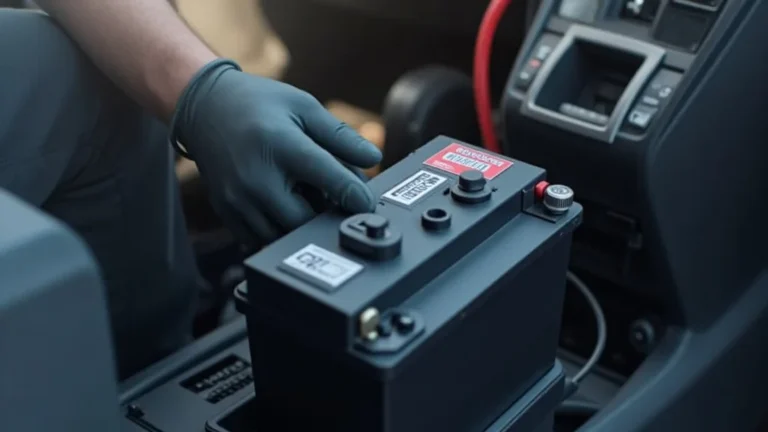
- Lead-Acid Batteries: Lead-acid batteries, often found in cars, struggle in the cold. Their performance decreases significantly, especially in extreme temperatures.
- Lithium-Ion Batteries: Lithium-ion batteries used in many devices generally perform better in cold weather than lead-acid. However, their performance also decreases at lower temperatures.
- Nickel-Metal Hydride (NiMH) Batteries: NiMH batteries, often found in rechargeable devices, also experience performance degradation in cold temperatures but are less affected than lead-acid.
- Alkaline Batteries: Alkaline batteries, used in many household items, tend to have poorer cold-weather performance compared to lithium-ion, especially in power-hungry devices.
A recent comparison found that lithium-ion batteries maintained around 70-80% of their capacity at 0°C (32°F), while lead-acid batteries dropped to below 60%. This shows the importance of selecting the suitable battery based on where you plan to use it.
Battery Care and Maintenance in Cold Climates
Taking good care of your batteries in cold weather can help them last longer and work better. Proper care extends to everything from storage to usage and charging. Whether you’re dealing with a car battery or those in your handheld electronics, simple steps can make a big difference. This includes understanding optimal storage temperatures and how cold affects the charging process.
- Store Batteries Properly: Store batteries in a cool, dry place when not in use. Temperatures around 20°C (68°F) are ideal.
- Insulate Batteries: For car batteries, consider using an insulated battery blanket to protect them from extreme temperatures.
- Charge Regularly: Charge batteries regularly, especially in winter. This keeps them from deep discharge, which can damage them in the cold.
- Use Compatible Chargers: Use chargers designed for the specific battery type to ensure safe and efficient charging in all conditions.
Storing a car battery in a garage instead of outdoors, when possible, can prolong its life in winter. For smaller devices, keeping them in a pocket or indoors when not in use can help maintain their performance. These simple actions make a major impact on battery longevity.
What is the Best Battery Type for Cold Weather?
The choice of the best battery type for cold weather depends on the specific application and device. While no battery is immune to the effects of cold, some types handle lower temperatures better than others. Considering the environment, your device, and power needs is key to making the best selection.
Lithium-Ion Batteries as a Top Choice
Lithium-ion batteries have become a popular choice for many reasons, including their ability to handle cold temperatures reasonably well. They are often found in devices like phones, laptops, and electric vehicles. While their performance does decrease in cold weather, they generally outperform other types like lead-acid and alkaline batteries.
- Good Performance in Moderate Cold: Lithium-ion batteries maintain a higher percentage of their capacity in cold weather compared to lead-acid batteries.
- Lightweight and Compact: They are lighter and smaller than many other types, making them ideal for portable devices.
- High Energy Density: Lithium-ion batteries offer a high energy density, allowing devices to run longer on a single charge.
- Widely Available: They are readily available and used in a wide range of devices, making replacement easy.
Real-life data demonstrates that electric vehicles with lithium-ion batteries see a range reduction in winter, but they are still a practical choice for most drivers. A study found that the performance of electric vehicles with lithium-ion batteries decreased by 20-30% in cold weather conditions. Despite the loss, electric vehicles continue to provide a sustainable transportation solution.
Lead-Acid vs. Lithium-Ion in Cold Environments
A comparison of lead-acid and lithium-ion batteries reveals the performance differences in cold weather. While lead-acid batteries are still used in some vehicles, especially older models, lithium-ion has made significant advancements. Choosing between these types comes down to your specific needs.
| Feature | Lead-Acid Battery | Lithium-Ion Battery |
|---|---|---|
| Cold Weather Performance | Significant drop in performance | Moderate drop in performance |
| Weight | Heavier | Lighter |
| Energy Density | Lower | Higher |
| Cost | Generally less expensive | Generally more expensive |
Based on the table, lithium-ion is often the better choice for cold environments due to its higher performance and reduced weight. However, the choice still depends on the context. For instance, in a classic car, the cost benefits of lead-acid could still be attractive.
Other Battery Types and Their Use
Other battery types also have their places, even in cold climates. Alkaline batteries are commonly found in household items, while NiMH batteries provide a rechargeable option. Although they might not always be the top choices for cold, knowing their characteristics will assist you in making an informed decision.
- Alkaline Batteries: These are best used in low-drain devices and should be stored indoors in cold weather.
- Nickel-Metal Hydride (NiMH) Batteries: NiMH batteries provide a rechargeable alternative. Their performance can suffer a bit in cold weather, but they’re still useful in devices like flashlights.
- Consider Device Specifics: Always check the device’s manual to find the manufacturer’s suggested battery type for optimum performance.
In a real-world scenario, you might choose NiMH batteries for a flashlight since you can recharge them and use them again later. If your area sees only moderately cold weather, alkaline might work, too. Understanding the pros and cons of each type is important.
Choosing the Right Battery for Your Needs
To choose the correct battery, it’s necessary to consider several factors. These include the climate where you live, the device you intend to use, and your energy needs. Taking these details into account will help ensure you select the best battery type for cold weather for your specific situation.
Assessing Your Climate and Usage
The climate is a major factor in battery choice. If you live in an area with severe winters, where temperatures drop well below freezing, you’ll need a battery that performs well in those conditions. Likewise, how you plan to use your device in cold weather matters.
- Identify Your Climate: Determine the average and lowest temperatures your device will encounter.
- Consider Usage Patterns: Consider how frequently you use your device and how long it needs to run on a single charge.
- Outdoor vs. Indoor Use: Is your device typically used outdoors in freezing conditions, or mostly indoors?
For example, if you frequently use your smartphone outdoors in freezing weather, a lithium-ion battery with a protective case would be a better choice compared to lead-acid batteries. The usage pattern and climate will help you make a suitable battery choice.
Matching Battery Types to Devices
Different devices have different energy needs. Larger devices, like cars, need batteries with high power output. Smaller devices, such as remote controls, require different types. Always match the battery type to the device’s requirements to ensure it works correctly in cold weather.
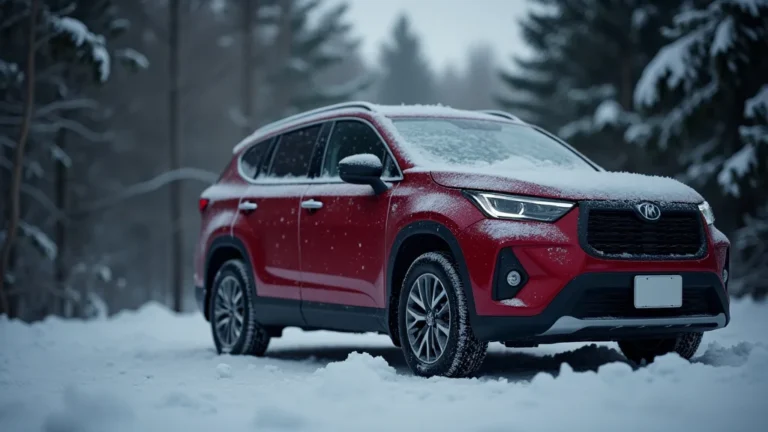
- For Cars: Select a battery designed for cold cranking amps (CCA). The higher the CCA, the easier it is to start an engine in cold weather.
- For Smartphones and Laptops: Lithium-ion batteries are usually the top choice. Keep your device warm whenever possible.
- For Small Devices: Alkaline or NiMH batteries might be best. Consider the usage of the device to optimize the choice.
In cold weather, a car battery with a high CCA rating will improve the engine starting performance, ensuring reliable operation. For smartphones, consider a case that offers insulation to reduce the impact of the cold.
Power Requirements and Energy Needs
Your energy needs determine the kind of battery you need. High-power devices require batteries capable of delivering substantial energy. If you need your device to last for long periods without charging, choose a battery with a high capacity. Matching the battery to these needs is key.
- High-Power Devices: Cars, power tools, and other devices need batteries that can provide high current.
- Long-Lasting Needs: If you need a device to last a long time, consider batteries with higher mAh (milliamp-hours) or Wh (watt-hours).
- Rechargeable vs. Disposable: Decide if you prefer a rechargeable battery (like lithium-ion or NiMH) or a disposable one (like alkaline).
For example, a snowblower needs a battery with strong CCA for reliable startup in the cold. For devices like GPS units or trail cameras, capacity and energy efficiency are important to make it last longer during winter.
FAQ: Frequently Asked Questions
Question: Do cold temperatures damage batteries permanently?
Answer: No, in most cases, cold temperatures do not permanently damage batteries. The cold slows down the chemical reactions, reducing performance. Once the battery warms up, its performance usually returns to normal, though prolonged exposure or extreme cold can sometimes affect their overall lifespan.
Question: How can I improve my car battery’s performance in winter?
Answer: You can improve your car battery’s winter performance by keeping it fully charged, using an insulated battery blanket, and regularly checking its terminals for corrosion. Parking your car in a garage when possible will also help to maintain the battery’s temperature.
Question: What’s the best way to store batteries during the winter?
Answer: The best way to store batteries during winter is in a cool, dry place at temperatures around 20°C (68°F). Avoid storing them in extremely cold or hot environments. For batteries used in vehicles, consider removing and storing them indoors if the vehicle isn’t in regular use.
Question: Should I charge my phone in the cold?
Answer: It is generally safe to charge your phone in the cold, but it’s best to allow it to warm up to room temperature first. Charging a cold battery might temporarily reduce its capacity. Avoid charging in extremely cold conditions, if possible, and monitor the battery’s temperature while charging.
Question: Are there any batteries that perform perfectly in cold weather?
Answer: While some batteries perform better than others, no battery performs perfectly in extreme cold. Lithium-ion batteries offer a good balance of performance in cold weather. No matter the type, all batteries will see a reduction in performance as the temperature drops.
Final Thoughts
Choosing the best battery type for cold weather is about knowing your needs and understanding how different types of batteries react to the cold. Lithium-ion batteries are often a smart choice for many devices due to their decent performance in colder conditions and a good balance of size and power. However, it’s also important to consider the device, how you plan to use it, and the temperatures it will be exposed to. Taking these factors into account will assist you in selecting the right battery to keep your devices working through the winter.