Spot the Symptoms of a Dead Car Battery Before It Dies
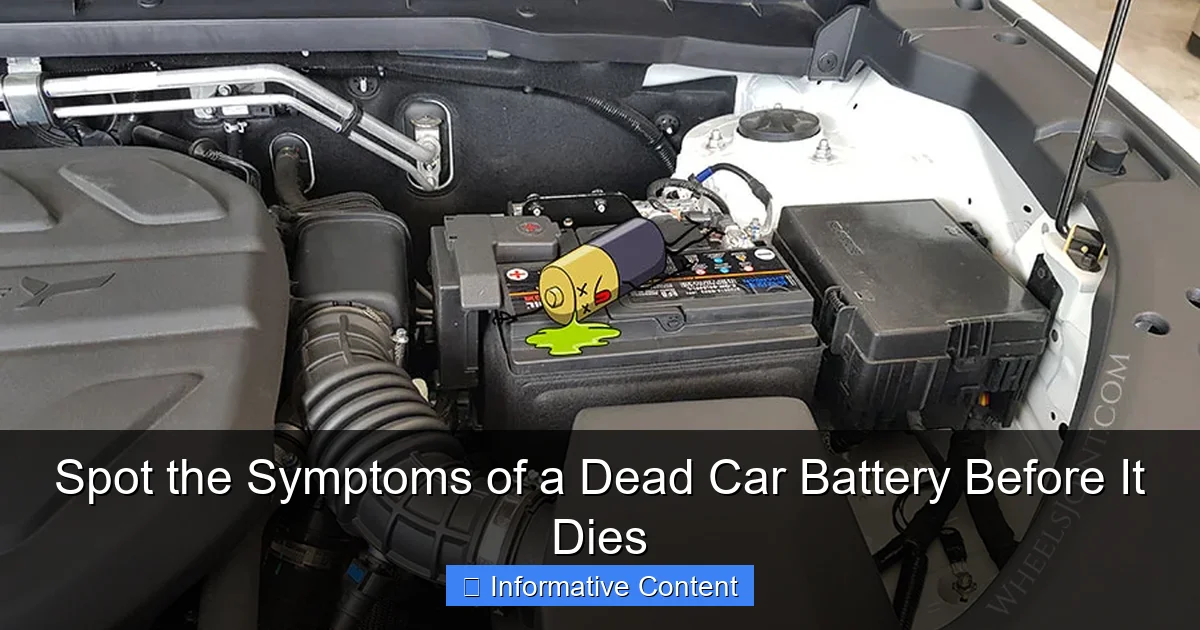
Featured image for symptoms of a dead car battery
Image source: wheelsjoint.com
Avoid unexpected breakdowns by recognizing the early warning signs of a dying car battery! Look out for crucial symptoms like dim headlights, a sluggish engine crank, or tell-tale clicking noises when you try to start your vehicle. Identifying these red flags allows you to proactively replace your battery, ensuring you stay on the road without getting stranded.
Spot the Symptoms of a Dead Car Battery Before It Dies
Picture this: you’re running late for an important appointment, you hop into your car, turn the key, and… nothing. Just a heartbreaking click, or perhaps a dreadful silence. We’ve all been there, or at least dreaded being there. It’s that sinking feeling when you realize your trusty vehicle has decided to take an unscheduled nap, and the culprit is often a dead or dying car battery. It’s a truly frustrating experience that can throw a huge wrench into your day.
The good news? Your car battery usually doesn’t just give up without warning. Most batteries, like a tired friend, will drop subtle hints and even scream louder messages before they completely conk out. Learning to recognize these symptoms of a dead car battery can save you a lot of hassle, time, and stress. Think of it as your car trying to have a conversation with you, telling you it’s not feeling well long before it needs emergency services.
In this comprehensive guide, we’re going to dive deep into all the tell-tale signs and symptoms of a dead car battery. We’ll explore everything from the quiet whispers to the loud shouts, giving you the knowledge to spot trouble early. Our goal is to empower you to take action before you’re stranded, turning a potential breakdown into a simple, manageable battery replacement. Let’s make sure you’re never caught off guard again!
Key Takeaways
- Engine Cranks Slowly: A sluggish start warns of power loss.
- Observe Dim Lights: Weak headlights signal low power levels.
- Listen for Clicking: Rapid clicks mean insufficient starting power.
- Check Dashboard Warnings: A battery light indicates charging system issues.
- Inspect for Corrosion: White powder on terminals suggests a problem.
- Note Battery Age: Most batteries fail after 3-5 years; plan replacement.
- Detect Sulfur Odor: A rotten egg smell signals battery damage or leak.
Quick Answers to Common Questions
What’s the first thing I’ll notice if my car battery is dead?
The most obvious symptom is when your car won’t start at all, or you only hear a rapid clicking sound when you turn the key. These are telltale signs among the symptoms of a dead car battery.
Will my lights still work with a dying battery?
You might notice your headlights are very dim, or your interior lights don’t come on at all when you try to start the car. Weak lights are definitely key symptoms of a dead car battery.
My car starts, but it sounds sluggish. Is that a battery problem?
Absolutely! If your engine cranks slowly or struggles to turn over, it’s a strong indication your battery is losing its charge. This slow crank is one of the early symptoms of a dead car battery.
Can my car tell me if the battery is failing?
Yes, often a battery warning light (shaped like a battery) will illuminate on your dashboard while driving or when you try to start the car. Keep an eye out for this among the symptoms of a dead car battery.
Are there any physical signs I can look for under the hood?
Definitely! Check for a white, blue, or green powdery substance (corrosion) around the battery terminals, or even a rotten egg smell, which are clear symptoms of a dead car battery.
📑 Table of Contents
- The Subtle Warnings: How Your Car Whispers Before It Shouts
- Electrical System Hiccups: More Than Just a Dim Light
- Visual and Odor Clues: What Your Battery Looks and Smells Like
- The Dreaded Silence: When Nothing Happens
- Testing Your Battery: Proactive Steps to Avoid Surprises
- Factors That Shorten Battery Life (and How to Mitigate Them)
- Conclusion: Stay Ahead of Battery Troubles
The Subtle Warnings: How Your Car Whispers Before It Shouts
Before your battery completely gives up the ghost, it often sends out subtle signals. These are the symptoms of a dead car battery that many people overlook, dismissing them as minor quirks of an aging vehicle. Paying attention to these early warnings can give you plenty of time to address the issue.
Slow Engine Crank
This is arguably one of the most common and earliest symptoms of a dead car battery. When you turn the key, does your engine sound like it’s struggling to start? Instead of a quick, confident roar, do you hear a sluggish, drawn-out “rrrr-rrrr-rrrr” before it finally catches? This labored starting sound indicates that your battery is losing its ability to provide the full burst of power needed to crank the engine efficiently. It’s like your battery is trying to lift something heavy but doesn’t quite have the muscle anymore. Don’t ignore this; it’s a clear sign your battery is on its way out.
Dim Headlights and Interior Lights
Another telling sign that often goes unnoticed until it’s more severe are dimming lights. Before starting your car, turn on your headlights. If they appear dimmer than usual, or if your interior dome light looks faint, it suggests the battery isn’t holding a full charge. This becomes even more apparent when you try to start the car. Do your headlights dim noticeably, or do the dashboard lights flicker wildly as you turn the key? This is a classic symptom of a dead car battery struggling to power multiple systems at once. A healthy battery should keep your lights bright and steady.
Clicking Sound Upon Ignition
A single, rapid clicking sound when you turn the key but the engine doesn’t turn over is a strong indicator of low battery voltage. This isn’t the slow, drawn-out grind of a weak battery; it’s a series of quick clicks. What’s happening is that the starter solenoid is trying to engage, but there isn’t enough power from the battery to fully activate it and turn the engine. It’s a last-ditch effort from your car’s electrical system, and a definitive symptom of a dead car battery or one that’s very close to it.
Electrical System Hiccups: More Than Just a Dim Light
As your battery weakens, it can affect more than just starting the car. The battery is the heart of your car’s electrical system, and when it’s failing, other components can start acting strangely. These more pronounced symptoms of a dead car battery often mean you’re running on borrowed time.
Dashboard Warning Lights
Modern cars are full of sensors and warning lights, and one of the most direct messages about your battery comes from the dashboard. If you see a battery-shaped warning light illuminated on your dashboard while driving, it means there’s an issue with your charging system. This could be the battery itself, or it could be a problem with the alternator that charges the battery. Either way, it’s a critical symptom of a dead car battery (or one that isn’t getting charged) that demands immediate attention. Ignoring this light is a gamble you don’t want to take.
Malfunctioning Electrical Components
Are your power windows rolling up slower than usual? Is the radio cutting out? Are your seat heaters barely warming up? When your car battery is struggling, it may not be able to provide consistent power to all the auxiliary electrical components. This can lead to erratic behavior or complete failure of things like the radio, navigation system, power locks, or even the climate control fan. These intermittent issues, especially when coupled with other symptoms of a dead car battery, point to an overall power deficiency. It’s your car’s way of saying it can’t handle all its responsibilities.
Unusual Odors or Smells
While less common as an early sign, a dying battery can sometimes emit a distinct smell. If you notice a strong, rotten egg or sulfur smell emanating from under the hood, it’s a serious indicator that your battery is likely overcharging or has an internal short circuit. This often means electrolyte (battery acid) is leaking or boiling, which can be dangerous. This is a crucial symptom of a dead car battery that needs immediate inspection by a professional. Do not ignore this smell!
Visual and Odor Clues: What Your Battery Looks and Smells Like
Sometimes, the problem isn’t just about how your car behaves; it’s about what you can actually see and smell. A quick visual inspection of your battery can reveal some crucial symptoms of a dead car battery that indicate it’s time for a replacement.
Corrosion on Battery Terminals
Take a peek under the hood at your battery. Do you see a fluffy, powdery substance – often white, blue, or green – around the battery terminals? This is corrosion, and while a little bit can be normal over time, excessive buildup is a major problem. Corrosion impedes the flow of electricity between the battery and the car’s electrical system, making it harder for your battery to deliver power. It’s like having a clogged artery; the power can’t get through efficiently. This is a common symptom of a dead car battery, as it struggles to maintain a clean connection and can indicate a leaking battery or an inefficient charging system.
Swollen or Bulging Battery Case
This is a serious visual cue. If your battery case looks swollen, bulging, or distorted, particularly on the sides, it’s a dangerous symptom of a dead car battery. This swelling usually indicates extreme heat, overcharging, or internal damage, which can cause gases to build up inside the battery. A swollen battery is at risk of leaking, exploding, or failing completely without warning. If you see this, do not attempt to jump-start the car. Get the battery replaced by a professional immediately and handle it with extreme caution.
Battery Fluid Leaks
While modern maintenance-free batteries are sealed, older types or damaged batteries can leak. If you see any wetness or residue on top of or around the battery, it could be leaking battery acid. This corrosive liquid is dangerous and signifies a compromised battery. Leaking fluid reduces the battery’s electrolyte levels, directly impacting its ability to hold a charge. Any evidence of leakage is a clear symptom of a dead car battery that needs to be replaced.
The Dreaded Silence: When Nothing Happens
These are the symptoms of a dead car battery that leave no room for doubt. You’ve gone past the whispers and the shouts, and now your car is just… silent. This is usually the point where most people realize they have a serious battery problem.
No Engine Crank or Power
You turn the key, and absolutely nothing happens. No clicks, no whirs, no lights on the dash. Your car is completely dead. This is the ultimate, undeniable symptom of a dead car battery. There’s simply no power left to even try and engage the starter motor. It’s a complete electrical blackout, and usually means the battery voltage has dropped to an extremely low level, or it has an internal short circuit making it incapable of delivering any current.
Single Click and No Start
Slightly different from the rapid clicking mentioned earlier, sometimes you’ll hear a single, distinct “clunk” or “click” when you try to start the car, and then nothing. This typically happens when the battery has enough juice to activate the starter solenoid but not enough to actually turn the engine over. The solenoid tries to engage the starter motor but fails due to insufficient current. This is still a strong symptom of a dead car battery, signaling that what little power it has is not enough for the main task of starting the engine.
Warning: Jump-Starting Challenges
While jump-starting can be a temporary solution for a dead battery, if your battery dies repeatedly even after being jumped, or if it can’t hold a charge for more than a few minutes after the jump, it’s a clear indicator that the battery itself is beyond repair. A jump-start should ideally get your car going and allow the alternator to recharge a merely depleted battery. If it doesn’t, or if the car dies again shortly after, the battery cells are likely damaged, making it a definitive symptom of a dead car battery that needs replacement.
Testing Your Battery: Proactive Steps to Avoid Surprises
Why wait for the symptoms of a dead car battery to manifest themselves when you can proactively check its health? Regular testing can give you peace of mind and help you replace your battery before it leaves you stranded.
Using a Voltmeter for Voltage Check
One of the easiest DIY tests is to use a voltmeter. With your car off and the engine cold, connect the voltmeter probes to the battery terminals (red to positive, black to negative). A healthy, fully charged battery should read around 12.6 to 12.7 volts. If your reading is consistently below 12.4 volts, your battery is undercharged and potentially struggling. Readings below 12.0 volts indicate a significantly discharged or dying battery. This simple test is a great way to catch the early symptoms of a dead car battery. Remember, these are resting voltages; the voltage will drop when you try to start the car.
Load Testing
While a voltmeter tells you the battery’s static charge, a load tester assesses its ability to maintain voltage under a heavy electrical load (like starting the engine). Many auto parts stores offer free battery load testing. They’ll connect a specialized tool that simulates the strain of starting your car. If the battery’s voltage drops significantly below a certain threshold during the load test, it indicates a weak battery that can no longer deliver the necessary cranking amps. This is a more definitive test to uncover the true symptoms of a dead car battery before it fails completely.
Professional Battery Inspection
If you’re unsure or don’t have the tools, the best approach is a professional inspection. Mechanics and battery specialists have advanced diagnostic tools that can accurately assess your battery’s health, its cold-cranking amps (CCA), and internal resistance. They can identify the subtle symptoms of a dead car battery that you might miss and tell you exactly how much life is left in it. Many service centers offer this as a free check-up, especially during routine maintenance.
Here’s a quick guide to what typical battery voltage readings indicate:
| Voltage Reading (Car Off) | Battery Charge Level | Action Recommended |
|---|---|---|
| 12.6 – 12.7 Volts | 100% (Fully Charged) | Healthy, good to go. |
| 12.4 – 12.5 Volts | 75% | Minor discharge, monitor regularly. |
| 12.2 – 12.3 Volts | 50% | Significantly discharged, consider charging and further testing. |
| 12.0 – 12.1 Volts | 25% | Critically low charge, requires immediate charging and likely replacement. |
| Below 12.0 Volts | Dead or Severely Damaged | Battery is likely dead or permanently damaged, replace immediately. |
Factors That Shorten Battery Life (and How to Mitigate Them)
Understanding the common symptoms of a dead car battery is vital, but knowing what contributes to battery failure can help you extend its life and prevent those symptoms from appearing prematurely.
Age of the Battery
No battery lasts forever. On average, car batteries last between 3 to 5 years. Once a battery passes its typical lifespan, even if it seems fine, it becomes more prone to sudden failure. The internal components degrade over time, reducing its capacity to hold a charge and deliver power. If your battery is approaching or past this age mark, even minor symptoms of a dead car battery should be taken seriously. Proactive replacement around the 4-year mark can save you from unexpected breakdowns.
Extreme Temperatures
Both extreme heat and extreme cold are detrimental to battery health. Heat speeds up the chemical reactions inside the battery, leading to faster degradation and evaporation of battery fluid. Cold weather, while not damaging in the same way, reduces the battery’s efficiency and ability to deliver current, making it harder to start the engine. You might notice the symptoms of a dead car battery more acutely during a cold snap because the battery has to work harder. Parking in a garage or using a battery blanket in very cold climates can help.
Short Trips and Infrequent Driving
Your car’s alternator recharges the battery while you drive. If you frequently make very short trips (less than 20 minutes), the alternator might not have enough time to fully recharge the battery. Over time, this can lead to a chronically undercharged battery, shortening its lifespan. Similarly, if your car sits unused for extended periods, the battery will slowly discharge on its own, and parasitic drains (small components drawing power even when the car is off) can hasten this process. If you often experience symptoms of a dead car battery after your car has been parked for a while, this might be the reason. Consider using a trickle charger if your car sits for weeks at a time.
Leaving Lights On or Using Electronics with the Engine Off
This is a classic rookie mistake, but it happens to the best of us! Leaving your headlights on, an interior light, or even running the radio or charging devices when the engine is off can quickly drain a battery. Even a few hours can be enough to completely deplete a healthy battery, leading to the immediate symptoms of a dead car battery. Always double-check that all lights and accessories are off before you leave your vehicle. Modern cars often have warnings for this, but it’s still good practice.
Conclusion: Stay Ahead of Battery Troubles
Recognizing the symptoms of a dead car battery isn’t just about avoiding a roadside emergency; it’s about being a more informed and proactive car owner. From the subtle groan of a slow start to the ominous smell of sulfur or visible corrosion, your battery is constantly trying to communicate its health to you. By paying attention to these signs, understanding what they mean, and taking simple preventative measures, you can dramatically reduce your chances of being stranded.
Remember, a car battery is a wear-and-tear item, not a lifetime component. Regular checks, especially as your battery approaches its typical lifespan of 3-5 years, are your best defense against unexpected failure. Don’t wait for that dreaded silence on a busy morning. Arm yourself with this knowledge, inspect your battery periodically, and get it tested if you notice any of the warning signs. Stay safe on the road by spotting the symptoms of a dead car battery before it truly dies, ensuring your vehicle is always ready to go when you are!
Frequently Asked Questions
What are the most common symptoms of a dead car battery?
The most common symptom is your car failing to start, or cranking very slowly when you turn the key. You might also notice dim headlights or dashboard lights, or hear a clicking sound instead of the engine turning over.
Are there any early warning signs of a failing car battery?
Yes, early signs include your engine cranking slower than usual, or needing several attempts to start your car. Your dashboard warning lights might also flicker or appear dimmer than normal before the battery completely dies.
My car’s lights work, but it won’t start. Is it a dead car battery?
It’s possible. While some accessories like lights might still work on very low power, there might not be enough voltage left to crank the engine. A very weak or dead car battery can often power minimal electronics but fail to start the car.
Why does my car make a clicking sound but won’t start?
A rapid clicking sound when you try to start your car is a classic symptom of a dead car battery. This sound indicates that there isn’t enough power to fully engage the starter motor and turn the engine over.
Can a dead car battery affect other electrical components?
Absolutely. A dead car battery can cause various electrical issues, from affecting your car’s radio and power windows to triggering warning lights on your dashboard. It essentially cuts off the main power source for your vehicle’s entire electrical system.
Are there any unusual smells or visual signs of a dead car battery?
Yes, you might notice a strong, rotten egg smell near the battery, which indicates a leak or internal damage. Visually, corrosion around the battery terminals or a swollen battery case can also be clear signs of a failing or dead car battery.