How to Know if Your Battery Needs Changing
Figuring out how to know battery needs replacement can seem tricky, especially if you’re new to tech. It’s common to feel unsure about what to look for and when to act. Don’t worry, it’s easier than you think! This post will walk you through the simple signs your battery is giving up, helping you avoid frustrating downtime. Get ready for straightforward steps that make it clear what to do.
Recognizing the Signs of a Dying Battery
Knowing when to replace a battery involves paying attention to how your devices behave. Often, the decline is gradual, and you might not notice the changes immediately. However, several symptoms strongly indicate that a new battery is necessary. These signs include decreased performance, unexpected shutdowns, and physical changes to the battery itself. Recognizing these clues early can prevent more significant problems and save you from unnecessary device damage.
Performance Slowdowns: A Common Symptom
One of the earliest indicators is a decrease in performance. Your device might start feeling sluggish, apps could take longer to open, and the overall responsiveness might diminish. This slowdown happens because the battery can no longer supply the required power at the optimal rate. As the battery ages, its ability to hold a charge declines, resulting in less power available for use. This degradation causes the device to work harder, slowing down operations. The performance issues can range from minor lags to significant delays, impacting user experience.
- Slower Startup Times: If your device takes longer to boot up, it could signal a battery issue. The battery might not be providing enough initial power.
- Lagging Applications: Apps that used to open quickly may begin to stutter or take an extended time to launch. This is often the first thing people notice.
- Reduced Responsiveness: The overall feel of your device might become less smooth. Interactions will feel slow.
- Frequent Freezes: The device might freeze more often than usual, indicating power instability. The device is struggling to function with limited power.
- Inconsistent Speed: Performance might fluctuate. It may work at normal speeds sometimes, while other times it’s much slower.
For example, imagine a laptop. If it takes three times as long to start as it used to, or if programs consistently hang or take forever to respond, it’s a significant indicator. Likewise, if a smartphone regularly lags while browsing the web or using apps, the battery might be the culprit.
Unexpected Shutdowns: A Warning Signal
One of the more alarming signs of a failing battery is unexpected shutdowns. These happen when the battery can no longer provide enough power to keep the device running, even when the battery indicator shows some charge remaining. These shutdowns can occur at any charge level, making it difficult to predict when the device will die. This behavior typically worsens over time as the battery’s capacity further deteriorates, indicating the need for immediate
- Shutting Down at Various Charge Levels: The device turns off randomly, not just when the battery is almost empty, suggesting a deep-seated issue. The phone or laptop might indicate it has 20%, 30%, or even 50% battery life left before shutting down without warning.
- Inconsistent Shutdown Behavior: The problem may not happen consistently. It might be random, making it difficult to diagnose.
- Shutdowns During Intensive Tasks: The device may be more likely to shut down when running demanding applications, like games or video editing software. This shows the battery is failing under stress.
- Repeated Shutdowns: Frequent shutdowns are a stronger indicator of a problem than occasional occurrences. This persistent problem indicates the need for intervention.
- Failure to Restart Immediately: After a shutdown, the device may take an extended time to restart or may not start at all.
Consider a phone shutting down at 30% battery during a crucial call. Or imagine a laptop turning off while you’re saving a critical document. These scenarios highlight the disruptive nature of unexpected shutdowns. They happen because the battery can no longer deliver the consistent power that the device needs to keep running.
Physical Changes and Battery Swelling: Dangerous Signals
Sometimes, the battery gives physical signs of failing. Swelling or other visible changes are serious indicators that the battery is no longer safe to use. These changes are usually caused by internal chemical reactions that produce gas, expanding the battery. Ignoring these signs can lead to dangerous situations, including device damage or, in extreme cases, fire. Inspecting the battery regularly is essential to ensure safety. Always handle swollen batteries carefully and seek professional advice to ensure safe disposal.
- Battery Swelling: A clear sign is the battery itself bulging, causing the device to expand or distort. This is caused by gas buildup inside the battery.
- Device Distortion: If the device’s screen or casing is separating or bulging, it could mean a swollen battery is pushing against its internal components.
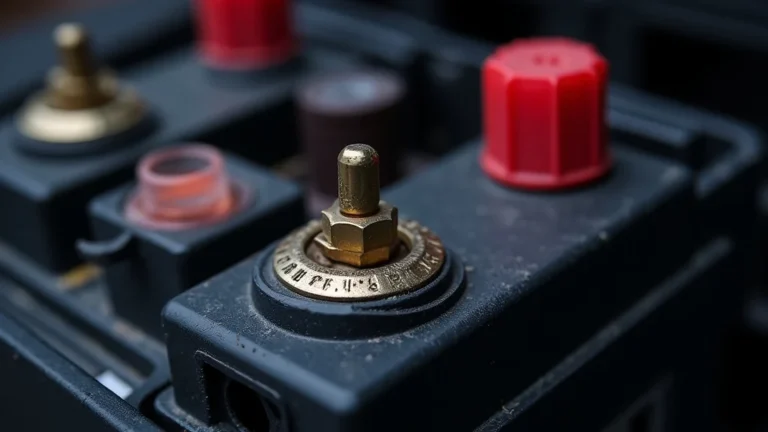
- Visible Leaks or Corrosion: Any signs of fluid leakage or corrosion around the battery compartment or the battery itself suggest that the battery is damaged. This often indicates internal damage.
- Unusual Heat: A battery that becomes excessively hot during normal use is another problem sign. It could also suggest a dangerous internal reaction.
- Odd Noises: Strange sounds, like hissing or popping, coming from the device or battery should be investigated immediately. These sounds may point to internal issues.
A laptop’s trackpad getting harder to click or a phone’s screen lifting away from the frame are visual cues of a swelling battery. If you notice any of these changes, cease using the device immediately. Ignoring these physical signs can make the situation very dangerous. Always seek help from a qualified technician for further evaluation and replacement.
Understanding Battery Lifespan and Degradation
The length of time a battery lasts depends on many factors, including the type of battery, the usage patterns of the device, and the environmental conditions it is used in. Battery degradation is a natural process where the battery’s ability to hold a charge reduces over time and with use. This decline is not a sudden event, but a gradual one, and it is crucial to understand the rate of degradation to predict battery replacement timing. Regular maintenance and proper use can help delay this process.
Battery Types and Their Properties
Different types of batteries are used in various devices, and each type has its own properties regarding lifespan, performance, and degradation. Understanding the differences between these types can help you decide which one will be best suited for your devices. Modern electronics commonly use lithium-ion (Li-ion) batteries due to their high energy density and light weight. However, they also have specific degradation patterns. Other technologies, like nickel-metal hydride (NiMH) batteries, may have different lifespans and charging characteristics.
- Lithium-Ion (Li-ion): The most common type, known for its high energy density and low self-discharge rate. However, Li-ion batteries degrade with each charge cycle and are sensitive to heat. This battery type is widely used in smartphones, laptops, and electric vehicles.
- Lithium-Polymer (Li-Po): These are similar to Li-ion but are often more flexible and can be made in various shapes. They are known for providing high power in a small package. These batteries are common in drones and other portable gadgets.
- Nickel-Metal Hydride (NiMH): A more established type of battery. These are less sensitive to temperature changes and more stable but have a lower energy density than Li-ion batteries. NiMH batteries are frequently found in older devices and some rechargeable AA and AAA batteries.
- Nickel-Cadmium (NiCd): These older batteries are more resistant to abuse and have a longer lifespan, but they have a lower energy density and can suffer from the “memory effect” if not fully discharged before recharging.
- Alkaline: Non-rechargeable, single-use batteries, commonly found in remotes, clocks, and flashlights. Alkaline batteries are very affordable but not an efficient source of energy.
For example, a Li-ion battery in a smartphone might last 2-3 years under normal use, while a NiMH battery in a digital camera might have a slightly shorter lifespan due to its degradation rate. Every type of battery degrades over time, so it’s essential to consider the technology behind your devices.
Charging Cycles and Their Effects
A charging cycle refers to the process of using the battery’s full capacity, whether through a single charge-discharge cycle or several partial cycles that add up to a full cycle. Each charge cycle contributes to battery degradation. Understanding this can help you better manage your battery’s lifespan. The number of cycles a battery can endure before its capacity drops significantly varies based on the battery type and other factors such as temperature and charging habits. For optimal battery life, one should adopt charging methods that limit the number of cycles and reduce the strain on the battery.
- One Full Cycle: This is when you use 100% of the battery’s capacity from full to empty, then recharge it back to 100%. One full cycle means using all the battery’s energy.
- Partial Cycles: Using smaller amounts of battery life and recharging. Several partial cycles can add up to a full charge cycle.
- Typical Lifespan Based on Cycles: Li-ion batteries are usually rated for 300–500 full charge cycles before significant degradation. Each cycle causes a small amount of wear.
- Impact of Frequent Charging: Frequent partial charges can be better for some battery types, reducing the wear caused by a complete discharge cycle.
- Depth of Discharge: Regularly discharging the battery deeply (e.g., to 0%) can put more stress on the battery and reduce its lifespan.
Consider a laptop battery rated for 500 charge cycles. If you charge and discharge the battery completely every day, you could expect the battery to last about a year and a half before significant degradation. However, if you typically charge the laptop at 30% and then top it up, you can extend the battery life since the partial charge cycles place less stress on the battery’s lifespan. Every charge cycle does the same amount of ‘wear and tear’ on your battery.
Environmental and Usage Factors
The conditions under which a device is used and stored also affects the lifespan of a battery. High temperatures, for example, can speed up the rate of degradation for lithium-ion batteries, which is something to think about. Similarly, the way you use the device, such as the number of charging cycles, can affect the battery’s performance. Optimizing your device’s environment and use can extend the life of a battery and maintain its effectiveness for longer. This includes storing the device in a cool place, avoiding extreme temperatures, and following best practices for charging.
- Temperature Extremes: High heat accelerates battery degradation. Avoid leaving devices in direct sunlight or hot cars. Heat speeds up the chemical reactions that break down the battery.
- Charging Habits: Frequent fast charging can put stress on a battery. Try to avoid fast charging methods whenever possible to extend the battery’s life.
- Discharge Depth: Regularly fully discharging the battery can cause damage. Partially charging and discharging the battery can help preserve its lifespan.
- Usage Patterns: Using the device continuously at high settings will deplete the battery more rapidly than lighter use. High usage puts greater demands on the battery.
- Storage Conditions: Storing devices at around 40%–50% charge in a cool place is the best way to extend their battery life when not in use.
Imagine leaving your phone on the dashboard of your car on a hot summer day. The extreme heat may cause its battery life to decrease significantly over time. Similarly, charging a laptop overnight at 100% might put stress on the battery, possibly reducing its lifespan. Consider the impact of these factors on your device’s batteries.
Evaluating Battery Performance
Several methods exist to assess how well a battery performs. Simple tests and observation can often reveal issues, helping you decide when to replace the battery. Using software to check battery health and conducting more advanced diagnostics are also useful. Regular assessment lets you track battery degradation and make more informed decisions about replacement.
Simple Testing and Observation
Before using specialized tools, you can perform some simple tests to see how your battery is doing. These tests can reveal obvious problems such as how long a full charge lasts, and if there are any irregularities in battery behavior. Paying attention to these basic metrics will help you determine whether more detailed inspection is required. This method involves observing the device’s behavior during use and documenting any changes over time.
- Time to Charge: Notice how long the device takes to fully charge. A significantly longer charging time might indicate a problem.
- Time on a Full Charge: Track how long the device lasts on a full charge under normal usage. This will show you the battery’s ability to hold a charge.
- Heat During Charging: Check whether the device or the battery becomes unusually hot during charging. This could be a safety hazard.
- Power Drain During Idle: Check how much the battery drains while the device is not in use. Excessive drain during idle periods could suggest a fault.
- Battery Indicator Accuracy: Pay attention to the accuracy of the battery indicator. Notice any sudden drops in battery level.
For example, if your phone used to last a full day on a single charge and is now down to just a few hours, the battery performance has dropped. Or, if a laptop takes twice as long to charge than it should, the battery may have problems. These observations can provide crucial initial clues for identifying the issues.
Using Software and Diagnostic Tools
Software and diagnostic tools can give more detailed information about battery health, allowing you to see things that are harder to see with simple observation. Several apps and built-in systems will analyze your battery’s condition, including capacity, number of charge cycles, and wear level. These methods provide a more complete view of battery condition and often offer suggestions for improving battery life. These tools help you pinpoint issues more precisely, helping you decide when a replacement is needed.
- Operating System Diagnostics: Many operating systems include built-in battery health features. These will show details such as the battery’s current capacity.
- Third-Party Apps: Specific applications designed for battery health monitoring provide detailed data, including the number of charge cycles.
- Battery Calibration: Some apps also allow you to calibrate the battery, which can improve the accuracy of the battery indicator.
- Health Reports: These reports provide insights into the battery’s capacity compared to when it was new and can track wear over time.
- Cycle Count Analysis: Software will tell you the number of cycles completed, providing information on the battery’s use.
For example, on a Mac, you can check the battery’s condition by holding the Option key and clicking the battery icon in the menu bar. This will show whether the battery condition is normal, or if replacement is needed. Similarly, smartphone apps show detailed battery statistics. Using these tools lets you make informed decisions about battery replacement.
Professional Testing and Inspection
For more in-depth analysis, especially when the device is under warranty or if the issues persist, professional testing may be required. Technicians can use specialized equipment to assess the battery’s condition more thoroughly. This kind of testing gives a precise evaluation of the battery’s health and can often identify hidden problems. Professional inspection will often provide an accurate diagnosis, ensuring you get the best solution.
- Voltage and Current Testing: Professionals use meters to assess the battery’s voltage and current output under various loads. This testing will reveal if the battery can deliver the needed power.
- Capacity Testing: Specialized equipment will measure the battery’s actual capacity compared to its original rating.
- Internal Resistance Measurement: This measures the internal resistance of the battery, which increases with wear. Increased resistance means the battery’s performance is affected.
- Thermal Imaging: This identifies any heat buildup within the battery. Excessive heat is a sign of a potential fault.
- Chemical Analysis: Although less common, advanced laboratories may perform chemical analysis to determine the precise condition of the battery’s components.
For example, if you’re experiencing repeated shutdowns despite having a full charge, a technician can conduct tests that reveal internal battery problems. Similarly, if you notice unusually rapid charging times or overheating, a professional inspection is required. Professionals can pinpoint the exact cause.
Taking Action: Battery Replacement and Disposal
Deciding to replace the battery is a crucial step to restoring your device’s functionality. This process involves selecting the correct replacement, changing the battery, and getting rid of the old one safely. Knowing these steps ensures both your safety and that you’re protecting the environment. Planning the replacement in advance will avoid downtime. By following the best practices for battery replacement and disposal, you are ensuring the longevity of your devices and help promote environmental responsibility.
Choosing the Right Replacement
Selecting the right replacement battery is critical for both the performance and safety of your device. Always verify the specifications and compatibility of the replacement battery. The replacement must match the original battery’s voltage, capacity, and size. Choosing an incorrect battery can lead to device damage and potential safety hazards. Careful research and buying batteries from trusted retailers are essential for ensuring a proper replacement.
- Check Device Model: The first step is to know the model of your device and battery. This allows you to find compatible replacements.
- Specifications Match: Confirm the voltage, capacity (mAh or Wh), and size of the new battery match the original. Incorrect specifications can harm the device.
- Reputable Retailers: Buy batteries from trusted retailers. Avoid cheap imitations, which may perform poorly or be unsafe.
- Reviews and Ratings: Before buying, check customer reviews. This can provide insight into the product’s quality and reliability.
- Warranty: Ensure that the battery comes with a warranty to protect you against defects or problems.
For instance, if your phone model is an “X123”, the replacement battery must specifically be for the X123 model. If the original battery is 3000 mAh and 3.8V, the new battery needs to match these specifications. Make sure you know the exact battery requirements for your device.
Battery Replacement Procedures
Replacing the battery involves a series of steps to ensure the device remains safe. The precise procedure varies based on the type of device and how the battery is installed. Always turn off the device and disconnect it from all power sources before starting. If you are uncomfortable doing this, seek professional help. Carefully following instructions and using the correct tools is crucial to prevent damage to the device. Take care to avoid static electricity, which can affect the internal components.
- Power Off and Disconnect: Before doing anything, power down your device and unplug it. This prevents electric shock.
- Find the Battery Compartment: Locate the compartment where the battery is located. This might involve removing screws or other fasteners.
- Open the Device: Carefully open the device, often with a special tool. Some devices are held together by clips or adhesives.
- Remove the Old Battery: Gently disconnect the battery connector. If the battery is glued, loosen the adhesive before removal.
- Install the New Battery: Carefully connect the new battery and put everything back together, following the reverse order of the removal.
If you are replacing a laptop battery, you might first need to remove the back panel. After this, disconnect the battery connector and remove the old battery. Install the replacement, reconnect the connector, and reassemble the device. A video will show you the exact steps needed for your device. If you’re not sure, get assistance.
Safe Battery Disposal
Correct battery disposal is important to protect the environment. Batteries contain materials that can be harmful if not disposed of correctly. Always follow local regulations for battery disposal. This includes taking batteries to designated recycling centers or collection points. Incorrect disposal can have negative effects on the environment. Proper disposal helps ensure that valuable materials are recovered and prevents the release of harmful substances into the environment.
- Check Local Regulations: Know the specific rules for battery disposal in your area. Regulations vary from place to place.
- Use Recycling Centers: Take batteries to designated recycling centers. Many communities have collection programs.
- Avoid Landfills: Do not throw batteries in the regular trash or landfills. This can cause environmental pollution.
- Separate Batteries: When possible, separate batteries from other electronic waste to make the recycling process more efficient.
- Consider Battery Recycling Programs: Many retailers offer battery recycling programs. These make it easier to dispose of batteries properly.
For example, you might find battery recycling drop-off locations at your local electronics stores or community centers. By following these guidelines, you’re contributing to a more sustainable environment. Never throw batteries into a fire or in water. Always follow local environmental rules.
Frequently Asked Questions
Question: How often should I replace my battery?
Answer: It depends on your usage. Most Li-ion batteries start to degrade significantly after 2-3 years, or after about 300-500 complete charge cycles. Regular, intensive use may require more frequent replacement.
Question: What’s the best way to extend my battery’s life?
Answer: Try to avoid extreme temperatures, partially charge the battery (e.g., from 20% to 80% instead of fully charging), and avoid letting it drain completely. Proper charging habits and device care are key.
Question: Are there any safety precautions I should take when replacing a battery?
Answer: Yes, always turn off the device, disconnect it from power, and work in a well-ventilated space. If the battery looks swollen or damaged, handle it with care and seek professional help.
Question: Can I replace the battery myself, or do I need a professional?
Answer: It depends on your comfort level and the device. Some batteries are easy to replace, while others require special tools and knowledge. If you’re unsure, it’s best to seek help from a professional.
Question: Where can I dispose of my old battery?
Answer: Check local regulations and find designated recycling centers or collection points in your area. Many electronics retailers also offer battery recycling programs.
Final Thoughts
Knowing how to know battery needs