Why Positive Terminal Corrodes: Causes, Prevention, and Solutions
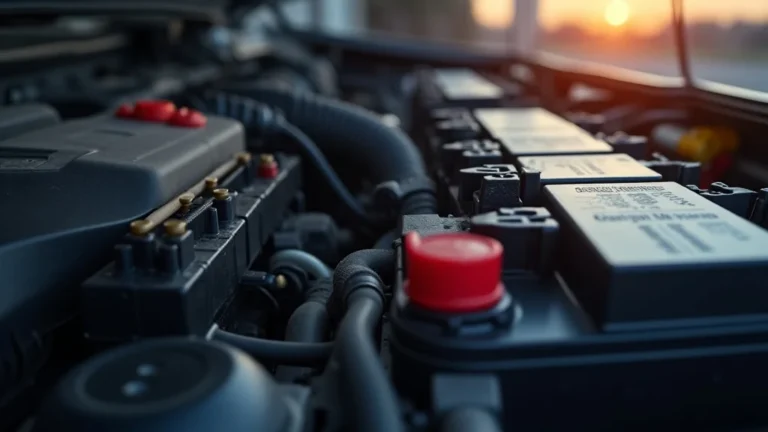
If you’ve ever popped the hood and seen a green, white, or blue fuzzy build-up on your car battery’s terminals, you’re familiar with battery corrosion. Figuring out why positive terminal corrodes can seem tricky, especially if you’re new to car maintenance. Don’t worry, it’s a common issue! We’ll explain the simple reasons behind it and show you step-by-step how to prevent and clean it. Next, we’ll get into the common causes and how to fix it.
Common Causes of Battery Corrosion
Battery corrosion is caused primarily by the release of hydrogen gas and sulfuric acid. These gases escape from the battery and react with the metal terminals and surrounding environment. This chemical reaction leads to the buildup of corrosive substances. Several factors can speed up this process, including heat, overcharging, and the age of the battery. Understanding these factors will help you recognize the signs of corrosion and take steps to prevent it.
Electrolysis and Chemical Reactions
Electrolysis is the process where a chemical reaction occurs when an electric current passes through a solution containing ions. In a car battery, this happens because of the electrolyte (sulfuric acid and water) inside. The positive terminal (anode) of the battery is typically made of lead or a lead alloy. When the battery is in use, the sulfuric acid reacts with the lead. This reaction creates lead sulfate and hydrogen gas. The hydrogen gas then escapes from the battery. These escaping gases react with atmospheric oxygen and moisture, and form corrosive compounds.
- Hydrogen Gas Release: Batteries produce hydrogen gas as a byproduct of the chemical reactions inside. This gas escapes and can react with other substances.
- Sulfuric Acid Leaks: Small amounts of sulfuric acid can leak from the battery, especially near the terminals. This acidic environment accelerates corrosion.
- Lead Sulfate Formation: The lead in the terminals reacts with the sulfuric acid, forming lead sulfate. This is a primary component of the corrosion.
The chemical reactions at the battery terminals are essential for providing power, but they also lead to the formation of corrosive byproducts. The composition of the corrosion can vary, appearing as white, green, blue, or other colors. These colors depend on the specific chemical reactions and environmental factors involved. This buildup on your battery terminals directly impacts how well your vehicle starts and runs.
Overcharging and Heat
Overcharging a car battery and exposure to high temperatures also contribute significantly to the problem. Overcharging occurs when the battery receives more current than it can handle. This causes the electrolyte to break down, releasing more hydrogen gas. Heat can accelerate the chemical reactions inside the battery, which further increases gas emissions and speeds up corrosion. These conditions can quickly deteriorate the terminals and potentially damage the battery itself.
- Excessive Gas Production: Overcharging pushes more current into the battery than it can store. This leads to increased electrolysis, producing more hydrogen gas.
- Electrolyte Degradation: Overcharging breaks down the electrolyte, weakening the battery’s ability to hold a charge.
- Accelerated Reactions: Heat amplifies the chemical reactions, making the corrosion process happen much faster.
To reduce overcharging and heat problems, make sure your car’s charging system is working correctly. This includes the alternator and voltage regulator. Regular maintenance checks, especially during hotter months, are a wise choice. Proper maintenance can prevent significant damage and extend the lifespan of your battery. If your car is stored in hot climates or in direct sunlight for long periods, consider parking it in a shaded area.
Battery Age and Design
Battery age and design play a role in corrosion. As a battery ages, its internal components degrade, leading to increased gas emissions and the potential for leaks. Older batteries are often more susceptible to corrosion than newer ones. Moreover, the design of the battery can influence how easily gases escape. Some batteries are constructed with better sealing and venting systems that reduce the release of corrosive vapors.
- Component Breakdown: Over time, the internal components of a battery break down, leading to more gas leakage and potential damage.
- Sealing and Venting: The design of the battery’s vent and sealing systems directly affects how well it contains gases and fluids.
- Material Quality: The quality of the materials used in the battery, especially the terminals, can influence its resistance to corrosion.
Regularly inspect your battery and its terminals for signs of damage or corrosion. Also, note the battery’s production date. If your battery is older, replacing it with a new one can prevent many corrosion problems and ensure reliable performance. Furthermore, choosing a battery that’s known for good sealing and ventilation can also make a big difference in the long run.
Identifying and Cleaning Corroded Terminals
The first step in addressing the issue is to identify and clean the corroded terminals properly. Recognizing the signs of corrosion and knowing how to safely remove the buildup is crucial. This step-by-step approach will help you clean your battery terminals effectively and prevent future problems. Regular maintenance can save you money and headaches in the long run.
Signs of Corrosion
Recognizing the signs of corrosion early on is key. The most obvious sign is the visible build-up of a white, green, or blue substance around the terminals. This substance is a result of the chemical reactions described earlier. Other indicators of battery corrosion include difficulty starting the car, dim headlights, and an unusual smell near the battery. Addressing these issues as soon as possible is important.
- Visible Buildup: Look for a powdery or crystal-like substance on the terminals and surrounding areas. The color can vary, but it’s often white, green, or blue.
- Starting Problems: If your car struggles to start, especially when cold, corrosion might be the problem. The corrosion can block the flow of electricity.
- Dim Headlights: Corrosion increases resistance in the electrical circuit, leading to lower voltage. This can cause your headlights to appear dimmer than usual.
Regular visual inspections are a good way to catch corrosion early. Pay special attention to the terminals, cable clamps, and the battery tray. Checking your car’s electrical system, like the lights and the starter motor, is important. Acting quickly when you notice corrosion can prevent more serious problems. Simple checks can lead to significant cost savings and prevent issues in your car.
Cleaning Steps
Cleaning corroded battery terminals is simple. You’ll need a few common tools and safety equipment. This section will guide you through the process, providing a clear and straightforward method to restore your battery terminals. Following these steps can help prevent electrical problems and keep your car running smoothly.
- Safety First: Wear safety glasses and gloves to protect your eyes and skin from the acid and corrosion. Work in a well-ventilated area.
- Disconnect the Battery: Use a wrench to loosen the terminal clamps. Always disconnect the negative (-) terminal first, then the positive (+).
- Clean the Terminals: Use a wire brush or a battery terminal cleaner to scrub off the corrosion from the terminals and clamps.
- Neutralize the Acid: Mix a solution of baking soda and water (a tablespoon of baking soda in a cup of water) and pour it over the terminals to neutralize any remaining acid. The solution will fizz as it reacts with the acid.
- Rinse and Dry: Rinse the terminals with clean water and dry them thoroughly with a clean cloth.
- Reassemble: Reconnect the terminals, attaching the positive (+) terminal first, then the negative (-). Tighten the clamps securely.
- Protect the Terminals: Apply a battery terminal protector or grease to help prevent future corrosion.
This process is very effective in removing corrosion and restoring proper electrical connections. The baking soda helps neutralize the acidic residue, and the terminal protector creates a barrier against moisture and corrosion. After cleaning, your car should start more reliably. Also, regularly checking and cleaning your battery terminals can prevent problems from returning.
Tools and Materials Needed
Gathering the correct tools and materials makes cleaning your battery terminals easier and safer. These are common items, readily available at most auto parts stores or your local hardware store. Preparing ahead of time ensures you have everything you need to do the job properly.
- Safety Glasses: To protect your eyes from acid and debris.
- Gloves: Rubber gloves to protect your skin.
- Wrench: To loosen and tighten the terminal clamps.
- Wire Brush: For scrubbing off corrosion. A battery terminal cleaning brush is ideal.
- Baking Soda: For neutralizing acid.
- Water: For mixing with baking soda and rinsing.
- Clean Cloth: For drying the terminals.
- Battery Terminal Protector: Or grease to prevent future corrosion.
Having the correct tools and supplies makes the cleaning process easier and safer. You can easily get these items from an auto parts store or online. Investing in a good-quality wire brush and terminal protector will help in the long run. By keeping these tools handy, you will always be prepared to tackle corrosion. Also, make sure that your workspace has proper ventilation.
Preventing Future Corrosion
Once you’ve cleaned your battery terminals, taking steps to prevent future corrosion is the next logical action. This proactive approach will help keep your battery terminals clean and free from the damaging effects of corrosion. Regular maintenance can save you time, money, and inconvenience by extending your battery’s life and ensuring reliable starts. These practices are all easy to include in your regular maintenance schedule.
Using Protective Products
Several products are made to protect battery terminals and prevent corrosion. These products create a barrier against moisture and the corrosive effects of battery acid. Applying these products is a simple step that can make a big difference in the long run. This ensures your terminals stay clean and your battery functions properly.
- Battery Terminal Protector: This is a spray-on product that creates a protective coating on the terminals and clamps. The coating prevents moisture and gases from reaching the metal.
- Dielectric Grease: Applying dielectric grease to the terminals helps create a seal against moisture and air. This prevents corrosion.
- Anti-Corrosion Washers: These washers, placed between the terminal and the clamp, can absorb acid and prevent corrosion.
Applying these products is simple and takes only a few minutes. Make sure the terminals are clean and dry before applying any protective products. These products will offer protection against the corrosive effects of hydrogen gas and sulfuric acid. Proper application of these protective methods can significantly prolong the life of your battery and prevent starting problems. Doing so may also save you money on replacement costs.
Regular Maintenance Tips
Regular maintenance is a key part of keeping your battery in good shape and preventing corrosion. This includes regular inspections, cleaning, and taking action when you observe any issues. Regular care not only keeps your battery terminals clean but also helps to identify and address any other problems before they become bigger. Maintenance will keep your car running smoothly.
- Visual Inspections: Check the battery terminals for corrosion regularly, ideally every few months.
- Clean Terminals: If you notice any corrosion, clean the terminals as described earlier.
- Check Battery Connections: Make sure the terminal clamps are securely tightened. Loose connections can cause electrical issues and accelerate corrosion.
- Monitor Battery Health: Get your battery tested regularly to ensure it’s holding a charge properly.
Scheduling these actions into your regular car care routine will help prevent corrosion. These steps will also help you to identify other potential problems with your battery or charging system. Checking your battery is a smart choice to reduce unexpected breakdowns and costly repairs. Taking the time to keep up with your car maintenance can save you time and headaches.
Addressing Charging System Issues
Problems with your car’s charging system can cause battery corrosion. A charging system that isn’t working correctly can overcharge the battery or prevent it from charging fully. Checking the charging system is a wise step to address any issues before they harm your battery. Ensuring your charging system works properly is good for your car and your wallet.
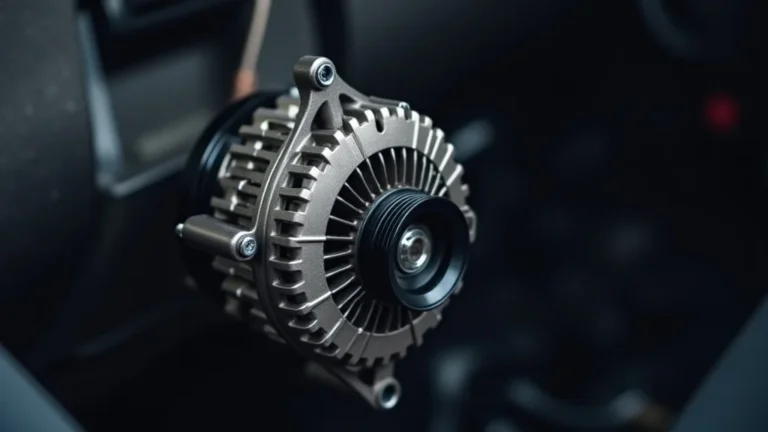
- Check the Alternator: The alternator provides power to your car’s electrical system and charges the battery. Test the alternator’s output voltage to make sure it’s within the correct range.
- Inspect the Voltage Regulator: The voltage regulator controls the amount of power the alternator sends to the battery. If it’s faulty, it can cause overcharging.
- Test the Battery: Make sure the battery can hold a charge. A faulty battery can also cause corrosion and other electrical problems.
- Look for Loose Connections: Check the wiring connections in the charging system for any loose or corroded wires.
If you observe any issues with your charging system, have it checked by a mechanic. Addressing these problems will help to prevent corrosion and prolong the life of your battery. If a voltage regulator fails, a mechanic can diagnose and repair it quickly. This will help make sure that your car’s battery stays in good condition and continues to provide dependable service.
Real-Life Examples and Case Studies
Looking at real-life examples and case studies shows how important it is to keep your battery terminals clean and free from corrosion. These examples highlight the impact of corrosion and the benefits of regular maintenance. This makes clear why small actions, like cleaning your battery terminals, can have big impacts on your car’s performance and how long it lasts.
-
Case Study: Car Not Starting:
A driver had difficulty starting their car, especially on cold mornings. They took their car to a repair shop, where the mechanic found heavy corrosion on the positive terminal. Cleaning the terminals and applying a terminal protector restored the car’s ability to start reliably. The customer saved money by avoiding a premature battery replacement.
-
Real-Life Example: Dim Headlights:
A vehicle owner noticed their headlights were dimmer than usual. Upon inspecting the battery, they found significant corrosion. Cleaning the terminals improved the electrical connection. This allowed the headlights to function normally. The owner avoided the expense of replacing the headlights or a faulty electrical component.
These examples highlight the benefits of simple maintenance tasks, such as cleaning your battery terminals. Regular inspections and cleaning can prevent electrical problems and costly repairs. This helps keep your vehicle running smoothly. These case studies can show that proactive maintenance is a wise choice.
Frequently Asked Questions
Question: Why does corrosion often appear more on the positive terminal?
Answer: Corrosion is common on the positive terminal because it’s directly connected to the lead plates that are prone to breakdown. The positive terminal usually experiences a more intense level of electrolytic activity during charging and discharging.
Question: Is battery corrosion dangerous?
Answer: Yes, battery corrosion can be dangerous. The mixture of hydrogen gas and acid is corrosive and harmful if it comes in contact with skin or eyes. Also, the build-up can interfere with the electrical current, potentially damaging your vehicle’s components.
Question: Can I use water to clean battery terminals?
Answer: Plain water is not recommended for cleaning battery terminals. The water alone will not neutralize the acid. You should use a mixture of baking soda and water to neutralize the acid. You can use clean water to rinse off the baking soda solution.
Question: How often should I clean my car battery terminals?
Answer: It’s wise to clean your car battery terminals whenever you see corrosion. It’s a good idea to check your battery terminals every few months as part of your regular car maintenance routine.
Question: Can I prevent battery corrosion completely?
Answer: While you can’t prevent corrosion completely, you can significantly reduce it. Regular maintenance, using protective products, and addressing any charging system issues will significantly minimize corrosion and prolong your battery’s life.
Final Thoughts
The build-up of corrosion on your car’s battery’s positive terminal is a common issue, caused by the release of gases and the reactions with sulfuric acid. Understanding why positive terminal corrodes, recognizing the signs of corrosion, and taking simple steps to clean and protect your terminals is vital for your car’s performance. By applying the steps we’ve covered, you’re not only fixing a problem, but also helping to extend the life of your battery and prevent frustrating starting problems. Also, remember to maintain a schedule to inspect and clean the terminals of your battery regularly. By doing this, you’re ensuring your vehicle operates smoothly and reliably for miles to come.