Why Battery Cables Get Hot: A Simple Explanation
Figuring out why battery cable gets hot can seem hard, especially if you’re just starting with cars or electronics. It’s a common problem that can be tricky. Don’t worry, we’ll break it down step by step so you can easily figure out what’s going on. We will explore simple solutions and help you get a better grip on how things work without feeling confused. Next, we’ll see exactly what causes this issue and how to resolve it.
What Causes Battery Cables to Overheat?
Battery cables can get hot due to several issues, mainly related to electrical current flow. When too much current goes through a cable, or there’s a problem in the circuit, heat builds up. Think of it like a crowded hallway. If too many people try to go through at once, things slow down and get uncomfortable. In the same way, excess current causes resistance, generating heat. This section will look at the basic reasons why your battery cables might be getting too warm, explaining the key problems that lead to overheating.
Excessive Current Draw
One primary reason a battery cable might get hot is that it’s carrying too much current. Every cable is designed to handle a certain amount of electricity. If the electrical devices connected to the cable demand more power than the cable can handle, it will heat up. Imagine you’re trying to push water through a small pipe using a powerful pump. The pipe will get warm, maybe even burst, if the flow is too intense. Similarly, when too much electrical current flows through a cable, the resistance in the wires causes heat.
- Overloading the Circuit: This happens when you connect too many devices to a single circuit, or when a device draws more power than it’s rated for.
- Faulty Components: A short circuit or a defective component can dramatically increase current draw.
- Incorrect Cable Sizing: Using cables that are too thin for the amount of current they need to carry is another factor.
A good example is running multiple high-powered electronics simultaneously. Using a car’s audio system at maximum volume, with the headlights on, and the air conditioning blasting can cause a significant current draw. If the cables aren’t sized correctly for this load, they’ll overheat.
Picture a scenario: a car owner adds a new amplifier without upgrading the electrical system. The amplifier demands a high current to function. If the original cables are not rated to handle that increased load, they overheat. This can happen in any electronic device, where old or failing parts cause the system to draw extra power.
If you’re upgrading a car’s sound system, you’ll need thicker wires to handle the additional power the amplifier requires. Ignoring this can be a serious safety concern as thinner wires will be quickly overwhelmed, leading to heat and potentially fire.
Resistance and Corrosion
Another reason for overheating is increased resistance in the circuit. This resistance can be caused by corrosion, loose connections, or damaged wires. Electrical current encounters resistance as it moves through a circuit. Any obstruction will convert some of the electrical energy into heat. If resistance is high enough, the cables can become quite warm.
- Corrosion: Corrosion on terminals and connectors greatly increases resistance.
- Loose Connections: Loose connections also create high resistance.
- Damaged Cables: Damaged cables, like those with cracked insulation or exposed wires, can short or create resistance.
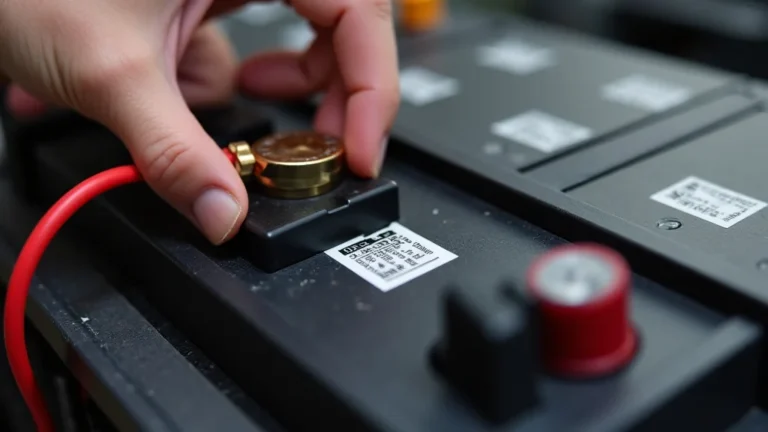
Over time, terminals can develop corrosion from exposure to moisture and chemicals. This creates a barrier to current flow, making the cable work harder and generate heat. This is very common in car batteries and other outdoor electronics.
If the battery terminals aren’t properly tightened, or if wires aren’t securely fastened to a terminal, there’s a gap that creates resistance. As current jumps across the gap, heat is generated. Tighten the connection, and the problem often disappears.
If a cable’s insulation is damaged, it can create a short circuit with other wires or metal parts. The resulting high current will cause rapid heating. Inspect cables regularly for any signs of damage to prevent these issues.
Short Circuits
Short circuits are a major contributor to overheating. A short circuit happens when electricity takes an unintended, low-resistance path, bypassing the intended load or device. This results in a massive surge of current, far exceeding what the cables are designed to handle. Think of it like a highway where all the cars suddenly exit the highway using a small side street. This sudden, concentrated current flow generates excessive heat, making cables dangerously hot very quickly.
- Causes of Short Circuits: Insulation breakdown, pinched wires, or physical damage can lead to a short circuit.
- Symptoms of Short Circuits: Besides overheating cables, symptoms include blown fuses, a burning smell, or electrical components that stop working.
- Dangers of Short Circuits: Overheating cables from short circuits can cause fires.
If the insulation on a wire wears down, the bare wire can touch a metal part of the car or another wire, creating a direct path for the current to flow. Similarly, wires can be pinched or cut, directly creating a short circuit.
The first sign of a short circuit is often a blown fuse, which is designed to protect the circuit. You might notice a burning smell, or electrical components may stop working. For example, if your car’s headlights suddenly fail, it could be a sign of a short circuit in the headlight wiring.
The excessive heat generated by a short circuit can quickly ignite the insulation on the wires and any nearby flammable materials. This poses a significant fire hazard in vehicles, homes, and any electrical system. This makes it crucial to quickly identify and fix any short circuit.
Why Battery Cable Gets Hot: Common Scenarios
Understanding the common situations that lead to hot battery cables helps you better identify and avoid the problem. Here, we’ll explore some everyday scenarios that often result in overheating, giving you insights into when and how it can happen. These examples offer clear, practical guidance, so you can easily connect the information to real-life experiences.
Car Audio Systems
One frequent cause of overheating in battery cables comes from car audio systems. Upgrading the sound system involves more than just swapping out speakers and head units. These components draw significant power, especially amplifiers. The original wiring is often insufficient for the increased current draw, leading to cable overheating. If the cables are not appropriately upgraded, they can quickly reach unsafe temperatures.
- Amplifier Power Consumption: Amplifiers require a lot of power, especially powerful ones.
- Wiring Upgrades: Upgrading the power and ground cables is key when installing an amplifier.
- Subwoofer Usage: Continuous, heavy use of subwoofers increases current draw and heating.
High-wattage amplifiers demand a considerable amount of current from the car’s battery and charging system. If the wiring isn’t sized correctly, the cables heat up due to the high current. A 1000-watt amplifier, for example, might need a heavy-gauge power cable to safely deliver the power it requires.
To safely power a new amplifier, you should
Subwoofers consume a lot of power, especially when playing bass-heavy music at high volumes. This sustained demand places a heavy load on the electrical system. During high-volume bass playback, the cables can quickly become hot if the wiring is inadequate.
Jump-Starting Vehicles
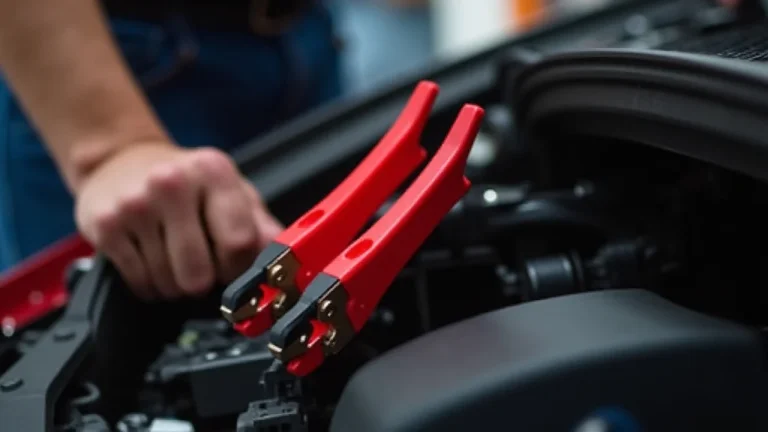
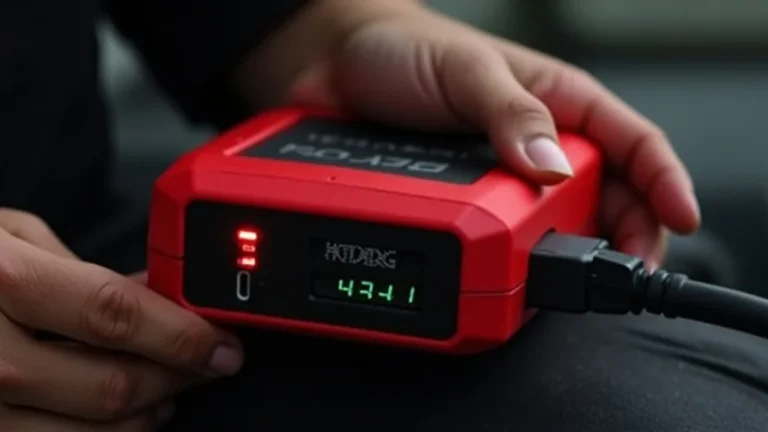
Jump-starting a vehicle can also lead to hot cables. The process of jump-starting involves connecting the dead car’s battery to a functioning one. This action can lead to substantial current flow, especially if the dead battery has severe issues. Overheating cables are often a signal that something is amiss during a jump start. It is crucial to proceed carefully and understand the potential risks involved.
- Battery Condition: The condition of both batteries is a factor in how much current will flow.
- Cable Quality: Using thick, high-quality jumper cables is essential.
- Connection Procedure: Properly connecting the cables reduces the chance of sparks and overheating.
A severely discharged or damaged battery can draw a lot of current during a jump start as it tries to recharge. This heavy current can cause the jumper cables to overheat if they aren’t heavy-duty or if the connections are poor.
Low-quality jumper cables are often made with thin wires that can’t handle the high current demands of a jump start. Always use thick, well-insulated cables designed for the task. This minimizes resistance and reduces the risk of overheating. The gauge of the cables is important: 4-gauge or lower cables are typically recommended for larger vehicles.
When connecting the jumper cables, make sure the connections are secure. Also, be careful to avoid touching the clamps together and follow the correct order: positive to positive, then negative to a good ground (like a metal part on the engine) on the dead car. If you see sparks or hear sizzling during a jump start, disconnect and recheck the connections.
Electrical System Upgrades
Making any updates to a vehicle’s electrical system, like adding new lights or accessories, can cause problems. Each new addition increases the total current demand, and it’s essential to assess whether the existing wiring can handle it. Without proper assessment and upgrades, you will have issues.
- Adding Accessories: Additional lights, winches, and other accessories can overload circuits.
- Calculating Power Needs: Determine the total power demand to avoid overloading circuits.
- Upgrading Wiring: Use larger gauge wires and fuses to match the new power demands.
Each electrical accessory you add to your car, like extra lights or a winch, draws power. If you don’t check the capacity of your existing circuits and add new wiring when needed, you risk overheating the original wiring. A winch, for instance, can require significant power, and its wiring must be done carefully.
Adding a lot of electronics at once means more power needs to be provided. You need to calculate the total power consumption of all accessories and ensure your car’s electrical system can handle it. Calculate total amperage based on the voltage of the system (typically 12V in cars) and the wattage of each device (P = V x I).
If you determine that your existing wiring can’t handle the increased load, you must upgrade it. This means using larger gauge wires and appropriate fuses. This upgrades improve safety and ensures that the car’s electrical system will function properly. You may also need to upgrade the alternator.
Why Battery Cable Gets Hot: Troubleshooting and Prevention
Dealing with overheating battery cables requires knowing how to find the root cause and how to prevent it. This section will guide you through simple steps to identify the problems and provide solutions. This knowledge can help you make sure your electrical systems stay safe and effective. With these troubleshooting steps, you can keep your car’s electrical system running safely.
Visual Inspection
The first step in dealing with an overheating battery cable is a visual check. This can expose many common issues without any specialized tools. Look for physical signs of damage, wear, or improper connections. A careful look can often reveal the problem. This initial inspection is an important diagnostic step.
- Check for Physical Damage: Look for any signs of physical damage to the cables.
- Inspect Terminals and Connectors: Carefully check all terminals and connectors.
- Assess Cable Insulation: Examine the insulation for melting, cracking, or other signs of damage.
Start by checking the entire length of the battery cables for any obvious signs of damage, such as cuts, cracks, or frayed wires. These signs may be the cause. Damage can cause shorts or increase resistance, leading to heat buildup. Any compromised cables must be replaced immediately.
Make sure all connections are secure and corrosion-free. Look for any signs of rust or buildup, which can increase resistance. Loose or corroded connections are a leading cause of overheating, so cleaning and tightening these areas is essential.
Inspect the insulation on the cables. Look for any areas where the insulation is melted, cracked, or peeled away. These issues suggest the cable has been exposed to high heat or other damage. Replace any damaged cables to prevent further problems and potential hazards.
Electrical Testing
After a visual check, the next step involves using electrical testing tools to pinpoint the problem. Testing equipment, like a multimeter, will help you measure voltage, current, and resistance. These measurements give precise information about the electrical system’s operation. This process helps you locate the source of the overheating, enabling effective repairs.
- Measuring Voltage: Use a multimeter to measure the voltage across the cables.
- Testing for Current Draw: Check the current draw of components to identify overloads.
- Checking Resistance: Check the resistance in the cables and connections using a multimeter.
A multimeter is a handy tool for electrical troubleshooting. Set it to measure voltage, and then test the voltage across the battery cables. A significant voltage drop indicates resistance in the circuit, potentially leading to overheating. A normal reading usually doesn’t show a big voltage difference.
Use a multimeter set to measure current (amps) to check how much current is flowing through different circuits. This helps you identify if a component is drawing too much power, which could be the source of the overheating. Turn the multimeter on, select the amp range, and place the multimeter in series to the circuit to read the current draw.
Set the multimeter to measure resistance (ohms). Then test the resistance in the cables and connections. Higher resistance means more heat is generated. A higher resistance reading indicates a problem, such as corrosion or a loose connection. This step will help you locate the problem causing the overheating.
Circuit Diagnostics
Circuit diagnostics go deeper, involving a methodical approach to tracing the flow of electricity to find the fault. This involves using diagrams, tracing wires, and isolating components. The objective is to identify and resolve short circuits, ground faults, or component failures that are generating heat. This precise approach allows for effective and targeted repairs.
- Use of Wiring Diagrams: Make use of wiring diagrams to understand circuit pathways.
- Isolating Components: Isolate electrical components one at a time to find the faulty item.
- Checking Grounds: Inspect and verify all ground connections in the circuit.
Wiring diagrams are essential for tracing circuits and identifying components. They show the layout of the wiring, the connections, and the paths electricity takes. Use these diagrams to understand how each circuit works, making it easier to troubleshoot problems like overheating. Online resources or service manuals often provide these helpful illustrations.
If you suspect a specific component is causing the problem, disconnect it from the circuit. This helps you see if the overheating stops. If the cables cool down after removing a certain component, the component is likely the source of the issue. You can then test or replace that part.
Ensure that all ground connections are clean, tight, and securely fastened to the chassis. Loose or corroded grounds can increase resistance and cause overheating. Check the ground connections for corrosion and tighten any loose connections. You can also use a multimeter to check the resistance of the ground circuit.
Frequently Asked Questions
Question: Why do my battery cables get hot after jump-starting a car?
Answer: Cables get hot during jump-starting because of the high current flow. The dead battery attempts to draw a lot of current to recharge quickly, which may lead to excessive heat, especially with thinner or damaged jumper cables. Make sure to use high-quality jumper cables and check the battery’s condition.
Question: What’s the best way to prevent battery cable overheating in my car?
Answer: You can prevent overheating by making sure your car’s electrical system is in good condition. Use correctly sized cables, keep connections clean and tight, and make sure that there are no short circuits or damaged wires. Regular inspections can also prevent problems.
Question: Can adding too many accessories to a car cause battery cables to overheat?
Answer: Yes, adding too many accessories can cause overheating. Each electrical accessory adds to the total current demand, and if the existing wiring isn’t capable of handling the extra load, the cables will heat up. Always check the electrical system capacity before adding new accessories.
Question: What should I do if I smell burning plastic from my car’s battery cables?
Answer: If you smell burning plastic, immediately turn off the car and safely disconnect the battery. This scent suggests a short circuit or severe overheating. Then, perform a thorough inspection of all cables and electrical components. Get professional help if you’re not comfortable with electrical repairs.
Question: What is the risk if I ignore overheating battery cables?
Answer: Ignoring overheating cables can lead to serious risks. This can cause fires in the car or damage to electrical components. Promptly resolving these issues can protect you and your car.
Final Thoughts
Understanding why battery cable gets hot is important for keeping your car and any electrical device safe and working well. The most common causes are too much current flowing through the cable, resistance problems from loose connections or corrosion, and short circuits. Identifying these causes involves a visual check for damage, using a multimeter to measure voltage and current, and systematic circuit diagnostics. Preventative steps include making sure the cables are the right size, keeping connections clean and secure, and not adding too many accessories that can overload the system. Paying attention to these things keeps the electrical systems safe and working as they should. Now you have the basic knowledge to handle any issues related to this problem.