Which Car Terminal to Disconnect First: A Step-by-Step Guide
Figuring out which terminal to disconnect first can be a tricky thing for anyone starting out with car repairs. It’s a common question because getting it wrong can lead to sparks or even damage. This guide will take you through the process in a super easy way, breaking down everything you need to know. We’ll skip the complicated stuff and go straight to the important steps, making it simple for you to work on your car. Ready to get started and learn the safe way?
Understanding Car Battery Basics
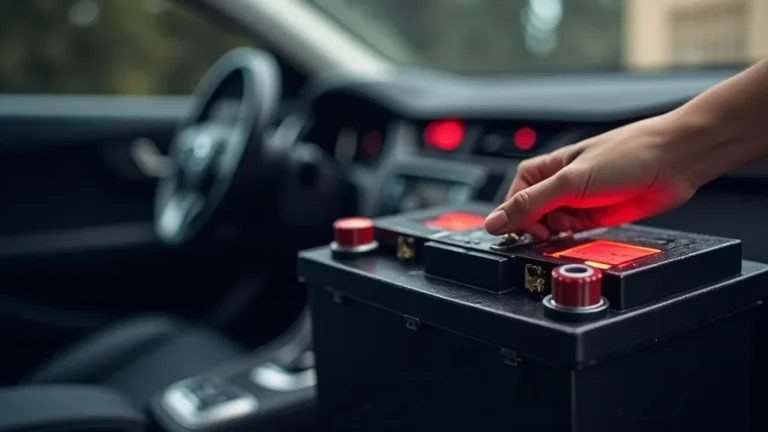
Before you start working on your car’s battery, it’s super important to know a few basic things. Car batteries provide power to start your car and run all the electrical parts, from your headlights to your radio. They store electricity created by the car’s engine. A battery has two terminals, positive (+) and negative (-). The positive terminal is usually marked with a plus sign (+) and is often red. The negative terminal is marked with a minus sign (-) or is black. Knowing which terminal does what is the key to safety. If you mix them up, you could cause sparks or damage electrical parts. We’ll explore why knowing this is important in the next section.
Why Terminal Polarity Matters
The positive and negative terminals are crucial for how your car’s electrical system functions. The flow of electricity has to go in a specific direction. The positive terminal is where current leaves the battery, and the negative terminal is where it returns. This flow is necessary to power all the components in your car. If you connect the terminals backwards, you create a short circuit. A short circuit happens when electricity takes a path it shouldn’t, usually because of a wiring issue. Short circuits generate a lot of heat very quickly and can damage parts or cause a fire. That’s why you always have to get the connections right.
For example, imagine two wires of different colors: a red wire represents the positive terminal, and a black wire represents the negative terminal. When you connect them, you must match red to red and black to black. Trying to connect red to black, or vice versa, is like a short circuit. It’s crucial to prevent this. Failing to keep the polarity straight could mean replacing expensive components and, in the worst case, starting a fire. That’s why we emphasize the importance of knowing which terminal to disconnect first.
- Positive (+) Terminal: This terminal is usually red and is where the current flows out. Connecting it to a ground (like the car’s frame) can cause a short.
- Negative (-) Terminal: This terminal is usually black and completes the circuit, returning the current to the battery. Disconnecting this terminal first is safer.
- Short Circuit Risk: Accidentally touching both terminals at the same time, or connecting them in the wrong order, can cause a short circuit.
Battery Safety Precautions
Working around car batteries means you have to be very careful. Car batteries contain acid that can cause burns if it touches your skin or eyes. Always wear eye protection and gloves when you’re working with a battery. Make sure your work area is well-ventilated, because batteries can give off hydrogen gas, which is flammable. Also, remove any jewelry, like rings or bracelets, as they can accidentally come into contact with the terminals, leading to a short circuit and burns. Keep any sources of sparks or flames away from the battery. Finally, be certain that the car is turned off and the key is out of the ignition before starting. These simple precautions can prevent serious injuries.
Consider the story of a mechanic who failed to wear safety glasses. While working on a battery, the terminals accidentally sparked, and battery acid splashed into his eyes. This resulted in a trip to the hospital. Always protecting yourself is the most important part of the job.
- Wear Safety Gear: Always wear safety glasses and gloves when working on car batteries.
- Ventilation: Work in a well-ventilated area to avoid breathing in harmful gases.
- Remove Jewelry: Take off any jewelry to prevent accidental shorts.
- Avoid Sparks and Flames: Keep sparks and open flames away from the battery.
- Turn Off the Car: Make certain the car is turned off and the key is removed from the ignition.
The Correct Order: Which Terminal to Disconnect First?
The safest way to disconnect a car battery is a simple process, but getting it right is key. You always want to avoid creating a short circuit, which can happen if the positive terminal touches the car’s frame while connected to the battery. By disconnecting the negative terminal first, you minimize this risk. This order creates a safer environment to work with electricity. We are here to guide you through it in the next few steps, helping you understand the “how” and “why” of this important task.
Step-by-Step Disconnection Guide
Following these steps will help you safely disconnect your car’s battery. Remember to always prioritize safety when you are dealing with your car. Take it slow, and don’t rush. If you’re not sure about something, always stop and get help. With this approach, you can disconnect your battery successfully, preventing any potential hazards. This method of disconnecting the battery is easy to follow and avoids electrical surprises.
- Gather Your Tools: You will need a wrench that fits the battery terminal bolts. Make sure your wrench is the correct size. Also, have a pair of safety gloves and safety glasses ready.
- Locate the Terminals: Find the positive (+) and negative (-) terminals on your battery. The positive terminal is often red, and the negative is black.
- Disconnect the Negative Terminal: Use your wrench to loosen the nut on the negative (-) terminal. Once loose, carefully remove the cable from the terminal.
- Disconnect the Positive Terminal: After the negative terminal is disconnected, loosen the nut on the positive (+) terminal. Remove the cable carefully.
- Secure the Cables: Make sure the battery cables don’t touch anything that could conduct electricity, like the car’s metal frame. You can place the disconnected cables away from the terminals using non-conductive materials like rubber.
Why Negative First Matters
Disconnecting the negative terminal first is all about safety. When you work on a car, you often touch metal parts. The car’s metal frame acts as a ground. If you were to touch the car’s metal frame with a wrench while working on the positive terminal, the electricity would instantly flow through the wrench and to ground, creating a short circuit. If you remove the negative cable first, you have removed the ground path, which prevents this from happening. It makes the entire process much safer because you remove the potential for an unintentional electrical connection. This simple step can help you avoid costly mistakes and keep you safe while working on your car.
A classic example would be a mechanic using a metal wrench. If that wrench accidentally touches both the positive terminal and the car’s frame (ground) at the same time, it can lead to sparks and damage to the car’s electrical system. This is why disconnecting the negative terminal first eliminates the direct path to ground for the positive terminal. By starting with the negative, you’re creating a safe zone.
- Grounding: The car’s frame acts as a ground, making it crucial to disconnect the negative terminal first.
- Short Circuit Prevention: Removing the negative terminal prevents the creation of a short circuit.
- Safe Working Environment: Disconnecting the negative terminal first minimizes the risk of sparks and damage.
Connecting the Car Battery: The Reverse Order
Connecting your car battery is the opposite of disconnecting it. You just reverse the process. Following the proper steps helps ensure that your car starts up reliably and avoids causing damage. This also protects your car’s electronics. The procedure is easy to follow, but it is important to pay close attention to each step. Following the steps can help you avoid any electrical issues and get your car running smoothly.
Step-by-Step Connection Guide
The steps for connecting the battery are the reverse of disconnecting it. Remember to keep everything clean and safe. This method should guide you in the correct steps to connect your car battery without issue. By paying attention to each step, you can safely and effectively connect your car battery.
- Prepare the Terminals: Make sure the battery terminals are clean. You might use a wire brush to remove any corrosion or build-up.
- Connect the Positive Terminal: Place the positive (+) cable onto the positive terminal and tighten the nut with your wrench. Make sure it is secure.
- Connect the Negative Terminal: Put the negative (-) cable onto the negative terminal and tighten the nut. Ensure the connection is tight and secure.
- Check the Connections: Give both terminals a final check to make sure they are secure and not loose.
- Start Your Car: Try to start your car and see if everything is working. If your car won’t start, double-check your connections or call a mechanic for assistance.
Importance of Correct Connection
Connecting the terminals in the right order and ensuring that they are secure is key for making sure everything works properly. If the connections are loose, the car may not start, or the electrical components can have problems. Connecting the battery incorrectly can also damage your car’s electrical system and potentially lead to costly repairs. A secure and proper connection allows electricity to flow correctly and safely, which is critical for the vehicle’s operation. Taking your time and getting it right helps ensure that your car starts reliably and that you have a safe and functioning electrical system.
A technician who hastily connected a battery backward found out the importance of correct connections the hard way. He caused significant damage to the car’s computer system, which then required replacing several expensive components. This scenario underscores the importance of the correct sequence and secure connections.
- Correct Order: Connect the positive terminal first, followed by the negative terminal.
- Secure Connections: Make sure the terminal connections are tight to prevent issues with starting the vehicle.
- Prevent Damage: Connecting the battery incorrectly or loosely can result in the damage of electrical components.
Common Mistakes to Avoid
There are some common mistakes to avoid. These mistakes can cause problems with your car. Understanding these errors will help you perform the work safely and correctly. Knowing what to watch out for helps you avoid potential issues. Avoiding these errors is a key part of performing a battery change successfully and without any issues.
Common Disconnection Errors
When working with car batteries, certain mistakes can lead to problems. Always work carefully to prevent any issues. Avoiding these mistakes can keep you and your car safe. These errors are easy to fix if you know what they are.
- Disconnecting the Positive Terminal First: This is the most common mistake. Doing this can lead to a short circuit if your wrench accidentally touches the car’s metal frame.
- Not Wearing Safety Gear: This is one of the biggest safety violations. Not wearing safety glasses or gloves can lead to injury from battery acid.
- Forgetting to Remove Jewelry: Metallic jewelry can create a short circuit if it touches the battery terminals.
- Using the Wrong Tools: Incorrect tools can damage the terminals or the battery.
- Forgetting to Secure the Cables: If the cables touch, a short circuit can occur.
Common Connection Errors
When connecting a car battery, there are some mistakes that you should avoid to prevent damage. Be sure to perform each step carefully and to take your time. Paying attention to these things will keep your car and yourself safe. Avoid these connection errors for a smooth and effective outcome.
- Connecting the Terminals Backwards: This is very dangerous and can cause serious damage to your car’s electrical system.
- Loose Connections: Loose connections can lead to starting problems and electrical issues.
- Forgetting to Clean Terminals: Corrosion on the terminals can prevent a good connection.
- Overtightening the Bolts: This can cause damage to the terminals.
- Not Double-Checking the Connections: Always ensure the terminals are secure before starting the vehicle.
Frequently Asked Questions
Question: What do I do if I accidentally touch the positive terminal to the car frame?
Answer: Immediately stop what you’re doing. If you see sparks, move the wrench or tool away quickly. Check for any damage or melted wires. If you are unsure, have a professional check your car’s electrical system.
Question: What should I do if battery acid gets on my skin?
Answer: Rinse the area with large quantities of water for at least 15 minutes. If you experience burning or pain, seek medical attention immediately.
Question: Why does my car lose its memory after I disconnect the battery?
Answer: Many modern cars have electronic components that store information like radio presets and other settings. Disconnecting the battery removes power, which clears this data. You’ll have to reset those items after reconnecting the battery.
Question: Can I use any wrench to disconnect the battery?
Answer: You need a wrench that fits the nuts on your car’s battery terminals. Using the wrong size can damage the terminals. Make sure it fits correctly before you start.
Question: What if my car won’t start after I reconnect the battery?
Answer: Double-check that the terminals are correctly connected and tight. Also, make sure the battery is charged. If your car still won’t start, you may need a jump-start or to have your battery checked.
Final Thoughts
Knowing which terminal to disconnect first is a straightforward task, but it is important to remember safety when you’re working with car batteries. Following the correct steps—always disconnecting the negative terminal first—minimizes the chance of an electrical short and keeps you safe. Connecting the terminals correctly and following the steps outlined above will prevent the kind of issues that can cost money or, worse, cause injury. Understanding the function of your car’s electrical system and taking each step methodically are the best practices. So, take your time, double-check your work, and you can handle this task with confidence. You’ve got this!