Battery Disconnect Safety Explained: A Beginner’s Guide
Figuring out battery disconnect safety can seem tricky when you’re just starting. It’s common to feel unsure about how to do things safely, and small mistakes can sometimes lead to problems. Don’t worry, many people feel the same way! This guide will break down the steps in a clear and easy-to-follow way. We’ll show you how to handle battery disconnections safely, keeping things simple and straightforward. Let’s explore how to get started safely.
What Is Battery Disconnect Safety and Why Does It Matter?
Battery disconnect safety is all about making sure you handle batteries in a way that avoids accidents. This means preventing electric shocks, sparks, and even explosions. When dealing with batteries, it’s key to remember that they store energy. Incorrect handling can lead to serious injuries or damage. The main point is to handle these things with care and the correct procedure.
The Importance of Personal Protective Equipment (PPE)
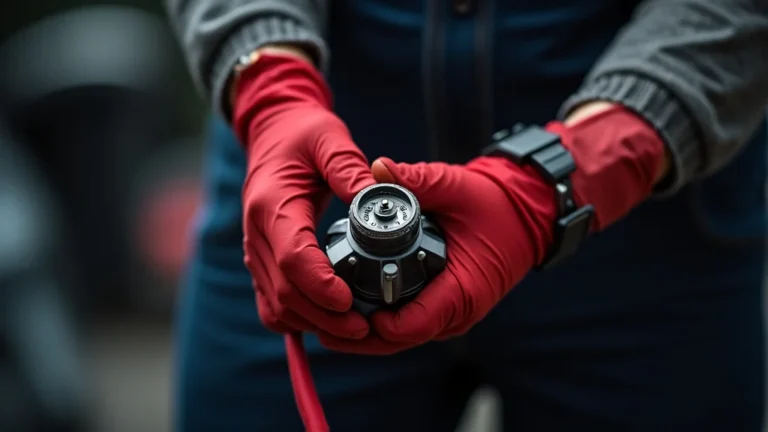
Before touching any battery, you need to gear up. PPE like safety glasses are vital to protect your eyes. Acid can splash, and you want to keep your vision safe. Gloves, preferably acid-resistant ones, protect your hands from corrosive substances. Also, think about your clothing. Long sleeves and pants reduce skin exposure. These simple steps create a safety barrier, lowering the risk of injury. PPE is your first line of defense when working with batteries.
- Safety Glasses: Essential to guard your eyes against splashes or sprays of acid during battery work.
- Acid-Resistant Gloves: Protect your hands from direct contact with corrosive battery acid.
- Protective Clothing: Wearing long sleeves and pants reduces skin exposure to potential hazards.
- Closed-Toe Shoes: Provide foot protection against spills and accidental drops.
- Consider a Face Shield: Offers additional protection in situations with high risk of acid splashing.
Proper PPE use dramatically lowers the chance of battery-related injuries. It also builds confidence, knowing you are well-protected. Taking these steps is always a smart move. Without PPE, even small tasks can have risks.
Identifying Battery Types and Their Hazards
Knowing the type of battery you’re working with is important because different types have different risks. Lead-acid batteries, found in most cars, contain corrosive sulfuric acid, which can burn skin and eyes. Lithium-ion batteries, popular in electronics, can overheat and catch fire if damaged. Other types, like nickel-metal hydride (NiMH) batteries, also pose unique risks. Being aware of the battery type means you know what potential dangers exist.
- Lead-Acid Batteries: Commonly found in vehicles. These contain a corrosive acid that can cause burns.
- Lithium-ion Batteries: Used in many electronics. Can overheat and cause fires if damaged.
- Nickel-Metal Hydride (NiMH) Batteries: Contain corrosive electrolytes and require careful handling.
- Alkaline Batteries: Household batteries that can leak and cause irritation if damaged.
- Battery Chemistry Matters: Understanding the chemical composition helps in assessing safety risks.
Recognizing the risks specific to each battery type allows you to take proper safety precautions. This is the first step in avoiding accidents. Familiarity with the battery types keeps you ready to address each hazard. Different types have different ways to handle them.
Pre-Disconnecting Steps: Preparation is Key
Before you begin the disconnection, it’s key to prepare the work area and gather your tools. Always work in a well-ventilated area to avoid any fumes from the battery. Also, gather all the tools you’ll need beforehand, such as wrenches, gloves, and safety glasses. Remove any jewelry, like rings and watches, since they can conduct electricity if they touch metal. Then, turn off everything that uses battery power, like lights or the radio. This helps limit any potential sparks during the process.
- Ventilation: Work in a well-ventilated area to prevent inhaling harmful fumes.
- Tool Gathering: Have all necessary tools, like a wrench, ready to go.
- Personal Safety Checks: Remove jewelry and wear safety gear to reduce risks.
- Power Down: Turn off all electrical devices drawing power from the battery.
- Visual Inspection: Check the battery for signs of damage before starting the procedure.
Proper preparation not only makes the job easier but also greatly reduces the risk of accidents. Taking these actions protects you and helps keep the battery work safe. Preparation is a smart way to begin any battery disconnection. Before doing anything, have everything ready.
Detailed Steps for Safe Battery Disconnection
Following a precise method ensures you disconnect batteries safely. It’s not complicated, but following the proper sequence is essential to avoid sparks and other issues. This means knowing which cable to detach first and which one to reattach last. These actions may seem small, but following these steps makes a difference. Remember, safety comes first.
Step-by-Step Procedure: Disconnecting a Battery
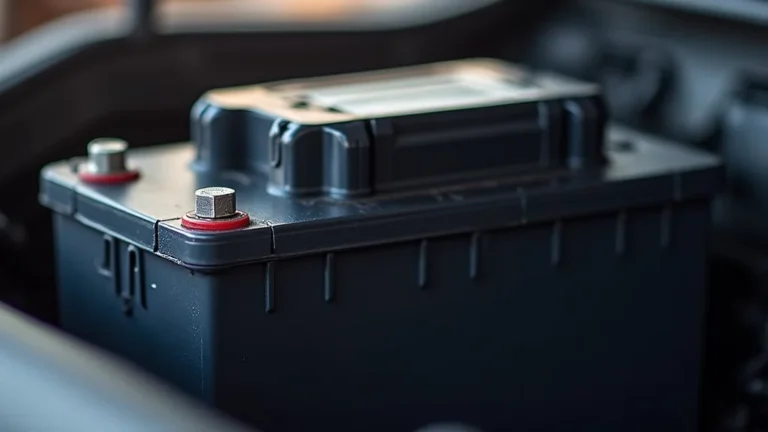
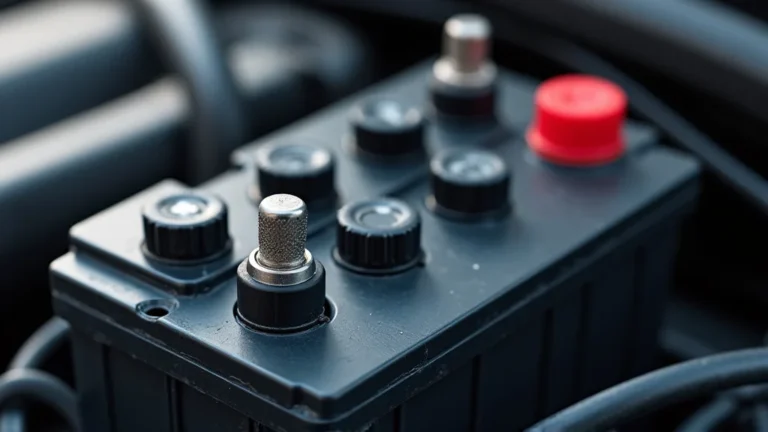
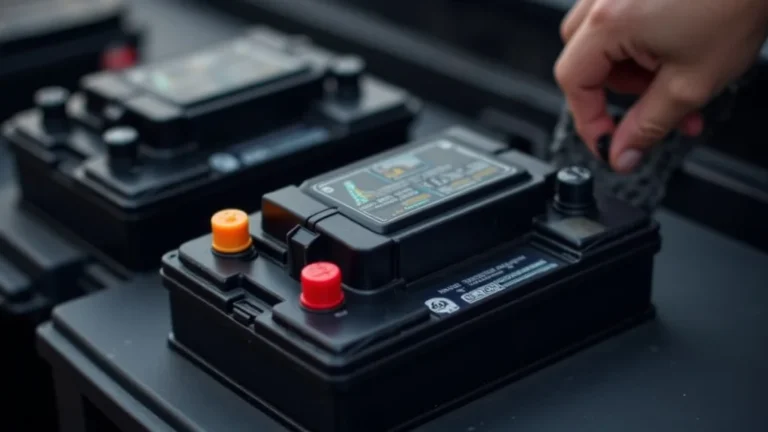
The correct method for battery disconnection starts with the negative cable. Use a wrench or tool to loosen the nut or clamp on the negative terminal, usually marked with a “-” sign or a black cover. Once it’s loose, carefully remove the cable from the terminal. Now, do the same for the positive terminal, marked with a “+” sign or a red cover. Once you have disconnected both, it’s safer to cover them with insulating caps or tape. This will prevent accidental contact. It is helpful to follow these steps because they avoid electrical shocks or sparks.
- Locate the Terminals: Identify the positive (+) and negative (-) terminals.
- Disconnect the Negative Terminal: Use a wrench to loosen the nut, then remove the cable.
- Disconnect the Positive Terminal: Loosen the nut on the positive terminal and remove the cable.
- Insulate the Cables: Cover the terminals with caps or electrical tape.
- Safe Handling: Avoid touching both terminals simultaneously with metal tools.
Following this order ensures safety by preventing accidental shorts. Knowing and doing the steps ensures a safe job. When handling batteries, it’s always best to be precise.
Safe Reconnection of the Battery
Reconnecting the battery involves reversing the disconnection steps in order to avoid issues. First, you attach the positive cable, marked with a “+” sign, back onto its terminal. Tighten the nut or clamp securely. Then, you connect the negative cable, marked with a “-”, to its terminal. Tighten this one securely, too. It’s important to make sure everything is connected correctly to avoid electrical problems. Always double-check your work to be sure of the correct connections. Also, don’t tighten anything too much or you may damage the terminals.
- Attach the Positive Cable: Connect the positive (+) cable to the positive terminal.
- Secure the Connection: Tighten the nut or clamp to make sure the connection is secure.
- Connect the Negative Cable: Attach the negative (-) cable to its terminal.
- Ensure Proper Tightening: Double-check that all connections are snug.
- Final Check: Check the battery for any signs of leakage or corrosion.
Following the right steps in the correct order is a great way to ensure a safe electrical connection. It’s a good idea to confirm your work. Proper steps reduce electrical problems. A little care pays off.
Common Mistakes and How to Avoid Them
Many mistakes can happen when working with batteries. One common error is touching both terminals simultaneously, creating a short. Another is connecting the cables in the wrong order. Always connect the positive cable before the negative one. Over-tightening the terminals can also cause damage. Take the time to double-check that everything is done right to avoid damage. Awareness of these common errors helps you focus and keeps the work safe.
- Touching Both Terminals: Avoid touching both terminals with metal objects.
- Connecting Cables in Reverse: Always connect the positive first, followed by the negative.
- Over-tightening Terminals: Don’t overtighten the nuts, as it can damage the battery.
- Ignoring Safety Gear: Always wear the right PPE, like gloves and eye protection.
- Working in a Closed Space: Ensure good ventilation to avoid fume build-up.
Understanding and avoiding these common errors will significantly improve your safety. These are simple steps, but they have major impact. Staying aware makes the process safer. Keep in mind the common mistakes. These mistakes can create problems.
Tools and Equipment for Battery Disconnect Safety
Having the right tools is important for any project. You need to gather the right equipment before you start working on any electrical project. This makes the job easier and keeps you safe. Here’s a rundown of the essential tools and equipment for safe battery disconnections.
Essential Tools for Safe Battery Handling
A basic toolkit is all you really need for safe battery handling. You’ll need wrenches or socket sets to remove and secure the battery terminals. A multimeter helps test voltage and check the battery’s condition. A battery terminal cleaner removes corrosion to keep the connections running well. Insulating caps or electrical tape are useful to cover terminals. These tools combine to allow you to do battery work with confidence.
- Wrench Set: Various sizes of wrenches or a socket set to loosen and tighten terminals.
- Multimeter: To test voltage and ensure the battery is functioning correctly.
- Battery Terminal Cleaner: To remove any corrosion that can affect performance.
- Insulating Caps/Tape: To cover disconnected terminals and prevent accidental shorts.
- Gloves: To protect hands from acid and other materials.
Having these key tools on hand makes the work safer and smoother. These tools are the base for a successful and safe experience. Investing in good tools pays off over time. These tools can keep you out of trouble.
Specialized Equipment and Safety Gear
Besides the basic tools, some specialized equipment can improve safety. For instance, an acid spill kit is great in the event of an acid leak. A battery carrier makes transporting heavy batteries much safer. Battery testers can quickly tell you the status of the battery. Always remember to wear gloves and eye protection. All of these items will help you avoid hazards.
- Acid Spill Kit: To quickly and safely handle any battery acid spills.
- Battery Carrier: To safely transport heavy batteries.
- Battery Tester: To quickly assess the battery’s health and performance.
- Safety Glasses and Gloves: Critical for eye and hand protection.
- Proper Ventilation: Ensuring the work area is well-ventilated is a must.
Specialized equipment adds an extra layer of protection, particularly in more demanding situations. Having these items keeps you prepared. Using these items will improve your safety. These tools are often helpful and will keep you safe.
Understanding Battery Chargers and Their Role
Battery chargers have a special job; they put energy back into batteries. Choosing the right charger is important. Make sure the charger matches the battery type and voltage to prevent damage or safety hazards. Follow the charger’s instructions, and always keep an eye on the battery while charging. Never leave a battery unattended while charging. Chargers are important to maintaining and caring for batteries. They provide a vital function.
- Matching Charger to Battery: Use a charger compatible with the battery’s type and voltage.
- Following Charger Instructions: Always follow the manufacturer’s directions.
- Monitoring Charging: Keep an eye on the battery while it is charging.
- Avoiding Overcharging: Never leave a battery charging unattended.
- Using Smart Chargers: Use automatic chargers that stop charging when the battery is full.
Understanding battery chargers is an important part of battery disconnect safety. Using the right charger will prevent a lot of problems. These tools are very important. Good knowledge will make your work safer.
Advanced Safety Considerations for Battery Disconnection
Besides basic procedures, there are advanced considerations that will improve safety. This includes knowing how to deal with different battery technologies like lithium-ion and learning how to work in hazardous environments. These ideas may come in handy when you are dealing with more complex tasks. Always focus on safety first.
Working With Lithium-Ion Batteries
Working with lithium-ion batteries means being cautious. These batteries are common in electronics. If they’re damaged, they can overheat and cause fires. It’s important to never puncture, crush, or disassemble lithium-ion batteries. Always dispose of them properly at designated recycling centers. If a lithium-ion battery is swollen, leaking, or damaged in any way, handle it very carefully and keep it away from flammable items. Knowing how to handle these types of batteries is an important step to preventing any incidents.
- Handling Damaged Batteries: Handle damaged batteries with extreme care, away from flammable materials.
- Disposal: Always dispose of lithium-ion batteries at a designated recycling center.
- Avoiding Damage: Never puncture, crush, or disassemble these batteries.
- Storage: Store lithium-ion batteries in a cool, dry place away from direct sunlight.
- Safe Charging: Use chargers specifically made for lithium-ion batteries and avoid overcharging.
Knowing the risks associated with lithium-ion batteries is key to avoiding accidents. Using extra care is always a good idea. Take a few extra steps for your safety. These steps will keep you in good shape.
Safety in Hazardous Environments
Sometimes, battery work may have to happen in places where conditions are not ideal. If you are working in a place where there are flammable materials, you have to be extra careful. Make sure the area is well-ventilated. Have a fire extinguisher nearby. Keep the work area clean of any materials that could cause a fire. If you’re unsure, have a professional check the situation. It’s always best to be cautious, especially when safety is concerned. It’s best to be ready for anything.
- Fire Prevention: Remove flammable materials from the work area.
- Ventilation: Ensure the work area is well-ventilated to avoid fume build-up.
- Emergency Preparedness: Have a fire extinguisher and first aid kit nearby.
- Professional Consultation: If the environment is questionable, get expert advice.
- Risk Assessment: Always do a risk assessment before starting the task.
Working in hazardous environments calls for a heightened awareness of safety. It’s best to be as prepared as possible. Safety should always come first. Be mindful of your surroundings.
Battery Disposal and Environmental Impact
Proper battery disposal is key to keeping the environment safe. Batteries contain chemicals that can hurt the environment if they are not disposed of correctly. Always take batteries to approved recycling centers. These centers have ways to handle the materials safely. It’s never a good idea to throw batteries in the trash. By taking this small step, you are helping to protect the planet. Doing the right thing makes a difference.
- Recycling Centers: Always take batteries to an approved recycling center.
- Avoiding Landfills: Never throw batteries in the regular trash.
- Environmental Responsibility: Proper disposal helps protect the environment.
- Specialized Disposal: Certain battery types require specific disposal methods.
- Community Programs: Check for local battery recycling programs in your area.
Proper battery disposal protects the environment and human health. This action can have a huge positive impact. Make a difference with your actions. This is a very important concept.
Frequently Asked Questions
Question: What do I do if I get battery acid on my skin?
Answer: Immediately flush the affected area with plenty of water for at least 15 minutes and seek medical attention.
Question: Can I jump-start a car battery myself?
Answer: Yes, but always follow the correct jump-starting procedure to avoid damage and safety risks. Refer to your car’s manual.
Question: What should I do if a battery starts to smoke?
Answer: Move away from the battery immediately and call the fire department. Do not try to handle it.
Question: How often should I check my car battery?
Answer: It’s good practice to inspect your car battery every few months for corrosion or damage. Always make checks as needed.
Question: Are there different types of gloves for handling batteries?
Answer: Yes, there are acid-resistant gloves made specifically for battery work. These gloves offer better protection against corrosive materials.
Final Thoughts
You now have a solid understanding of battery disconnect safety and how to do it properly. You’ve learned about the importance of PPE, the correct order for disconnecting and reconnecting batteries, and key tools for staying safe. You also know how to avoid common mistakes and what to do in potentially hazardous situations. Remember, taking these simple steps can prevent injuries and keep you safe. Always prioritize safety first by using the right equipment and following the steps carefully. By using this information, you can manage batteries safely. Keep learning and practicing for your safety. Stay safe.