Why Your Car Battery Dies While Parked And How To Fix It
Featured image for car battery dies while parked
Image source: pinaywise.com
Your car battery primarily dies while parked due to parasitic draws—electrical components consuming power even when the car is off—or simply an aging battery past its prime. Other factors like extreme temperatures, infrequent use, and short drives also contribute. Fixing it involves diagnosing and resolving these draws, replacing old batteries, and adopting regular charging habits to prevent unexpected stranding.
Imagine this: You’re ready to start your day, coffee in hand, keys jingling. You hop into your car, turn the key, and… nothing. Just a sad click, or perhaps a deafening silence. Your heart sinks. It’s that all-too-familiar feeling of dread: your car battery dies while parked. We’ve all been there, or at least know someone who has.
It’s incredibly frustrating, especially when you weren’t even driving! One moment your car is fine, and the next, it’s a heavy, immobile metal box. This isn’t just an inconvenience; it can throw off your entire day, making you late for work, missing an important appointment, or stranding you far from home. But why does this happen? Why does a perfectly good car battery seem to give up the ghost without warning?
You’re not alone in wondering. This common automotive issue has many causes, some obvious, some sneaky. The good news is, understanding these reasons is the first step toward preventing them. In this comprehensive guide, we’ll explore why your car battery might fail while parked and equip you with the knowledge and practical tips to avoid this unwelcome surprise in the future. Let’s get you back on the road with confidence!
Key Takeaways
- Detect parasitic drain: Test your car’s electrical system for power leaks.
- Clean battery terminals: Remove corrosion and tighten connections securely.
- Replace old batteries: Batteries typically last 3-5 years; track age.
- Drive longer often: Short trips prevent full battery recharging.
- Use a battery tender: Essential for extended parking to maintain charge.
- Turn off all accessories: Always double-check lights and chargers before leaving.
- Test battery health: Annual checks prevent unexpected battery failures.
Quick Answers to Common Questions
Why did my car battery die while parked overnight?
Often, your car battery dies while parked due to “parasitic drain,” meaning something like an interior light, a faulty stereo, or even a glove compartment light stayed on, slowly sapping power. It could also be an old battery simply losing its charge.
Can a really cold night make my car battery die while parked?
Absolutely! Extreme cold significantly reduces a battery’s capacity and makes it harder for it to deliver current, especially if it’s already weak. This is a very common reason a car battery dies while parked during winter.
What if I accidentally left my lights on, causing my car battery to die while parked?
Leaving headlights, interior lights, or even a door ajar that keeps a dome light on is a classic culprit. These constant drains will quickly cause your car battery to die while parked, leaving you stranded.
Is it normal for a new car battery to die while parked?
No, it’s not normal for a *healthy* new battery to die while parked without an obvious drain. If your new car battery dies while parked, it could indicate a faulty battery, a charging system issue, or a significant parasitic draw from your vehicle’s electrical system.
How can I prevent my car battery from dying while parked again?
Regularly check for interior lights left on, ensure all doors are fully closed, and consider using a trickle charger if you park for extended periods. It’s also smart to have your battery tested annually, especially before winter, to catch weaknesses before your car battery dies while parked.
📑 Table of Contents
- Understanding Your Car Battery: The Silent Heart of Your Vehicle
- The Usual Suspects: Why Your Car Battery Dies While Parked
- Spotting the Signs: How to Tell Your Car Battery is Dying
- Getting Back on the Road: Immediate Solutions for a Dead Battery
- Proactive Prevention: How to Keep Your Car Battery Healthy
- Knowing When to Say Goodbye: Car Battery Lifespan and Replacement
Understanding Your Car Battery: The Silent Heart of Your Vehicle
Before we dive into why your car battery dies while parked, let’s quickly understand what a car battery actually does. Think of it as your car’s main power bank. Its primary job is to deliver a powerful burst of electricity to the starter motor, which then cranks the engine. Once the engine starts, the alternator takes over, powering the electrical system and recharging the battery. It’s a beautifully simple, yet crucial, partnership.
How Your Car Battery Works
Most car batteries are lead-acid batteries. They contain a series of lead plates immersed in an electrolyte solution (sulfuric acid and water). A chemical reaction between these components generates electricity. When you start your car, this stored energy is discharged. While you drive, the alternator replenishes this charge. It’s a continuous cycle, ideally, that keeps everything humming along.
The Importance of a Healthy Charge
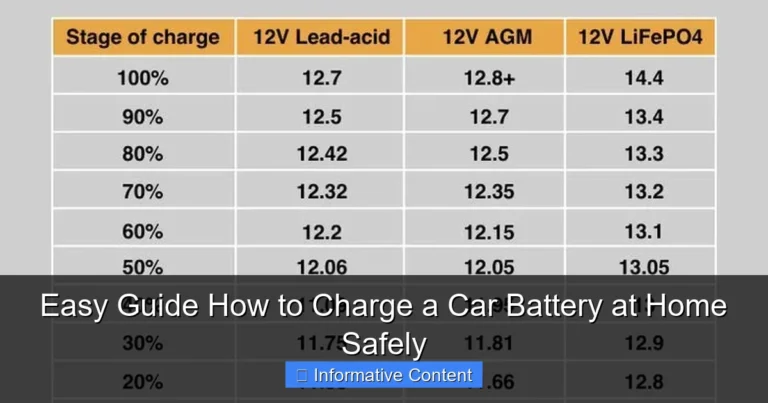
A car battery needs to maintain a certain level of charge to function correctly. When your car is running, the alternator keeps it topped up. But when your car is parked, there’s no alternator charging it. This is where the battery’s health and any parasitic drains become critical. A fully charged battery typically reads around 12.6 volts or higher. Anything below 12.4 volts indicates a partially discharged battery, which can struggle to start your car, especially if the car battery dies while parked.
The Usual Suspects: Why Your Car Battery Dies While Parked
So, your car was fine yesterday, but this morning, the car battery dies while parked. What gives? There are several common culprits behind this frustrating phenomenon. Understanding these can help you pinpoint the issue and prevent future occurrences.
1. Parasitic Drains: The Silent Energy Thieves
This is perhaps the most common reason a car battery dies while parked. A parasitic drain occurs when electrical components in your car continue to draw power even after the engine is turned off. While some minor drain is normal (think clock memory, alarm system, radio presets), excessive drain can quickly deplete your battery.
- Left-on Lights: The classic mistake! Dome lights, glove compartment lights, trunk lights, or even headlights accidentally left on can drain a battery remarkably fast.
- Faulty Wiring or Components: A short circuit, a stuck relay, or a faulty component (like a radio or an aftermarket alarm system) can draw continuous power. Even a tiny current leak, left overnight, can be enough for your car battery to die while parked.
- Aftermarket Accessories: Improperly installed accessories like dash cams, GPS trackers, upgraded sound systems, or remote starters can be major parasitic drain culprits if they don’t properly shut down with the ignition.
2. Old or Failing Battery: The Natural Decline
Car batteries don’t last forever. Their lifespan is typically 3-5 years, though this can vary greatly based on climate, driving habits, and maintenance. As a battery ages, its ability to hold a charge diminishes. The chemical reactions become less efficient, and the internal resistance increases.
- Chemical Degradation: Over time, the electrolyte can evaporate, and lead plates can sulfate, reducing the battery’s capacity.
- Extreme Temperatures: Both extreme heat and extreme cold can shorten a battery’s life. Heat accelerates internal corrosion, while cold weather increases the battery’s internal resistance, making it harder to deliver power, often revealing a weak battery that might otherwise have seemed fine.
- Repeated Deep Discharges: Letting your battery completely die multiple times significantly reduces its overall lifespan.
3. Infrequent Driving or Short Trips
If you don’t drive your car often, or only make very short trips, your battery might not be getting enough time to fully recharge. Remember, the alternator recharges the battery while you drive. Short drives might start the car, but they don’t provide sufficient run time for the battery to recover the energy used during startup.
- Insufficient Charging Cycles: Each start-up draws a significant amount of power. If you only drive for 5-10 minutes, the alternator might not have enough time to fully replenish that energy before you park again, leading to a gradual decline in charge until your car battery dies while parked.
- Vehicle Storage: If you store your car for extended periods without driving or using a trickle charger, the battery will naturally discharge over time, leading to a dead battery.
4. Faulty Charging System: The Alternator’s Role
Sometimes, the battery isn’t the problem; it’s the component responsible for charging it. A failing alternator won’t properly recharge your battery while the car is running, leaving it depleted when parked.
- Worn-Out Alternator: Alternators have internal components that can wear out, such as brushes or voltage regulators.
- Loose or Damaged Belt: The alternator relies on a belt driven by the engine. If this belt is loose, frayed, or broken, the alternator won’t spin effectively and won’t charge the battery.
- Failing Voltage Regulator: This component ensures the alternator provides the correct voltage to the battery. If it fails, the battery might be undercharged or overcharged, both of which are detrimental.
Spotting the Signs: How to Tell Your Car Battery is Dying
A dead car battery often doesn’t happen out of the blue. There are usually warning signs leading up to the moment your car battery dies while parked. Being aware of these indicators can help you take action before you’re stranded.
1. Slow Engine Crank
This is often the first and most obvious sign. When you turn the key, the engine might crank more slowly or struggle to turn over. It sounds like a tired groan rather than a quick, confident roar. This indicates the battery doesn’t have enough power to supply the starter motor effectively.
2. Dim Lights and Electrical Issues
Before your car battery dies completely, you might notice other electrical components acting up. Headlights might appear dimmer than usual, especially when the car is idle. Power windows might move slowly, and the radio or dashboard lights might flicker or reset when you try to start the car.
3. Warning Lights on the Dashboard
Many modern cars have a battery or charging system warning light (often shaped like a battery icon) on the dashboard. If this light illuminates while you’re driving, it’s a clear indication of a problem with your battery or the charging system (like the alternator).
4. Corroded Battery Terminals
Pop the hood and take a look at your battery. If you see a fuzzy, crusty blue, green, or white substance around the battery terminals, that’s corrosion. Corrosion impedes the flow of electricity, making it harder for the battery to deliver or receive a charge. While not a direct cause of a dead battery, it can contribute significantly to poor performance, especially if the car battery dies while parked.
5. Battery Age
As mentioned, batteries have a lifespan. If your battery is three years old or more, it’s wise to start thinking about its potential end. An aging battery is simply more prone to failing without warning, particularly when subjected to parasitic drains or extreme temperatures, leading to a scenario where your car battery dies while parked.
Getting Back on the Road: Immediate Solutions for a Dead Battery
So, your car battery is dead. Don’t panic! There are immediate steps you can take to get your car started and back on the road. These are temporary fixes, but they are crucial for getting you out of a bind.
1. Jump-Starting Your Car
This is the most common and often easiest solution. You’ll need jumper cables and another vehicle with a working battery (or a portable jump starter).
- Connect Red to Positive: Connect one red clamp to the positive (+) terminal of the dead battery. Connect the other red clamp to the positive (+) terminal of the working battery.
- Connect Black to Negative/Ground: Connect one black clamp to the negative (-) terminal of the working battery. Connect the other black clamp to a clean, unpainted metal surface on the engine block of the dead car, away from the battery and moving parts. This provides a ground.
- Start the Donor Car: Let the donor car run for a few minutes to charge the dead battery slightly.
- Start Your Car: Try to start your car. If it starts, great! Let it run for at least 15-20 minutes to allow the alternator to recharge the battery.
- Disconnect Cables: Disconnect the cables in reverse order: black from the ground/negative of the dead car, then black from the negative of the donor car. Then, red from the positive of the donor car, and finally, red from the positive of the dead car.
2. Using a Portable Jump Starter
If you don’t have another car, a portable jump starter is a lifesaver. These devices are compact, rechargeable battery packs designed specifically for jump-starting vehicles.
- Connect Red to Positive, Black to Negative: Follow the instructions for your specific jump starter, but generally, you’ll connect the red clamp to the positive (+) terminal of your car battery and the black clamp to the negative (-) terminal.
- Activate and Start: Turn on the jump starter and then try to start your car.
- Disconnect: Once started, disconnect the jump starter.
Important Tip: After a jump start, drive your car for a significant period (at least 30 minutes at highway speeds) to allow the alternator to fully recharge the battery. If your car battery dies while parked again shortly after, it’s a strong sign that the battery itself is failing, or you have a significant parasitic drain or charging system issue.
Proactive Prevention: How to Keep Your Car Battery Healthy
Prevention is always better than cure, especially when it comes to avoiding the nightmare of a car battery dies while parked. By adopting a few simple habits and maintenance routines, you can significantly extend your battery’s life and reliability.
1. Drive Your Car Regularly and for Longer Trips
The best way to keep your battery charged is to drive your car. Aim for at least 20-30 minutes of driving, preferably at highway speeds, a few times a week. This gives the alternator ample time to fully recharge the battery after startup and any incidental power draws.
2. Check for Parasitic Drains
If your car battery dies while parked repeatedly, consider having a mechanic perform a parasitic draw test. This involves using an ammeter to measure current draw when the car is off. They can help identify which circuits or components are drawing excessive power and resolve the issue. Simple checks you can do include ensuring all lights (dome, trunk, glove box) turn off when doors are closed.
3. Maintain Battery Terminals
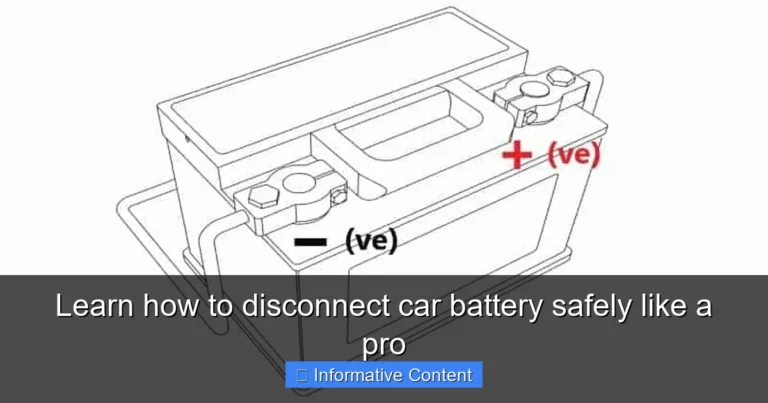
Regularly inspect your battery terminals for corrosion. If you see any, disconnect the battery (always disconnect the negative terminal first, then the positive) and clean the terminals and battery posts using a wire brush and a baking soda and water solution. Rinse with clean water and reattach the terminals (positive first, then negative). Applying an anti-corrosion grease can also help.
4. Use a Battery Maintainer or Trickle Charger
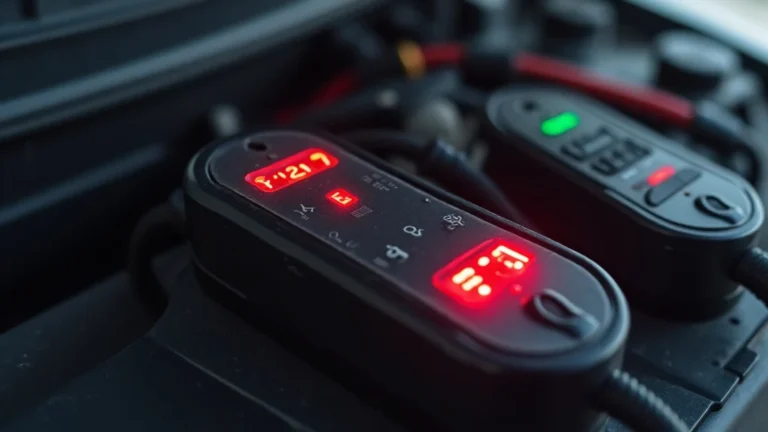
If you don’t drive your car often, or if you store it for extended periods, investing in a battery maintainer (also known as a trickle charger) is a wise decision. These devices provide a slow, steady charge that keeps your battery topped up without overcharging, preventing it from discharging and dying while parked.
5. Get Regular Battery Health Checks
Many auto parts stores and mechanic shops offer free battery testing. This test can assess the battery’s charge level, cranking amps, and overall health. It’s a quick and easy way to catch a failing battery before it leaves you stranded. Aim to get this done annually, especially as your battery approaches its third year.
6. Mind Your Electronics
Always double-check that you haven’t left any lights on or accessories plugged in when you park your car. Even small drains from phone chargers or dash cams can contribute to a dead battery over several hours.
Here’s a quick overview of factors affecting battery life and how to mitigate them:
| Factor | Impact on Battery Life | Prevention/Mitigation |
|---|---|---|
| Age | Capacity loss, increased internal resistance. | Regular testing, planned replacement (every 3-5 years). |
| Extreme Heat | Accelerates fluid evaporation and internal corrosion. | Park in shade, use battery blankets in garages (if applicable). |
| Extreme Cold | Reduces cranking power, thicker electrolyte. | Maintain full charge, use battery maintainer, park in garage. |
| Short Trips | Insufficient recharge cycles, gradual discharge. | Drive longer, use a battery maintainer if parking for days. |
| Parasitic Drains | Constant power draw when parked. | Check for left-on lights, have mechanic diagnose excessive drains. |
| Corrosion | Impedes electrical flow. | Clean terminals regularly, apply anti-corrosion grease. |
Knowing When to Say Goodbye: Car Battery Lifespan and Replacement
Despite your best efforts, your car battery dies while parked, and you might find yourself facing repeated issues. Sometimes, the problem isn’t just a minor drain or a lack of driving; it’s simply time for a new battery. Knowing when to replace it can save you a lot of future headaches.
Typical Battery Lifespan
As a general rule, a car battery lasts between 3 and 5 years. This range isn’t arbitrary; it’s based on average usage, climate conditions, and battery technology. In hotter climates, batteries tend to fail faster (sometimes as little as 2-3 years) due to accelerated chemical reactions. In colder climates, while the cold itself doesn’t kill a battery faster, it certainly reveals a weak battery more readily.
Signs It’s Time for a Replacement
Beyond the general age guideline, specific signs tell you it’s time for a new battery:
- Repeated Dead Batteries: If your car battery dies while parked frequently, even after jump-starts and ensuring no lights are left on, it’s a strong indicator that it can no longer hold a charge reliably.
- Bloated or Cracked Battery Case: Visually inspect your battery. If the case looks swollen, cracked, or deformed, it means the battery’s internal components have likely failed, and it needs immediate replacement.
- Strong Sulfur Smell: A rotten egg smell around the battery indicates a leaking electrolyte or an overcharged battery, both serious issues requiring replacement.
- Consistent Slow Cranking: Even if your car eventually starts, if it consistently cranks slowly, it means the battery is struggling to deliver the necessary power.
- Battery Test Failure: A professional battery test that indicates low cold-cranking amps (CCA) or a “replace battery” recommendation is the most definitive sign.
Choosing the Right Replacement Battery
When it’s time for a new battery, don’t just grab the cheapest one. Consider these factors:
- Correct Size and Type: Ensure the new battery matches the physical dimensions and terminal placement of your old one. Your car’s owner’s manual will specify the correct battery group size.
- Cold Cranking Amps (CCA): This rating indicates the battery’s ability to start the car in cold weather. Always meet or exceed your vehicle’s recommended CCA rating.
- Reserve Capacity (RC): This measures how long the battery can power essential accessories if your charging system fails. Higher RC is generally better.
- Battery Type: Most cars use flooded lead-acid batteries. However, some modern vehicles, especially those with start-stop technology, require Absorbent Glass Mat (AGM) batteries, which are more resilient to deep discharges and vibrations.
Investing in a good quality battery and replacing it proactively based on age or warning signs is a smart move that prevents the stress and inconvenience of having your car battery die while parked unexpectedly.
Having your car battery dies while parked is an incredibly frustrating experience that can disrupt your entire day. But as we’ve explored, it’s rarely a random occurrence. From sneaky parasitic drains and the natural decline of an aging battery to infrequent driving and charging system faults, there are concrete reasons why your battery might give up the ghost.
The good news? You’re now equipped with the knowledge to understand these causes and, more importantly, to prevent them. By performing simple maintenance like cleaning terminals, driving regularly, using a trickle charger when needed, and getting routine health checks, you can significantly extend your battery’s life and reliability. And when the time comes, knowing the signs of a failing battery and choosing the right replacement will ensure smooth sailing.
Don’t let a dead battery catch you off guard again. Be proactive, listen to your car, and give your battery the attention it deserves. A little effort goes a long way in ensuring your vehicle is always ready to go when you are, making those “nothing” moments a thing of the past. Drive safely and confidently!
Frequently Asked Questions
Why does my car battery keep dying while parked?
A car battery typically dies while parked due to a “parasitic drain,” meaning some electrical component is drawing power even when the car is off. This could be anything from an interior light left on to a faulty component like a radio or alarm system that isn’t properly shutting down.
What are the most common reasons a car battery dies while parked?
Common culprits include leaving lights on (interior or headlights), faulty accessories (like a glove box light or trunk light not turning off), or an aftermarket device improperly installed. The age of the battery itself is also a major factor, as older batteries lose their charge holding capacity more quickly.
How can I prevent my car battery from dying when parked for extended periods?
To prevent your car battery from dying while parked for long durations, consider using a trickle charger or battery maintainer, which keeps the battery topped up without overcharging. You can also disconnect the negative terminal of the battery if the car will be stationary for weeks or months to eliminate any parasitic drains.
My car battery died while parked, what should I do first?
If your car battery dies while parked, the first step is to try jump-starting it using jumper cables and another vehicle or a portable jump starter. Once running, drive it for at least 20-30 minutes at highway speeds to allow the alternator to recharge the battery sufficiently, then have the battery tested.
Can an old car battery simply die while parked without any parasitic drain?
Yes, absolutely. As a car battery ages, its capacity to hold a charge significantly diminishes, making it more susceptible to natural discharge even without any external power draw. Extreme temperatures, especially cold, can accelerate this process, leading to your car battery dying while parked overnight.
Can a bad alternator cause my car battery to die while parked?
While a bad alternator primarily affects the battery’s ability to charge while driving, it can indirectly lead to your car battery dying while parked. If the alternator isn’t properly recharging the battery, the battery will eventually deplete its existing charge, especially if it’s already old or weak, leading to a dead battery when you return to your parked car.