Car Won’t Start After Battery Replacement A Troubleshooting Guide
It’s frustrating when your car won’t start after battery replacement, right? You just wanted a new battery, and now you have a problem. This is a common issue, especially for people just learning about cars. Don’t worry, though; it’s usually something simple. This guide will walk you through the most likely causes and give you step-by-step instructions. Get ready to explore the common issues and solutions!
Possible Issues After a Battery Swap
Replacing a car battery seems straightforward, but several things can go wrong. These issues often arise from simple mistakes during the swap process or problems that were already present but are now more noticeable. This section covers the most common problems to check. We’ll explore these issues in detail to help you find the source of the trouble quickly.
Incorrect Battery Terminals
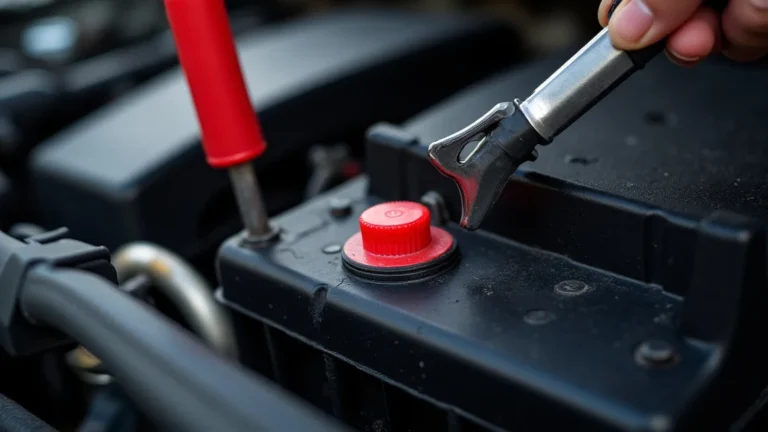
A frequent error is connecting the battery terminals incorrectly. This mistake can happen if the positive and negative cables are swapped during installation. It’s a basic mistake, but it can cause immediate problems and lead to damage. Understanding the correct polarity is critical to avoid any short circuits or damage to your car’s electrical components.
-
Terminal Identification: Car batteries have two terminals: positive (+) and negative (-). The positive terminal is usually red or marked with a “+,” while the negative terminal is black or marked with a “-.” These markings are critical for a correct connection. Swapping these terminals will cause problems.
Always double-check these before connecting the battery cables. A quick look at the old battery before removing it can help. Remember, the cables should reach the correct terminals without straining or forcing them.
-
Cable Connection: The positive cable connects to the positive terminal, and the negative cable connects to the negative terminal. You might also want to have a look at the terminal clamps, as they could be loose. Ensure that the clamps are securely tightened onto the terminals. Loose connections will stop the vehicle from starting and even damage the electrical system.
Using the correct tools is crucial, too. Use a wrench or pliers of the proper size to tighten the clamps. Don’t over-tighten, as you could damage the terminals. If the clamps are corroded, clean them before connecting the new battery. You can use a terminal cleaner or a mixture of baking soda and water.
-
Visual Inspection: After connecting the battery, visually inspect the terminals and cables for any signs of damage or incorrect connections. You’re looking for any loose connections, corrosion, or incorrect cable placement. If you spot any problems, disconnect the battery immediately and fix the issues before trying to start the vehicle again.
It’s always a good idea to have a friend help you. Someone can watch as you connect the cables to ensure everything looks right. If you’re unsure, consult your car’s manual or seek help from a professional.
Dead or Faulty New Battery
Sometimes, the new battery itself is the problem. It might be dead on arrival or have an internal fault. You can’t assume that a new battery is always in perfect working condition. This section will explore how to check your new battery and what to do if it’s faulty. It is important to know how to identify these issues to avoid unnecessary troubleshooting of your car.
-
Battery Voltage Test: Use a multimeter to check the battery’s voltage. A fully charged 12-volt battery should read around 12.6 volts or higher. If the voltage is significantly lower, the battery might be discharged or faulty. A reading below 12 volts indicates a problem.
Testing the voltage is simple. Set your multimeter to DC voltage, usually marked with a “V” with a straight line or dotted line above it. Touch the red probe to the positive (+) terminal of the battery and the black probe to the negative (-) terminal. The display will show the voltage reading.
-
Load Testing: Perform a load test to check the battery’s capacity under stress. A load test simulates the drain on the battery when starting the engine. If the battery fails the load test, it can’t provide enough power. Most auto parts stores offer free load testing.
Load testing is more accurate than just checking the voltage. It helps determine if the battery can deliver the necessary current to start your car. The test checks how well the battery holds its voltage when the starter motor draws power. A failing battery will show a significant voltage drop during this test.
-
Warranty and Replacement: If the battery is faulty, it’s covered by warranty. Contact the retailer or manufacturer for a replacement. Keep the receipt and any paperwork related to the purchase. The warranty will often cover a full replacement, or sometimes a partial refund.
Document any testing you’ve done and any results. This proof will make the warranty process much smoother. Always provide the battery’s serial number and any other identifying information from the battery itself. Ensure you follow the warranty instructions to avoid any delays.
Improper Battery Installation
Even if you get the right battery and connect it correctly, improper installation can still be a problem. This might involve a loose connection or not securing the battery in its place properly. This section covers steps to ensure the battery is securely and properly installed. Proper installation helps ensure the battery’s safety and performance.
-
Secure Battery Placement: The battery must be securely held in place by a hold-down clamp. This clamp prevents the battery from moving around, which could damage the terminals or the battery itself. Check that the hold-down is correctly fastened.
If the battery isn’t secure, it can vibrate while driving, which leads to damage or disconnection. Make sure the hold-down bracket or clamp is correctly positioned and tightened. If the hold-down is missing or broken, replace it before starting the car.
-
Tighten Terminals: Ensure the terminal clamps are tightly fastened to the battery terminals. Loose clamps cause poor contact, preventing the car from starting. You should tighten the clamps using the right tools to get a solid connection.
After tightening the clamps, gently try to wiggle them to see if they move. They should be firmly in place. Over-tightening can damage the terminals, so apply the correct amount of force. If the clamps are corroded, clean them before tightening.
-
Check for Corrosion: Corrosion on the battery terminals can disrupt the electrical connection. Clean any corrosion with a wire brush and a solution of baking soda and water. This cleaning helps ensure a good connection between the battery and the car’s electrical system.
Corrosion can prevent the car from starting by increasing electrical resistance. It’s important to remove any corrosion to make sure the electrical current flows smoothly. After cleaning, apply a terminal protectant spray to prevent future corrosion. This helps keep the terminals clean and the connections secure.
Common Electrical Issues Affecting Car Starts
Beyond the battery itself, other electrical issues can prevent your car from starting after a battery swap. These problems can be a result of the battery replacement process or pre-existing conditions that are now noticeable. This section will explore the electrical components that often fail, their functions, and how to identify and address them.
Blown Fuses
Fuses protect your car’s electrical circuits from overcurrents. When a fuse blows, it breaks the circuit, preventing power from reaching the component it protects. Swapping a battery can sometimes cause a fuse to blow. This might happen if the new battery is connected with incorrect polarity or if there’s a short circuit. Finding and changing the blown fuse is often a simple fix.
-
Fuse Box Location: Locate your car’s fuse boxes. They are commonly found under the dashboard, in the engine compartment, or both. Your car’s manual will show you the exact locations of each fuse box and which fuses control which circuits.
Knowing where the fuse boxes are is critical for troubleshooting electrical issues. Many cars have multiple fuse boxes, and it’s essential to check all of them. Each fuse box has a diagram that shows you the location of each fuse and what it controls.
-
Fuse Inspection: Check the fuses for any signs of damage. A blown fuse will have a broken wire inside. Compare the fuses to the diagram in the fuse box cover to find out what each fuse protects.
You can identify a blown fuse by looking at the small wire inside. If the wire is broken or melted, the fuse is blown and needs replacement. Use a fuse tester or visual inspection to find the blown fuse. Always use the correct replacement fuse, as different circuits need different amperage.
-
Fuse
Make sure you use the correct amperage fuse to avoid future problems. If a fuse blows repeatedly, there’s likely a short circuit or another issue in the system. If a fuse blows again, inspect the related circuits for problems and consult a professional.
Faulty Starter Motor
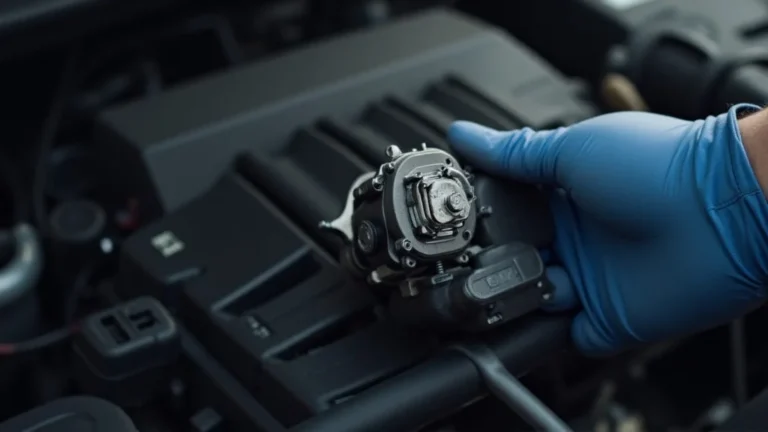
The starter motor is responsible for turning the engine over to start the car. If the starter motor is faulty, the engine won’t crank, even if the battery is good. This component is essential for starting the car, and any issues can be really inconvenient. Learn how to check the starter motor to avoid being stranded.
-
Starter Motor Operation: The starter motor uses electrical power from the battery to rotate the engine’s crankshaft. This turns the engine on. If the starter motor fails, the engine won’t start. The starter motor can fail for several reasons.
The starter motor is often the first suspect when a car won’t start but has power. You might hear a clicking sound or nothing at all when you try to start the car. A working starter motor should crank the engine. Check for any unusual noises during starting, as these can point to starter motor issues.
-
Testing the Starter Motor: You can perform some basic tests to see if the starter motor is working. Listen for a clicking sound or any noise when you turn the key. If you hear a click but the engine doesn’t crank, the starter motor might be faulty.
If you have access to a multimeter, you can check for voltage at the starter motor. Put the positive probe of the multimeter on the starter motor’s positive terminal and the negative probe on a good ground. Make sure to have someone else crank the car while you’re checking.
-
Seeking Professional Help: If you suspect a faulty starter motor, it’s best to have a mechanic inspect it. Replacing a starter motor can be complex, and a professional can diagnose and fix the problem. They have the experience and the right tools.
The mechanic can test the starter motor and identify any other related issues. Replacing the starter motor may involve removing other components, such as the exhaust system, which requires specialized knowledge. Don’t be afraid to consult a mechanic if you suspect starter motor problems.
Problems With the Ignition System
The ignition system provides the spark needed to ignite the fuel in the engine’s cylinders. If there’s a problem with the ignition system, the engine won’t start. The ignition system includes several components, like the ignition coil, spark plugs, and the ignition module. Learn to recognize issues in this area and discover the path to a quick fix.
-
Ignition System Components: The ignition system comprises the ignition coil, spark plugs, and the ignition module. The ignition coil provides the high voltage to the spark plugs, which create the spark. The ignition module controls the timing of the spark.
A malfunction in any of these components can prevent the engine from starting. Faulty spark plugs might not generate a spark, or a bad ignition coil might fail to provide the high voltage. A failure in the ignition module will lead to the same result.
-
Checking Spark Plugs: Remove and inspect the spark plugs for any signs of wear, damage, or fouling. They should be clean and in good condition. You can clean or replace spark plugs depending on their condition.
Look for any signs of wear, like the electrodes being worn down, or damage, like cracks. Fouling can happen when the spark plugs get coated with oil, fuel, or carbon deposits. Check the gap between the electrodes to ensure they meet the manufacturer’s specification. Replace damaged or worn spark plugs.
-
Testing Ignition Components: Use a multimeter to test the ignition coil and the ignition module. You can also visually inspect them for any physical damage. If you have the right tools, you can confirm whether the coil is producing the needed voltage.
These tests can help you narrow down the issue. Check the primary and secondary resistance of the ignition coil. The ignition module can be more difficult to test, and a professional might be needed for a thorough diagnosis. You may also check your car’s manual for any specific testing instructions.
Fuel System Issues Preventing a Start
Problems within the fuel system can stop your car from starting even with a new battery. This section examines key fuel system components that might be causing the problem. Issues like fuel pump failure, clogged fuel filters, or problems with fuel injectors are common and can prevent the engine from receiving fuel. Understanding the fuel system and how to diagnose these issues is critical.
Fuel Pump Failure
The fuel pump delivers fuel from the fuel tank to the engine. If the fuel pump fails, the engine won’t get the fuel it needs to start. This section explores why fuel pumps fail and how to diagnose them. Fuel pump failures are a frequent cause of starting problems.
-
Fuel Pump Function: The fuel pump is usually located in the fuel tank and is an electrical component. It’s responsible for providing fuel at the correct pressure to the fuel injectors. Without a working fuel pump, the engine can’t get the fuel needed to start and run.
The fuel pump is essential for the engine’s operation. It needs to provide a consistent flow of fuel. Fuel pumps can fail due to age, wear, or debris. You may experience slow starts before the pump fails.
-
Checking the Fuel Pump: Listen for the fuel pump when you turn the key to the “on” position (before starting the engine). You should hear a humming sound, which indicates the fuel pump is working. No sound means a problem.
The humming sound should last for a few seconds as the pump primes the system. If you don’t hear anything, the fuel pump could be bad. Another way to test is to check the fuel pressure at the fuel rail, using a fuel pressure gauge.
-
Replacing the Fuel Pump: Replacing a fuel pump usually needs removing the fuel tank or accessing the pump through an access panel. Seek professional help if you are not comfortable with this process. It can be a complex and time-consuming task.
Replacing the fuel pump might involve draining the fuel tank, which adds to the work. Make sure you disconnect the battery before you start. Always use the right safety precautions. Make sure you use the right fuel pump for your car.
Clogged Fuel Filter
The fuel filter removes impurities from the fuel before it reaches the engine. If the fuel filter is clogged, it can restrict fuel flow, stopping the engine from starting or running smoothly. Regularly changing the fuel filter is key to preventing this issue. Understanding how a fuel filter works can help you diagnose problems.
-
Fuel Filter Function: The fuel filter catches dirt, rust, and other particles that are in the fuel. These particles can damage the fuel injectors and other components. A clogged fuel filter limits fuel flow.
The fuel filter’s main job is to protect the engine from contamination. By removing the impurities, it helps keep the fuel system working correctly. Filters should be replaced according to the manufacturer’s recommendations.
-
Fuel Filter Inspection: The fuel filter is normally located in the fuel line, between the fuel tank and the engine. Inspect the fuel filter for any signs of clogging or blockage. You can replace the fuel filter if it is clogged.
You may also check the fuel filter by checking the fuel pressure. If the filter is clogged, fuel pressure will be lower than normal. Regularly change your fuel filter according to your vehicle’s maintenance schedule. Doing this will prevent the filter from getting clogged.
-
Fuel Filter
Ensure you disconnect the fuel lines and relieve any pressure in the fuel system before replacing the filter. Use the correct tools for the job. Read the instructions in your car’s manual. A clogged filter will reduce the amount of fuel delivered to the engine.
Fuel Injector Problems
Fuel injectors spray fuel into the engine’s cylinders. If fuel injectors malfunction, the engine may not get the needed fuel to start. Common problems include clogged injectors, electrical issues, or physical damage. This section provides ways to explore these issues and fix them.
-
Fuel Injector Function: Fuel injectors deliver fuel into the engine cylinders at the correct time and in the right amount. These components are essential for engine operation. They ensure the engine runs at peak efficiency.
The injectors are controlled by the car’s computer, which adjusts the fuel delivery based on the engine’s needs. If the injectors malfunction, the engine may not start or run smoothly. Malfunctioning injectors can lead to poor fuel economy, rough idling, and performance issues.
-
Injector Inspection: You can test fuel injectors by checking for leaks, blockages, or electrical problems. Look for fuel leaks. You can also use a fuel injector cleaner to remove any deposits from the injectors.
A common method is to check the fuel injector’s electrical connections with a multimeter. Also, check for clogs by removing the fuel injectors. Clogged fuel injectors can cause problems in starting the engine and overall performance. Consider using a fuel injector cleaner to get rid of any deposits.
-
Professional Diagnosis: A professional mechanic can perform a more in-depth diagnosis to inspect the fuel injectors. They can use specialized equipment to test the injectors’ performance and identify any problems. Repair or replace the fuel injectors if they’re damaged or not working.
A mechanic can also use diagnostic tools to check the fuel injector’s spray patterns. Replacing the fuel injectors is needed if they are worn or not delivering fuel effectively. A professional can quickly and accurately diagnose the cause.
Starting System Diagnostics and Solutions
This section explores practical steps to diagnose the problem. It covers basic checks to more complex tests, ensuring that all components are checked. It also provides solutions to resolve common issues, from simple fixes to more advanced repairs. These suggestions help you quickly locate the cause and resolve the problem.
Diagnostic Steps
Before you start pulling things apart, follow a systematic process to pinpoint the problem. These steps help you eliminate possible causes, saving time and effort. Using these steps will improve the efficiency and accuracy of your troubleshooting.
-
Initial Assessment: Check the basic things first, like battery terminal connections and any obvious damage. Inspect the battery connections.
Start with the simplest checks. Make sure the battery terminals are clean and securely connected. If you see any corrosion, clean it before proceeding. Look for any visible damage like broken wires or loose connections.
-
Electrical Checks: Test the battery voltage with a multimeter. Test the fuse box for any blown fuses. Check for a clicking sound from the starter motor when you turn the key.
Use a multimeter to measure the battery voltage. If it’s too low, the battery may be dead. Check all fuses, as a blown fuse might be the reason the car won’t start. If you hear a click when starting the vehicle, that might mean the starter motor is not working properly.
-
Fuel System Inspection: Listen for the fuel pump when you turn the key. If you can’t hear the fuel pump humming, then it might have failed. Inspect the fuel filter to see if it is clogged.
Listen for the sound of the fuel pump when you turn on the ignition. If you don’t hear anything, the pump might not be working. Inspect the fuel filter for any signs of blockage. These tests will help you eliminate potential fuel system issues.
Troubleshooting Scenarios
Here are several scenarios to help you understand common issues and the steps to resolve them. Each scenario involves a different problem, from a simple fix to a more detailed repair. Exploring these scenarios will improve your ability to identify and address the causes of your car not starting.
-
Scenario 1: The car won’t start, and there’s no sound when the key is turned. After checking, you find a blown fuse labeled “starter.”
Solution:
-
Scenario 2: The car cranks but won’t start after the battery replacement. You checked the battery voltage, and it is fine.
Solution: Check the fuel pump. Turn the key to the “on” position and listen for the fuel pump. If you don’t hear it humming, then the fuel pump might have failed. Check the fuel filter for clogging. If the fuel pump is not working, then you will have to replace it.
-
Scenario 3: The car turns over slowly, or the starter struggles. After a close inspection, you notice the battery terminals are corroded.
Solution: Clean the battery terminals. Remove the corrosion using a wire brush or a baking soda and water solution. Ensure a good connection. This step will often resolve starting issues, especially if the terminals are badly corroded. Apply terminal protector spray after cleaning.
Professional Help
Sometimes, the problem is more complex than you can handle on your own. If you have done all the basic checks and are still unsure, then consult a professional mechanic. Mechanics have the knowledge and tools for an accurate diagnosis. They have advanced diagnostic equipment that helps to identify the root cause of the problem.
-
When to Seek Help: If you are unfamiliar with car repair or have checked the simple things and the car still won’t start, it’s best to seek professional help. If you don’t know the cause of the problem, do not try to fix it.
Sometimes, the root problem is not easy to find. Trying to repair the vehicle yourself can damage the vehicle more. A professional mechanic can find the issue quickly and do the job right.
-
Diagnostic Services: Mechanics offer diagnostic services that involve using tools to check the vehicle’s components. They use tools to check the fuel pressure, the ignition system, and the electrical system. These tools give a more accurate diagnosis.
The mechanic can use an OBD-II scanner to read the car’s computer for any error codes. A mechanic can also conduct tests to check the components’ performance. A professional diagnosis saves time and money. It also stops you from guessing and making mistakes.
-
Professional Repairs: Qualified mechanics can perform all repairs to the vehicle. They have the expertise to
Professional repairs are often the best solution for complex problems. They are familiar with all types of car repairs. Professionals stand behind their work and are experienced in all types of repairs. They can make sure that all repairs are done correctly and safely.
| Symptom | Possible Cause | Solution |
|---|---|---|
| Car won’t start, no sound when turning the key | Dead battery, blown fuse, faulty starter | Check battery voltage, inspect fuses, check starter relay |
| Car cranks but won’t start | No fuel, no spark | Check fuel pump, inspect spark plugs |
| Engine turns over slowly | Weak battery, corroded terminals | Test battery load, clean terminals |
| Engine starts and dies immediately | Immobilizer issue, fuel cut-off | Check immobilizer, fuel pump relay |
Frequently Asked Questions
Question: Why won’t my car start after I replaced the battery?
Answer: Several issues can prevent a car from starting after a battery
Question: How do I know if I connected the battery terminals correctly?
Answer: The positive (+) terminal on the battery must connect to the positive (+) cable, and the negative (-) terminal on the battery must connect to the negative (-) cable. Double-check the markings on the terminals and cables.
Question: What should I do if the new battery is dead?
Answer: Check the battery’s voltage with a multimeter. If it’s significantly below 12 volts, the battery might be discharged. If it’s a new battery, try to charge it. If it still doesn’t work, then you should contact the retailer or manufacturer for a warranty replacement.
Question: Where can I find the fuse box in my car?
Answer: Fuse boxes are usually located under the dashboard, in the engine compartment, or sometimes both. Consult your car’s manual for the exact location of each fuse box and the associated fuse diagrams.
Question: How do I test if my starter motor is faulty?
Answer: You can try to start your car and listen for a click or no sound from the starter motor. If you have a multimeter, you can check the voltage at the starter motor when you turn the key.
Final Thoughts
So, the car won’t start after battery