How to Charge a Dead Car Battery: A Simple Guide
Having a car that won’t start is a bummer, and figuring out how to charge a dead car battery can feel tricky. It’s a common problem for new drivers or anyone who’s not super familiar with cars. Don’t worry, though! It’s not as hard as it seems, and you definitely don’t need to be a mechanic to get your car running again. This guide will take you step by step through the process, so you can get back on the road. Let’s get started!
What You Need to Know Before You Start
Before jumping in, it’s key to have some background information. Car batteries store the electricity needed to start your engine and power all the electrical systems in your vehicle. When your battery dies, it means it doesn’t have enough power to do these things. This can happen for many reasons, like leaving your headlights on, extreme temperatures, or just an old battery. Knowing the basics helps you handle the situation more confidently. It’s also important to have the right equipment and understand safety precautions before you begin. This initial knowledge sets a foundation, making the process smoother.
Safety First: Important Precautions
Working with car batteries involves electricity, so safety is absolutely vital. Always wear safety glasses to protect your eyes from splashes or sparks. Additionally, avoid wearing loose clothing or jewelry that could get caught in the engine. Work in a well-ventilated area because batteries can release harmful gases. Furthermore, before handling any cables, make sure both vehicles are turned off and the keys are removed from the ignition. Following these simple steps will significantly reduce the risk of accidents and ensure a safer charging experience. Taking these steps is the best way to do this.
- Wear Eye Protection: Always use safety glasses to protect your eyes from any potential acid splashes or sparks that may occur during the process.
- Work in a Ventilated Area: Charge your car battery in an area with good air circulation.
- Remove Jewelry and Loose Clothing: Remove any jewelry or loose clothing that could accidentally come into contact with the battery terminals or engine components.
- Ensure Both Cars Are Off: Before connecting the jumper cables, make sure that both vehicles are turned off and the keys are removed from the ignition.
- Avoid Sparks: When connecting the cables, try to avoid letting the metal ends of the jumper cables touch each other.
Car batteries contain sulfuric acid, which can cause severe burns if it gets in your eyes. Safety glasses are a simple but essential tool to keep you safe.
During charging, batteries can release hydrogen gas, which is highly flammable. Good ventilation prevents the buildup of this gas and reduces the risk of explosion.
Metal jewelry can conduct electricity and cause a shock, while loose clothing can get caught in moving parts. These precautions help prevent accidental injuries.
This ensures that no electricity is flowing through the system until you’re ready to start the charging process, reducing the risk of electrical damage or sparks.
Touching the ends can create sparks. Always connect the positive (+) cable first, then the negative (-) cable, following the correct order. These steps are a must.
Gathering Your Supplies
Getting your supplies ready is a key step before starting the charging process. You will need a set of jumper cables and a functioning car to jump-start the dead battery. Ensure the jumper cables are in good condition, without any frayed wires or damaged insulation. Having these items ready allows you to start quickly and efficiently when you’re ready to get going. This also minimizes any unnecessary delays or frustration during the jump-start procedure. Proper preparation makes the task easier.
- Jumper Cables: These cables are essential for transferring power from a working battery to your dead battery.
- A Working Vehicle: You will need another car with a fully charged battery to act as the power source.
- Safety Glasses: Protect your eyes from any potential sparks or acid splashes during the jump-start.
- Gloves (Optional): These can provide extra protection for your hands while handling the battery and cables.
Jumper cables come in different lengths and thicknesses. It’s key to choose a set that’s long enough to reach between the two cars and thick enough to handle the current. Look for cables that have well-insulated clamps.
This car should have a battery with a voltage similar to your dead battery, usually 12 volts. Make sure the working car’s battery is in good condition, as this will affect how well the jump-start works. It’s important for the vehicle to be in good working condition.
Safety glasses are a must-have for all battery-related activities. They will protect your eyes from any harmful substances that may be expelled. Having this extra protection is the safest way to ensure that nothing goes wrong.
Gloves can offer extra protection from any acid or corrosion. They are optional but add a layer of safety. This is a solid way to make sure that you are protected.
How to Charge a Dead Car Battery Step by Step
Now, let’s explore how to charge a dead car battery in a simple, step-by-step manner. Following these instructions will allow you to safely jump-start your vehicle. Make sure you have your supplies and have taken the safety precautions. Following these steps will help you get back on the road in no time.
Connecting the Jumper Cables Correctly
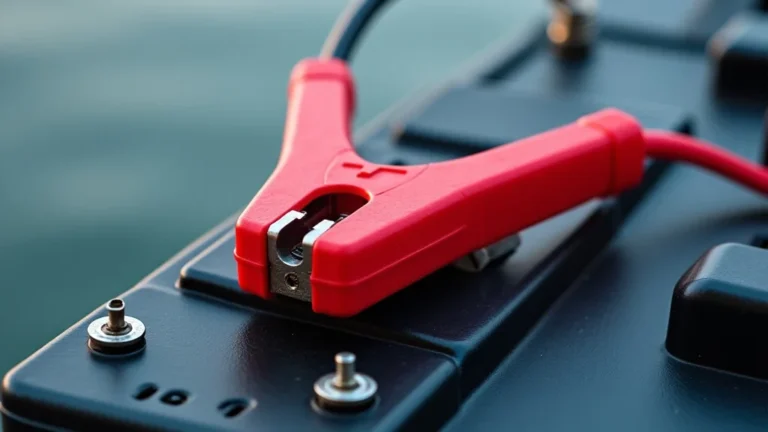
Connecting the jumper cables correctly is key to a successful jump-start. Start by positioning the working car close enough to your car so the jumper cables can reach both batteries without being stretched too tightly. Make sure the vehicles aren’t touching. Then, identify the positive (+) and negative (-) terminals on both batteries. The positive terminal is usually marked with a “+” symbol and is often red. The negative terminal is marked with a “-” symbol and is usually black. Keep the order in mind. Correctly connecting the cables ensures power transfer and prevents damage.
- Connect the Red (+) Cable to the Positive Terminal: Attach one red clamp to the positive (+) terminal of the dead battery. Then, attach the other red clamp to the positive (+) terminal of the working battery.
- Connect the Black (-) Cable to the Negative Terminal: Attach one black clamp to the negative (-) terminal of the working battery. Then, attach the other black clamp to a bare metal surface (like a bolt or engine block) on your car, away from the dead battery.
- Double-Check the Connections: Before you start the working car, double-check that all clamps are securely attached to the correct terminals.
This step establishes the positive connection between the two batteries, allowing electricity to flow. The red color helps to identify the positive terminal, minimizing any confusion.
This establishes the negative connection. Attaching the negative clamp to a ground point on your car helps to prevent sparks near the dead battery, which could ignite any released gases. This step allows the circuit to be completed.
Ensure that the clamps have a solid grip on the terminals, so the current can flow efficiently. Loose connections can lead to poor performance and potential safety issues. Check for proper connections.
Starting the Vehicles and Charging
Once the jumper cables are correctly connected, it’s time to start the cars and begin the charging process. Start the car with the working battery first and let it run for a few minutes. Then, try starting your car. If it doesn’t start immediately, let the working car run for a bit longer to charge your battery, then try again. Once your car starts, let it run for at least 15-20 minutes to allow the alternator to recharge the battery. Then, carefully disconnect the jumper cables in reverse order. Following these steps helps recharge your battery safely and effectively.
- Start the Working Car: First, start the car with the good battery and let it run for a few minutes.
- Try Starting Your Car: After the working car has been running for a few minutes, try starting your car.
- If It Starts, Keep It Running: If your car starts, let it run for at least 15-20 minutes.
- Disconnect the Cables in Reverse Order: After your car has been running, disconnect the jumper cables in the reverse order that you connected them.
This will help to provide the necessary power to your dead battery. Letting it run for a few minutes ensures a steady flow of electricity to your battery.
If your car starts, let it run for at least 15-20 minutes to recharge the battery. If it doesn’t start immediately, let the working car run for a bit longer, then try again.
This lets the alternator recharge your battery. This step is key to restoring your battery to full power.
Start with the black cable from the ground point, then the black cable from the working battery, then the red cable from the working battery, and finally, the red cable from your car’s battery. Doing this correctly prevents any sparks or short circuits. Reverse steps are a must.
Things to Consider After a Jump Start
After successfully jump-starting your car, there are several things to keep in mind. First, it’s a good idea to drive your car for at least 30 minutes to allow the alternator to fully charge the battery. Monitor your car’s performance over the next few days. If the car has trouble starting again, or if you notice dim headlights, it might be time to have your battery tested or replaced. Knowing these things can help you assess the battery’s condition and make any needed decisions.
- Drive Your Car for a While: After jump-starting your car, it is a good idea to drive it for at least 30 minutes.
- Check for Any Warning Signs: Keep an eye out for any signs of trouble over the next few days.
- Get Your Battery Tested: Consider having your battery tested.
- Consider the Battery’s Age: Determine the age of the battery.
This gives the alternator enough time to fully charge the battery. Short trips may not be enough to fully restore the battery’s power. Take your time to enjoy the ride.
If your car has trouble starting again or if you notice dim headlights or other electrical issues, it may indicate that your battery is not holding a charge and needs to be replaced. Pay attention to these items.
Have your battery tested at a local auto parts store. This will help you determine its overall health. If the test shows that your battery is failing, you will need to replace it. A good battery is important.
Car batteries typically last about 3 to 5 years. If your battery is old, it might be a good idea to replace it, even if it seems to be working. Consider the battery’s age and determine what should be done. Old batteries will need replacing.
Understanding Battery Charging Technology
To further understand how to charge a dead car battery effectively, it’s helpful to explore the technology. Car batteries use a chemical reaction to store and release electricity. They have positive and negative plates submerged in an electrolyte solution (usually a mixture of sulfuric acid and water). The chemical reactions within the battery cause electrons to flow, which provides the power to start your car and run its electrical components. Understanding this technology can help you grasp the charging process more deeply. This deeper knowledge can assist in troubleshooting problems.
Types of Car Batteries
Different types of car batteries are available, each designed for specific needs. The most common type is the flooded lead-acid battery, which is a traditional option. They’re cost-effective and easy to find. Then there are absorbed glass mat (AGM) batteries, which are becoming more popular. They offer better performance and durability. Finally, gel batteries are a less common type known for their durability and resistance to vibration. Knowing these battery differences can help you make an informed decision when it’s time to replace your car’s battery.
- Flooded Lead-Acid Batteries: This is the most common and oldest type of car battery.
- Absorbed Glass Mat (AGM) Batteries: AGM batteries are becoming more popular.
- Gel Batteries: Gel batteries are known for their durability and are also resistant to vibration.
- Battery Construction: Car batteries utilize lead plates and an electrolyte solution.
They are cost-effective and typically have a longer lifespan. These batteries use liquid electrolyte. This makes them easier to maintain and can be found nearly everywhere. They’re still a great option.
They offer better performance and durability compared to flooded batteries. They use a special glass mat to absorb the electrolyte. This improves their resistance to vibration and also provides better performance.
Gel batteries are also very durable, and they can last for years. The gel-like electrolyte in them is the main difference. They offer very high performance and have a long lifespan.
This construction allows the battery to store and deliver electrical energy. The lead plates are the source of energy, and the electrolyte facilitates the chemical reactions that generate electricity. This design is what makes a car battery work.
Understanding the Alternator’s Role
The alternator plays a key role in keeping your battery charged. The alternator is a generator that converts mechanical energy from the engine into electrical energy. When your car is running, the alternator supplies power to the car’s electrical systems and recharges the battery. If the alternator fails, your car will eventually drain the battery. Keeping your car’s alternator is essential for a properly functioning electrical system and a battery that will stay charged. Regular check-ups of the alternator can extend the life of your car.
- Converting Mechanical Energy: The alternator converts the mechanical energy from the engine into electrical energy.
- Charging the Battery: The alternator charges the battery while the car is running.
- Providing Power to Electrical Systems: The alternator supplies power to the car’s electrical systems while the engine is running.
- Voltage Regulation: The alternator regulates the voltage to prevent overcharging or undercharging the battery.
This conversion is crucial, as it provides the necessary power to operate the car’s electrical systems. The engine’s rotational force is captured and transformed into electricity by the alternator. The alternator helps make everything else run.
The electrical energy generated by the alternator flows to the battery, replenishing its charge. This ensures the battery has enough power to start the car and power electrical components. Charging your battery is key.
It provides the necessary power for things like lights, the radio, and the air conditioning. This takes the load off the battery. It is key that the car runs effectively.
This feature protects the battery from damage. This also ensures that the electrical components of the car function correctly. Voltage regulation makes sure the car functions properly.
Choosing the Right Battery Charger
Using a battery charger is another effective way to recharge a dead car battery. When choosing a battery charger, consider the voltage and amperage requirements of your battery. Chargers come in different types, from basic trickle chargers that charge slowly to more advanced chargers with faster charging capabilities and safety features. Selecting the right charger ensures that the charging process is efficient and safe, helping prolong the battery’s lifespan. Take your time to check out the features and specs.
- Voltage and Amperage: Select a charger that matches the voltage and amperage requirements of your car battery.
- Types of Chargers: You can choose from various types of battery chargers.
- Safety Features: Look for battery chargers with safety features.
- Automatic Shut-Off: A charger with an automatic shut-off feature is a bonus.
Most car batteries are 12 volts, but it is important to check your battery’s specifications. The amperage (or charging rate) will affect how quickly your battery charges. You must get the right amperage.
Trickle chargers provide a slow, steady charge and are great for maintaining batteries. Faster chargers, also known as rapid chargers, can charge batteries more quickly. Smart chargers automatically adjust the charging rate. Each type has its benefits.
Many chargers have built-in protection. This includes protection against overcharging, short circuits, and reverse polarity. These features help protect both the charger and your battery. This can also prevent accidents.
This feature prevents overcharging, which can damage the battery. It’s also convenient. The charger automatically stops charging when the battery is full. This feature is really nice to have.
Frequently Asked Questions
Question: How long does it take to charge a car battery?
Answer: The time it takes to charge a car battery varies depending on the charger and the battery’s condition. A jump-start might get you going quickly, while a full charge using a charger can take several hours, sometimes overnight.
Question: Can I charge a car battery without a charger?
Answer: Yes, you can charge a car battery using jumper cables and another vehicle. This is known as a jump-start. However, for a complete and reliable charge, a battery charger is better.
Question: What causes a car battery to die?
Answer: A car battery can die for several reasons, including leaving lights on, extreme temperatures, an old battery, or electrical issues. Regular maintenance can prevent unexpected issues.
Question: Is it safe to leave jumper cables connected for a long time?
Answer: It’s generally safe to leave jumper cables connected for a short period (around 5-10 minutes) while the working car runs to give the dead battery an initial charge. However, for a full charge, a battery charger is better.
Question: Can I jump-start a car with a hybrid vehicle?
Answer: Yes, you can usually jump-start a car with a hybrid vehicle. However, it’s essential to follow the hybrid vehicle’s specific jump-starting instructions, which may differ from standard procedures.
Final Thoughts
Knowing how to charge a dead car battery is a handy skill for any car owner. While a dead battery can be frustrating, the jump-start procedure, if followed correctly, is a simple and effective solution to get you back on the road. Remember to prioritize safety by taking the necessary precautions. Also, make sure to follow the correct steps for connecting the jumper cables and starting the cars. After a successful jump-start, drive your car for a while to let the alternator recharge the battery. Don’t forget to check for any warning signs that might indicate a deeper problem. Knowing these basics empowers you to handle the situation confidently. With this knowledge and a little practice, you can easily manage a dead battery and keep your car running smoothly. Be prepared and get going!