Car Battery Temperature Too High A Simple Guide to Cooling Down
If you’re new to car care, the idea of a car battery temperature too high might seem a little confusing. Don’t worry, it’s a common problem, especially during hot weather. This can lead to issues with starting your vehicle and the overall life of your battery. The good news is that dealing with this issue doesn’t have to be hard. We’ll explore the causes and provide you with a straightforward, step-by-step approach to keep your battery cool and running smoothly. Let’s get started and learn how to keep your battery performing at its best.
What Causes Car Battery Temperature to Rise?
Several factors can push a car battery’s temperature up. Extreme heat is a big one. When temperatures outside are soaring, the heat quickly gets into your car, affecting everything, including the battery. Another thing to consider is the car’s location. Sunlight directly hitting your car and lack of airflow are other important elements in the process of generating heat. Battery age and overall car usage contribute as well. Older batteries are more sensitive to temperature fluctuations, and how often you drive and how far you go all add up. Understanding these reasons is the initial phase in resolving the problem, and will give a better chance of keeping the battery in peak condition.
Heat and Its Impact on Batteries
Heat is a battery’s biggest enemy. High temperatures speed up the chemical reactions inside the battery. This means the battery discharges faster, and its components can degrade more rapidly. In extremely hot conditions, the battery can even start to warp or swell. You can imagine the potential issues as a direct result of these kinds of damages to the battery. When the battery gets really hot, it can lose its ability to hold a charge properly. Furthermore, the hotter it gets, the greater the likelihood of corrosion, which can harm the battery’s functionality and lifespan.
- Accelerated Corrosion: Heat makes the electrolyte inside the battery evaporate faster, leading to corrosion on the terminals. This corrosion can prevent the battery from delivering enough power, which leads to starting troubles.
- Reduced Lifespan: A battery’s life shortens when exposed to high heat. Frequent exposure can significantly decrease its expected lifespan, meaning you’ll need to replace it sooner. The battery’s chemistry is compromised, reducing its effectiveness and durability over time.
- Damage to Internal Components: The internal components are at risk from heat damage. High heat could cause internal short circuits or the degradation of battery components. This kind of damage reduces the battery’s capability to deliver power and may result in complete failure.
- Increased Self-Discharge: Heat can lead to a phenomenon known as self-discharge. Your battery discharges even when it’s not being used. The higher the temperature, the faster the self-discharge rate, leading to a dead battery if the vehicle is left unused for long.
- Boiling Electrolyte: In extreme cases, a car battery can get so hot that the electrolyte begins to boil. This can cause the battery to leak or even explode, causing severe damage and posing safety hazards.
Location Matters: Where You Park
Where you park makes a huge difference in the car battery’s temperature. Leaving your car outside in direct sunlight on a hot day is like putting your battery in an oven. Even if the outside temperature isn’t that high, the inside of your car can get much hotter. The color of your car also plays a role. Dark-colored cars soak up more heat than lighter ones. Furthermore, if you are stuck parking in a location without airflow, this further amplifies the heat trapped within the engine compartment, which is where the battery typically resides.
- Shade is Your Friend: Try to park in shaded areas whenever possible. Trees, covered parking, or garages will help keep your car cooler, thus reducing the temperature of the battery.
- Avoid Direct Sunlight: If shade isn’t an option, try to park away from direct sunlight, or consider using a windshield sunshade. These are small steps that make a big difference, especially on hot days.
- Ventilation: When you park, leave your windows slightly open if you feel it is safe to do so. This allows for better airflow and helps to keep the internal environment cool, which protects the battery.
- Garage Parking: If you have access to a garage, use it. Garages are much cooler than the outdoors, providing a significant advantage in controlling battery temperature.
Battery Age and Overall Condition
An older battery is often more sensitive to temperature swings than a newer one. As a battery gets older, its ability to withstand heat diminishes. This is due to the gradual breakdown of internal components and the reduction in overall capacity. Additionally, how you use your car can influence how fast the battery gets hot. Short trips, frequent starting and stopping, and using many electrical accessories put a greater demand on the battery, which contributes to increased heat generation. Maintaining your battery will increase its lifespan.
According to the AAA, a car battery’s life can be cut in half when exposed to extreme heat. For every 10 degrees above 77°F (25°C), the corrosion rate in a lead-acid battery doubles, accelerating failure. These facts highlight the importance of heat management.
- Battery Testing: Get your battery tested regularly. This includes checking its voltage, charge capacity, and overall health, especially during the warmer months. Testing helps in identifying early issues.
- Regular Maintenance: Have your car’s electrical system and the battery terminals checked for corrosion or loose connections. This will improve the efficiency of power delivery and reduce the chances of overheating.
- Charging Habits: Avoid letting your battery discharge completely. Repeated deep discharges can harm the battery, making it more vulnerable to heat-related problems. Charging the battery often will help with this.
How to Cool Down a Car Battery Temperature Too High
Now that you know what causes car batteries to overheat, the next step is how to cool them. There are several actions you can take, ranging from simple fixes to more involved actions. The main goal is to reduce the amount of heat and improve the battery’s operating condition. By implementing these measures, you can prolong the life and guarantee optimal performance in your car battery.
Immediate Actions to Take
If you suspect your car battery temperature too high, there are a few things you can do right away to cool it down. These rapid interventions can help lower the battery temperature and prevent more damage. Immediate action can prevent significant harm and help you keep your car running well.
- Let the Car Rest: If you’ve been driving for a long time or have noticed your car is struggling, park your vehicle in a cool, shaded area. Allow the car to sit and cool down completely. This gives the battery a chance to regulate its temperature naturally.
- Open the Hood: Opening the hood helps with airflow around the engine compartment, where the battery is usually located. This is especially helpful if your car is stationary and you have parked in a cool location.
- Check for Warning Signs: If you have any concerns that the battery temperature is too high, be on the lookout for warning signs. These might include the smell of sulfur (rotten eggs) near the battery, swelling of the battery casing, or a clicking sound when you try to start the engine.
Long-Term Cooling Solutions
Implementing long-term strategies can significantly reduce the risk of overheating. These measures focus on improving airflow and adding some level of insulation. Combining a few of these approaches will bring about the most successful results for maintaining battery temperature. Long-term cooling measures involve taking proactive steps to create a cooler and healthier environment for your battery.
- Battery Insulation: Use a battery insulator. These insulators are designed to wrap around your battery and act as a barrier to heat. They can significantly reduce the amount of heat the battery is exposed to, especially in engine compartments where temperatures rise.
- Improve Airflow: Make sure the engine compartment has good ventilation. This can include checking that vents aren’t blocked, and that any components designed to guide airflow are still intact and in place. Good ventilation will improve air circulation.
- Consider Battery Relocation: In extreme cases, if the car battery frequently overheats, you might think about moving the battery to a cooler place, such as the trunk. This is often more effective, especially in areas with very hot summers.
Preventive Measures
Preventive maintenance will make your battery last longer and perform better. Small actions, when taken frequently, can result in considerable benefits. These preventive actions are fundamental to maintaining your battery. Taking these precautions will help avoid future problems and minimize the impact of hot weather.
- Regular Battery Checks: Have your battery checked regularly by a mechanic. They can assess its condition and spot any signs of wear and tear, and also test it’s temperature. Professional inspections are an easy way to catch problems early.
- Check Charging System: Ensure your car’s charging system is working correctly. A charging system that overcharges can cause your battery to overheat, so get it tested to make sure it’s functioning properly.
- Limit Electrical Usage: When it’s hot, try to limit using electrical accessories, especially if you’re only driving short distances. This reduces the strain on the battery and helps it stay cooler.
Understanding Car Battery Components
Knowing a little about your car battery’s components can help you understand why they are sensitive to high temperatures. Each part of the battery has a function, and heat can negatively affect them. Learning more about these components makes it easier to understand how to care for your battery.
The Main Parts of a Car Battery
The main parts of your car battery work together to generate the power needed to start your car and run its electrical systems. Each component has an important function and, when working together, keep your vehicle running. The more you explore the parts, the easier it becomes to understand how the whole system functions.
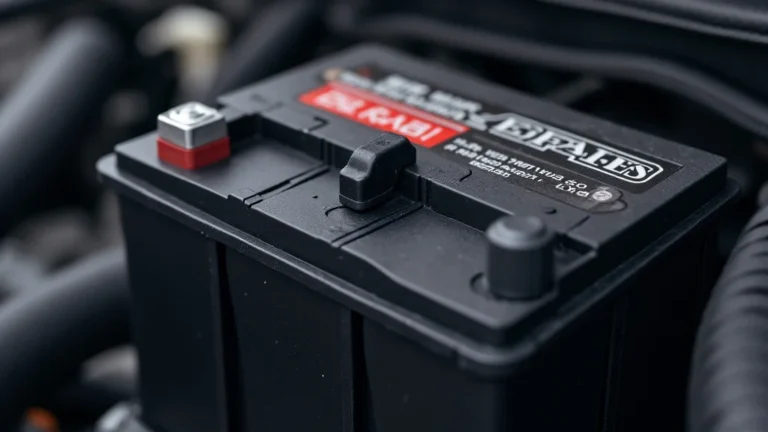
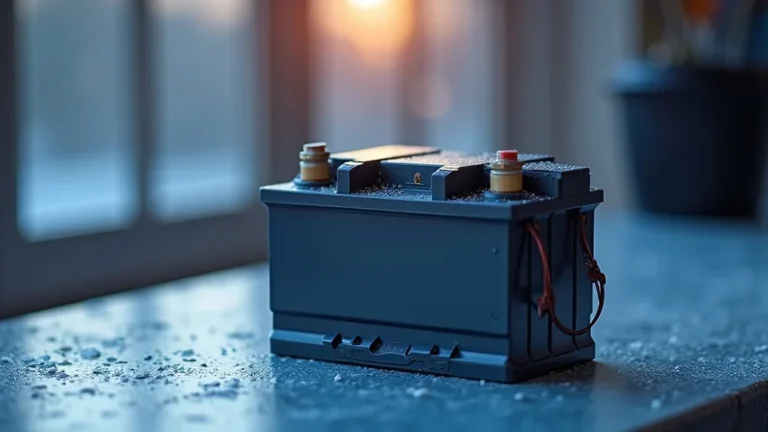
- The Battery Case: The case of the battery is the container that holds everything together. Battery cases are usually made of sturdy plastic, and they must withstand a wide range of conditions. The casing plays a role in keeping the battery protected from impacts.
- Lead Plates: Lead plates are the key to the battery’s ability to store and release energy. They sit inside the battery and are submerged in the electrolyte solution. Over time, the lead plates corrode, which impacts the battery’s capacity.
- Electrolyte: The electrolyte is a mixture of sulfuric acid and water. It facilitates the chemical reactions that produce the electricity. The electrolyte level is something you should check regularly, especially in older batteries, as it can evaporate faster in hot weather.
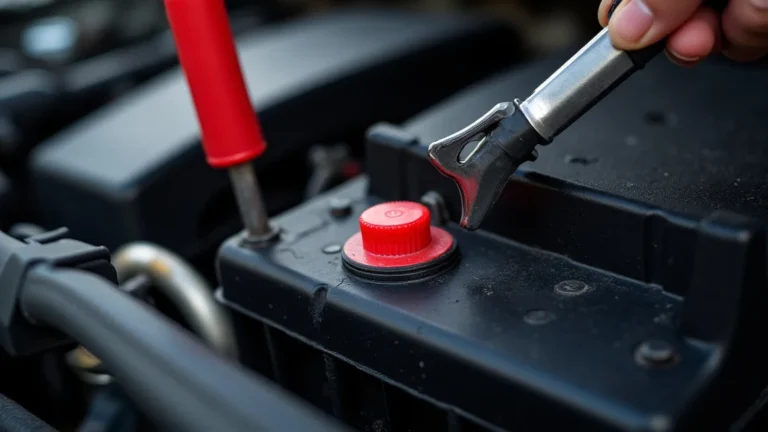
- Battery Terminals: These are the positive and negative connectors that attach to the car’s electrical system. They’re usually made of lead or other conductive materials. Proper terminals are critical for the car’s electrical circuit, and should be checked often to avoid corrosion.
How Heat Affects Battery Components
Heat is particularly tough on your battery’s components. As temperatures rise, the chemical reactions inside the battery are accelerated, leading to faster wear and tear. Understanding the damage heat causes will help you appreciate the importance of keeping your battery cool.
- Electrolyte Evaporation: Heat causes the electrolyte to evaporate, which can reduce the electrolyte level inside the battery. This can damage the lead plates and reduce the battery’s capacity. Low electrolyte levels reduce the battery’s ability to function properly.
- Corrosion of Plates: High temperatures speed up the corrosion of the lead plates. This corrosion lowers the battery’s ability to store and release energy. Corrosion can also lead to short circuits, leading to early failure.
- Terminal Corrosion: The battery terminals are also vulnerable to corrosion in hot weather, as the acid in the battery can react with the metal. This makes it difficult for the car to start. When this happens, the terminals must be cleaned regularly.
Frequently Asked Questions
Question: How can I tell if my car battery is too hot?
Answer: Some common signs include a swollen battery case, a strong smell of sulfur (rotten eggs), or difficulty starting the car. You might also notice corrosion around the terminals.
Question: What’s the best way to cool down a hot car battery?
Answer: Park your car in a cool, shaded area. Open the hood to increase airflow. Also, you can install a battery insulator.
Question: Does the color of my car affect the battery temperature?
Answer: Yes, dark-colored cars absorb more heat than light-colored ones. This can make the battery inside the car hotter, increasing its temperature.
Question: How often should I have my car battery checked?
Answer: It’s good to have your battery checked every six months or at least twice a year, especially before the hot summer months. Regular checks help to ensure it’s functioning correctly.
Question: Can I use a regular cooler to protect my car battery from high temperature?
Answer: It’s not advisable to use a cooler in the traditional sense, as these don’t have proper ventilation. However, a battery insulator is specifically designed to protect your car battery from extreme temperature.
Final Thoughts
Keeping a car battery temperature too high in check is crucial for your car’s performance and the battery’s lifespan. By understanding what causes your battery to overheat, from hot weather to its overall condition, you can take simple steps to protect it. Remember, these include finding shade when parking, ensuring proper ventilation, and getting regular battery maintenance. Implementing these measures will go a long way in ensuring your battery stays in good condition and performs well in any season. Take action today by using these tips, and enjoy peace of mind knowing your battery is prepared.