Battery Drain When Parked Explored Simple Solutions
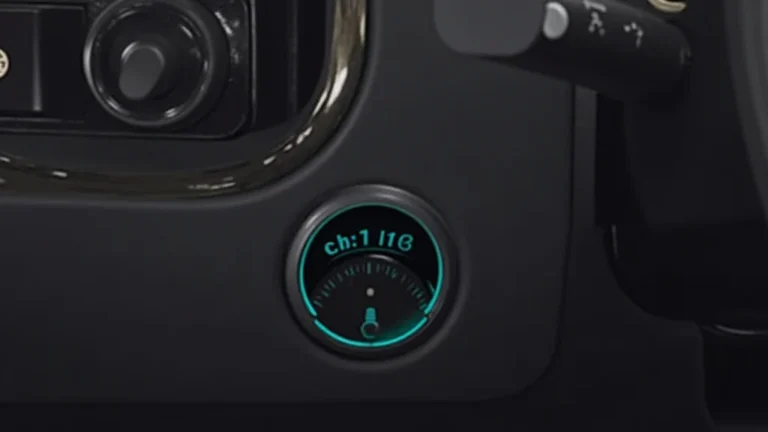
Having your car’s battery losing charge when parked can be super frustrating, especially for anyone new to owning a vehicle. It’s a common problem, often caused by things you might not even realize are using power. Don’t worry, it doesn’t mean something’s terribly wrong! This post will walk you through, step by step, the common culprits and how to find a solution. We’ll explore the main causes and provide actionable tips to keep your battery healthy. Let’s get started!
Common Causes of Battery Drain When Parked
When your car sits idle, it’s natural for the battery to lose some charge. However, if the battery drains quickly, something’s not right. This section explores some of the most common reasons why a car battery might be losing charge while parked, ranging from simple issues like leaving lights on to more complex problems like parasitic drain. Being aware of these causes is the first step in solving the problem and keeping your car running smoothly.
Parasitic Drain: The Hidden Energy Thieves
Parasitic drain refers to the small amount of electrical current that flows from the car battery to power various systems even when the car is turned off. These systems, like the car’s computer, alarm system, and radio, are always “listening” or “ready.” A small amount of power is required for them to function. This is perfectly normal. However, if any of these systems draw too much power, it leads to battery drain. The normal parasitic drain is around 50 milliamps (0.05 amps). Anything higher suggests a potential problem.
- Computer Systems: Modern cars rely on numerous computers (ECUs) to manage everything from the engine to the entertainment system. These computers, even when the car is off, need a small amount of power to keep their memory and settings intact.
- Alarm Systems and Immobilizers: Car alarm systems are designed to protect your vehicle. They constantly monitor for any potential threats, requiring power from the battery. Immobilizers, which prevent the car from starting without the correct key, also consume power.
- Radio and Entertainment Systems: The car stereo, especially those with advanced features like navigation or Bluetooth, consumes power even when the car is off. This is primarily to maintain presets, clock settings, and for remote control functionality.
If these systems malfunction or have software glitches, they can draw excessive power, causing a parasitic drain. To solve this, a mechanic can diagnose the issue and update software.
Faulty or improperly installed alarm systems can significantly increase parasitic drain. You can test these yourself to see if the system is to blame. Make sure that the alarm system is off before the test.
Upgraded or aftermarket radios can sometimes draw too much power, especially if installed incorrectly. Ensure proper wiring and check the system’s power consumption with a multimeter. Upgraded stereos are a common source of battery drain.
Leaving Lights On
This is perhaps the simplest and most common cause of battery drain. It’s easy to accidentally leave headlights, interior lights, or even the parking lights on when you park your car. Unlike older cars, modern cars often have automatic shut-off features. However, these systems can fail. Even a few hours with lights on can deplete the battery to a point where the car won’t start. This is especially true if you only drive short distances, which doesn’t give the battery a chance to fully recharge.
- Headlights: Headlights, especially high-beam headlights, consume a significant amount of power. Leaving them on overnight will quickly drain the battery. Check your car to see if your headlights have automatic shut-off.
- Interior Lights: Interior lights, like dome lights and reading lights, are designed to illuminate the cabin. They can also drain the battery if left on. Many cars have a delay feature that turns off these lights after you close the door, but some may not.
- Parking Lights: Parking lights, also known as side marker lights, are a less obvious culprit. They consume less power than headlights, but leaving them on for an extended period can still drain the battery.
Modern vehicles often have features to turn off the headlights automatically after a certain period of time. Make sure this feature is working correctly, or make a habit of double-checking your lights.
Always inspect the interior lights before exiting the vehicle. If you have children in your vehicle, have them confirm the lights are off when they exit the vehicle. For older vehicles, it’s crucial to manually check.
These lights are often controlled by the same switch as headlights. Double-check that all lights are off, including parking lights, before you leave your car.
Faulty Charging System
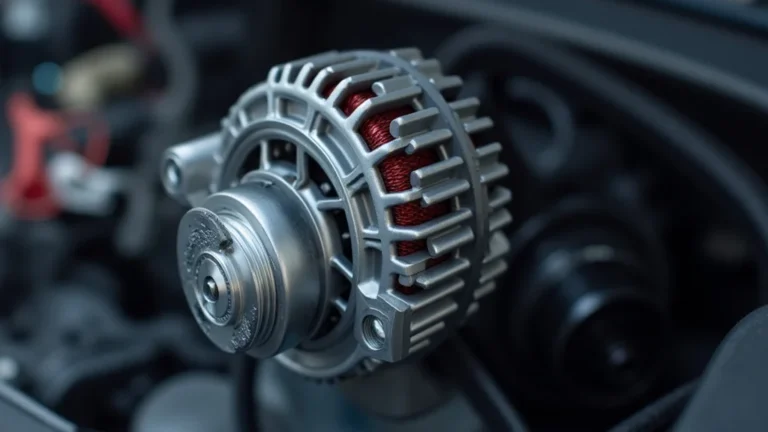
The charging system, which includes the alternator, is responsible for keeping the battery charged while the engine is running. If the alternator isn’t working correctly, it can’t supply enough power to the battery. This can lead to a battery that doesn’t fully charge during driving, leading to faster discharge when parked. Other components, such as the voltage regulator, can also cause issues within the charging system.
- Alternator Problems: The alternator generates electricity to power the car’s electrical systems and recharge the battery. If the alternator fails, the battery will eventually drain, even if the car is only used for short trips.
- Voltage Regulator Issues: The voltage regulator controls the output voltage of the alternator. If the regulator malfunctions, it can overcharge or undercharge the battery.
- Loose or Corroded Connections: Loose or corroded connections in the charging system can interrupt the flow of electricity. This will lead to improper charging of the battery, impacting the battery.
Common alternator problems include worn brushes, a faulty rectifier, or a failing stator. These issues can result in undercharging or no charging at all. When the alternator is at fault, the battery drains even while the car is running.
Overcharging can damage the battery, while undercharging prevents it from reaching full capacity. The voltage regulator must maintain the correct voltage (around 13.5 to 14.5 volts) to ensure proper charging.
Inspect the battery terminals, alternator connections, and ground wires for corrosion or damage. Clean any corrosion with a wire brush and ensure all connections are tight.
Troubleshooting Battery Drain: Step-by-Step Guide
If you’re experiencing battery drain, don’t worry. There are several steps you can take to diagnose and solve the problem. This section provides a simple, step-by-step guide to help you find the source of the drain. By following these steps, you can pinpoint the culprit and take the appropriate action to resolve the issue, saving you time and money on unnecessary repairs.
Check for Obvious Issues
Before you start digging into more complex diagnostics, it’s always best to start with the obvious. Simple issues are often the root cause of battery problems. This involves a visual inspection and quick checks that can quickly reveal whether the battery drain is due to a simple mistake or a more serious electrical issue.
- Visual Inspection: Start by looking for anything obviously wrong. This includes things like:
- Are the headlights, interior lights, or parking lights on?
- Are any doors or the trunk not completely closed?
- Are there any signs of corrosion on the battery terminals?
- Battery Terminal Inspection: Check the battery terminals for corrosion. Corrosion can create resistance and prevent the battery from charging properly.
- Test the Lights: Make sure all the lights are functioning correctly. Check the headlights, taillights, brake lights, and interior lights.
Sometimes, the solution is as easy as turning off a light or closing a door properly.
If you see a white or blue-green powdery substance, that’s corrosion. Clean the terminals with a wire brush and a solution of baking soda and water.
Look for any burned-out bulbs, which may cause problems. Replace any faulty bulbs that you find.
Using a Multimeter to Measure Parasitic Drain
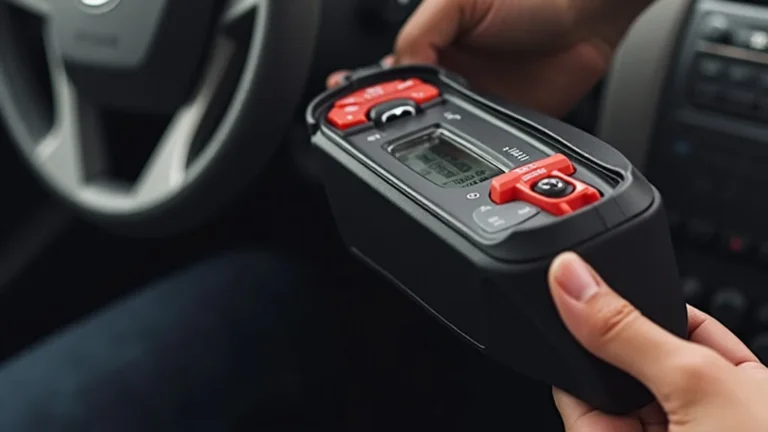
The multimeter is a simple but powerful tool for diagnosing electrical problems, particularly parasitic drain. It measures the amount of current flowing through a circuit. In this case, you’ll use it to measure the current draw from your car battery while the car is off. This measurement helps you determine whether a system is drawing too much power. If the drain exceeds the expected level, you know something is causing the battery to lose charge.
- Setting Up the Multimeter: Set your multimeter to measure DC current (amps).
- Preparing the Car: Ensure the car is off and all doors are closed.
- Measuring the Current Draw: Disconnect the negative (black) battery terminal.
- Reading and Interpreting the Results: The multimeter will display the current draw (in amps or milliamps).
Select the appropriate amp range, typically 10A or 20A, depending on your multimeter. Ensure the red probe is plugged into the amp jack.
Remove the key from the ignition. Wait at least 15-30 minutes for the car’s computer systems to go into sleep mode. This ensures you’re measuring the correct parasitic draw.
Connect one multimeter probe to the negative battery terminal and the other probe to the negative battery cable. Ensure there’s a good connection to both points.
A normal parasitic drain is typically less than 50 milliamps (0.05 amps). If the reading is significantly higher, you have a parasitic drain issue.
Isolating the Drain Source
Once you’ve confirmed a parasitic drain using a multimeter, the next step is to identify which electrical component is responsible. This often involves a process of elimination, disconnecting fuses one by one, and observing whether the current draw drops. This method helps you pinpoint the circuit causing the issue. This can be time-consuming, but is often essential for solving the problem.
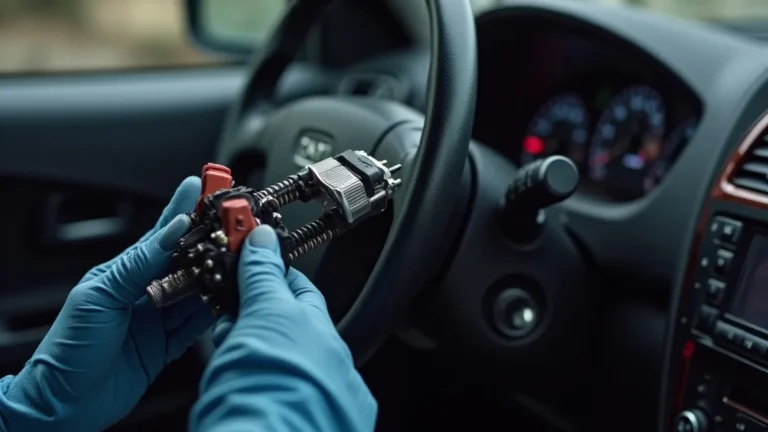
- Fuse Box Location: Locate your car’s fuse boxes. They’re typically in the engine compartment and under the dashboard.
- Fuse Pulling and Testing: With the multimeter still connected to measure parasitic draw, start pulling fuses one at a time.
- Identifying the Circuit: Once you’ve identified the problematic circuit, refer to your car’s wiring diagrams or your owner’s manual.
Consult your owner’s manual to identify which fuse controls which circuit. Label your fuses as you remove them.
After removing each fuse, check the multimeter reading. If the reading drops significantly when you remove a particular fuse, that fuse’s circuit is the source of the drain.
Identify the components on that circuit. This will help you focus your troubleshooting efforts on those specific components. Remember to replace each fuse after testing!
Addressing and Preventing Battery Drain
Once you’ve identified the cause of your battery drain, the next step is to take action. This section provides detailed guidance on what to do to fix common battery drain problems and how to prevent future issues. This section offers specific solutions, from replacing faulty components to making adjustments in your driving habits and car usage.
Solutions for Common Causes
Depending on the cause, the solutions will vary. The correct steps will fix the problem, keeping your battery healthy and your car reliable. These solutions will save you from future headaches of a car that won’t start.
- Addressing Parasitic Drain: Repair or replace the faulty component causing the excess drain.
- Fixing Lighting Issues: Replace any burned-out bulbs. If lights are the problem, they must be solved.
- Charging System Repairs: If the alternator is the issue, it may need to be repaired or replaced.
For example, if the radio is the problem, you might need to repair or replace it. Check any aftermarket devices that may be at fault, and check the wiring. This could include things like a faulty computer module.
Ensure that all switches and controls are functioning correctly. Consider consulting a mechanic to diagnose the electrical components.
Preventive Measures and Driving Habits
Preventing battery drain involves developing good habits and caring for your vehicle’s electrical system. Proactive steps can help keep your battery in good shape. This prevents future problems. Implementing these preventive measures will reduce the chances of encountering battery drain issues and ensure the battery lasts longer.
- Regular Inspections: Perform regular visual inspections of your car’s lights, interior lights, and battery terminals.
- Battery Maintenance: Keep your battery terminals clean and free of corrosion.
- Driving Habits: Avoid short trips, as they don’t give the battery a chance to fully recharge.
A few minutes spent looking at your car can catch problems before they become major issues.
Clean them regularly with a wire brush and baking soda solution. Make sure the connections are tight.
If you mainly take short trips, consider using a battery charger occasionally. Park in a garage to protect the car from extreme temperatures.
Case Studies and Examples
Real-life examples can make the concepts of battery drain more relatable. These cases provide valuable insights into how to troubleshoot problems with a car battery. By examining these scenarios, you can gain a better grasp of how to identify the causes of battery drain and implement effective solutions.
- Case Study 1: The Mysterious Drain. A customer reported their car battery losing charge overnight. After performing a parasitic drain test, a mechanic discovered a high current draw. Using a multimeter to pull fuses, they found that the radio circuit was the cause. Further inspection revealed a faulty aftermarket stereo installation.
- Case Study 2: The Light Problem. A car owner repeatedly found their battery dead after parking overnight. After a visual inspection, they found that the interior lights were accidentally left on.
The stereo was drawing power even when the car was off, causing the battery to drain. The mechanic removed the aftermarket stereo, and the car’s parasitic drain returned to normal.
The owner made a habit of checking all lights before leaving the car. They also started using the automatic door-off light feature more regularly, which solved the problem.
Frequently Asked Questions
Question: What is a parasitic drain?
Answer: A parasitic drain is the amount of electrical current your car uses when it’s turned off to power essential systems like the computer or alarm.
Question: How do I know if I have a parasitic drain?
Answer: If your battery dies even when you haven’t used the car for a while, it may indicate a parasitic drain, especially after you’ve tested the lights.
Question: What’s a normal parasitic drain reading?
Answer: A normal parasitic drain is usually less than 50 milliamps (0.05 amps).
Question: Can leaving my phone charger plugged in drain my battery?
Answer: Yes, a phone charger, or anything plugged into a car’s power outlet, can drain the battery, particularly if it draws power even when the car is off.
Question: How long can a car battery last without being driven?
Answer: A car battery can last a few weeks without being driven, but this depends on its condition and whether there are any parasitic drains. It’s best to drive your car regularly.
Final Thoughts
Having your battery losing charge when parked can be a source of frustration, but with a bit of simple detective work, you can usually solve the problem. Remember, the most common culprits are leaving lights on, and electrical systems. Finding the source may require using a multimeter, but the step-by-step process outlined here will help you. Take proactive steps like regular inspections. Keep your battery terminals clean, and adopt good driving habits. These actions will help prevent future drain issues. By following these steps and staying alert, you can keep your car’s battery healthy and ensure it starts every time. Don’t let a dead battery spoil your day; take action today to keep your car running smoothly!