Jump Starter Issues Troubleshooting Guide: Get Started Again
Having a jump starter not working can be frustrating! It’s a common problem, especially for people new to car maintenance. Knowing what’s wrong can feel tricky, but don’t worry. This guide makes it simple, walking you through easy steps to get your jump starter back in action. We’ll explore the main causes and provide straightforward solutions, so you can quickly get your car started. Let’s explore how to troubleshoot and fix your jump starter!
Reasons Why Jump Starters Fail
Jump starters, also known as portable power stations, are handy devices. They offer a quick boost to a car’s battery. They’re designed for convenience, but they can sometimes run into trouble. Knowing the common reasons why these tools might stop working is important. Issues can range from internal battery problems to misuse. We’ll explore the common problems that can lead to a jump starter not working, offering practical ways to diagnose and solve these issues. It’s key to keeping your jump starter in good shape and ready when you need it.
Battery Problems Explained
At the heart of any jump starter is the battery. It stores the power needed to start a car. Over time, the battery can degrade due to several factors. Extreme temperatures, whether hot or cold, can significantly shorten the battery’s lifespan. Leaving the jump starter discharged for extended periods can lead to sulfation. This process causes the formation of sulfate crystals on the battery plates, reducing its ability to hold a charge. Frequent deep discharges also stress the battery, diminishing its capacity over time. Proper care, like charging and storage, is important. A faulty battery is a major reason for a jump starter not working.
-
Battery Age: All batteries have a lifespan. The more you use it, the less effective it becomes. Jump starters with older batteries may not hold a charge as well as newer ones. This reduced charge capacity might prevent the starter from providing enough power to crank the engine.
-
Sulfation: Sulfation occurs when lead-acid batteries are left discharged. Sulfur crystals form on the plates, making it hard for the battery to accept and deliver power. This can prevent the jump starter from functioning correctly. It’s like the battery has a bad case of rust.
-
Temperature Sensitivity: Cold weather reduces battery performance. Heat can also damage batteries over time. These temperature-related issues can affect how your jump starter works. A cold battery has a harder time delivering the necessary current to start a car. High temperatures can cause battery components to degrade.
-
Deep Discharge: Constantly draining a battery to low levels can damage it. Deep discharges can cause battery components to fail early. This reduces the battery’s overall capacity. Repeated deep discharges will cause it to lose its ability to hold a charge.
Internal Component Issues
Beyond the battery, various internal components can also cause a jump starter not working issue. These components include the circuit board, wiring, and safety mechanisms. Damage to any of these areas can disrupt the power flow, preventing the device from working as intended. A short circuit, for example, can instantly render a jump starter useless. Regular use and even improper storage can cause internal issues. This section will discuss different internal components and how they can affect functionality.
-
Circuit Board Problems: The circuit board manages the jump starter’s functions. If it gets damaged due to a power surge, overheating, or physical impact, it might stop working. This can lead to a failure of all jump starter functions. This impacts its ability to charge or deliver power. Damage can also cause safety features, like reverse polarity protection, to fail.
-
Wiring and Connections: Wires inside can become loose or damaged from use and vibration. Corroded or broken connections can disrupt the flow of electricity. This issue prevents the jump starter from delivering power to the car battery. Faulty wiring can also lead to a complete system failure.
-
Safety Features Malfunctions: Many jump starters have protection circuits to prevent damage from overcharging, reverse polarity, or short circuits. If these features fail, the jump starter may not work. This is a safety measure. If one of these features malfunctions, the device will shut down to protect the components.
-
Fuse Issues: Jump starters often have fuses designed to protect internal components from overcurrent situations. A blown fuse will stop the flow of power. This simple component is key to the device’s operation. Replacing a fuse might be a quick fix. If the fuse blows repeatedly, there could be a deeper problem.
External Factors That Can Cause Failure
External factors play a role in whether your jump starter works. Exposure to the elements, how you store it, and how you use it can affect performance. The charging process also plays an important role. Ignoring these factors can lead to problems like jump starter not working. Taking care in these areas will ensure your device is always ready. It will also help your jump starter last longer.
-
Improper Charging: Overcharging or undercharging can damage the battery. Use the charging method specified by the manufacturer. Overcharging can lead to battery swelling and damage. Undercharging means the battery won’t store the right amount of power.
-
Storage Environment: High or low temperatures can reduce battery life. Store your jump starter in a cool, dry place. Avoid leaving it in direct sunlight or in a car during hot weather. Proper storage helps the battery to maintain its health.
-
Incorrect Use of Clamps: Connecting the clamps to the wrong terminals can damage the jump starter. Always double-check polarity. Connecting the clamps incorrectly can cause sparks and damage the jump starter. This can lead to a failure.
-
Exposure to Moisture: Moisture can cause corrosion and damage electrical components. Protect your jump starter from rain, snow, or other sources of water. Moisture can also cause the device to short circuit, making it unusable.
Testing Your Jump Starter
When you have a jump starter not working, testing it is important. It helps you find out what’s causing the problem. Testing your jump starter is the first step toward finding a solution. Testing involves basic checks, like examining the external components and the internal batteries. These steps will help you decide if it can be fixed or if you need a replacement. Learning these testing methods will save you time and help keep your jump starter ready when you need it.
Visual Inspections
Begin with a visual inspection. Check for obvious signs of damage. This simple step can sometimes identify the cause of the problem. Things like cracks, leaks, or loose connections can be spotted easily. A visual check can quickly reveal issues before you start more in-depth troubleshooting. This approach also helps confirm what you see on the outside matches the situation.
-
Exterior Damage: Look for cracks, dents, or other signs of physical damage on the casing. These can indicate that the internal components have been affected. Dents can lead to short circuits inside, which prevent your jump starter from delivering power.
-
Cable and Clamp Integrity: Inspect the cables and clamps. Look for fraying, breaks, or corrosion. Damaged cables and clamps won’t conduct electricity properly. Corrosion on the clamps can interfere with their ability to make a good connection with the battery terminals. Always make sure the clamps are in good condition.
-
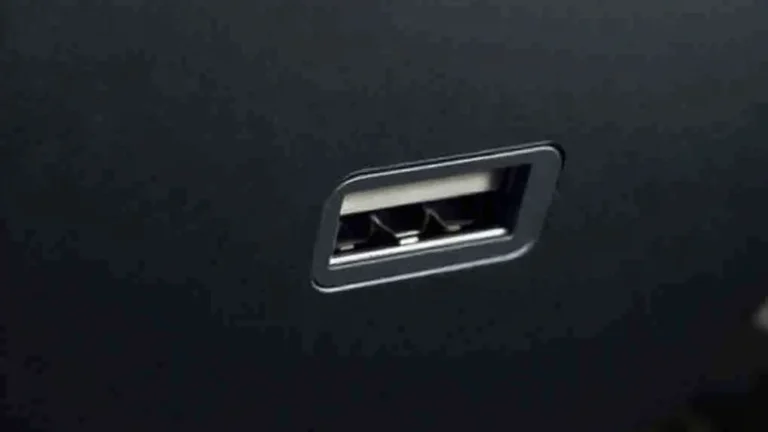
Charging Port Check: Examine the charging port for damage or debris. The port should be clean and clear of obstructions. A damaged port can prevent your device from charging. Dirt or other debris inside the port can disrupt the connection.
-
LED Indicator Check: Most jump starters have LED lights to show the charging status and battery level. See if the lights turn on. If they don’t turn on, it could be a sign of a dead battery or an internal problem. If the lights flash in a certain way, consult the manual.
Testing the Battery
Testing the battery is an important step when you suspect your jump starter not working. Use a multimeter to measure the voltage and check for any short circuits. The voltage reading will tell you if the battery holds a charge. The steps below can help you assess the battery’s condition. This way, you can diagnose the problem and decide on the next steps.
-
Using a Multimeter: Set the multimeter to measure DC voltage. Connect the black probe to the negative terminal and the red probe to the positive terminal. Read the voltage displayed on the meter. A reading below 12 volts usually indicates a discharged battery. You must recharge the jump starter before using it.
-
Checking for Short Circuits: Set the multimeter to the continuity setting. Disconnect the clamps from any power source. Touch the probes to each clamp and see if the meter beeps or shows a low resistance reading. A beep or reading indicates a short circuit, and the jump starter will likely not work. Make sure to fix these issues before trying again.
-
Load Testing: Some multimeters have a load testing function. This test will simulate the load the jump starter experiences during use. Load testing shows the battery’s ability to maintain voltage under stress. If the voltage drops sharply during the test, this could mean the battery is not performing well.
-
Charging Test: Try charging the jump starter and monitor the LED indicator to see if it charges. If the lights change during charging, this indicates that the jump starter is accepting a charge. If the jump starter won’t accept a charge, this could mean that it is damaged. Always refer to your jump starter’s manual.
Testing the Output
The ability to deliver power is the key purpose of a jump starter. Testing the output tells you if it can effectively start a car. This test ensures the power reaches the car’s battery. If the output test fails, it suggests an internal problem that needs attention. Following these tests carefully will help diagnose your jump starter not working issue.
-
Connecting to a Car: Connect the jump starter to the car’s battery. Make sure the polarity is correct. Then, try to start the car. Listen for any sounds from the engine. If the car starts, the jump starter works properly. If it doesn’t start, the jump starter might not be delivering enough power.
-
Checking Voltage During Start: With the jump starter connected to the car battery, check the voltage with a multimeter while attempting to start the car. The voltage should not drop below a certain level, usually 10 volts. A significant voltage drop could mean the jump starter isn’t working.
-
Observing the LED Indicators: During the jump-start attempt, watch the LED lights on the jump starter. They often indicate the power level. If the LEDs dim or change during the start attempt, this could indicate an issue. A normal operation will see the indicators stay on.
-
Testing with Another Device: If your jump starter has a USB output, you can test it by charging a device, such as a phone. If it works, the internal battery may be okay. Then the problem is likely in the output components. If it doesn’t work, there may be a deeper issue.
Simple Troubleshooting Steps
If your jump starter not working, start with simple troubleshooting steps. These steps involve basic checks and fixes. Often, this approach can solve common issues without requiring advanced tools or repair skills. The goal is to identify and resolve problems quickly. Many issues can be fixed by the user, saving you time and money.
Checking the Basics
Begin by checking the most obvious things. These are simple actions that will help you solve simple problems. It’s always best to start with these. You can often address the problem quickly. Here’s a starting point before you explore deeper troubleshooting. These simple steps can save you time and effort.
-
Ensure the Jump Starter is Charged: Check the charge level. If it’s low, fully charge it according to the manufacturer’s instructions. A discharged jump starter won’t work. Make sure the charging cable works and is connected correctly. Always ensure that it has enough power.
-
Inspect Connections: Check all connections, including the clamps and the charging port. Make sure the clamps connect securely to the car battery terminals. Also, verify that the charging cable is properly plugged into the jump starter. A loose connection can interrupt power.
-
Verify Polarity: Make sure the positive clamp goes to the positive terminal and the negative clamp goes to the negative terminal. Reverse polarity is a common mistake. It can prevent the jump starter from working. Double-check your connections before trying to start the car.
-
Check the On/Off Switch: Ensure the power switch is in the “on” position. Sometimes, the switch might be accidentally turned off. You might assume it’s a jump starter not working issue when it’s just the switch.
Cleaning and Maintenance
Sometimes, cleaning and maintenance is all that’s required to get your jump starter not working back in service. Regular cleaning removes dust and debris that can interfere with the device’s function. Proper maintenance, such as protecting the jump starter from extreme temperatures, is important for prolonging its life. This is one step that is often overlooked. Taking care of your equipment extends its usable lifespan.
-
Clean the Clamps: Use a wire brush or sandpaper to clean any corrosion from the clamps. Clean clamps ensure a strong electrical connection. Corrosion can hinder the flow of power. You can also apply a protective coating after cleaning.
-
Clean the Charging Port: Use compressed air or a soft brush to remove dust and debris from the charging port. A dirty port can prevent proper charging. It can affect the charging cable’s connection. Make sure that the port is clean for reliable charging.
-
Check and Clean the Casing: Wipe down the jump starter casing with a clean, dry cloth. This removes dust and dirt. Avoid using harsh chemicals. Regular cleaning keeps the device looking clean and helps maintain its function.
-
Proper Storage: Store the jump starter in a cool, dry place away from direct sunlight and extreme temperatures. These can affect the battery. Proper storage is key to extending the life of your device. Always follow the manufacturer’s advice.
Resetting the Jump Starter
Some jump starters have a reset function. Use this if the device has stopped working. This function may correct minor errors that may occur during regular use. Resetting the device can sometimes bring it back to a working state. Always check the manual for specific instructions on how to reset your jump starter.
-
Locate the Reset Button: Find the reset button on your jump starter. It might be a small recessed button. It could be a simple switch. The location and type of reset button can vary. It’s always best to consult your manual for specifics. The reset button will have a different appearance based on the model.
-
Press and Hold the Reset Button: Press and hold the reset button for a few seconds. The exact time will vary based on your device model. This action will reset the internal circuits. Then, the jump starter will start its default settings.
-
Charge the Device After Reset: After resetting, fully charge the jump starter. This ensures that the battery has sufficient power. Charging it after a reset can help the jump starter start as it should. Charging is usually necessary after this procedure.
-
Test After Reset: After charging, test the jump starter to see if it’s working. Try to use it to start a car or charge a device. If the jump starter works, it has been successfully reset. Then, you can use the jump starter as you did before.
Advanced Troubleshooting
Sometimes, simple steps aren’t enough to fix a jump starter not working issue. Advanced troubleshooting involves more in-depth checks and potential repairs. It’s useful if the basic steps don’t work. This section will guide you through more complex diagnostics and potential repairs. This way, you can decide whether to attempt a repair yourself. Or, you can seek the help of a professional.
Checking Internal Components
Examining the internal components can reveal hidden problems. This step requires basic electronic knowledge. It also means you’ll open the jump starter case. Be careful when working with electrical components. Always disconnect the device from any power source before opening. This type of inspection will help to determine if you can fix the issue. It can also point to professional help. Make sure you understand how to open and close your jump starter’s case before proceeding.
-
Opening the Case: Carefully open the jump starter case, following the manufacturer’s instructions. Remove the screws. Keep the components of your jump starter separate. Remember to document each part’s location. Then, you can easily reassemble the device after inspection. It is important to know the position of your components.
-
Inspecting the Circuit Board: Look for any signs of damage on the circuit board. These include burned components, cracked solder joints, or swollen capacitors. A magnifier can help you see these issues more clearly. Any problems may require the attention of a professional. If you find damage, consult an electronics expert.
-
Checking the Wiring: Examine the wiring. Look for loose connections, frayed wires, or breaks. These issues can disrupt the flow of power. If you find such damage, you might need to replace the wiring. Check all the connections to ensure they are secure. Loose connections could prevent power from flowing to its required destination.
-
Checking Fuses: Many jump starters have fuses that protect the internal components. Use a multimeter to check the continuity of the fuse. A blown fuse will show a reading of zero. Then, you’ll need to replace the fuse. Check the correct size and type before replacing.
Repairing or Replacing Components
Repairing components can resolve a jump starter not working issue. Component replacement may involve more advanced electronic work. It requires the right tools and knowledge. Make sure you understand these steps. Some repairs may be beyond your comfort level. You should consider getting professional help. The goal is to repair the damage and restore functionality. However, it’s key to know when to seek expert help.
-
Replacing Fuses: If you find a blown fuse,
-
Soldering Connections: If you find loose or broken solder joints, you can solder them. You’ll need a soldering iron, solder, and flux. Soldering requires practice to avoid damaging other components. You should only attempt this if you have soldering experience. If not, consider professional help.
-
Replacing Wires:
-
Component Replacement: Replacing electronic components such as capacitors or resistors may require soldering and technical skill. Only proceed if you are confident in your abilities. If you’re not comfortable, you should seek professional help. Incorrect replacement could cause more damage.
Seeking Professional Assistance
Sometimes, a jump starter not working issue may be too complex. You can seek help from a qualified technician. Attempting repairs you’re not comfortable with can make the problem worse. A professional has the equipment and knowledge to diagnose and repair the device safely and effectively. Knowing when to call in an expert can save you time and money. It also can prevent further damage to your equipment.
-
Finding a Qualified Technician: Find a reputable electronics repair shop. Check online reviews. Ask for recommendations from people you trust. Make sure the technician has experience with jump starters and similar devices. A good technician has the right tools and expertise.
-
Describing the Problem: Provide a clear description of the problem. Explain what you’ve tried. Give any information you have about how the issue happened. This information will help the technician with their diagnostic process. Be as detailed as possible when you discuss your device.
-
Getting an Estimate: Ask for an estimate of the repair costs. This allows you to compare prices and decide if it’s worth repairing. Make sure the estimate covers both labor and parts. Request a written estimate to avoid surprises.
-
Considering Replacement: If the repair cost is too high, consider buying a new jump starter. Weigh the cost of repair against the price of a new one. In some cases, replacing the device might be the most cost-effective option.
Preventive Maintenance and Best Practices
Taking care of your jump starter will help ensure it’s ready when you need it. Regular maintenance and proper usage are key to prevent a jump starter not working issue. These practices can significantly extend the life of your device. They also ensure it’s reliable when you need it most. They can save you money and keep you prepared.
Regular Charging Habits
Proper charging habits are important to maintain your jump starter’s health. Following these practices keeps the battery working well. This will reduce the risk of future problems. Good charging habits will help your jump starter last longer. It’s also important to charge your device when it’s not in use.
-
Charge After Use: Always charge the jump starter after each use. This ensures the battery remains fully charged. It’s best to top up the charge. Even if you only used a small amount of power, you should recharge.
-
Check the Charge Level Regularly: Check the charge level of your jump starter every few months. Recharge it when it’s needed. This will help maintain battery health. Checking the charge level will help with a longer lifespan for your device.
-
Use the Correct Charger: Always use the charger that came with your jump starter, or a charger recommended by the manufacturer. Using the wrong charger can damage the battery. It can also cause problems with how your jump starter works. A suitable charger will extend its lifespan.
-
Avoid Overcharging: Once the jump starter is fully charged, disconnect it from the charger. Overcharging can damage the battery. Some jump starters have features that prevent overcharging. Always follow the manufacturer’s advice.
Storage and Environmental Considerations
Where and how you store your jump starter can affect its lifespan. Extreme temperatures and humidity can damage the device. Proper storage can help it work well for a long time. These considerations will keep the battery in good shape. Proper care helps avoid a jump starter not working situation.
-
Store in a Cool, Dry Place: Store your jump starter in a cool, dry place, away from direct sunlight. Avoid storing it in areas with extreme temperatures. Garages and cars parked in the sun can get too hot. This affects the device’s performance.
-
Avoid Extreme Temperatures: Extreme temperatures can degrade the battery and damage internal components. Do not leave the jump starter in your car in the summer or winter. Cold temperatures reduce battery capacity. High temperatures can shorten the battery’s lifespan.
-
Protect from Moisture: Protect your jump starter from moisture, which can cause corrosion and electrical damage. Store it away from areas where it could be exposed to water or high humidity. Moisture is a common cause of electrical damage.
-
Keep it Clean: Regularly wipe down your jump starter with a clean, dry cloth to remove dust and dirt. Avoid using cleaning agents that could damage the casing. Keeping it clean maintains its function and appearance.
Safe Operation Procedures
Using the jump starter correctly is key. Correct operation protects both the device and the user. Knowing how to use it safely will prevent problems. It’s key to follow the safety steps. These practices help avoid damage and injury. Understanding these steps is crucial to avoiding jump starter not working problems.
-
Read the Manual: Always read the user manual before using the jump starter. Understand all of the features. Also, follow the safety instructions and operating procedures. The manual gives detailed information on safe use.
-
Connect Correctly: Always connect the positive clamp to the positive terminal and the negative clamp to the negative terminal. Double-check to avoid reverse polarity. Incorrect connections can damage both the jump starter and the car’s electrical system.
-
Avoid Sparks: Make sure the clamps don’t touch each other. Doing so can cause a short circuit. Also, avoid sparks near the battery or fuel. Sparks can create an explosion. Carefully connect and disconnect the clamps.
-
Follow Time Limits: Do not jump start for extended periods. Follow the recommended time limits. Overuse can cause the jump starter to overheat or fail. The manual will guide you on how long you can use it.
Here’s a comparison of some of the leading jump starter brands:
| Brand | Key Features | Pros | Cons |
|---|---|---|---|
| NOCO | UltraSafe technology, LED flashlight, USB charging | Reliable, compact, good for both gas and diesel engines | Can be more expensive than other brands |
| DBPOWER | Multiple ports, built-in flashlight, digital display | Affordable, versatile, good value for money | Battery life may be shorter than premium brands |
| GOOLOO | Multiple features, USB charging, high peak current | Powerful, good for larger engines, good customer reviews | Some models can be bulky |
| Clore Automotive | Heavy-duty, high cranking amps, durable | Built for professional use, high performance | More expensive, may be too bulky for personal use |
In the U.S., about 15% of car batteries fail annually due to age, extreme temperatures, or lack of use. This highlights the importance of tools like jump starters.
-
Scenario 1: Your car won’t start on a cold morning. You connect your jump starter, but nothing happens. After checking, you find the clamps aren’t making a secure connection. You clean the terminals and ensure a firm grip. The car then starts immediately.
-
Scenario 2: You’ve had your jump starter for several years. You try to use it, but it fails to start your vehicle. After testing, you find the battery is not holding a charge. The problem likely stems from the battery’s age and use.
-
Scenario 3: You accidentally connect the jump starter clamps in reverse. The jump starter’s safety features immediately activate and prevent any harm. You quickly correct the connections, and the jump starter then works as intended.
Frequently Asked Questions
Question: Why won’t my jump starter charge?
Answer: Check the charger, charging port, and battery. Ensure that the charger is working. Make sure the charging port is clean and free of debris. Also, your jump starter battery may be damaged. Contact an expert to check.
Question: Can I use my jump starter in any weather?
Answer: It’s best to avoid extreme temperatures. Keep it in a cool, dry place. Extreme heat and cold can damage the battery. Do not leave the jump starter in direct sunlight.
Question: What should I do if my jump starter sparks?
Answer: Always disconnect the jump starter immediately. Check that the clamps are connected to the correct terminals. Make sure the clamps are not touching each other. Check for any damage to the clamps and cables.
Question: How often should I recharge my jump starter?
Answer: It’s best to recharge your jump starter after each use. You can also recharge it every few months to make sure it’s ready. Make sure to keep it fully charged and ready to go.
Question: Can I jump start a car with a dead battery?
Answer: Yes, the jump starter is designed for this use. Connect it to the dead battery, and then try starting your car. Follow the instructions. Your jump starter gives your car the needed power.
Final Thoughts
When you’re faced with a jump starter not working issue, understanding the common causes and how to troubleshoot is important. This guide has explored the reasons why jump starters fail, how to test and diagnose problems, and the steps to take to resolve them. Whether the issue involves battery problems, internal component failures, or external factors, there are steps you can take to try to fix it. From simple checks to more in-depth diagnostics, knowing these troubleshooting methods will help you get back on the road. Remember, regularly maintaining your jump starter will help extend its life and keep it ready for the times you need it. By following the tips in this guide, you can improve your chances of resolving problems quickly. You will also be prepared for any issues.