Slow Engine Crank Battery Troubleshoot Guide Made Easy
Having a slow engine crank battery can be frustrating, especially when you’re ready to hit the road. It’s a common issue for many, and can sometimes feel difficult to figure out where to begin. Don’t worry, though! We’ll explore the main causes and provide a simple, step-by-step approach to get your vehicle starting smoothly again. Let’s explore everything you need to know about the crank and how to resolve it.
What Causes a Slow Engine Crank? Common Issues
A slow engine crank can be caused by a variety of problems, and the vehicle battery is often the first place to look. Other components, such as the starter motor or electrical connections, may also cause the cranking to be sluggish, preventing the engine from starting properly. Diagnosing the underlying issue is important to a successful fix. A good starting point is to examine the vehicle’s battery condition, as this is a frequent culprit. This section offers an overview of the most common causes, enabling you to get a clearer view of why your engine isn’t cranking as it should.
Battery Health and Its Role
The battery is the core of the starting process. It supplies the initial power that spins the starter motor, which then cranks the engine. Over time, batteries can degrade because of repeated use, extreme temperatures, or simply aging. A battery with a weak charge won’t be able to provide the current necessary to crank the engine efficiently. This causes a slow engine crank and potential no-start situations. Ensuring your battery is in good condition is one of the first and most vital things you should verify.
- Battery Age: Batteries have a limited lifespan, usually a few years. Age affects the internal components, reducing their ability to hold a charge.
- Temperature Effects: Extreme temperatures have an effect on battery performance. Cold weather lowers the chemical reactions that produce electricity, making it more challenging for the battery to deliver the required power.
- Battery Charge Level: A discharged battery can’t provide the current needed to crank the engine at the right speed. This can happen if lights are left on overnight or if the vehicle isn’t used for extended periods.
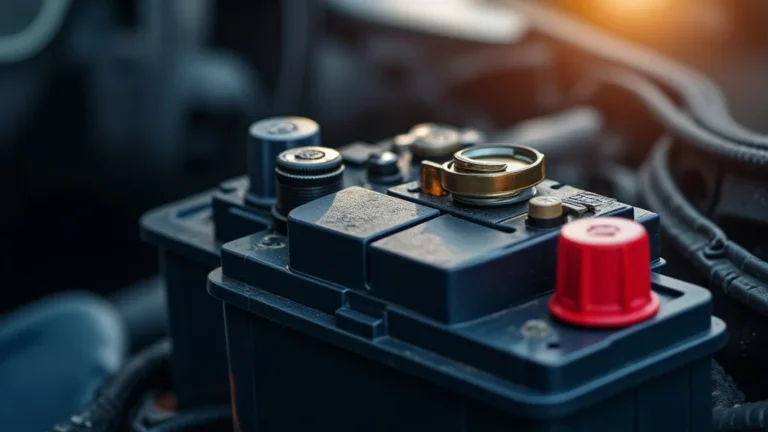
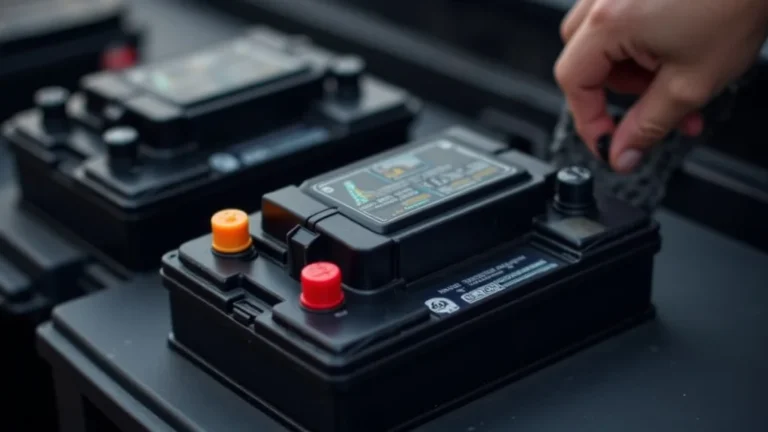
Old batteries may have corrosion on the terminals. This corrosion can stop or reduce the flow of electricity, contributing to a slow crank. The age of the battery is usually indicated by a date stamp on the casing. This lets you know when it was manufactured, giving you a timeline for its performance.
In hot weather, the water inside the battery can evaporate, damaging the battery and reducing its effectiveness. These conditions show the impact temperature has on a battery’s capability. Cold can slow the reactions, while heat can accelerate damage, emphasizing the need for suitable care in all climates.
It’s important to test the voltage to ensure it’s in a good state. A fully charged battery should measure around 12.6 volts, while anything below 12 volts indicates a problem. Using a multimeter is a straightforward way to test your battery.
Starter Motor Troubles
The starter motor, or just the “starter,” is a powerful electric motor. Its job is to turn the engine over. A faulty starter will often cause the slow engine crank issue. Problems within the starter, such as worn brushes or a bad solenoid, can prevent it from working correctly. These issues can result in sluggish cranking, or in severe cases, a complete failure to start. Understanding how the starter motor works and what can go wrong is critical for troubleshooting the cranking problem.
- Worn Starter Brushes: The starter motor uses brushes to transfer electricity to the spinning armature. Over time, these brushes wear down, which reduces their effectiveness and can cause slow cranking.
- Solenoid Problems: The solenoid is a switch that activates the starter motor. If the solenoid is damaged, it might not provide power to the starter, leading to a slow crank.
- Armature Issues: The armature is the rotating part of the starter motor. Damage to the armature can lead to slow cranking or failure to start.
You may hear a grinding sound or notice the starter struggling to engage. When the brushes are worn, there is less contact between them and the armature. This can limit the amount of current flowing through the motor and lead to a slow cranking or no-crank situation.
The solenoid works by closing a circuit when the key is turned. If the solenoid’s contacts are corroded or damaged, the circuit might not close properly, preventing the starter motor from getting the electrical power it needs. It can also cause a clicking sound.
Wear and tear, or electrical shorts within the armature, can reduce the motor’s ability to generate torque. These faults can lead to slow cranking or the complete failure of the starter to engage.
Electrical Connection Issues
Even if the battery and starter are working, poor electrical connections can cause a slow engine crank. Corrosion, loose wires, and other connection problems can disrupt the flow of electricity from the battery to the starter motor. Diagnosing and repairing these issues involves checking all key points within the electrical system. Focusing on connections can help pinpoint and fix problems that might otherwise be overlooked.
- Corroded Battery Terminals: Corrosion forms on battery terminals due to the interaction of battery acid and metal. This corrosion creates resistance, reducing the flow of electricity and leading to slow cranking.
- Loose Wiring: Loose connections throughout the electrical system can cause voltage drops and reduce the amount of current reaching the starter.
- Grounding Problems: A good ground connection is important for the electrical circuit to work correctly. A faulty ground can cause slow cranking and other electrical issues.
Cleaning the terminals is often a quick fix. You can use a wire brush and baking soda solution. Making sure your connections are clean and secure is one of the easiest steps to take in diagnosing a starting problem. The build-up can often prevent power from reaching the starter motor.
This is often caused by vibrations, temperature changes, or simply wear and tear. Inspecting the wires and tightening the connections is crucial. Start by examining the positive and negative terminals and the connections to the starter motor.
This involves checking the grounding cable connecting the battery to the vehicle’s chassis and the engine. Corrosion or looseness here can disrupt the ground path, negatively impacting performance. Clean and secure those grounding connections to prevent starting issues.
How to Troubleshoot a Slow Engine Crank Battery
Troubleshooting a slow engine crank requires a systematic approach. The first step involves checking the battery, which is often the source of the problem. However, because various parts can cause the slow crank, a methodical review of the entire starting system is required. Here’s a step-by-step guide to help you find and fix the problem, ensuring your vehicle starts reliably.
Initial Battery Checks
Begin by checking the battery to exclude it as the main cause of the slow crank. These simple checks can provide insights into whether your battery needs to be charged, replaced, or if the problem lies somewhere else. Having the right tools and knowing what to search for will save you time and effort.
- Visual Inspection: Look for any visible signs of damage, such as corrosion, cracks, or bulging. Corrosion around the terminals is a clear sign that the battery needs attention.
- Voltage Test: Use a multimeter to measure the battery voltage. A fully charged battery should show around 12.6 volts. Anything below 12 volts indicates a problem.
- Load Test: A load test simulates the conditions when the starter motor draws power from the battery. This test reveals the battery’s ability to provide a current under load.
A damaged battery may not hold a charge correctly. Physical signs of damage indicate a need for a replacement. Bulging might signal an internal issue, rendering the battery dangerous.
This will help you understand if the battery is holding a charge. Measure voltage at the terminals without anything turned on. If the reading is too low, the battery needs charging or replacement.
Most auto parts stores offer battery load tests. This test will help see how the battery performs when cranking the engine. If the voltage drops too quickly under the load, the battery might be weak.
Testing the Starter Motor
If the battery checks out okay, the starter motor should be inspected. This means verifying the starter is receiving power and operates when the ignition is turned. Checking it will help you determine whether the starter has failed or if another component is failing. Careful assessment of the starter motor will help ensure that it is functioning as intended.
- Listen for Sounds: When turning the ignition, listen to the starter motor. Does it click, grind, or make any other unusual noises?
- Voltage at the Starter: Use a multimeter to check the voltage at the starter motor while the ignition is turned. This will show if the starter is receiving power from the battery.
- Bypassing the Solenoid: Carefully bypassing the solenoid will help you confirm whether it’s working. This involves connecting the starter motor directly to the battery.
A clicking sound may indicate a faulty solenoid. Grinding can suggest damaged starter teeth. Unusual sounds help pinpoint specific problems inside the starter.
This ensures that the voltage is reaching the starter. Measure the voltage at the starter’s power terminal. If the voltage is significantly lower than the battery voltage, there could be a wiring or connection problem.
This eliminates the solenoid from the circuit to see if the starter runs correctly. Be careful when working with electrical components, and make sure that you do not touch any other parts to prevent harm.
Inspecting Wiring and Connections
Checking the wiring and connections is important, as these are common sources of electrical problems. Loose or corroded connections can prevent sufficient power from reaching the starter motor, leading to slow cranking. This part of the troubleshooting involves a thorough visual and physical examination. By carefully checking the vehicle’s wiring, you can find the source of problems and get your engine running again.
- Check Battery Terminals: Look for any corrosion on the battery terminals. Corrosion will reduce the flow of current.
- Inspect Wiring for Damage: Examine all the wires and cables for any signs of damage, such as cracks, fraying, or burns. Damaged wires will create shorts or open circuits.
- Check Ground Connections: Ensure all ground connections are clean and secure. A poor ground connection can cause starting problems.
Clean the terminals with a wire brush and a solution of baking soda and water. Ensure the terminals are tightly secured to the battery posts. This helps the flow of electricity.
Replace any wires that show signs of damage. Make sure the wiring is correctly routed and secured to prevent rubbing or chafing. This is important to ensure that electricity flows uninterrupted.
Inspect the ground cables connecting the battery to the engine block and chassis. Clean any corrosion and tighten all the connections. Proper grounding is essential for any electrical system.
Addressing a Slow Engine Crank
After pinpointing the cause of the slow engine crank, the next step is to take corrective action. This may involve something simple, like cleaning battery terminals, or require replacing parts. This part of the process gets your vehicle back into working order. The solutions provided will depend on the problem, but each step is designed to give your engine the power it needs.
Battery-Related Solutions
If the battery is the cause of the slow crank, several solutions can be used. These options involve either restoring the battery’s charge or addressing physical damage. Selecting the right course of action is dependent on the results from the inspection phase. The goal of all these solutions is to make sure your battery can deliver the power your vehicle needs.
- Battery Charging: If the battery is simply discharged, charging it is often enough to fix the issue. Use a battery charger to safely restore the battery’s charge.
- Terminal Cleaning: If there is corrosion on the battery terminals, clean them to allow for better electrical contact. Remove the terminals from the battery and use a wire brush and baking soda solution to clean them.
- Battery Replacement: If the battery is old or damaged, replacing it is the best solution. Batteries that do not hold a charge or have internal damage need to be replaced.
Follow the charger’s instructions. Charge the battery slowly to prevent damage. Be sure to check the battery’s voltage after charging to ensure it’s holding a charge. This is helpful to get your battery to its full capability.
Then, tighten the terminals back onto the battery posts, making sure that they are snug. Clean terminals are important for good electrical connections. It ensures that the current can flow easily from the battery to the starter.
Ensure that the new battery is of the correct type and size for your vehicle. Proper disposal of the old battery is important. A new battery will give your vehicle the power it needs to start reliably.
Starter Motor Repair or Replacement
If the issue is in the starter motor, repairs may be possible. This depends on the specific problem. Sometimes, the starter can be repaired by replacing components such as the brushes or solenoid. If there is more extensive damage, a full replacement may be necessary. By assessing the starter, you’ll know what approach is best.
- Brush Replacement: If the starter motor brushes are worn, replacing them can often restore the starter’s performance. The brushes conduct electricity to the spinning armature.
- Solenoid Replacement: If the solenoid fails, replacing it will fix the problem. The solenoid is the switch that activates the starter.
- Starter Replacement: If the starter motor is significantly damaged, replacing it is the best solution. Severe internal damage could occur, which could mean a new starter is needed.
Remove the starter, disassemble it, and replace the old brushes. Be certain that the new brushes are identical to the originals. This will help restore the starting power that has been lost.
Removing and replacing the solenoid is a straightforward task. Be sure to disconnect the battery before working on electrical components. A functioning solenoid is essential to turning on the vehicle.
Follow the manufacturer’s instructions for installing the new starter. Make sure all connections are tight and secure. Ensure the replacement starter is identical to the original.
Electrical Connection Repairs
Resolving problems with electrical connections is important to ensuring proper current flow. This means that a loose or corroded connection can often cause issues with the starter motor. The solutions here involve tightening connections and cleaning any corrosion. This will help make sure that your engine cranks without problems.
- Tightening Connections: Loose connections throughout the starting circuit can be tightened to make sure that a good electrical contact is made. This applies to battery terminals and connections at the starter motor.
- Cleaning Corrosion: Corrosion on the battery terminals and connections is a major cause of resistance in the electrical system. Cleaning the corrosion ensures optimal electrical flow.
- Replacing Damaged Wiring: Replacing damaged wiring is another important way of resolving electrical problems. Frayed or cracked wiring will create shorts and voltage drops.
Use the appropriate tools to tighten the connections. Ensure that the connections are secure but not overtightened. Secure connections are essential to maintain a stable electrical system. Tightening the connections can stop the electrical issue.
Use a wire brush and baking soda solution to clean the terminals and connections. Remove all corrosion to prevent future problems. Clean connections will allow for the most effective power transfer.
Locate any wires that show damage, and then replace them. Make sure that the new wiring is correctly routed and properly secured. Replacing damaged wiring prevents disruptions in the electrical current.
Frequently Asked Questions
Question: What’s the main reason for a slow engine crank?
Answer: The most frequent cause is a weak or discharged battery that cannot supply sufficient power to the starter motor.
Question: How often should I check my battery?
Answer: It’s good practice to inspect your battery every few months, especially before winter or summer, when temperatures can greatly affect battery performance.
Question: What are some signs of starter motor failure?
Answer: Signs include a clicking sound, grinding, or no sound when you try to start the vehicle, or the engine cranking slowly.
Question: Can I jump-start a car with a slow crank?
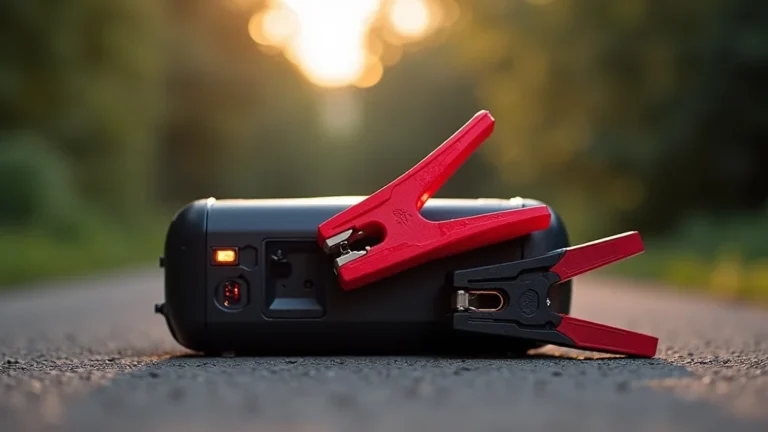
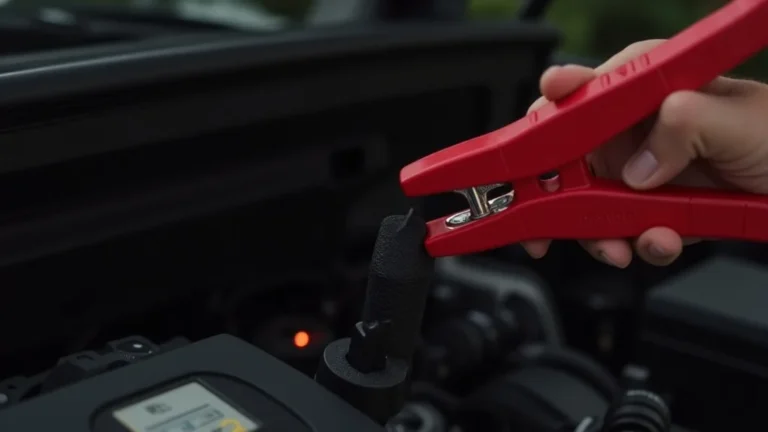
Answer: Yes, jump-starting can often help if the slow crank is due to a discharged battery, but it won’t fix the underlying problem.
Question: What tool is useful for checking the battery health?
Answer: A multimeter is essential for checking voltage and can help diagnose problems with the battery.
Final Thoughts
When you encounter a slow engine crank battery, it can be a source of immediate concern. The steps to resolving this issue involve understanding what causes it. The process starts with investigating the battery, which is usually the initial suspect, and then moves on to looking into the starter motor and electrical connections. Diagnosing the issue demands the correct approach. It’s a matter of methodically checking each part, starting with a visual assessment. That assessment must include checking the battery voltage and doing a load test if needed. From there, you can move on to other components. The starter motor and wiring harness should be thoroughly inspected.
For those of you finding yourselves in this situation, it is best to check each area. Following the steps can lead you to the issue, no matter your experience level. Whether it is a bad battery or a faulty starter, being patient and methodical is key. By methodically working through these steps, you will be able to get your engine turning over without a slow start.