Why Your Car Clicks But Won’t Start: Simple Troubleshooting
Having your car clicks but won’t start is a really common problem, especially if you’re new to cars. It can feel frustrating when your car won’t fire up when you need it. But don’t worry! This is something many people experience. We’ll explore the main causes and provide easy-to-follow steps to get your vehicle running again. We’ll begin by looking at the most common suspects and how to investigate them.
The Battery: Your Car’s Power Source
The battery is the heart of your car’s electrical system, providing the necessary power to start the engine. When your car clicks but doesn’t start, the battery is often the first place to check. A weak or dead battery won’t be able to generate enough power to turn the starter motor, leading to that clicking sound you hear when you try to start the car. You may also notice your headlights are dim or don’t work, which is another indication the battery is struggling. It’s like having a drained phone – no power, no use.
Battery Basics and Common Problems
Let’s get into what a battery does and the problems that come with it. Car batteries use a chemical reaction to create electricity. They store this electricity to crank the engine, power lights, and run accessories when the engine is off. Over time, batteries lose their ability to hold a charge. This can be caused by age, extreme temperatures, or leaving lights on. A fully charged battery should measure around 12.6 volts; anything significantly lower indicates a problem.
- Battery Age: Car batteries have a limited lifespan, typically lasting 3 to 5 years. Heat can significantly shorten this lifespan, which means batteries in hot climates may fail more quickly.
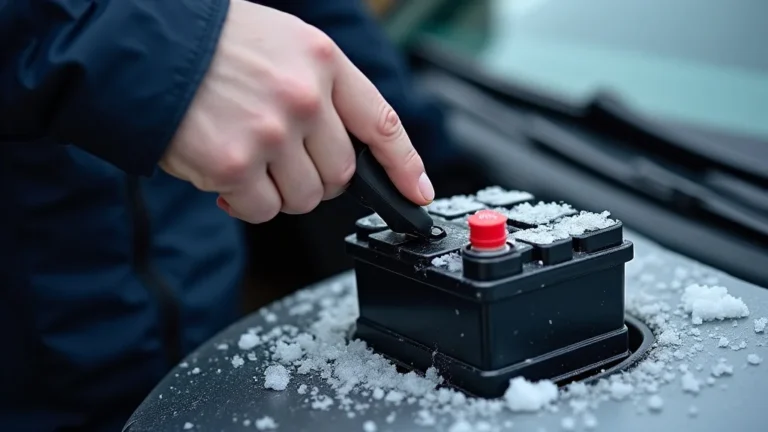
- Corrosion: Corrosion on the battery terminals prevents proper electrical flow. This can cause starting problems even if the battery is charged. You’ll see white or greenish buildup on the terminals.
- Parasitic Drain: Even when your car is off, certain components can slowly drain the battery. This is known as parasitic drain. This can be caused by faulty wiring, or a light that remains on.
Knowing the basics helps with troubleshooting. For example, if your battery is more than five years old, it’s a prime suspect. If you see corrosion on the terminals, that is a problem to address before starting your investigation. Checking voltage is essential because it is a simple diagnostic check. These all help in understanding and solving car clicks but won’t start issues related to the battery.
Checking and Testing Your Battery
There are a few easy things to do to determine if the battery is the culprit. You can start by inspecting the battery terminals for corrosion. If you find any, you can try cleaning them. Next, use a voltmeter to test the battery’s voltage. This tool is relatively inexpensive and gives you a good idea of how charged your battery is. Another good idea is to try jump-starting your car from another vehicle to see if the engine starts. If it does, the battery is probably the issue.
- Visual Inspection: Check the battery for any obvious signs of damage, such as cracks, leaks, or swelling. Look at the terminals for corrosion.
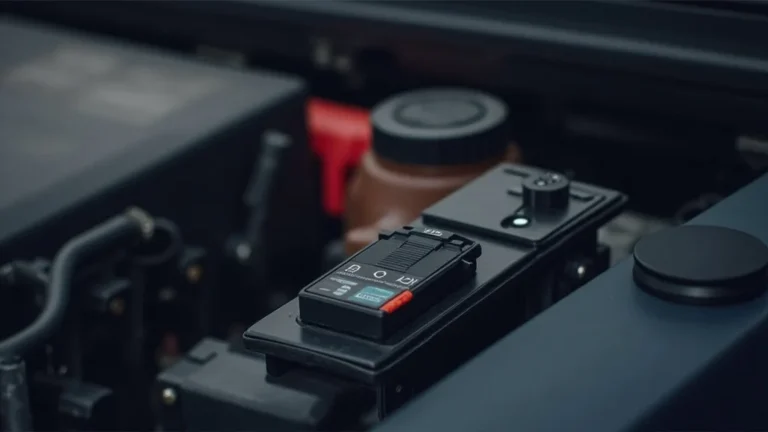
- Voltage Test: Use a voltmeter to measure the battery’s voltage when the car is off. This should be around 12.6 volts. Anything lower suggests a problem.
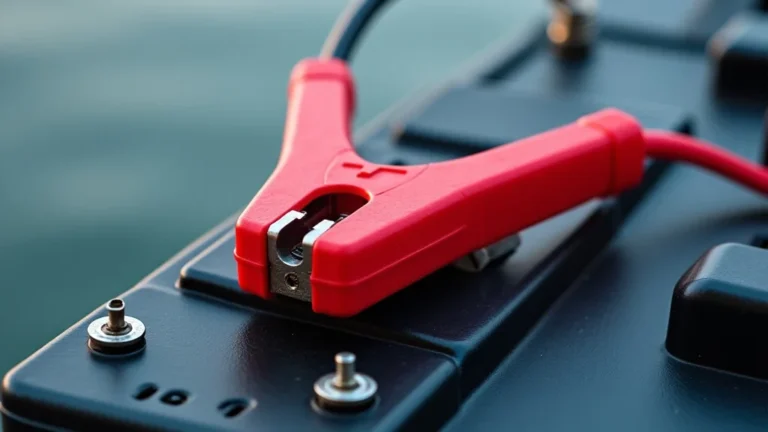
- Jump-Start: If your car clicks but doesn’t start, try jump-starting it with jumper cables and another vehicle. If it starts, it confirms a battery issue.
If you’ve checked these steps, and you are still unsure of the problem, consider taking your car to a local mechanic. They can perform more in-depth tests. Many auto parts stores also offer free battery testing. This will give you a detailed analysis of your battery’s condition and help you decide whether you need a new one.
The Starter Motor: The Engine’s First Push
The starter motor is a powerful electric motor that turns the engine’s crankshaft to start the engine. When the key is turned, the starter motor gets power and engages a small gear, called a pinion, with the engine’s flywheel, spinning the engine. If the starter motor is faulty, your car might click, but it won’t start. This is because the motor cannot turn the engine over.
Understanding How the Starter Works
The starter motor uses electricity from the battery to start the engine. When you turn the key, the starter relay closes, sending power to the starter motor. The motor then engages with the flywheel, the large gear connected to the engine’s crankshaft. This engagement allows the starter to spin the engine. The engine then takes over, and the car starts running. Many modern cars have a solenoid attached to the starter motor. The solenoid helps to engage the starter gear with the flywheel.
- Solenoid: A solenoid is a switch that helps the starter motor engage with the flywheel.
- Flywheel: This is a large gear that the starter motor’s pinion engages with to turn the engine.
- Starter Relay: This is an electrical switch that sends power to the starter motor.
The clicking sound you hear when your car clicks but won’t start may indicate an issue with the starter motor or the solenoid. The click could be the solenoid trying to engage the starter, but not having enough power, or a faulty component that needs attention. Getting familiar with these parts can help in diagnosing the problem quickly.
Diagnosing Starter Motor Problems
Testing the starter motor can be a little tricky because it involves electrical components. One of the first things to look for is the clicking sound itself. If you hear a single click when you turn the key, this often indicates a weak battery or a problem with the solenoid. If you hear multiple rapid clicks, the battery is probably low. If there’s no sound at all, the issue could be with the ignition switch, the starter relay, or the starter motor itself.
- Listen to the Sound: Pay attention to the type of click. Is it a single click, or multiple rapid clicks? This can provide clues.
- Check the Connections: Make sure that the battery cable connections to the starter motor are tight and free of corrosion.
- Tap the Starter: Gently tapping the starter motor with a hammer (use caution) can sometimes dislodge a stuck component, allowing the motor to work.
If you suspect a starter motor problem and have done some troubleshooting, it’s best to take your car to a mechanic. They can do tests to determine whether the starter needs to be replaced. They can also look at the wiring to verify that all the connections are working correctly.
Ignition System Issues: Key Components
The ignition system is essential for starting your car’s engine. It works by sending a spark to the spark plugs, which ignites the fuel-air mixture in the engine cylinders. If there is a fault with any of the key components of the ignition system, it can cause your car clicks but won’t start. These issues can include problems with the ignition switch, the ignition coil, and even the spark plugs themselves. Checking these parts is very important when troubleshooting a starting problem.
Key Ignition System Components
The ignition system is made up of different parts, all working together to start your car. The ignition switch is activated when you turn your key in the ignition. It sends a signal to other components. The ignition coil converts the low voltage from the battery into high voltage, needed to create a spark. The spark plugs use this high voltage to create the spark that ignites the fuel-air mixture. Issues in any of these components can prevent your car from starting.
- Ignition Switch: This switch, activated by your key, controls the flow of electricity to the ignition system.
- Ignition Coil: This component boosts the battery’s voltage to the high voltage needed for the spark plugs.
- Spark Plugs: These are the components that create the spark to ignite the fuel-air mixture.
Understanding the role of each component is important when diagnosing problems. If the ignition switch fails, the ignition system won’t get the signal it needs to operate. If the ignition coil is faulty, the spark plugs won’t get the voltage needed to create a spark. Worn or damaged spark plugs can also cause ignition issues and stop the engine from starting.
Checking for Ignition System Problems
To check for ignition system problems, there are a few things you can do. First, inspect the ignition switch by turning the key and checking for electrical power to the ignition system components. Test the ignition coil using a multimeter. You can test the spark plugs by removing one and examining it for wear, damage, or fouling. Sometimes, a visual inspection can reveal obvious problems, like a cracked spark plug or damaged wiring.
- Ignition Switch Check: Use a multimeter to see if power is reaching the ignition system when the key is turned.
- Ignition Coil Test: Use a multimeter to check the resistance of the ignition coil. Compare your readings to the manufacturer’s specifications.
- Spark Plug Inspection: Remove the spark plugs and inspect them for wear, damage, or fouling. Replace them if necessary.
If you notice any issues with these components, it is recommended you seek professional help. Electrical and engine problems can be tricky to diagnose and repair. Mechanics have the tools and experience to correctly diagnose the problem and perform the repairs safely.
Fuel System Troubles: Is Fuel Getting Through?
The fuel system supplies your engine with the fuel it needs to run. If the fuel system is not functioning correctly, your engine won’t start. This can be caused by a lack of fuel supply, which can include a fuel pump failure, a clogged fuel filter, or problems with the fuel injectors. When your car clicks but won’t start, you should look into the fuel system as a potential issue, even if it seems unlikely.
Fuel System Components and Their Functions
The fuel system supplies fuel to the engine. The fuel pump draws fuel from the fuel tank and sends it through the fuel filter. The fuel filter cleans the fuel. The fuel injectors then spray the fuel into the engine cylinders. If any of these parts malfunction, your car might not start. Problems with any of these parts can prevent your engine from getting the fuel it needs.
- Fuel Pump: It pumps fuel from the tank to the engine.
- Fuel Filter: It cleans fuel before it reaches the engine.
- Fuel Injectors: They spray fuel into the engine cylinders.
Understanding the roles each part plays is key to understanding why your car is not starting. If the fuel pump doesn’t work, the engine won’t get fuel. A clogged fuel filter restricts fuel flow. Faulty fuel injectors can cause problems. Knowing what each component does helps in diagnosing fuel-related issues.
Diagnosing Fuel System Problems
To identify fuel system problems, start by listening for the fuel pump when you turn the key to the “on” position. You should hear a humming sound, which indicates the pump is working. If you don’t hear anything, the fuel pump may not be working. Check the fuel filter for clogging. You might need to check your fuel injectors. If the fuel injectors are not spraying fuel, your car won’t start. You can also look for fuel leaks to diagnose problems.
- Listen for the Fuel Pump: Turn the key to the “on” position and listen for a humming sound from the fuel tank.
- Check the Fuel Filter: Look for any signs of clogging or damage.
- Fuel Injector Inspection: Inspect the fuel injectors for blockages or leakage.
Fuel system issues can be complex, and specialized tools may be necessary to diagnose and fix them. If you suspect a fuel system problem, you might want to get help from a mechanic. They can do tests to determine the specific problem and perform any needed repairs. Mechanics can also look for safety concerns, such as leaks, that you may not be able to identify.
Other Potential Causes: Beyond the Basics
While the battery, starter, ignition system, and fuel system are the most common causes of a car that clicks but doesn’t start, other less frequent issues can also be to blame. These can range from a faulty engine control unit (ECU) to problems with your car’s anti-theft system. Because these issues can be more challenging to diagnose, it is important to check the basic systems first. If you still cannot find the problem, you may need professional help to inspect other components.
Less Common Starting Issues
Other problems can keep your car from starting. The engine control unit (ECU), which controls various engine functions, can fail. The ECU gets its signal from different sensors. If any of the sensors are damaged or give the wrong information, the car may not start. Also, if your car has an anti-theft system, a problem with this system may prevent the engine from starting. These issues are often harder to find without special tools.
- Engine Control Unit (ECU): This computer controls various engine functions. If it fails, your car may not start.
- Sensors: Various sensors provide data to the ECU. Faulty sensors can prevent the engine from starting.
- Anti-theft System: If your car’s anti-theft system malfunctions, it might stop the engine from starting.
Understanding these other potential causes can help in diagnosing the problem. Faulty sensors, a broken ECU, or problems with the anti-theft system can all have the same effect: Your car clicks but won’t start. If you suspect that one of these might be the problem, it’s best to get help from a professional who has the specialized tools to correctly diagnose and fix the issue.
Troubleshooting Less Common Problems
Troubleshooting less common issues can be challenging. If you suspect an ECU problem, you’ll need a diagnostic tool to read the error codes. If a sensor is broken, you may need to
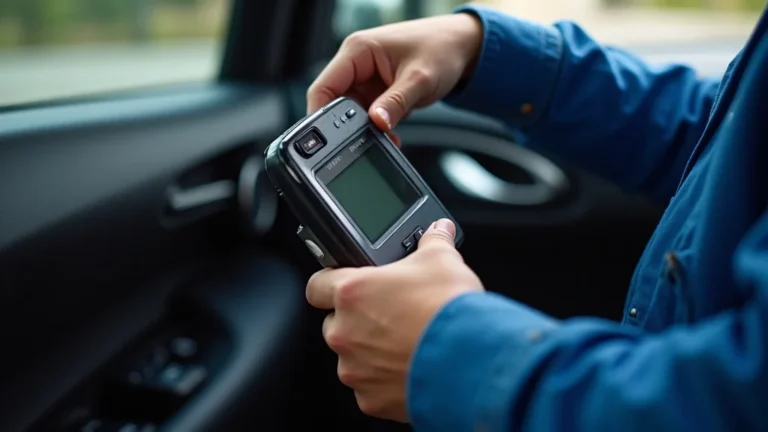
- Diagnostic Tool: Use a diagnostic tool to read error codes from the ECU.
- Sensor Inspection: Check sensors for damage and replace any faulty ones.
- Anti-theft System Reset: Consult your car’s manual for instructions on how to reset the anti-theft system.
If you’ve checked the basics and still can’t find the issue, it’s best to get help from a professional. The mechanic can run advanced diagnostics and identify the problem. They also have the tools and experience to deal with these complex systems. Getting professional help may save you time and money and prevent further damage to your car.
Frequently Asked Questions
Question: What does it mean when my car clicks but won’t start?
Answer: When your car clicks but doesn’t start, it usually means there isn’t enough power to turn the engine over. The most common cause is a weak or dead battery. It could also point to a problem with the starter motor, the ignition system, or the fuel system.
Question: How do I know if it’s my battery?
Answer: Check your battery if the car clicks but won’t start. If you hear a single click or multiple rapid clicks when you try to start the car, the battery is likely the cause. You can try jump-starting your car. If it starts, that means the battery is the problem.
Question: What should I check first?
Answer: Start by checking the battery. Inspect the terminals for corrosion. Try jump-starting the car. If this doesn’t work, inspect the starter motor, the ignition system, and the fuel system. Listen for sounds when you try to start the car. These simple checks can often pinpoint the problem.
Question: Can I fix this myself?
Answer: Some basic troubleshooting steps, such as checking and cleaning the battery terminals or jump-starting the car, you can do yourself. However, more complex issues, like problems with the starter motor, ignition system, or fuel system, usually need professional help because they may require special tools and experience.
Question: When should I call a mechanic?
Answer: Call a mechanic if you have tried the basic troubleshooting steps and are still unable to start your car. Also, call a mechanic if you don’t feel comfortable working on your car, or if you suspect a more complex problem with the starter motor, ignition system, or fuel system. Mechanics have the tools and experience needed to correctly diagnose and fix most car issues.
Final Thoughts
Having a car clicks but won’t start can be a headache, but understanding the possible causes can make the process less stressful. The first thing to consider is the battery, as a dead battery is often the culprit. Then, move on to the starter motor, which could have issues that cause this problem. Don’t forget the ignition system and the fuel system, which are also critical. While there are other reasons your car might not start, these are some of the most common causes.
When you troubleshoot, start with the easy checks, such as inspecting the battery terminals and looking for corrosion. Then move to the starter, ignition, and fuel systems. If you can’t resolve the issue, or if you feel uncomfortable doing the work, seeking help from a mechanic is a good idea. They can diagnose the problem and perform any repairs safely. Remember, with a systematic approach and a bit of patience, you should be able to get your car running again.